What Are Waterproof Binoculars
You've probably seen "waterproof" stamped on binoculars and wondered what that actually guarantees. The short answer is that what are waterproof binoculars depends on who made them and how they were tested. Some can survive a dunk in the ocean.
Others just handle a light drizzle.
The industry standard for rating waterproofing is the IP code, or Ingress Protection rating. A pair rated IPX7, for example, has been tested to survive submersion in 1 meter of water for 30 minutes. But that's a lab test, not real life.
Let's look at what "waterproof" actually means when you're the one holding the binoculars.
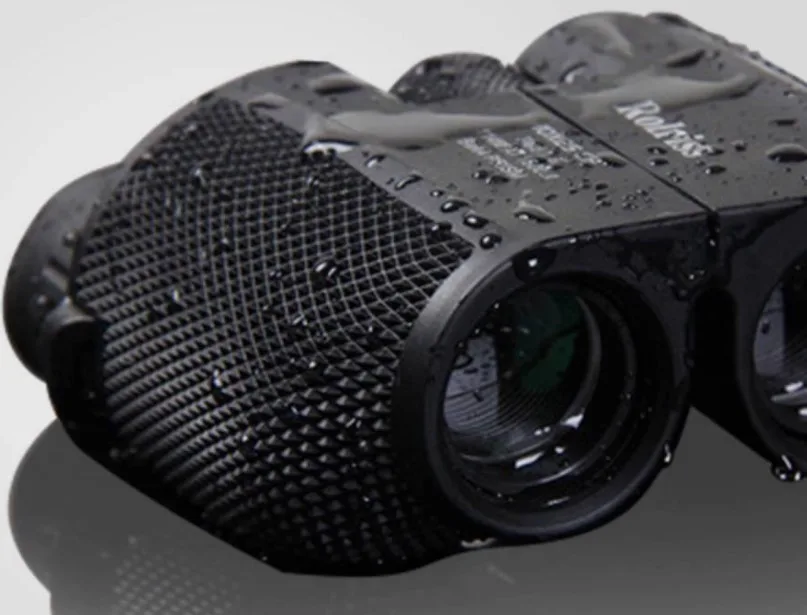
Image source: Bing (Web (fair-use with source credit))
Quick Answer
Waterproof binoculars are optics sealed with O-rings and filled with dry gas to keep moisture out. They are tested against standards like IPX7 or JIS 7 for submersion resistance. Fogproof models add nitrogen or argon purge to prevent internal fogging.
Not all waterproof ratings are equal, so the rating matters more than the word.
What "Waterproof" Actually Means (And Doesn't)
Here's where most people get tripped up. The word "waterproof" on a pair of binoculars does not mean the same thing across every brand. It's not a regulated term.
A manufacturer can call binoculars waterproof if they survive a splash, and another can call them waterproof if they survive a three-minute dive.
That's why the rating system matters.
The IP Code (Ingress Protection)
The International Electrotechnical Commission (IEC) publishes the IP rating standard, which is the closest thing to a universal benchmark. For binoculars, the relevant number is the second digit, which covers moisture. An IPX7 rating means the unit survived submersion in 1 meter of fresh water for 30 minutes.
IPX6 means it withstood high-pressure jets, like a hose. IPX8 means it can go deeper than 1 meter, but the manufacturer decides the exact depth and time.
No rating means you have no idea what "waterproof" covers.
The JIS Standard
You might also see the JIS standard on older or Japanese-made binoculars. JIS 7 matches IPX7, with submersion at 1 meter for 30 minutes. JIS 8 is more stringent, requiring continuous submersion at a depth the manufacturer specifies.
As of 2026, most reputable brands use the IP rating system, but you'll still find JIS references on some marine models.
Waterproof vs. Water-Resistant vs. Fogproof
These three terms get mixed up constantly. Water-resistant means the binoculars have a basic seal that stops light rain or splash. It is not a guarantee against submersion.
Waterproof means the unit has O-ring seals and a dry gas fill, and it has been tested to a specific depth and duration. Fogproof is a separate claim. It means the internal air has been replaced with a dry gas, usually nitrogen or argon, so condensation cannot form on the inside of the lenses when the temperature changes.
A pair can be waterproof without being fogproof, though that is rare in modern designs. If you see both claims, you are getting a fully sealed optic.
What the Lab Test Does Not Tell You
The IPX7 test is performed on a new unit in clean fresh water at room temperature. Real-world conditions are saltwater, mud, drops, and temperature swings. A seal that passes the lab test can fail after a hard knock or years of use.
That is why warranty matters. A waterproof rating is a snapshot of performance at the factory, not a lifetime guarantee.
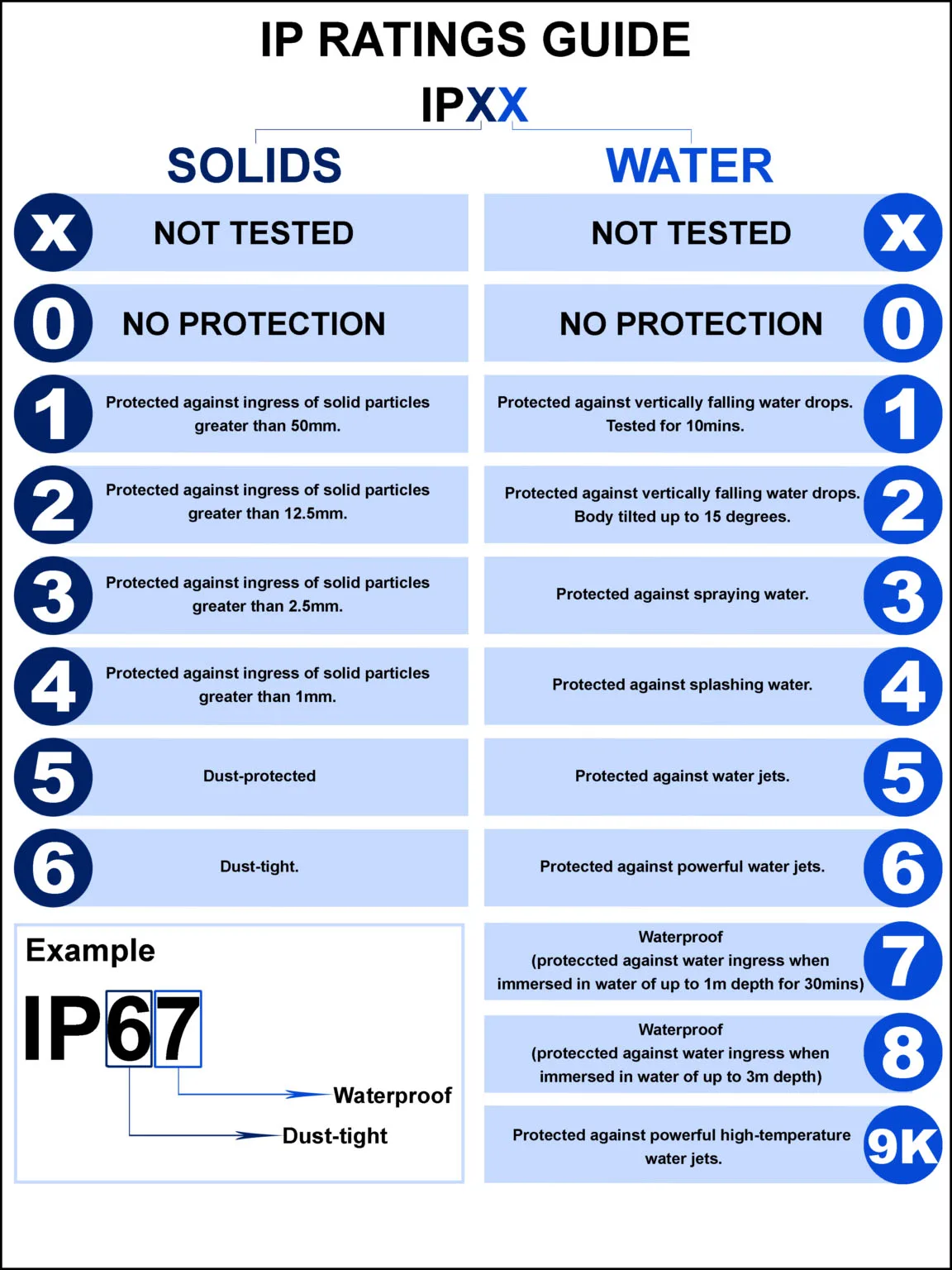
Image source: Bing (Web (fair-use with source credit))
The 3 Factors That Determine Your Waterproof Needs
Not everyone needs the same level of waterproofing. Your real requirements come down to three variables. Think through these before you look at any spec sheet.
Factor 1: How Wet It Actually Gets
This is the obvious one, but people underestimate it. A casual birdwatcher in a temperate climate might only use binoculars in light rain a few times a year. A kayaker or sailor faces constant spray, waves, and the risk of dropping the unit overboard.
A hiker in the Pacific Northwest can expect hours of steady rain.
If you never plan to use binoculars in heavy rain, a lower IPX6 rating might be enough. If you are on the water, you need IPX7 or better. If you expect to drop them in a lake or river, look for a float strap and a rating that covers submersion.
Factor 2: Temperature Swings and Condensation Risk
This is the factor most people miss. Moving from a warm car into cold air, or from a dry climate into a humid one, can cause fogging inside the binoculars. Even a sealed unit can fog internally if the gas inside is not dry enough or if the seals have degraded.
The solution is fogproofing, which requires nitrogen or argon purge. If you hunt in the early morning, hike in the mountains, or travel between different climates, fogproof is not optional. It is a requirement.
If you only use binoculars in mild, stable weather, you can skip it.
Factor 3: How Long You Plan to Keep Them
Waterproofing is not permanent. The O-rings dry out over time. The gas inside can slowly leak out.
A cheap pair might have a five-year effective lifespan before the seals start to fail. A premium pair with proper engineering and a lifetime warranty can last decades.
Your decision should match your expected ownership timeline. If you plan to replace binoculars in three years, a lower-cost waterproof model is fine. If you want a pair that lasts twenty years, invest in a well-sealed unit from a brand with a strong warranty.
These three factors stack. If you are a kayaker in a cold climate who wants a lifetime pair, you need the highest rating. If you are a fair-weather backyard birder who replaces gear every few years, you can spend less.
How Waterproofing Works: Seals, Gas, and Prisms
To understand what you are paying for, you need to know what is inside the body. Waterproof binoculars use three main engineering techniques.
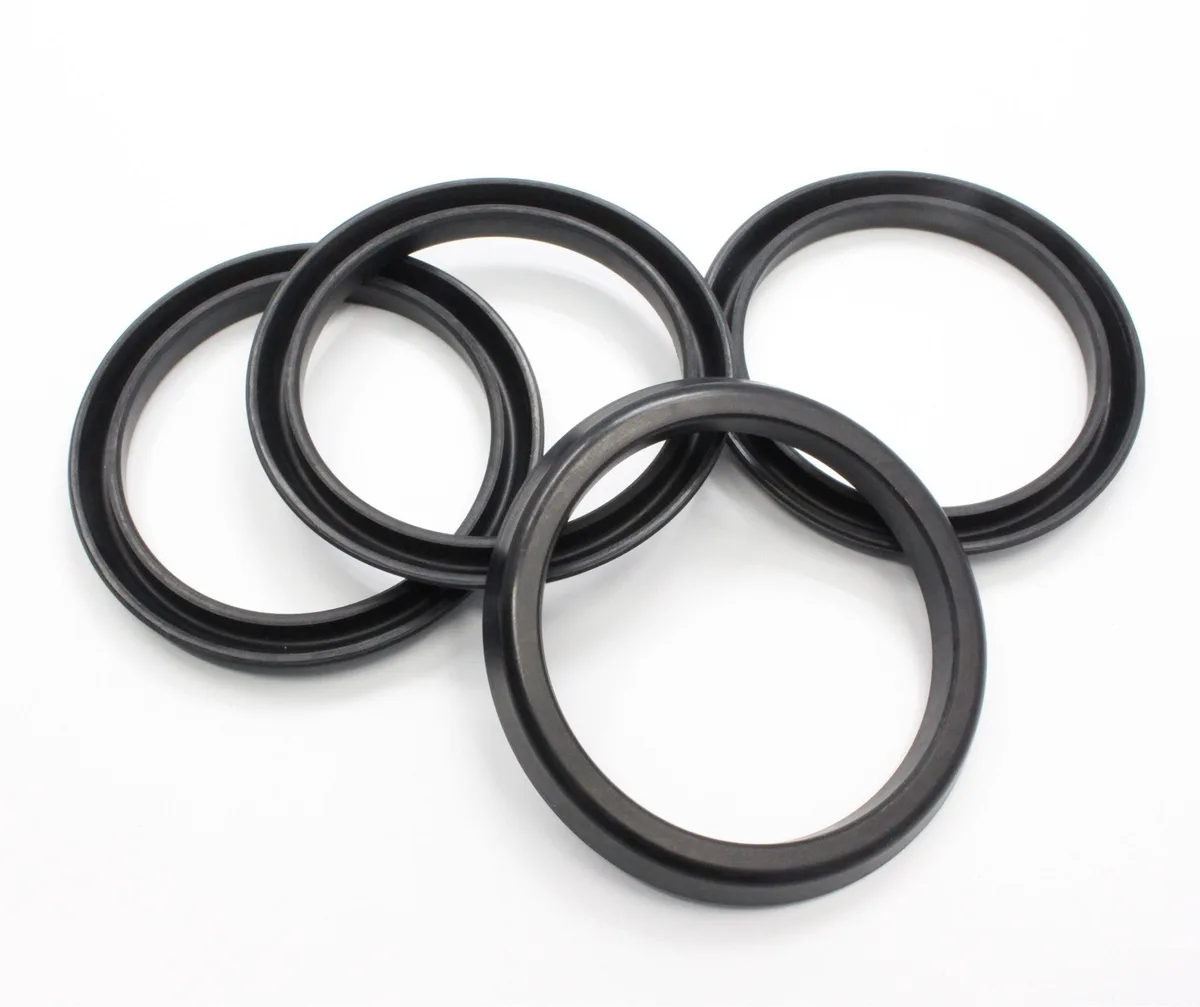
Image source: Bing (Web (fair-use with source credit))
O-Ring Seals
The most critical component is the O-ring, a rubber or silicone ring that sits between the mating surfaces of the binocular body. These rings are compressed when the body is assembled, creating a barrier that water cannot pass through. The focus wheel, diopter adjustment, and eyepieces all have their own O-rings.
Every point where two pieces of metal or plastic meet is a potential leak path.
The quality of the O-ring material matters. Silicone holds up better over time than standard rubber. Some manufacturers use multiple O-rings at critical junctions for redundancy.
Nitrogen and Argon Purging
A sealed body is not enough. Air contains moisture, even in dry climates. When the temperature drops, that moisture can condense on the inside of the lenses, causing fogging.
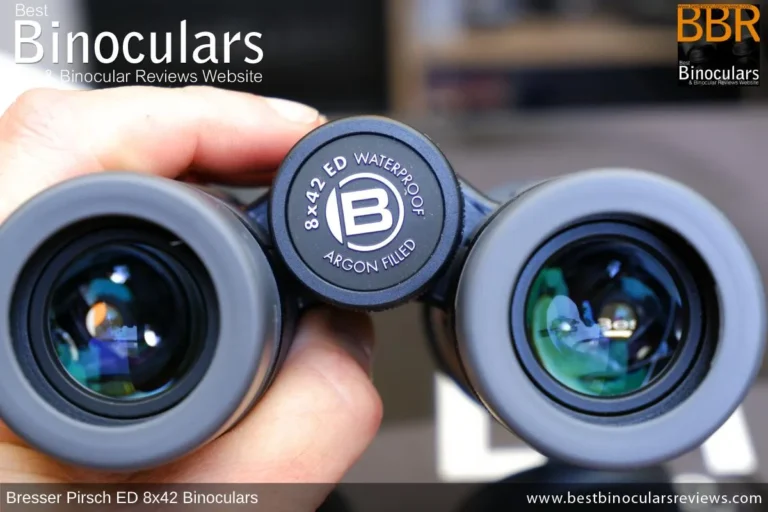
To prevent this, manufacturers replace the air inside with a dry gas, usually nitrogen or argon.
The process is simple. The binocular body is assembled in a chamber where the air is replaced with the dry gas. Then the unit is sealed.
The gas inside has a dew point far below freezing, so no condensation can form. Argon is denser than nitrogen and resists leakage better, but it is also more expensive. Most premium binoculars use argon.
Budget and mid-range models use nitrogen.
Prism Design and Sealing
Not all prism designs seal equally. Roof prism binoculars have a straight body that is easier to seal completely. Porro prism binoculars have an offset design with more exposed joints, which makes full waterproofing harder to achieve.
That does not mean porro prism binoculars cannot be waterproof. It just means the engineering must be more careful.
Some manufacturers fill the prism housing with gas separately from the main body. Others seal the entire unit as one piece. The approach matters less than the result.
Look for a clear statement of the waterproof rating, not just the word "waterproof."
The Weak Point: The Focus Mechanism
The focus wheel is the most common failure point for waterproofing. It has to move, which means it needs a dynamic seal instead of a static one. Dynamic seals wear out faster.
Some manufacturers use a sealed internal focusing system where the focus wheel does not actually penetrate the waterproof body. Instead, it uses magnets or a sealed shaft. These designs are more durable and worth seeking out for heavy use.
The Decision Tree: Which Waterproof Binoculars Fit Your Use Case
Now the practical part. Here is how to choose based on what you actually do. Find your scenario and follow the branch.
Branch 1: Marine and Boating Users
You are on a boat, kayak, or near saltwater. You risk dropping the unit overboard.
You need IPX8 or at minimum IPX7 with a float strap. Saltwater is more corrosive than freshwater, so rinse the binoculars with fresh water after every use. Look for a model with individual focus instead of central focus.
Individual focus has fewer moving parts and fewer potential leak points. The trade-off is slower focusing, but for marine use, you typically set the focus once and leave it.
Magnification should be 7x to 10x. Higher magnification magnifies the motion of the boat. A 7×50 configuration is a classic marine choice because the large exit pupil helps with stability in rough conditions.
Recommended rating: IPX7 or IPX8, fogproof, argon purge preferred.
Branch 2: Mountain and Temperature-Swing Users
You hunt, hike, or watch wildlife in cold weather, high altitude, or variable climates. You move between warm and cold environments.
Your priority is fogproofing, not just waterproofing. A nitrogen or argon purge is non-negotiable. Look for a temperature range on the spec sheet.
A unit rated from -20°C to 60°C will handle most conditions. Check that the eyecups twist up and down smoothly with gloves on.
Magnification of 8x or 10x is standard. Objective lens size of 42mm gives a good balance of light gathering and weight.
Recommended rating: IPX7, fogproof, argon purge preferred, wide temperature range.
Branch 3: All-Weather Hikers and Backpackers
You carry binoculars in a backpack for days or weeks. You encounter rain, streams, and humidity. Weight matters.
You need a waterproof and fogproof unit, but you also need to keep weight under 20 ounces. Compact 8×32 or 10×32 models are popular for this use. They are light enough to carry all day but still have a full seal.
Look for a model with a rubber armor coating for grip in wet conditions.
A float strap is optional but smart if you cross streams or paddle.
Recommended rating: IPX7, fogproof, under 20 oz.
Branch 4: Casual Rain-Land Birdwatchers
You watch birds in your backyard or local park. You might go out in light rain, but you are not in extreme conditions.
You can get away with a lower rating. A model with IPX6 or even a well-sealed water-resistant unit is sufficient for light rain. Fogproof is still nice to have, but if you are not moving between temperature extremes, it is less critical.
Your budget can go toward optics quality instead of extreme sealing. A good pair of 8×42 binoculars with a basic waterproof rating and good glass will serve you well.
Recommended rating: IPX6 or IPX7, fogproof optional.
How to Read a Spec Sheet for Waterproof Binoculars
Manufacturer spec sheets are not always clear. Here is what to look for and what to ignore.
Look for the Specific Rating
The spec sheet should state the IP or JIS rating explicitly. If it just says "waterproof" without a number, treat it as water-resistant. A reputable brand will list the rating.
If the rating is missing, the manufacturer probably did not pay for the test.
Check the Gas Type
The spec sheet should say "nitrogen filled" or "argon filled." If it does not mention the gas, the unit might not be fogproof. Some budget models claim fogproof without a gas purge, which is not physically possible. The gas is what makes fogproofing real.
Verify the Temperature Range
A fogproof unit should list an operating temperature range. If the range is narrow, the gas quality or seal quality might be low. A wide range, like -20°C to 60°C, indicates a well-sealed unit.
Ignore Marketing Language
Words like "waterproof," "sealed," "all-weather," and "weatherproof" are not standardized. They mean whatever the manufacturer wants them to mean. The rating number is the only thing that matters.
If the spec sheet does not have a number, the claim is unreliable.
Check the Warranty
A waterproof binocular is only as good as the warranty that backs it. Some brands offer a lifetime warranty that covers seal failure. Others offer a limited warranty that excludes water damage.
Read the warranty terms before you buy. If the manufacturer does not stand behind the seal, the seal is probably not very good.
Look for Field Serviceability
Some binoculars can be re-purged with gas if the seals are serviced. This is rare but valuable for long-term ownership. If the manufacturer offers a re-purge service, the unit is built to last.
What the Spec Sheet Does Not Tell You
The spec sheet cannot tell you how the binoculars handle after five years of use. It cannot tell you if the O-rings will dry out in three summers. That is where user reviews and brand reputation matter.
A brand with a long history in marine or outdoor optics is more likely to have robust sealing than a brand that makes everything from phone cases to binoculars.
What Can Go Wrong: Common Failures and Misconceptions
Waterproof binoculars fail in predictable ways. Knowing these failure modes helps you avoid them and spot trouble early.
O-Ring Deterioration
The rubber or silicone O-rings inside the body are the most vulnerable component. They dry out over time, especially in hot or dry climates. They can also crack if the binoculars are stored in direct sunlight for long periods.
Once an O-ring fails, the seal is broken. Water can enter the body.
The fix is a factory service. Most manufacturers can replace O-rings, but the cost sometimes exceeds the value of a budget pair. That is why premium binoculars with lifetime warranties are a better long-term investment.
The warranty covers the service.
Focus Mechanism Leaks
As mentioned earlier, the focus wheel is the most common leak point. Dynamic seals wear out faster than static ones. You might notice the focus wheel getting stiff or gritty before any water actually gets in.
That stiffness is often the seal degrading.
If you feel resistance in the focus wheel that was not there before, inspect the binoculars for signs of internal fogging. The two symptoms often appear together.
Saltwater Corrosion
Saltwater is more destructive than fresh water. It conducts electricity and accelerates corrosion on metal parts inside the focus mechanism and hinge. Even a brief splash can cause damage if the salt dries and leaves crystals behind.
Rinsing binoculars with fresh water after saltwater exposure is not optional. It is mandatory. Use cool tap water.
Let them air dry before storing. Do not use soap or solvents unless the manufacturer specifically recommends them.
Condensation on External Lenses
This is not a failure of the waterproofing. It is physics. When you bring cold binoculars into a warm, humid environment, moisture condenses on the external lens surfaces.
This is normal. It clears up once the glass warms to room temperature.
The problem is when condensation appears on the internal surfaces. That means the fogproofing has failed. The gas inside has been compromised, or the seals have let in moist air.
Internal fogging is a warranty issue.
Drop Damage
A hard drop can crack the seal at the joints even if the body looks fine. The impact can shift the O-rings out of their grooves. The binoculars might still pass a visual inspection but leak during the next rainstorm.
If you drop your binoculars, test them. Take them into a humid environment or a steamy bathroom and check for internal fogging. Do not assume they are still sealed.
Misconception: Waterproof Means Unbreakable
Waterproof binoculars are not shockproof unless the manufacturer specifically states it. The waterproofing protects against moisture. It does not protect against impacts.
Some models combine both features, but you have to check for each rating separately.
Misconception: All Fogproofing Is the Same
Nitrogen purge and argon purge are not the same. Argon molecules are larger and leak out more slowly. Argon-purged binoculars hold their fogproofing longer.
The difference matters if you plan to own the binoculars for more than a few years.
Misconception: Higher IP Rating Means Better Optics
The IP rating has nothing to do with optical quality. A pair of IPX8 binoculars can have mediocre glass. A pair of IPX6 binoculars can have excellent glass.
The rating tells you about the seal, not the image. Do not confuse the two.
Quick Decision Guide: Matching Use Case to Rating
Here is a simple reference table to match your situation to the right waterproofing level. Use it as a shortcut when comparing models.
| Your Use Case | Minimum Rating | Fogproof Required? | Gas Type | Notes |
|---|---|---|---|---|
| Backyard birding, light rain | IPX6 | No | None | Focus on glass quality, not sealing |
| Hiking, camping, general outdoor | IPX7 | Yes | Nitrogen | 8×32 or 8×42, under 20 oz |
| Hunting in cold or variable climates | IPX7 | Yes | Argon preferred | Wide temperature range, good gloves compatibility |
| Kayaking, canoeing, near water | IPX7 or IPX8 | Yes | Argon | Add float strap, rinse after use |
| Boating, saltwater, marine | IPX8 | Yes | Argon | 7×50 recommended, individual focus |
| Search and rescue, professional use | IPX8 | Yes | Argon | Redundant seals, field serviceable |
How to Use This Table
Find your primary use case in the left column. If you have multiple use cases, go with the highest rating. For example, if you hike in the mountains and also kayak occasionally, choose the marine recommendation.
The minimum rating column tells you what to look for on the spec sheet. If the binoculars do not meet that rating, move on to another model.
Fogproof is listed as "Required" for most outdoor use. If you skip it, you risk internal fogging in any temperature change. That is a real problem, not a theoretical one.
Price Ranges by Rating
Expect to pay more for higher ratings and better gas purging. Here is a rough guide based on manufacturer pricing as of 2026.
| Rating Level | Typical Price Range | What You Get |
|---|---|---|
| IPX6, no fogproof | $50 to $150 | Basic seal, light rain protection |
| IPX7, nitrogen purge | $150 to $400 | Good all-around waterproofing |
| IPX7, argon purge | $400 to $800 | Better seal longevity, premium build |
| IPX8, argon purge | $800 to $2000+ | Professional-grade, marine certified |
These are ranges, not rules. Some brands offer excellent value at the lower end of each range. Others charge a premium for brand name.
The spec sheet is your guide.
When to Spend More
Spend more if you plan to use the binoculars in saltwater, in extreme temperatures, or for long-term ownership. The extra cost buys better seals, better gas, and a better warranty. It also buys peace of mind when you are miles from the nearest store.
When to Spend Less
Spend less if you are a casual user in mild conditions. A pair of IPX6 binoculars with good glass will give you a clear image for years. You do not need a marine-grade seal to watch birds in your backyard.
Frequently Asked Questions
What is the difference between IPX6 and IPX7?
IPX6 means the binoculars can withstand high-pressure water jets, like a hose. IPX7 means they can be submerged in 1 meter of water for 30 minutes. IPX7 is a higher standard for immersion.
IPX6 is sufficient for heavy rain but not submersion.
Can I use waterproof binoculars in saltwater?
Yes, but you must rinse them with fresh water after each saltwater exposure. Salt crystals can damage the seals and corrode metal parts. Rinse thoroughly and let them air dry.
Marine-rated models with IPX8 and argon purge are best for regular saltwater use.
How long does waterproofing last?
The seals last 5 to 15 years depending on the quality of the O-rings, the gas type, and storage conditions. Argon-purged units last longer than nitrogen-purged units. Storing binoculars in a cool, dry place extends the life of the seals.
Direct sunlight and heat shorten it.
What does fogproof mean on binoculars?
Fogproof means the internal air has been replaced with a dry gas, usually nitrogen or argon. This prevents condensation from forming on the inside of the lenses when the temperature changes. Fogproof is separate from waterproof.
A unit can be waterproof but not fogproof.
Can I repair a waterproof binocular if the seal fails?
Some manufacturers offer seal repair services. The cost varies. For budget models, the repair cost often exceeds the replacement cost.
For premium models with lifetime warranties, the repair is usually covered. Check the warranty terms before purchasing.
Do I need to service my waterproof binoculars?
No regular maintenance is required for the seals. Keep the binoculars clean and dry. Store them in a case with a silica gel pack in humid climates.
If you notice internal fogging or stiffness in the focus wheel, send them in for service. Do not attempt to open the body yourself.