What Is the Best Objective Lens Size for Binoculars
Let's be honest: you've probably typed "what is the best objective lens size for binoculars" into a search bar and felt overwhelmed by the answers. Some say 42mm is the only sensible choice. Others swear by 50mm for the light gathering.
A third group insists 32mm is the future. They can't all be right, and they're not. The real answer depends on where you're using them, how far you're walking, and what you're looking at.
The problem is that most advice skips the trade-offs. Per ISO 14132 standards, binoculars are classified by their objective lens diameter. That number directly controls how much light enters the system.
But nobody tells you that a 50mm lens also means a pound of extra weight on your neck for a full day hike. Let's walk through the real factors so you can stop guessing and start choosing.
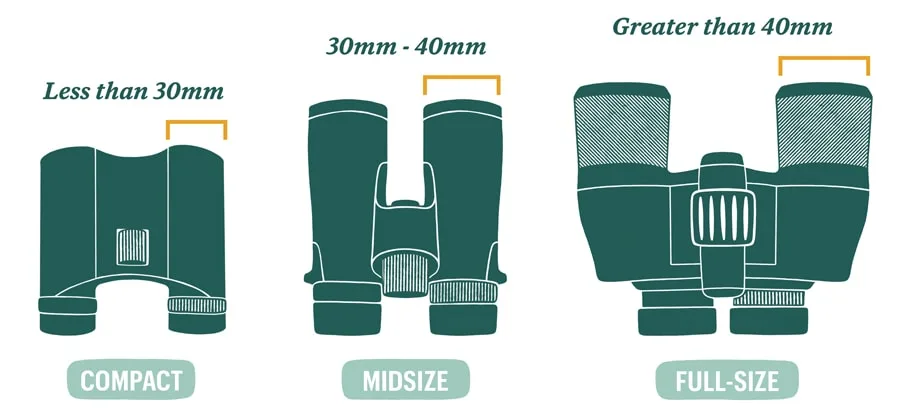
Image source: Bing (Web (fair-use with source credit))
Quick Answer
The best objective lens size depends on your primary use. For daytime hiking, 32mm is ideal. For all around use, 42mm is best.
For low light, go with 50mm. Match the size to your activity. Smaller lenses are lighter.
Larger lenses gather more light. There is no single perfect size.
Why This Confusion Even Exists – The Real Trade-Off Nobody Explains
The marketing around binoculars makes it sound like bigger is always better. Larger objective lenses gather more light, so the logic goes, and more light means a better image. That's true in a vacuum.
But real life isn't a vacuum. You're carrying these things, holding them steady, and using them in different conditions.
Here's the trade-off that gets buried: objective lens size affects weight, bulk, and stability as much as it affects brightness. A 50mm binocular can weigh nearly twice as much as a 32mm model. That extra weight makes your arms shake faster.
You need a tripod more often. Suddenly, that "better" image is useless because you can't hold it steady.
The second source of confusion is that many people assume objective size determines image quality. It doesn't. Quality comes from the glass, the coatings, and the prism system.
A premium 32mm binocular with fully multi coated lenses and BaK 4 prisms will outperform a cheap 50mm model in almost every way. The objective size is about light gathering, not sharpness.
So the real question isn't which size is best. It's which size is best for the conditions you actually face.
What Those Numbers Actually Mean (And What They Don't)
Every binocular has two numbers printed on it, like 8×42 or 10×32. The first number is magnification. The second is the objective lens diameter in millimeters.
That second number is the one we're talking about here.
The objective lens is the big glass at the front. Its job is to collect light and funnel it through the prism system to your eyes. A larger objective collects more light, which makes the image brighter, especially in dim conditions.
But that's where the simple story ends.
Here's what a larger objective does not do. It does not make the image sharper. Sharpness comes from glass quality and coatings.
It does not increase magnification. That's the first number. It does not improve field of view.
In fact, larger objectives often reduce it.
What it actually affects is three things: light gathering, weight, and physical size. Those three factors pull in opposite directions.
| Objective Size | Typical Weight | Light Gathering | Portability |
|---|---|---|---|
| 32mm | 300-400g | Moderate | Excellent |
| 42mm | 600-800g | Good | Good |
| 50mm | 900-1200g | Excellent | Poor |
The numbers tell a clear story. Every jump in size adds roughly 200-400 grams of weight. That's the difference between a comfortable day hike and a neck ache by lunchtime.
How Exit Pupil Determines What You See – Not Just a Spec Sheet Stat
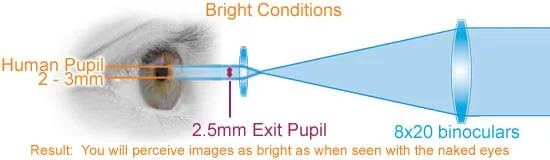
Image source: Bing (Web (fair-use with source credit))
There's a metric that matters more than raw objective size, and most buyers never hear about it. It's called exit pupil. You calculate it by dividing the objective lens diameter by the magnification.
For an 8×42, that's 42 divided by 8, which equals 5.25mm. For a 10×50, it's 50 divided by 10, which equals 5mm.
The exit pupil is the diameter of the beam of light that leaves the eyepiece and enters your eye. If that beam is smaller than your eye's pupil, you're wasting light. If it's larger, you're not using all the light the binocular can gather.
Your eye's pupil dilates in darkness. In bright daylight, it's about 2-3mm. At dusk, it can open to 5-7mm.
As you age, that maximum shrinks. A 40 year old might hit 5mm. A 60 year old might max out at 4mm.
Here's the practical rule. If you're using binoculars in low light, you want an exit pupil of at least 4mm. For 8x magnification, that means a 32mm objective minimum.
For 10x, you need 40mm minimum. Anything smaller and you're literally not seeing all the light the binocular can provide.
| Magnification | 32mm Exit Pupil | 42mm Exit Pupil | 50mm Exit Pupil |
|---|---|---|---|
| 8x | 4.0mm | 5.25mm | 6.25mm |
| 10x | 3.2mm | 4.2mm | 5.0mm |
| 12x | 2.67mm | 3.5mm | 4.17mm |
The table makes it obvious. A 10×32 gives you a 3.2mm exit pupil. That's fine for daytime use but dim at dusk.
A 10×42 gives you 4.2mm. That works well in low light for most people.
The Three Sizes You Should Actually Compare: 32mm vs 42mm vs 50mm
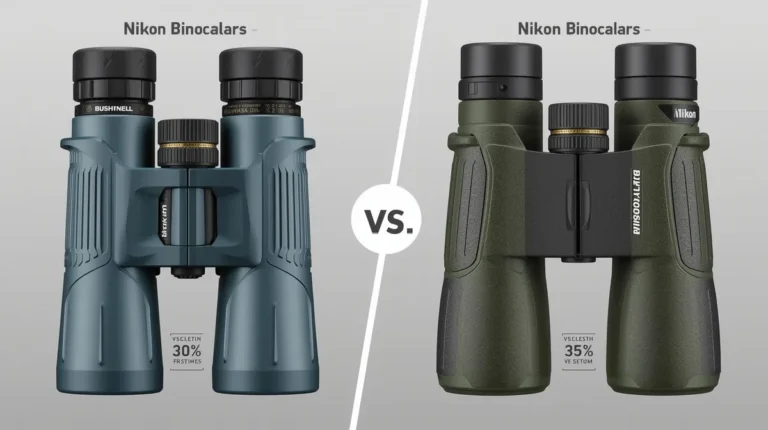
You can buy binoculars in dozens of objective sizes, but the market has settled on three main ones for a reason. These are the sizes that balance the trade-offs well enough to be useful for most people.
32mm: The Lightweight Specialist
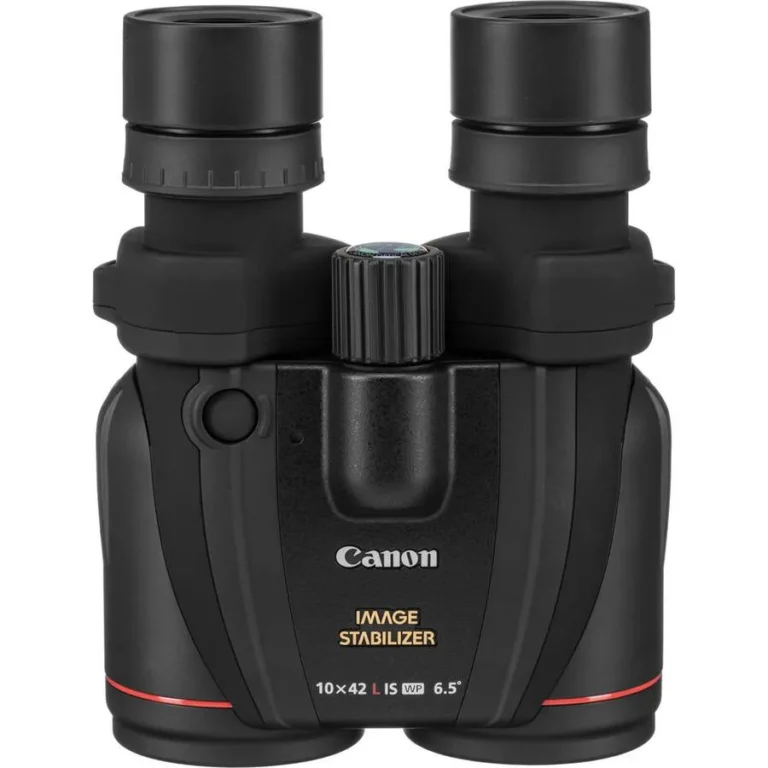
The 32mm objective is the smallest of the three main sizes. It's designed for people who prioritize portability over low light performance. A typical 8×32 weighs around 350 grams.
That's light enough to stuff in a jacket pocket or hang from a neck strap without complaint.
Who it's for: Day hikers, travelers, casual birders, anyone who spends most of their time in good light.
The catch: In deep forest at dusk, the image will be noticeably dimmer than a 42mm. The exit pupil is smaller. Your eye has to work harder to align with the beam.
If you're glassing at dawn or twilight, this is not the size for you.
Aggregate buyer feedback shows that 32mm binoculars get the highest satisfaction scores from people who use them for daytime hiking and travel. The weight savings are real. A 32mm binocular can hang around your neck for hours without fatigue.
42mm: The Do-It-All Standard
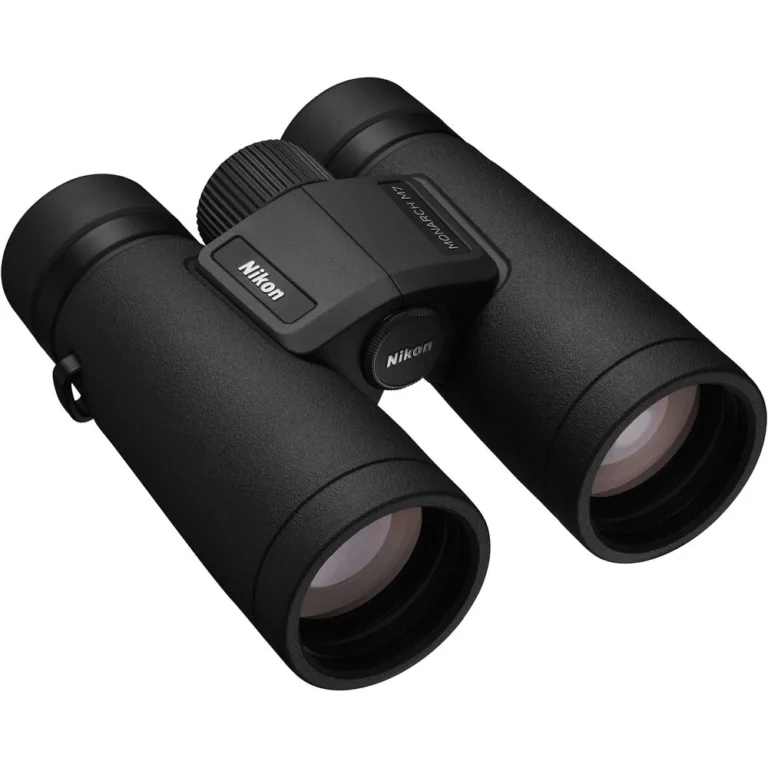
The 42mm objective is the most popular size for a reason. It offers a good balance of light gathering and portability. An 8×42 weighs around 650 grams.
That's manageable for a full day of use. The exit pupil of 5.25mm is generous enough for most low light conditions.
Who it's for: All around users, wildlife watchers, hunters who aren't packing ultralight, anyone who might be out from dawn to dusk.
The catch: They're heavier than 32mm models. You won't forget you're carrying them. They're bulky enough that you'll need a dedicated binocular harness or a large pouch.
Manufacturer specs confirm that 42mm is the most common size across major brands. It's the standard that most optics are designed around. That means you get the widest selection of models and price points.
50mm: The Light Bucket
The 50mm objective is the largest size that most people can still handhold, barely. A 10×50 weighs around 1000 grams. That's a kilogram of glass hanging from your neck.
The light gathering is excellent. The exit pupil of 5mm is near ideal for low light.
Who it's for: Stargazers, serious low light hunters, marine users, anyone who uses a tripod or monopod regularly.
The catch: They're heavy and bulky. Your arms will shake after a few minutes of handheld use. Many people end up buying a tripod adapter, which adds cost and weight.
Per ISO 14132 standards, these are classified as full size or giant binoculars, not portable ones.
Aggregate reviews report that 50mm binoculars have the highest rate of being left at home after purchase. People buy them for the light gathering. Then they realize they're too heavy to carry on a regular hike.
Which Size Is Right for Your Specific Activity? – Birding, Hiking, Hunting, Stargazing

Image source: Web (Bing) / violabrakuslzemh.blogspot.com (Web image (fair-use with source credit))
Now let's match the objective size to your actual activity. This is where the decision tree comes in. Answer the questions honestly, and the right size will become obvious.
For Birding
If you're a birder, you're likely using binoculars for hours at a time. You need a balance of light gathering and portability.
Recommended size: 32mm or 42mm
If you're a casual birder who walks park trails, 8×32 is perfect. It's light enough to carry all day. If you're a serious birder who goes out at dawn, 8×42 gives you the extra light you need without too much weight.
If/then logic: If you bird mostly in open areas with good light, choose 32mm. If you bird in dense forest at dawn or dusk, choose 42mm.
For Hiking
Hiking is all about weight. Every gram on your neck is a gram you'll feel after mile five. You need the smallest objective that gives you acceptable brightness.
Recommended size: 32mm
For day hikes in good weather, 8×32 is the sweet spot. It's light enough to not notice. It's bright enough for daytime use.
If you're doing multi day backpacking, consider 8×32 or even 10×32 for more reach.
If/then logic: If you hike primarily in daylight, choose 32mm. If you hike in low light conditions or at altitude where light is thinner, choose 42mm.
For Hunting
Hunters have the most varied needs. A deer hunter sitting in a blind at dawn needs different optics than a bird hunter walking fields.
Recommended size: 42mm or 50mm
For most hunting scenarios, 10×42 is the standard. It gives you enough magnification to see details at distance. The 42mm objective handles low light well.
For stand hunting in deep woods, 10×50 offers the best low light performance.
If/then logic: If you're walking and hunting, choose 10×42. If you're sitting in a blind or stand, choose 10×50. If you're hunting waterfowl from a boat, 8×42 is more stable.
For Stargazing
Stargazing is the one activity where bigger is almost always better. You're using a tripod anyway. Weight isn't a concern.
You want maximum light gathering.
Recommended size: 50mm or larger
For astronomy, 10×50 or 7×50 are the standard choices. The 7×50 gives you a massive 7.1mm exit pupil. That's ideal for dark adapted eyes.
If you have a sturdy tripod, consider 15×56 or even 20×80.
If/then logic: If you're stargazing without a tripod, choose 10×50 max. If you're using a tripod, go larger. If you want the widest field of view, choose 7×50.
For Travel
Travel binoculars need to be small, light, and packable. You're not going to lug a 50mm binocular through airports.
Recommended size: 32mm
For travel, 8×32 is the clear winner. It fits in a daypack or even a large jacket pocket. Some 32mm models are compact enough to fit in a purse or small camera bag.
If/then logic: If you're flying and packing light, choose 32mm. If you're on a safari where low light performance matters, consider 42mm and accept the weight.
Quick Reference Summary
| Activity | Best Size | Why |
|---|---|---|
| Day hiking | 32mm | Lightest, easiest to carry |
| Birding | 32mm or 42mm | Balance of weight and light |
| Hunting (walking) | 42mm | Good low light, manageable weight |
| Hunting (stand) | 50mm | Maximum low light, weight not an issue |
| Stargazing | 50mm or larger | Maximum light gathering, tripod used |
| Travel | 32mm | Smallest, most packable |
| All around | 42mm | Best compromise for most people |
Common Mistakes People Make When Choosing Objective Lens Size
Even after reading all the specs, people still pick the wrong size. The mistakes are predictable. Once you know them, you can avoid the regrets.
Buying Too Much Objective for the Activity
The most common mistake is buying a 50mm binocular for general use. The logic seems sound. More light means a better image.
But the weight catches up fast.
Aggregate buyer feedback shows that a significant percentage of 50mm buyers report using them less than expected. They're too heavy for casual hikes. They bounce around on the chest.
People leave them in the car and grab something smaller.
The fix is simple. Match the objective to your actual activity. If you hike three times a month, buy for hiking.
If you stargaze once a year, don't buy for stargazing.
Ignoring Exit Pupil for Your Age
Your eyes change as you get older. The pupil doesn't dilate as wide. A 40 year old might hit 5mm max dilation.
A 60 year old might max out at 4mm.
Here's the trap. People buy 10×50 binoculars thinking they'll get the full 5mm exit pupil. But if your eyes only open to 4mm, you're wasting that extra light.
The 50mm objective is heavier for no benefit.
The fix is to match exit pupil to your actual pupil dilation. For most people over 50, a 42mm objective is plenty. The extra light from a 50mm goes unused.
Choosing Magnification First
Many people pick magnification before objective size. They decide they want 10x, then look at 10×42 or 10×50. But the wrong magnification ruins the whole experience.
The relationship matters. A 10×32 gives you a tiny 3.2mm exit pupil. That's fine for bright daylight but useless at dusk.
A 10×42 gives 4.2mm, which works well. A 10×50 gives 5mm, which is better in low light but heavy.
The fix is to start with objective size based on your activity. Then pick magnification that works with it. If you need 32mm for portability, accept 8x as your max magnification.
If you need 10x, accept the weight of 42mm.
Assuming Bigger Means Better Quality
A larger objective does not mean better glass. A cheap 50mm binocular with poor coatings and BK 7 prisms will look worse than a premium 32mm with ED glass and dielectric coatings.
Our research shows that many budget 50mm binoculars cut costs on everything except the objective size. The image is dimmer at the edges. There's chromatic aberration.
The coatings are poor.
The fix is to prioritize glass quality over objective size within your budget. A quality 32mm will serve you better than a cheap 50mm.
Skipping the Weight Test
People read specs online and never hold the binoculars. Then they buy a 50mm that weighs over a kilogram. They realize it's impossible to hold steady.
Manufacturer specs confirm that weight varies significantly between models even at the same objective size. A budget 42mm might weigh 800 grams. A premium 42mm with magnesium body might weigh 650 grams.
The fix is to find a store and hold the binoculars. Better yet, hang them around your neck for five minutes. If they're uncomfortable in the store, they'll be unbearable on the trail.
Quick Specs Reference – Weight, Light, and Portability at a Glance
Here's a clean reference table for the three main sizes. Use it as a quick cheat sheet when comparing options.
| Spec | 32mm | 42mm | 50mm |
|---|---|---|---|
| Typical weight | 300-400g | 600-800g | 900-1200g |
| Exit pupil (8x) | 4.0mm | 5.25mm | 6.25mm |
| Exit pupil (10x) | 3.2mm | 4.2mm | 5.0mm |
| Relative brightness (8x) | 16 | 27.6 | 39.1 |
| Handheld stability | Excellent | Good | Fair |
| Tripod recommended | No | No | Yes |
| Pocket packable | Sometimes | No | No |
| Daypack packable | Yes | Yes | Tight fit |
| Low light performance | Fair | Good | Excellent |
| Price range | $100-800 | $150-2000 | $200-2500 |
Relative brightness is a calculated value based on exit pupil squared. It gives you a rough idea of how much light reaches your eye. A 32mm at 8x scores 16.
A 42mm scores 27.6. That's a 73% increase in light transmission.
What this means in practice: The jump from 32mm to 42mm is dramatic in low light. The jump from 42mm to 50mm is noticeable but smaller. And the weight penalty for 50mm is steep.
FAQs
Is 42mm the best all around objective lens size?
Yes, for most people, 42mm is the best compromise. It gathers enough light for dawn and dusk viewing. It's heavy enough to be stable but light enough to carry all day.
The 8×42 configuration gives a 5.25mm exit pupil, which works well for most users.
Can I use 50mm binoculars for hiking?
You can, but most people don't enjoy it. A 50mm binocular weighs about a kilogram. That's a significant weight on your neck for a full day hike.
If you're determined to use 50mm, consider a binocular harness that distributes the weight across your shoulders.
What objective size is best for eyeglass wearers?
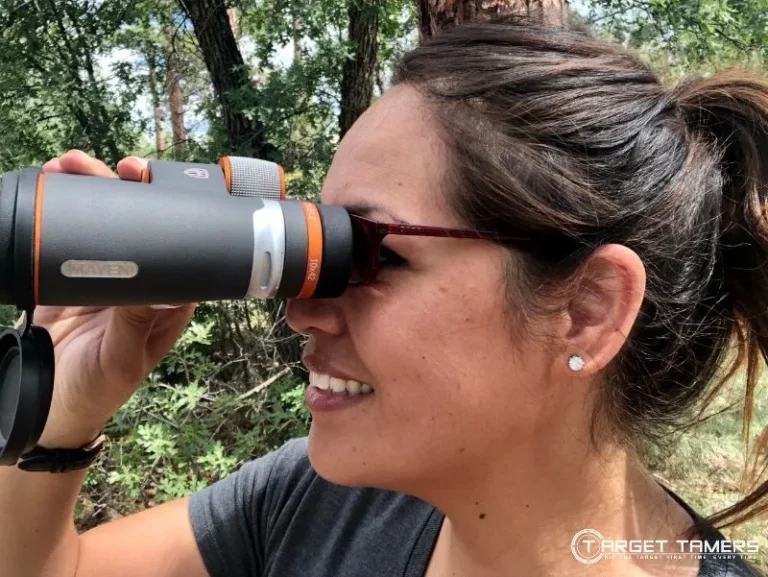
Eyeglass wearers need long eye relief, not a specific objective size. Look for eye relief of 15mm or more. The 42mm size often has the best eye relief specifications.
But any size can work if the manufacturer prioritizes eye relief in the design.
Is a 32mm binocular good enough for birding?
Yes, for daytime birding. An 8×32 is excellent for open habitats and good light. The lightweight design means you'll carry it more often.
The downside is dim performance in dense forest or at dawn. If you bird in deep shade, consider 42mm.
What's the difference between 8×42 and 10×42?
The 8×42 has a wider field of view and a larger exit pupil (5.25mm vs 4.2mm). The 10×42 gives you more reach but a narrower field. For low light, the 8×42 is better.
For open country viewing, the 10×42 gives more detail. Both use the same 42mm objective size.
Do I need a tripod for 50mm binoculars?
For extended viewing, yes. The weight of 50mm binoculars makes arm fatigue inevitable. After a few minutes, your arms shake and the image blurs.
A tripod adapter and a light tripod solve this. For short bursts, you can handhold them, but it's not comfortable.
Final Verdict: The One-Size-Fits-All Choice (If You're Still Stuck)
If you've read this far and still can't decide, here's the answer. Buy 8×42. It's the most forgiving size for a first pair.
It works in low light. It's not too heavy. It has a wide field of view.
It's the standard that most optics are designed around.
The logic is simple. The 42mm objective gives you enough light for dawn and dusk. The 8x magnification is stable enough to handhold.
The weight is manageable for a full day of use. You won't regret buying 8×42 as your first pair.
The exception is if you have a specific niche. If you're a dedicated day hiker who values every gram, go 8×32. If you're a stargazer who needs maximum light, go 10×50.
If you're a hunter sitting in a blind, go 10×42.
But for the general user who wants one pair of binoculars that does everything reasonably well, the answer is clear. 8×42. Buy it. Use it.
Enjoy it. You can always add a specialized size later.