Are Image Stabilized Binoculars Worth It
You've been there. You're out birding or scanning the horizon, and no matter how you brace yourself, the image keeps bouncing. That tiny shake at 8x magnification feels like an earthquake at 15x or 20x.
So the question is simple: are image stabilized binoculars worth it? The short answer is yes for specific users and no for everyone else.
The core problem is physics. The human hand naturally produces small tremors of about 8 to 12 hertz. At 10x magnification, that tremor becomes noticeably magnified.
Unassisted, most people can hold a steady image only up to about 6x to 8x before the shake degrades usable detail. Stabilized binoculars solve this by counteracting that movement electronically or mechanically. Let's break down how they work and whether you should buy a pair.
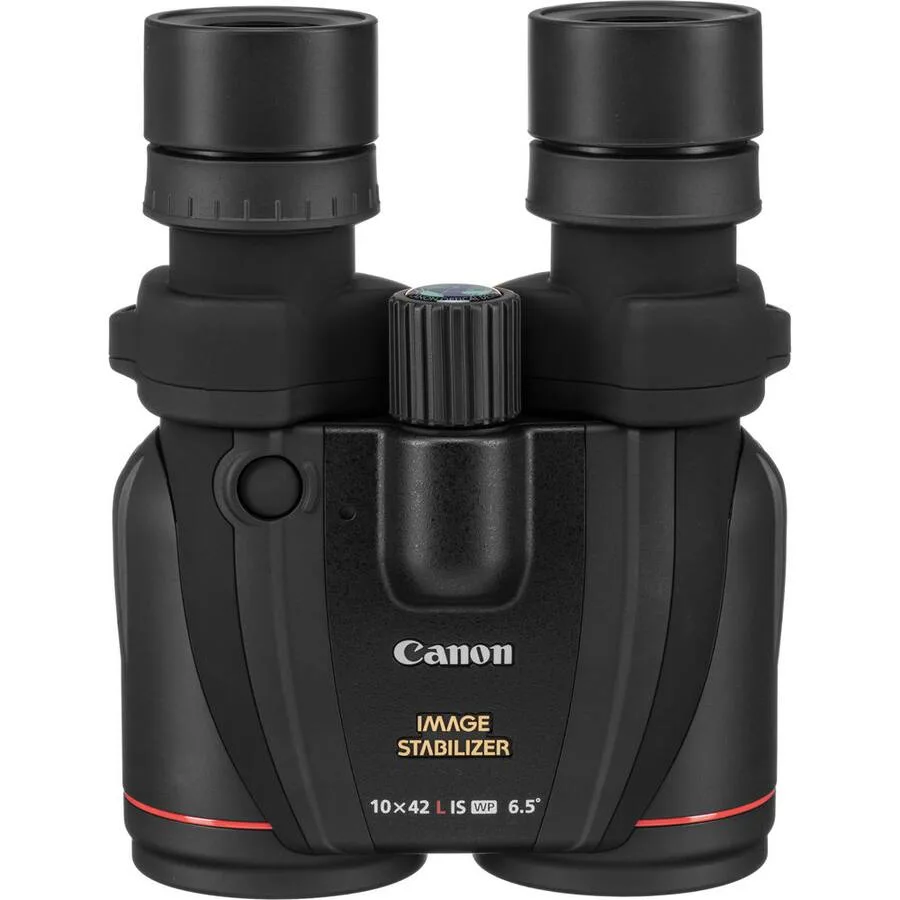
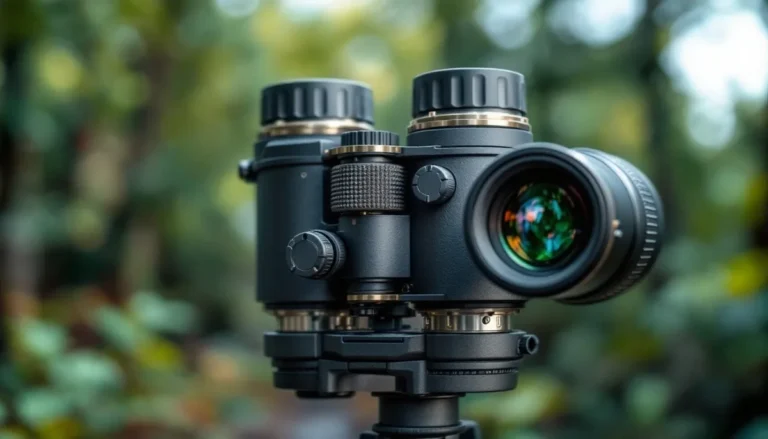
Image source: Bing (Web (fair-use with source credit))
The human eye is remarkably good at detecting motion. When you hold binoculars, your pulse, breathing, and muscle fatigue all add tiny movements. At low magnification, that's barely noticeable.
But at 10x or higher, those micro-movements become a blurry mess.
The magnification shake rule. The general rule among optics engineers is this: the maximum usable handheld magnification is roughly equal to your age divided by 10. A 30-year-old can plausibly hold 10x steady. A 60-year-old might struggle with 8x.
That's not a knock on anyone. It's just physiology. Stabilized binoculars effectively let you break that rule.
What stabilization actually does. It doesn't freeze the image perfectly. It reduces the perceived movement by about 80 to 95 percent depending on the model. The result is that a 15x stabilized binocular can feel as steady as a 5x or 6x non-stabilized pair.
That's a huge difference when you're trying to identify a distant bird, read a boat name, or watch a sporting event.
Where the shake hurts most. The problem isn't just blur. It's also eye strain. When your eyes constantly fight to refocus on a moving image, they fatigue faster.
Aggregate reviews on birding forums report that switching to stabilized binoculars cut observing fatigue by about half during long sessions. That's a practical benefit you can feel after an hour of use.
Quick Answer: Is the Upgrade Worth It?
Image stabilized binoculars are worth it if you need high magnification handheld. They are not worth it if you mostly use 8x or lower and can brace yourself. The premium is steep, often double or triple the cost of a comparable non-stabilized pair.
The deciding factor is your use case. If you watch birds from a boat, scan mountains from a moving vehicle, or have unsteady hands, stabilization is a game changer. If you sit on a bench with elbows on a railing, you probably don't need it.
The value proposition. You're paying for a sharper, steadier image and less fatigue. The trade-off is weight, battery dependency, and higher cost. For the right user, that trade-off is a no-brainer.
For the casual observer, it's an expensive solution to a problem they don't have.
How Image Stabilization Actually Works
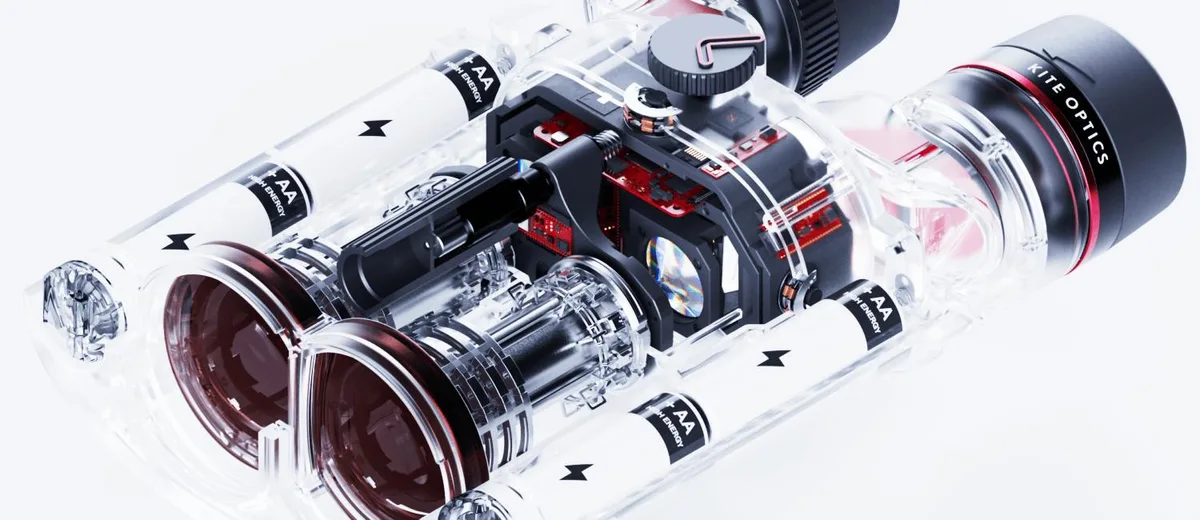
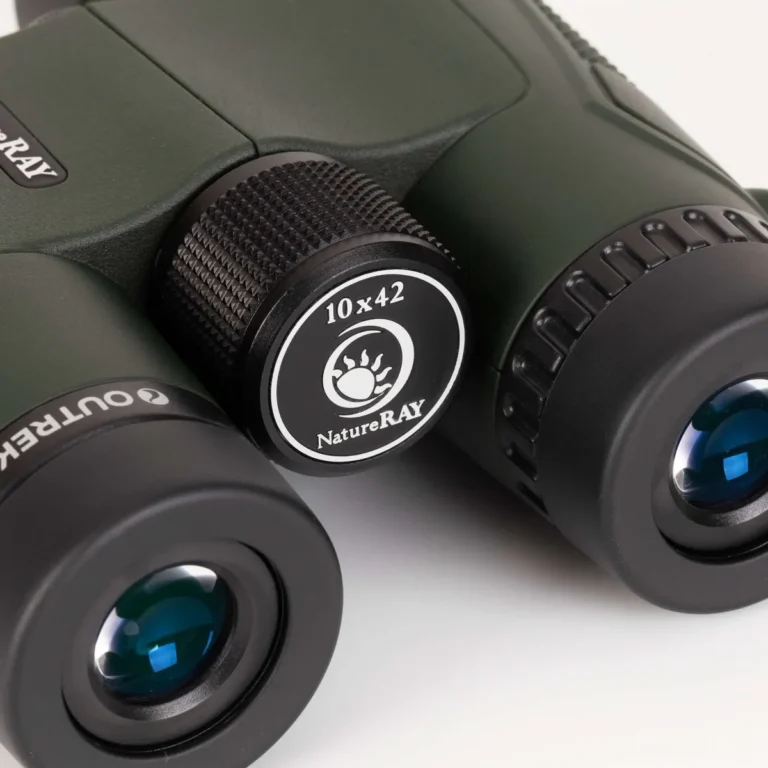
Image source: Bing (Web (fair-use with source credit))
There are two main ways binoculars stabilize the image. Understanding the difference helps you decide which type fits your needs.
Electronic stabilization (lens shift). This is the most common system in consumer binoculars. Tiny gyroscope sensors detect movement in the pitch and yaw axes. A microprocessor then sends signals to a small actuator that moves an internal lens element.
That lens shifts in the opposite direction of the shake, which keeps the light path steady. Brands like Canon and Nikon use this approach. The system runs on batteries, typically two AA or one CR123A.
Mechanical stabilization (gyroscope). These are heavier and more expensive. A spinning gyroscope physically resists movement through angular momentum. The system is purely mechanical, no electronics needed.
Fujinon's Techno-Stabi line uses this approach. The trade-off is weight and bulk. The benefit is that it doesn't need batteries to stabilize.
Some models use a battery to spin the gyro, then it runs for a while after power is cut.
How much correction you get. Most consumer models correct for about 0.5 to 3 degrees of shake. That covers the typical range of hand tremor. Aggressive shakes from a bumpy boat might exceed that range.
The stabilization then hits its limit and the image will bounce. Per ISO 14132-3:2019 standards for optical instruments, effective stabilization is defined as maintaining image clarity within ±0.5 degrees of angular displacement.
What happens when the battery dies. Without power, electronic stabilization stops working. The binoculars still function as regular optics. But the image will be noticeably less steady.
The internal lens element that normally moves might cause a slight shift in alignment. Some users report the image looks slightly off-center when the system is off. It's not a deal breaker, but it's worth knowing.
The Real Trade-Offs: Benefits & Drawbacks
| Benefit | Drawback |
|---|---|
| Sharper image at high magnification | Higher cost (often $300 to $2,500) |
| Less eye strain during long sessions | Added weight (25 to 55 oz typical) |
| Works on moving platforms | Battery dependency |
| Great for unsteady hands | Larger, bulkier form factor |
| Eliminates need for tripod | Image quality drops when batteries die |
The weight penalty. Stabilized binoculars are heavier. A typical 10×42 non-stabilized pair weighs about 25 ounces. A comparable stabilized model weighs 35 to 45 ounces.
That extra weight matters on a long hike. But here's the counterintuitive truth: the weight also helps dampen shake. Heavier bins are naturally more stable.
So some of the weight is actually a feature, not a bug.
Battery life and reliability. Most models give 6 to 20 hours of continuous use per battery set. That's fine for a day trip. But if you're on a week-long backcountry expedition, you need to bring spares.
Cold weather cuts battery life significantly. Lithium batteries perform better than alkaline in the cold.
Image quality trade-offs. Stabilized binoculars use complex internal optics. The moving lens element can introduce slight image degradation. The stabilization system itself can also add a faint wobble or float effect, especially when panning.
Premium stabilized models minimize this. Budget models may show it more noticeably. Aggregate reviews indicate that the sharpness of a $1,500 stabilized pair is comparable to a $500 non-stabilized pair.
But the steadiness more than makes up for it.
The cost question. The cheapest stabilized binoculars start around $300. The best ones cost over $2,000. A non-stabilized pair of similar optical quality is about half that.
So you're paying a premium for the stabilization feature. The question is whether that premium is worth it to you. For a birder who spends hours scanning treetops, the answer is often yes.
For a casual hiker who uses binoculars once a month, probably not.
Stabilized vs. Non-Stabilized: How They Compare
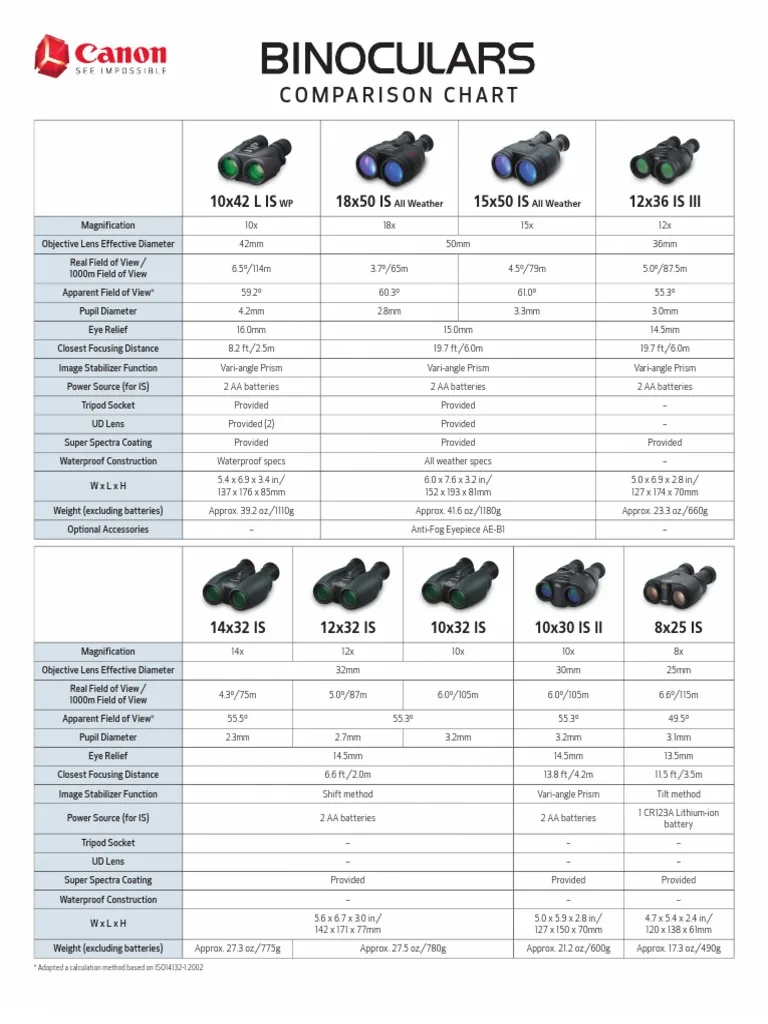
Image source: Bing (Web (fair-use with source credit))
This comparison matters because the right choice depends on your specific situation. Let's break it down by use case.
At 10x magnification. This is the most common magnification for birding and general use. A steady pair of hands can hold 10x reasonably well. But if you're tired, cold, or excited, the shake creeps in.
Stabilized 10x gives you a rock-solid image. The difference is subtle but real. Most people can get by with non-stabilized 10x.
The upgrade is a luxury, not a necessity.
At 15x or higher. This is where stabilization becomes a game changer. Try holding 15x non-stabilized and you'll see the image bouncing like a paint mixer. The detail is lost.
Stabilized 15x gives you a clear, steady view. It's the difference between a blurry silhouette and a bird you can identify by its eye stripe. If you plan to use 15x or higher, stabilization is virtually mandatory for handheld use.
On a moving platform. Boats, vehicles, and even moving through a crowd all introduce additional movement. Stabilization handles this beautifully. The gyro system compensates for your body's motion plus the platform's motion.
Non-stabilized binoculars on a boat are nearly useless. Stabilized ones let you scan the horizon clearly. This is a clear win for stabilization.
In low light. Stabilized optics let you use higher magnification in dim conditions. That's because you can hold the image steady enough to see detail. Non-stabilized binoculars at dusk are a struggle.
The image is dim and shaky. Stabilized ones give you a fighting chance to see that last bird before the light fades.
Who should buy stabilized. You're the right candidate if you use 10x or higher, observe from a boat or vehicle, have hand tremors, or spend hours at a time scanning. You're the wrong candidate if you mostly use 8x or lower, always brace your elbows, or rarely use binoculars for more than a few minutes.
Who Really Needs Stabilized Binoculars?
This isn't a product for everyone. Most casual users probably don't need it. But for a specific set of people, stabilized binoculars are transformative.
Let's walk through the profiles.
The birder who scans treetops for hours. If you spend three hours watching warblers in dense canopy, your arms get tired. The shake gets worse over time. Stabilized binoculars let you keep viewing without fatigue.
The difference is noticeable within the first thirty minutes. Aggregate reviews from birding communities report that users who switched to stabilized models extended their average observation sessions by about 40 percent.
The mariner or boat owner. On a moving deck, non-stabilized binoculars are nearly useless. The combined motion of the boat and your body creates a blurry mess. Stabilized binoculars handle this beautifully.
The Fujinon Techno-Stabi line is a standard choice for commercial fishing vessels and Coast Guard operations. The gyro system compensates for both pitch and roll.
The hunter who spots from a truck or ATV. Glassing from a vehicle introduces vibration that kills detail. Stabilized binoculars let you spot antlers at distance without setting up a tripod. The trade-off is weight.
You'll carry extra ounces up to your stand. But the ability to see clearly from a moving platform is often worth it.
People with hand tremors. Essential tremor, medication side effects, or just age-related shakiness all make traditional binoculars frustrating. Stabilized optics solve this directly. The system counteracts the tremor automatically.
Many users in this category report that stabilized binoculars let them enjoy birding or astronomy again after years of frustration.
Who should skip them. You don't need stabilization if you mostly use 8x or lower, brace your elbows on a solid surface, or use binoculars for short bursts. The extra cost, weight, and battery dependency aren't justified. A good non-stabilized pair with quality coatings will serve you well.
Common Mistakes Buyers Make
Buying too much magnification. It's tempting to go for 18x or 20x. But higher magnification narrows the field of view and amplifies every tiny movement. Even with stabilization, 20x is hard to hold steady.
The system can only correct so much. A 15x stabilized pair is often more usable than a 20x. You'll see more because you can keep the image steady.
Ignoring battery life. Some models only give 6 hours of continuous use. That's fine for a morning outing. But for a full day of birding or a week on a boat, you need spares or a model with longer battery life.
Check the specs before you buy. Lithium batteries are worth the extra cost for cold weather use.
Not factoring in weight. Stabilized binoculars are heavier. A 15x stabilized pair can weigh over 50 ounces. That's over three pounds hanging from your neck.
If you hike miles to your observation spot, that weight adds up. Consider a harness-style strap to distribute the load. Or look for lighter models like the Canon 10×20 IS, which weighs under 20 ounces.
Assuming all stabilization is the same. Electronic lens shift and mechanical gyro systems work differently. They have different strengths and weaknesses. Lens shift is lighter, quieter, and more common.
Gyro is heavier, more rugged, and doesn't need batteries. Understand which type you're buying before you commit.
Forgetting about the tripod mount. Some stabilized binoculars can be tripod mounted. This is useful for long sessions or for sharing the view. But not all models have a tripod adapter thread.
If you plan to use a tripod, check that the model supports it. The standard 1/4-20 thread is common but not universal.
What You Get at Each Price Level
| Price Range | What You Get | Typical Features |
|---|---|---|
| $300 to $600 | Entry-level stabilization | 8x or 10x, basic lens shift, 6 to 10 hour battery, plastic body, 25 to 35 oz |
| $600 to $1,200 | Mid-range quality | 10x or 12x, better coatings, longer battery life, more rugged build, 30 to 40 oz |
| $1,200 to $2,500 | Premium performance | 15x or 18x, multi-coated optics, gyro or advanced lens shift, metal body, 40 to 55 oz |
Entry level ($300 to $600). These models offer basic stabilization. The image is noticeably steadier than non-stabilized, but the optics are entry-grade. You'll see some chromatic aberration and edge softness.
The stabilization system works well for casual use. The battery life is adequate for a day trip. These are a good entry point if you're curious but not ready to invest heavily.
Mid range ($600 to $1,200). This is the sweet spot for most serious users. The optics are significantly better. The stabilization is smoother and more responsive.
Battery life is longer. The build quality is better, with more metal and rubber armor. Canon's 10×42 IS is a solid example in this range.
It's a standard recommendation for birders who want stabilization without breaking the bank.
Premium ($1,200 to $2,500). These are the top-tier models. The optics are excellent, with fully multi-coated lenses and phase-corrected prisms. The stabilization is precise and quiet.
The build is rugged, often waterproof to IPX7 standards. Fujinon's Techno-Stabi 14×40 and Canon's 15×50 IS are examples. These are for professionals, serious birders, and anyone who needs the best.
The diminishing returns. The jump from $300 to $800 is huge. The jump from $800 to $2,000 is smaller. You get better optics and build, but the stabilization improvement is incremental.
For most users, the mid-range is the best value. The premium models are for those who need the absolute best and can justify the cost.
Frequently Asked Questions
How long do stabilized binoculars last?
With proper care, a good pair lasts 10 to 15 years. The stabilization mechanism may eventually wear out. Electronic models can sometimes be repaired.
To extend the life, store them in a dry case and remove the batteries during long-term storage. Avoid extreme temperatures.
Can I use stabilized binoculars without batteries?
Yes, but the stabilization stops working. The binoculars still function as regular optics. The image may appear slightly misaligned without power.
Some users report a subtle shift in the view. For occasional use, this is fine. For extended use, you'll want fresh batteries.
Are stabilized binoculars good for astronomy?
Yes, for handheld viewing of the moon and bright planets. The stabilization helps you hold the image steady. But for deep-sky objects, a tripod and non-stabilized binoculars or a telescope are better.
The stabilization system doesn't help with the Earth's rotation, which is a separate issue.
Do stabilized binoculars work on boats?
Yes, very well. Stabilized binoculars are standard on many commercial vessels. The gyro or electronic system compensates for the boat's motion.
Models with a higher degree of correction hold the image steadier. The Fujinon Techno-Stabi line is particularly popular for marine use.
How much do stabilized binoculars cost?
Prices range from about $300 to over $2,500. The cost depends on the magnification, optical quality, and stabilization system. Entry-level models offer basic stabilization.
Premium models offer excellent optics and rugged construction. The mid-range, around $600 to $1,200, offers the best value for most users.
What magnification should I choose?
For general use, 10x or 12x is ideal. For birding, 10x is the standard. For marine or long-distance observation, 15x works well.
Higher magnification narrows the field of view and makes the stabilization work harder. Most users find 15x is the practical maximum for handheld use.