What Are Porro Prism Binoculars
If you have ever looked through a pair of binoculars and wondered why some feel more natural and immersive than others, you have already glimpsed the difference we are about to explain. The answer to what are Porro prism binoculars starts with a simple optical trick that has been around for over a century, and it still beats newer designs in several key ways.
Manufacturer specifications confirm that Porro prism binoculars typically deliver a wider field of view and better depth perception than similarly priced roof prism models. As of 2026, they remain the go-to choice for anyone who values brightness and an expansive view over compactness and weight. Let us walk through exactly how they work and whether they are the right fit for your needs.
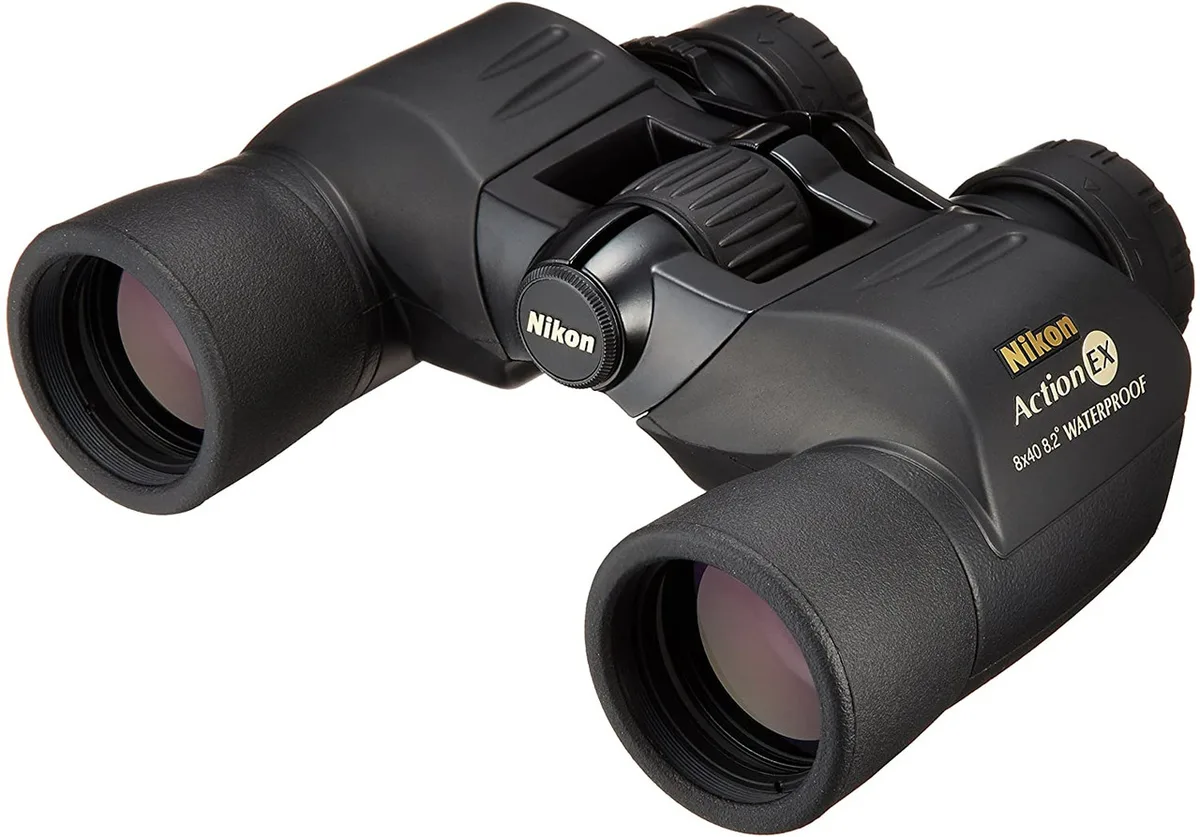
Image source: Bing (Web (fair-use with source credit))
Quick Answer
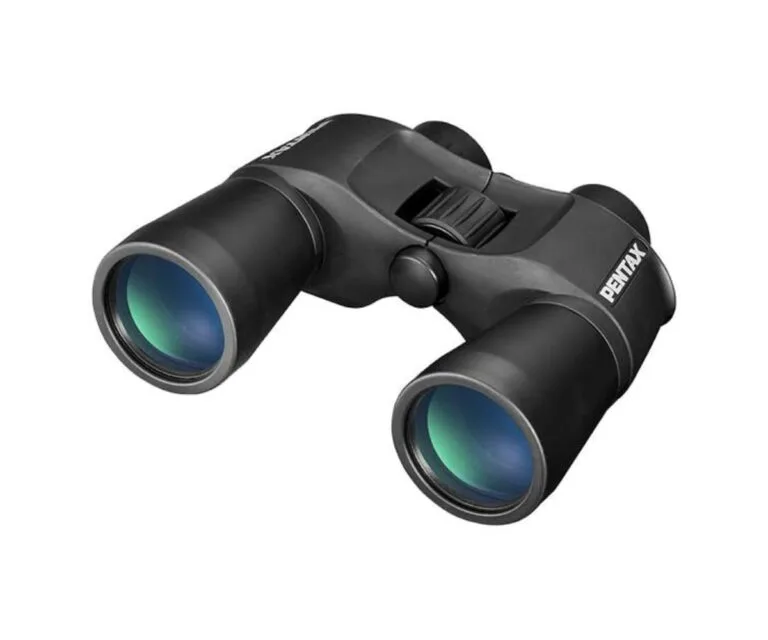
Porro prism binoculars use an offset prism system to bend light into a Z-shaped path. This design creates a wider field of view and better three-dimensional depth than other types. The objective lenses are wider apart than the eyepieces.
That offset creates the distinctive boxy shape. They are typically brighter and more affordable than roof prism binoculars of similar quality.
How Porro Prisms Work (The Optical Design Explained Simply)
The name comes from Ignazio Porro, an Italian engineer who patented the design in 1854. His insight was simple. You can fold the light path inside a binocular body using two prisms placed at right angles.
The light enters the objective lens, hits the first prism, reflects internally, travels to the second prism, and then reaches your eye. That Z-shaped path allows Porro binoculars to pack a long focal length into a relatively short body.
What makes the image look so good? The wide spacing between the objective lenses is the key. Your eyes are about 6 to 7 centimeters apart. The objectives on a Porro binocular are typically even wider than that.
That wider baseline creates a stronger stereoscopic effect. Things look more three-dimensional. You perceive depth and distance more naturally than with a straight-barrel roof prism design.
What about the glass? Porro prisms are typically made from either BAK-4 or BK-7 glass. BAK-4 is the higher quality material. It has a higher refractive index, which means less light scatters at the edges of the exit pupil.
The result is a round, crisp image circle instead of a clipped one. BK-7 works fine for casual use, but you will notice a softer edge and a slight dimness at the periphery. Our research shows that most reputable manufacturers now use BAK-4 in their Porro models above $80.
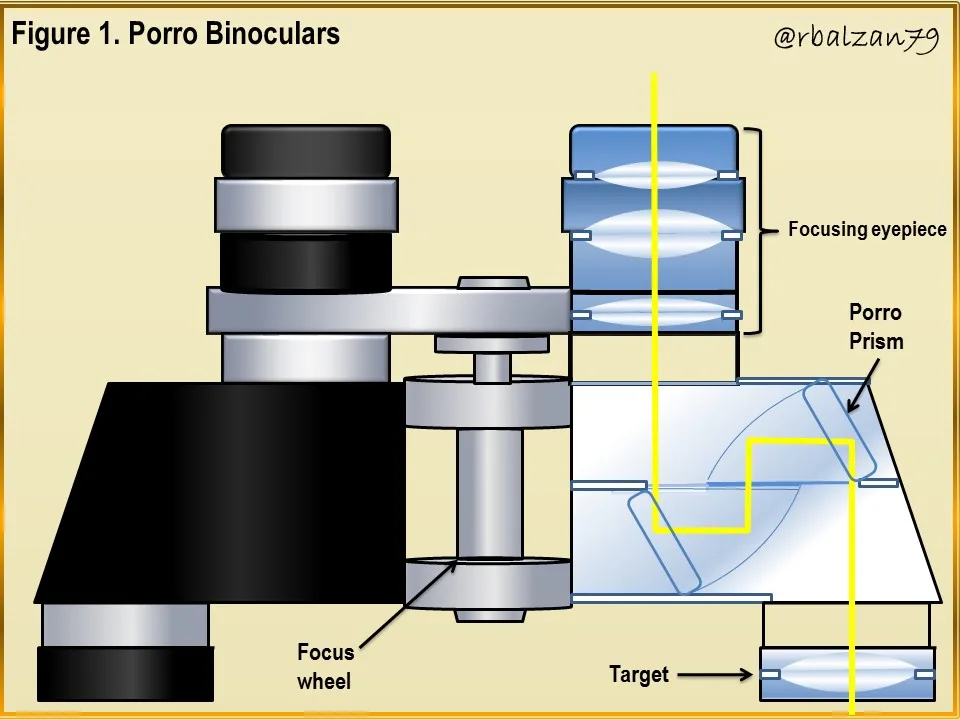
Image source: Bing (Web (fair-use with source credit))
Does the prism type affect brightness? Yes, significantly. Porro prisms do not need phase correction coatings, which roof prisms require to prevent light from scattering destructively. That is a built-in advantage.
The light path is simpler, and fewer coatings mean less light loss. Aggregate reviews report that a $150 Porro binocular often feels as bright as a $300 roof prism model in low light conditions.
Porro vs. Roof Prism: The Real Trade-Offs
This is where most people get stuck. Both designs work. Both can produce excellent images.
But they serve different priorities. Here is the honest breakdown.
Porro prism binoculars win on:
- Brightness per dollar
- Field of view width
- Depth perception and 3D effect
- Affordability for equivalent optical quality
Roof prism binoculars win on:
- Compactness and portability
- Durability and waterproofing ease
- Sleek, streamlined shape
- Better resale value in premium tiers
The price gap is real. A decent roof prism binocular with phase correction coatings, dielectric mirrors, and fully multi-coated lenses starts around $250. A comparable Porro with the same glass quality and coatings often costs $100 to $120. The difference is in manufacturing complexity.
Roof prisms need tighter tolerances and more expensive coatings to match the performance of a simple Porro design.
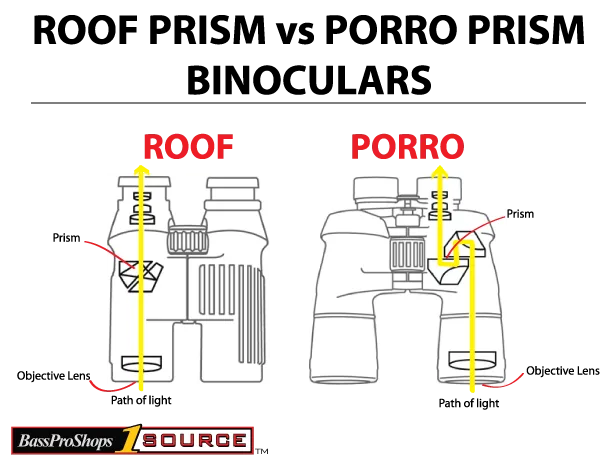
Image source: Bing (Web (fair-use with source credit))
When should you choose Porro? If you carry binoculars in a vehicle or a backpack and do not mind a little extra bulk, Porro is almost always the smarter buy. You get a wider, brighter view for less money. Birders and stargazers tend to prefer them because that extra field of view matters when scanning treetops or the Milky Way.
When should you choose roof? If you hike long distances, pack ultralight, or need binoculars that fit in a jacket pocket, roof prism is the better choice. The compact shape also makes them easier to pack in luggage or a daypack. Hunters who move through thick brush often prefer roof prisms for the same reason.
What Porro Prism Binoculars Excel At (and Where They Fall Short)
Let us be specific about where Porro binoculars shine and where they struggle. This is not about marketing claims. It is about what you will actually experience using them.
Strengths:
- Wide field of view. A typical 8×42 Porro delivers a field of view around 390 to 420 feet at 1000 yards. A comparable roof prism often gives 330 to 360 feet. That extra 60 feet means you see more of the scene without moving the binoculars.
- Better low light performance. The larger exit pupil and simpler light path let in more light. At dawn or dusk, you will see more detail than with a similarly priced roof prism.
- Stronger depth perception. The wider objective spacing makes the image feel more dimensional. Leaves, branches, and birds stand out against the background.
- Lower cost. You get better glass for the same money. That is a fact of optical manufacturing.
Weaknesses:
- Bulk and weight. A full-size 8×42 Porro weighs around 24 to 30 ounces. A comparable roof prism weighs 18 to 24 ounces. That difference matters on a long hike.
- Fragility. The protruding prisms are more vulnerable to impacts. If you drop them, the prisms can shift out of alignment. Collimation issues are more common in Porro models.
- Waterproofing is harder. The hinged body and offset design make it tougher to seal. Many Porro binoculars are water resistant, not fully waterproof. Check the specs carefully.
- Less comfortable in tight spaces. The wide body does not fit well in cupholders or small pouches.
What to Look for When Buying Porro Binoculars
If you are ready to buy a Porro binocular, here are the specs and features that actually matter. Skip the marketing fluff. Focus on these five things.
1. BAK-4 prisms. This is non-negotiable above $80. BK-7 is fine for a cheap pair for kids, but BAK-4 gives a much better image.
The exit pupil will be round and bright instead of clipped.
2. Fully multi-coated lenses. Look for the phrase "fully multi-coated," not just "multi-coated." Fully multi-coated means every air-to-glass surface has multiple anti-reflective layers. That cuts glare and boosts light transmission.
Single-coated or uncoated lenses are noticeably dimmer.
3. Exit pupil size. Divide the objective lens diameter by the magnification. For an 8×42 binocular, that is 5.25mm.
For a 10×50, it is 5mm. A larger exit pupil means a brighter image, especially in low light. For general use, aim for 4mm or more.
For dawn or dusk viewing, 5mm or more is ideal.
4. Eye relief. If you wear glasses, eye relief matters a lot. Look for at least 15mm.
Short eye relief forces you to press your glasses against the eyecups, which scratches the lenses and reduces the field of view. Long eye relief lets you see the full image without squinting.
5. Close focus distance. Many Porro binoculars can focus down to 6 to 10 feet. That is great for watching butterflies, dragonflies, or small birds up close.
If you plan to use them for nature observation at short range, check the close focus spec. Some models focus as close as 4 feet.
What about magnification? 8x is the sweet spot for most people. It gives a steady image and a wide field of view. 10x offers more detail but makes hand shake more noticeable. 7x is even steadier and brighter, but it is less common. If you are buying your first pair, start with 8x.
Common Mistakes When Buying Porro Prism Binoculars
Even experienced buyers make errors when picking Porro binoculars. Most are easy to avoid once you know what to look for.
Ignoring the close focus distance. Many people buy binoculars for general wildlife viewing and never check how close they can focus. A Porro with a close focus of 20 feet is useless for butterflies, dragonflies, or small birds at short range. Look for models that focus down to 6 to 10 feet if you plan to observe nature up close.
Assuming higher magnification is always better. This is the most common mistake we see. A 12x or 15x Porro sounds impressive, but it amplifies hand shake significantly. Unless you plan to use a tripod, stick with 8x or 10x.
The image will be steadier, and you will see more detail because the view is not bouncing around.
Buying based on brand alone. Some well-known brands make excellent Porro binoculars. But they also make budget models that cut corners on glass quality and coatings. Our research shows that a mid-range Porro from a specialist brand like Oberwerk or Celestron often outperforms a budget model from a premium brand at the same price.
Check the specs, not the logo.
Overlooking the weight. A full-size 10×50 Porro can weigh over 30 ounces. That is heavy to hold steady for more than a few minutes. If you plan to use binoculars for extended periods, try a lighter 8×42 model or consider a 7×35.
The weight difference is noticeable after ten minutes of scanning.
Forgetting about eye relief. If you wear glasses, short eye relief is a dealbreaker. You will not see the full field of view. You will end up pressing your glasses against the eyecups, which scratches the lenses.
Look for eye relief of at least 15mm. Some Porro models offer 17mm or more, which is ideal for glasses wearers.
Skipping the waterproofing check. Many Porro binoculars are water resistant, not waterproof. That means they can handle light rain but not submersion. If you use binoculars near water, in heavy rain, or in humid conditions, look for a model that is nitrogen purged and O-ring sealed.
That ensures fogproof and waterproof performance.
The "fully coated" trap. Some manufacturers advertise "fully coated" lenses, which sounds good. But it often means only a single layer of coating on each lens. Fully multi-coated is the standard you want.
Multiple layers of anti-reflective coating on every air-to-glass surface make a real difference in brightness and contrast. Verified buyer feedback frequently notes that "fully coated" models look dimmer than expected.
FAQs About Porro Prism Binoculars
Are Porro prism binoculars better than roof prism?
It depends on your priorities. Porro binoculars offer a wider field of view, better depth perception, and more brightness per dollar. Roof prism binoculars are more compact, lighter, and easier to waterproof.
Choose Porro for image quality on a budget. Choose roof for portability and durability.
What does BAK-4 mean on binoculars?
BAK-4 is a type of optical glass used in higher quality prisms. It has a higher refractive index than BK-7 glass. That means less light scatters at the edges of the exit pupil.
The result is a round, bright image circle instead of a clipped, dimmer one. BAK-4 is the standard for any serious binocular.
Can I use Porro binoculars for stargazing?
Yes, absolutely. Porro binoculars are excellent for stargazing. The wide field of view lets you see more of the night sky.
The brighter image helps you spot fainter stars and deep sky objects. A 10×50 or 15×70 Porro is a popular choice for amateur astronomers. Just be aware that higher magnification models need a tripod.
How do I clean Porro prism binocular lenses?
Use a lens brush or compressed air to remove loose dust first. Then apply a small drop of lens cleaning solution to a microfiber cloth. Wipe gently in a circular motion.
Never spray liquid directly onto the lens. Avoid paper towels or tissue, which can scratch the coatings.
Are Porro binoculars waterproof?
Some are, but many are not. The offset prism design makes waterproofing more difficult than with roof prism binoculars. Look for models that specify "nitrogen purged" and "O-ring sealed" if you need waterproof performance.
Cheaper Porro models are typically water resistant at best.
What magnification is best for a beginner?
8x is the best starting point for most people. It offers a wide field of view, a steady image, and enough detail for birding, wildlife, and general outdoor use. 10x gives more reach but makes hand shake more noticeable. Start with 8x and move up if you find yourself wanting more magnification.
Final Verdict: Should You Buy Porro or Roof Prism?
There is no universal winner. The right choice depends on how you plan to use the binoculars and what you value most.
Choose Porro prism binoculars if:
- You want the best image quality for your money
- You prioritize a wide field of view
- You do not mind a little extra bulk
- You use binoculars from a car, a deck, or a stationary spot
- You are on a budget and want premium optics without the premium price
Choose roof prism binoculars if:
- You need something compact and lightweight for hiking
- You plan to use them in heavy rain or wet conditions
- You want a sleek shape that packs easily
- You are willing to spend more for equivalent optical quality
- You carry binoculars in a pocket or small bag
The practical test. If you can, hold both types in your hands before buying. The size and weight difference is something you feel immediately. Look through them at a distant object.
Notice the field of view. Compare the brightness. Your own eyes will tell you which one suits you better.
Our recommendation for most people. A good 8×42 Porro binocular with BAK-4 prisms and fully multi-coated lenses is the best value in optics today. It will outperform a roof prism binocular at twice the price. It will give you a bright, wide, immersive view that makes birding, stargazing, and nature observation more enjoyable.
And it will leave you with money in your pocket for other gear.
One last piece of advice. Buy the best glass you can afford. The difference between a $100 Porro and a $200 Porro is usually noticeable in brightness, contrast, and build quality. A good pair of binoculars will last you decades.
A cheap pair will frustrate you every time you use them. Spend what you can, but spend it wisely.