What Does 10×42 Mean on Binoculars
You’ve probably seen the numbers “10×42” stamped on a pair of binoculars and wondered what they actually mean. It’s one of the most common spec combinations out there, but if you’ve ever grabbed a pair and thought “why is this so shaky?” or “this view is narrower than I expected,” the answer is right there in those two numbers.
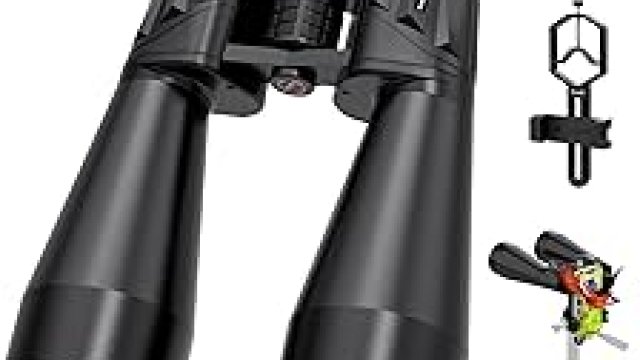
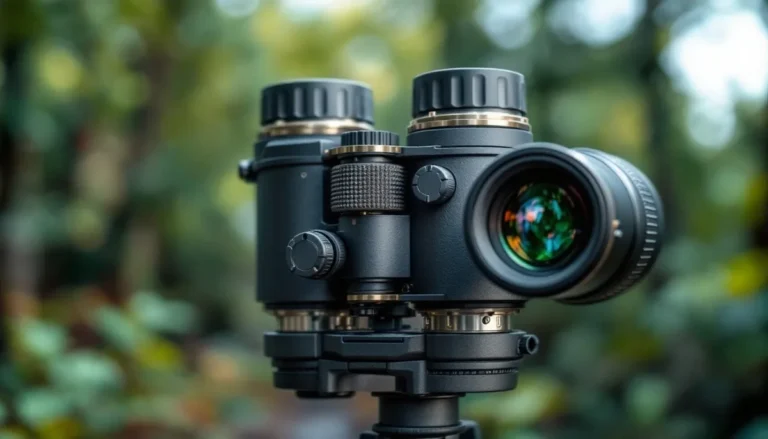
Here’s the short version: 10×42 tells you how much things are magnified and how much light the lens lets in. The “10” means 10× magnification, and the “42” is the diameter of the objective lens in millimeters. That combination creates an exit pupil of 4.2mm, which is the width of the beam of light hitting your eye. As of 2026, 10×42 binoculars remain the most popular all-rounder for outdoor observation, balancing reach with brightness.
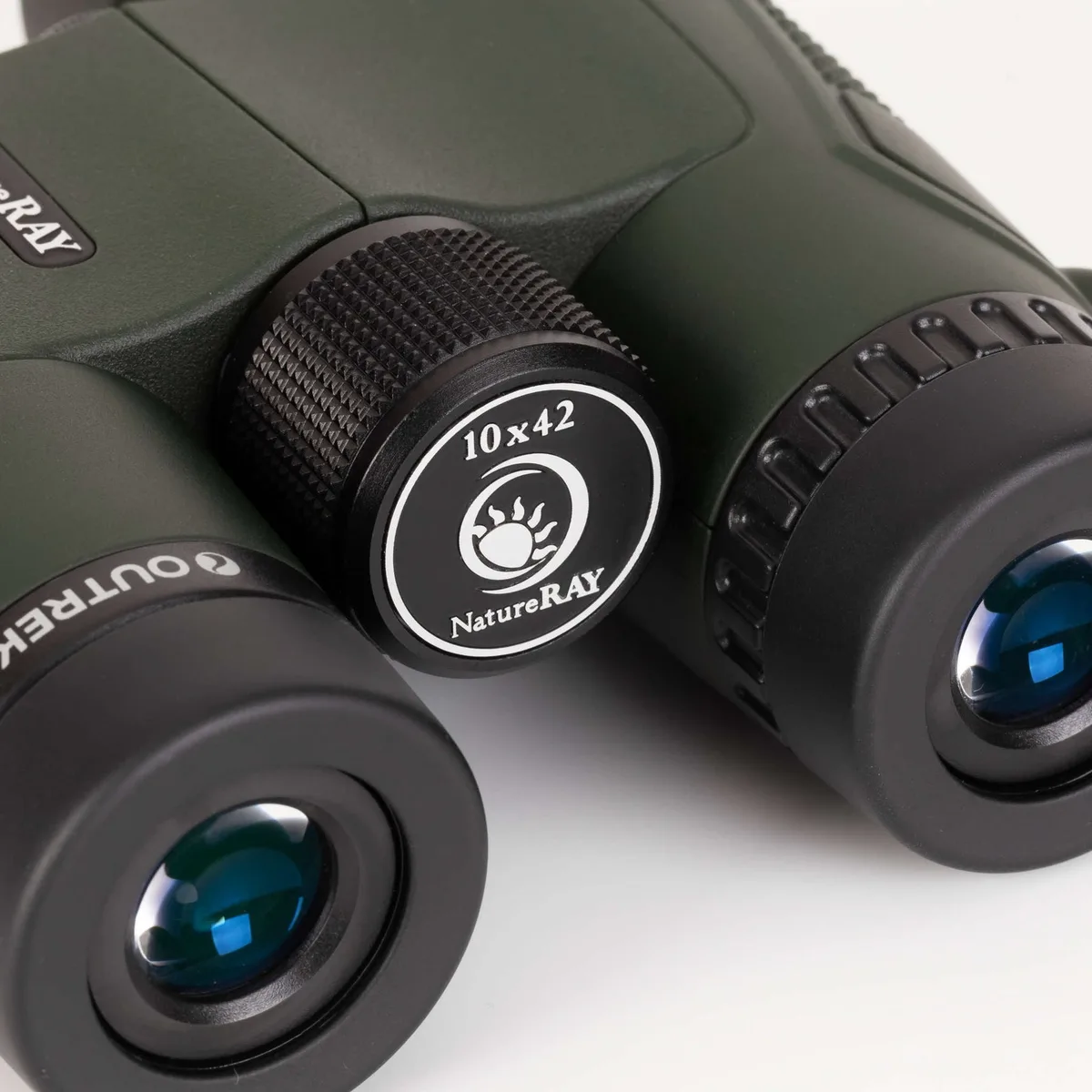
Image source: Bing (Web (fair-use with source credit))
Quick Answer
“10×42” means 10x magnification and 42mm objective lens. The magnification makes distant objects appear ten times closer. The 42mm lens gathers enough light for dawn and dusk use.
The exit pupil is 4.2mm (42 ÷ 10). That’s a good size for daytime and twilight. It’s a versatile spec for birding, hunting, and general wildlife watching.
Core Explanation / How It Works: The Two Numbers That Define Your View
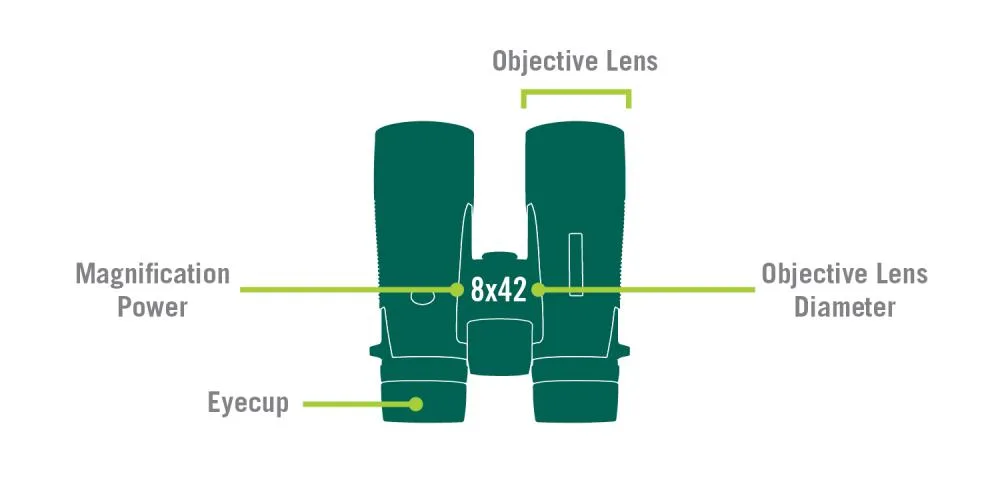
Image source: Bing (Web (fair-use with source credit))
Let’s break those numbers down so they actually make sense the next time you pick up a pair.
The first number: magnification (10×)
Magnification tells you how much closer an object appears compared to what you see with your naked eye. At 10×, a deer standing 100 yards away looks like it’s 10 yards away. Simple enough.
But here’s the catch: higher magnification also amplifies every tiny movement of your hands. That’s why 10× binoculars feel “shaky” compared to an 8× pair. If you’ve got steady arms or you’re using a tripod, it’s fine.
If you’re prone to coffee jitters, 10× might frustrate you.
The second number: objective lens diameter (42mm)
The 42mm lens at the front of each barrel is the light collector. Bigger lenses let in more light, which means brighter images in low light. A 42mm objective is a good middle ground: it’s big enough for twilight viewing but not so huge that the binoculars become a burden to carry.
The exit pupil: where the numbers come together
The exit pupil is the circle of light that reaches your eye. You can see it by holding the binoculars at arm’s length and looking at the eyepieces. A bright little dot.
That’s the window into the image.
To calculate exit pupil, you divide the objective lens diameter by the magnification:
42 ÷ 10 = 4.2mm
That 4.2mm exit pupil is the sweet spot for daytime and twilight use. Human pupils dilate to about 5, 7mm in the dark, so 4.2mm is slightly smaller. It works well for most conditions, but if you’re doing serious stargazing, you might want a bigger exit pupil (like a 10×50’s 5mm).
For birding in good light, 4.2mm is plenty.
Per the ISO 14132 standard for optical instruments, the exit pupil directly affects image brightness. A smaller exit pupil means a dimmer image in low light. A larger one (up to your eye’s pupil size) gives you more brightness.
How the two numbers work together
You can’t just look at magnification or lens size in isolation. A 10×42 gives you reach and decent light gathering. Compare that to a 10×32 (smaller lens, dimmer) or a 10×50 (bigger lens, brighter but heavier).
The 42mm lens is the most popular compromise between weight and light performance.
Comparison / Alternatives / Options: 10×42 vs 8×42 – The Classic Trade-Off
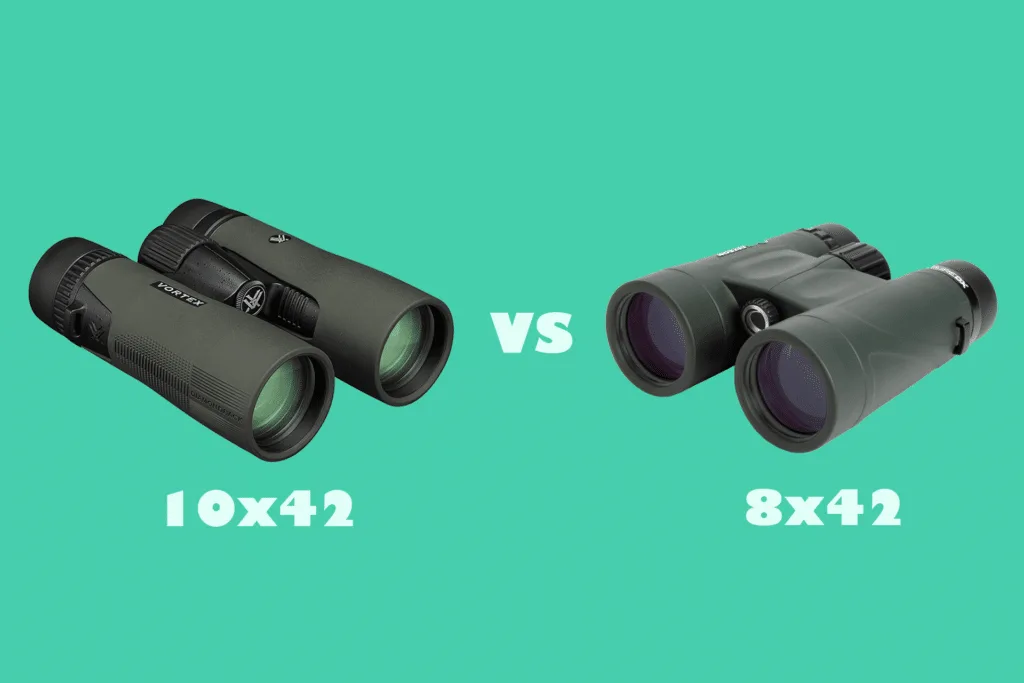
Image source: Bing (Web (fair-use with source credit))
If you’re shopping for binoculars, you’ve almost certainly run into the 8×42 vs 10×42 debate. It’s the most common fork in the road. Let’s settle it.
Side-by-side: 10×42 vs 8×42
| Feature | 10×42 | 8×42 |
|---|---|---|
| Magnification | 10x | 8x |
| Objective lens | 42mm | 42mm |
| Exit pupil | 4.2mm | 5.25mm |
| Field of view (typical) | 5.5° – 6.5° | 7° – 8.5° |
| Handheld stability | Needs steady hands, easy to shake | More forgiving, less shake |
| Low-light performance | Good | Better (larger exit pupil) |
| Weight | Typically 20–30 oz | Similar (same objective size) |
| Best for | Distant birds, open terrain, stargazing | Close to mid-range birding, hiking, general use |
Who each one is best for
Choose 10×42 if you:
- Spend most of your time in open areas (fields, coastlines, mountains)
- Want to see fine details on faraway birds or animals
- Are willing to use a tripod for long sessions
- Don’t mind a narrower field of view
- Have relatively steady hands
Choose 8×42 if you:
- Do most of your viewing in forests or dense brush
- Prefer a wider, more immersive view
- Struggle with hand shake (8× magnifies shake less)
- Do a lot of handheld observation for long periods
- Want better performance in low light (dawn, dusk, dense canopy)
What the numbers don’t tell you
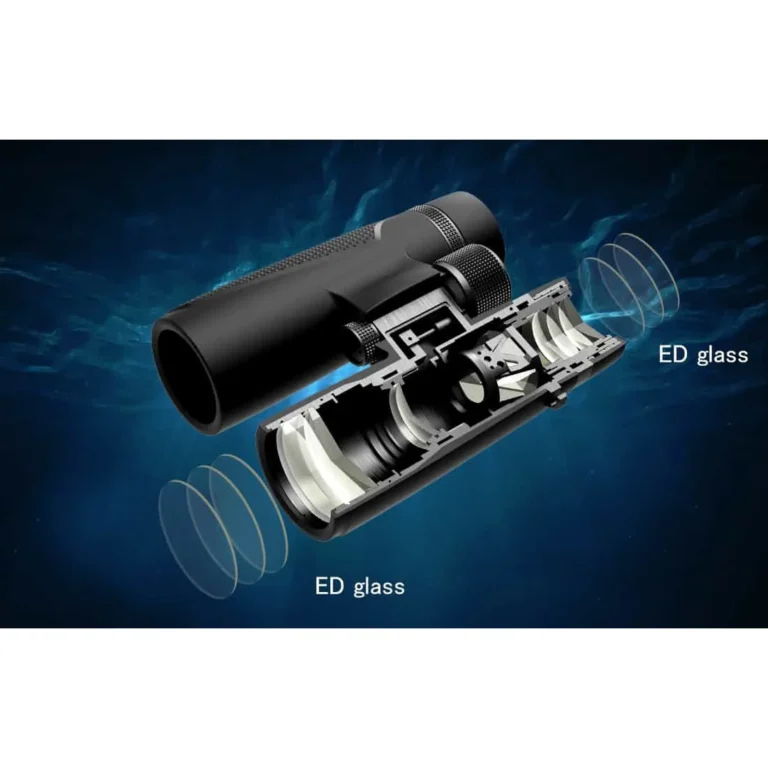
The magnification and objective lens are just the start. Two binoculars can both be 10×42 and perform totally differently. Glass quality, coatings, prism type, and build quality matter a lot.
A cheap 10×42 might have poor coating that makes images dim and blurry. A high-end 10×42 will be bright, sharp, and color-accurate.
Manufacturer specs confirm that multi-coated optics and phase-corrected prisms (for roof prism designs) make a bigger difference in real-world use than the raw numbers. So don’t fixate on “10×42” alone. Pair it with quality.
Benefits & Drawbacks / Pros and Cons: When 10×42 Shines – and When It Falls Short
No spec is perfect for everyone. Here’s the honest breakdown of where 10×42 excels and where it might let you down.
The pros
- Great reach for distance. If you’re scanning a mountainside or watching shorebirds from a distance, 10× pulls in details you’d miss with 8×.
- Solid light gathering. A 42mm objective works well in early morning and late afternoon. You won’t be left in the dark.
- Widest selection of models. Because 10×42 is so popular, you’ll find options at every price point from budget to premium. That means more choices for features like waterproofing, lens coatings, and weight.
- Versatile across activities. It works for birding, hunting, general wildlife, sports, and even basic astronomy (moon and bright star clusters).
- Tripod-friendly if you want. Most 10×42s have a threaded socket for a tripod adapter. That turns them into a stable long-range observing tool.
The cons
- Hand shake is real. At 10×, every small movement is magnified. If you’re not used to it, or if you’re tired, the image can bounce around. Some people find it disorienting.
- Narrower field of view. You see less of the scene compared to an 8× or 7×. That makes it harder to track fast-moving birds or follow a running animal.
- Heavier than compact options. Full-size 10×42s typically weigh 20, 30 oz. That’s not bad for a day hike, but for ultralight backpacking, you might prefer a 10×32 or 8×32.
- Not ideal for very close subjects. The close focus distance on many 10×42s is 6, 10 feet. That’s fine for most uses, but if you’re into butterflies or dragonflies, a shorter close focus (like from a 10×25) might be better.
- Dim in very low light compared to 8×42. Because the exit pupil is smaller (4.2mm vs 5.25mm), your eyes get less light. In deep twilight, the 8×42 has an edge.
The trade-off in one sentence
You trade a slightly narrower, slightly shakier view for more magnification. If you can handle the shake, you get more detail at a distance.
Use Cases / Best For / Who It’s Right For: Should You Buy 10×42?
Let’s match 10×42 to real activities. This will help you decide if it’s right for your style.
Birdling (medium to long distance)
If you bird in open habitats like marshes, beaches, or grasslands, 10×42 is a strong choice. You can identify birds at 150+ yards. For forest birding in dense canopy, the narrower field becomes a downside, you’ll struggle to follow a bird flitting through branches.
For forest birding, 8×42 is usually better.
Aggregate reviews from birding communities show that experienced birders often own both: 8×42 for close woods, 10×42 for open country. If you can only buy one, consider where you bird most.
Hunting (open country, dawn/dusk)
For hunting deer, elk, or pronghorn on open plains or mountain slopes, 10×42 is a staple. The extra magnification helps you check distant antlers or spot bedded animals. The 42mm lens is bright enough for legal shooting light (typically 30 minutes before sunrise to 30 minutes after sunset).
One catch: if you’re hunting in dense forest (e.g., whitetail in thickets), the narrower field can cost you a shot opportunity. Many hunters in those areas prefer 8×42.
Basic stargazing (moon, bright planets, star clusters)
10×42 can give you a nice view of the moon, Jupiter’s moons, and star clusters like the Pleiades. The 4.2mm exit pupil is small for deep-space objects (nebula, galaxies), but for casual stargazing, it works. Pair it with a tripod and you’ll see details you miss with 8×.
Travel and sightseeing
If you’re visiting a national park, a lookout point, or a city skyline, 10×42 is portable enough for a day pack. It’s a bit heavy for minimalist travel, but it’s not a burden. The extra reach is great for spotting wildlife or reading distant signs.
Who should NOT get 10×42
- People with significant hand tremors or unsteady arms (opt for 8× or image-stabilized)
- Birders who work primarily in dense forest or close-range woodland
- Ultra-light backpackers (choose 10×32 or 8×32)
- Someone on a tight budget (cheap 10×42 often has poor optics and shake problems; you’re better off with a quality 8×32 at the same price)
The best way to decide: try them. Visit a store, test a 10×42 and a 8×42 looking at a distant sign. Hold them for a full minute.
Notice how shaky the 10× feels. If you can keep the image steady, you’re golden. If your arms are wobbling, step down to 8×.
Mistakes to Avoid / Common Errors
People make the same three mistakes when buying 10×42 binoculars. Skip these and you’ll get the right pair the first time.
Mistake 1: Focusing only on magnification
Many shoppers think more magnification is always better. They grab a 10× without considering the trade-offs. Then they wonder why the view is shaky and narrow.
Magnification matters, but usability matters more. If you can’t hold it steady, the extra power is useless.
Mistake 2: Ignoring eye relief
Eye relief is the distance your eye needs to be from the eyepiece to see the full field. For eyeglass wearers, 15mm or more is essential. Many 10×42 models fall in the 15, 20mm range, but some budget options dip below 14mm.
If you wear glasses, check the spec before buying.
Mistake 3: Buying cheap optics
A $50 pair of 10×42 binoculars sounds like a deal. It’s not. Cheap glass often has poor coatings, low-quality prisms, and misaligned barrels.
The image can be soft, dim, or even double-vision-inducing. You’re better off with a well-built 8×32 at the same price than a bargain 10×42.
Expert Tips / Pro Advice
Here’s what experienced users know that beginners often don’t.
Test for hand shake before you buy
Stand in the store, look through the binoculars at a distant sign, and hold them for 60 seconds. If the image wobbles more than a few inches, the magnification is too high for your hands. Try an 8× instead.
Use a tripod for long sessions
For stargazing or scanning a ridge for 20+ minutes, mount the binoculars on a tripod. Most 10×42 models have a 1/4-20 threaded socket (the same as a camera tripod). A basic tripod adapter costs around $15.
It eliminates shake entirely.
Learn the diopter adjustment
The diopter ring (usually on the right eyepiece) lets you balance the focus between your two eyes. To set it: cover the right objective lens, focus with the center wheel, then switch and adjust the diopter ring alone. Do this once, then don’t touch it.
Keep the lens caps on when not in use
Even a fingerprint degrades image quality. Dust and moisture damage coatings over time. Store 10×42 binoculars with both objective and eyepiece caps on.
Clean lenses only with a brush or microfiber cloth.
Frequently Asked Questions
What does the “42” in 10×42 mean?
It’s the diameter of the objective lens in millimeters. Larger numbers mean more light gathering. A 42mm lens is a good balance between brightness and portability.
Is 10×42 good for birding?
Yes, for open-country birding. For forest birding, the narrower field can make it hard to follow birds in thick foliage. Many birders own both 8×42 and 10×42 for different habitats.
Can I use 10×42 for stargazing?
Yes, for the moon, planets, and bright star clusters. For deep-sky objects like nebulae, a larger objective (50mm) or a dedicated astronomy binocular is better. A tripod helps a lot.
Are 10×42 binoculars too heavy for hiking?
They weigh 20, 30 oz (about 1.3 to 1.9 pounds). That’s fine for day hikes. For multi-day backpacking, lighter options like 10×32 or 8×32 might be better.
How do I know if 10× is too shaky for me?
Hold a pair steady and look at a distant object for 30 seconds without resting your arms on anything. If the image bounces enough to make reading a sign hard, 8× would be more comfortable.
Final Recommendation / Verdict / Decision Guide
So, should you get 10×42?
Get 10×42 if you:
- Watch birds or wildlife in open areas
- Hunt in fields, prairies, or mountain slopes
- Want extra reach for distant subjects
- Have steady hands or will use a tripod
Skip 10×42 if you:
- Spend most of your time in dense forest
- Struggle with shaky hands
- Need an ultralight packable set
- Are on a tight budget (buy quality 8×32 instead)
The bottom line
10×42 is a solid all-round choice for anyone who values reach and doesn’t mind a slight trade-off in steadiness and field width. The numbers tell you the basic specs, but your own hands and typical environment should decide the final call. Try before you buy.
That’s the best advice we can give.