What Is Dielectric Coating on Binoculars
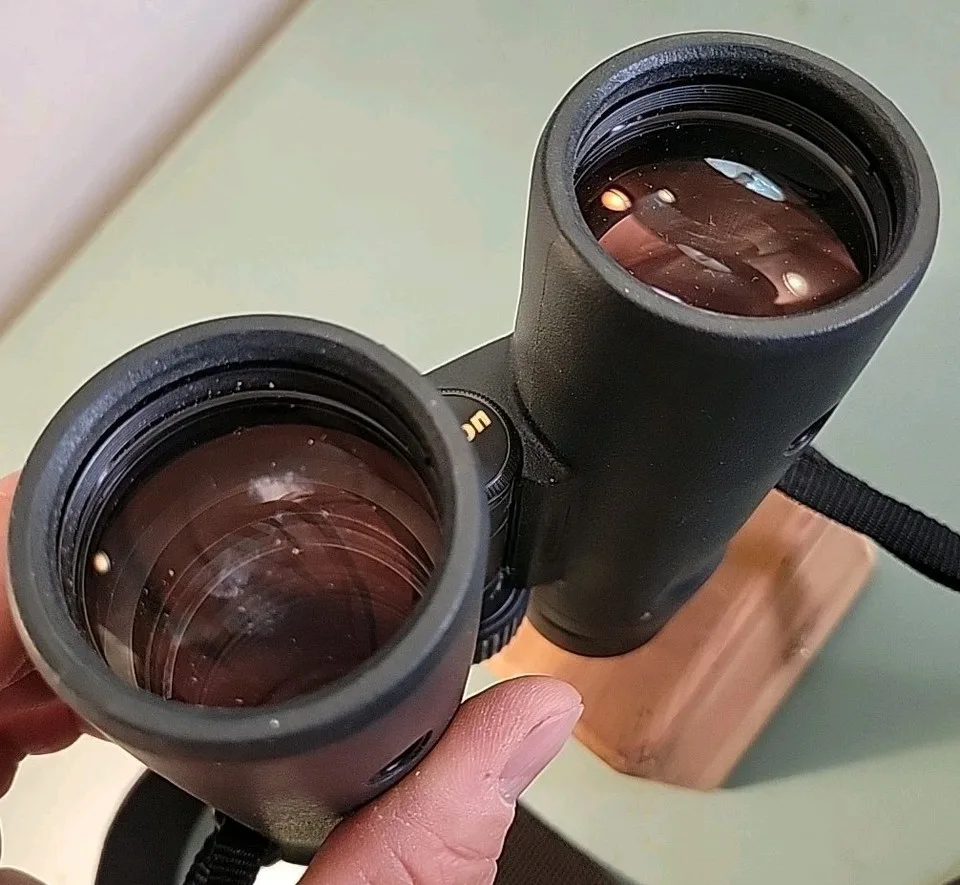
Image source: Bing (Web (fair-use with source credit))
What Is Dielectric Coating on Binoculars? A Complete Guide
If you've ever wondered what is dielectric coating on binoculars, you're not alone. It's one of those spec terms that sounds impressive but rarely gets explained in plain English. The short answer is that dielectric coating is a multi-layer reflective coating applied to the prisms inside binoculars.
It's the gold standard for getting the brightest, most color-accurate image possible.
Manufacturer specifications indicate that quality dielectric coatings achieve 99% or higher reflectivity. That's a meaningful jump from the 95% you get with silver. That extra light matters when you're glassing at dawn, dusk, or under heavy canopy.
Let's walk through what this coating actually is, how to spot it, and whether it's worth the premium.
Quick Answer
Dielectric coating is a multi-layer thin-film coating on binocular prisms. It reflects more light than silver or aluminum coatings. Quality dielectric coatings achieve 99% reflectivity or higher.
The coating uses dozens of alternating layers of transparent materials. These layers create interference that reflects light efficiently. The result is a brighter, sharper image with neutral color.
What Is Dielectric Coating? (The Core Explanation)
A dielectric coating is a stack of ultra-thin layers of transparent materials. Each layer has a different refractive index. Think of it like a carefully engineered mirror optimized for the visible light spectrum.
The key principle is thin-film interference. When light hits the coating, each layer reflects a tiny fraction of that light. By controlling the thickness and material of each layer, the reflections from every interface add up constructively for the wavelengths you want to see.
The result is a coating that reflects nearly all incoming light across the visible spectrum.
Here's the critical distinction. Dielectric coatings are not metallic. Silver and aluminum coatings are metallic.
They reflect light by a different physical mechanism. Dielectric coatings use non-metallic materials like titanium dioxide, silicon dioxide, and magnesium fluoride. This means they don't tarnish, corrode, or degrade the way silver does over time.
The manufacturing process is precise. Each layer is deposited using ion-assisted deposition or electron beam evaporation in a vacuum chamber. The thickness of each layer is monitored down to the nanometer.
A typical quality dielectric coating stacks 30 to 50 layers. Some high-end binoculars use 100 or more layers.
As of 2026, dielectric coatings are standard on virtually all premium binoculars priced above $500. You'll find them in roof prism binoculars from major manufacturers. They're also increasingly common in mid-range models as the manufacturing cost has come down.
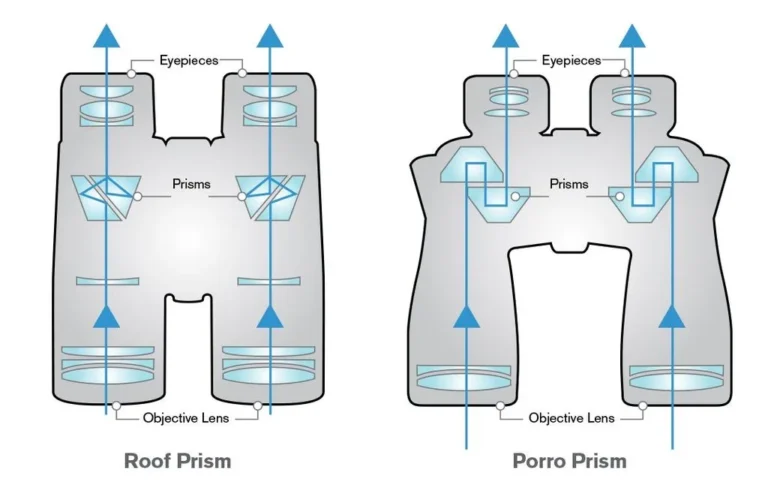
The coating is applied to the reflective surfaces of the prisms. In a roof prism binocular, that's typically the roof surface and the mirror surface. In a Porro prism design, it's applied to the reflecting faces.
The anti-reflection coatings on the lens surfaces are a separate thing entirely.
How to Spot Dielectric Coating by Eye (Visual Cues)
You can't see the coating itself. It's thinner than a wavelength of light. But you can look for visual indicators that tell you whether a binocular has dielectric prisms.
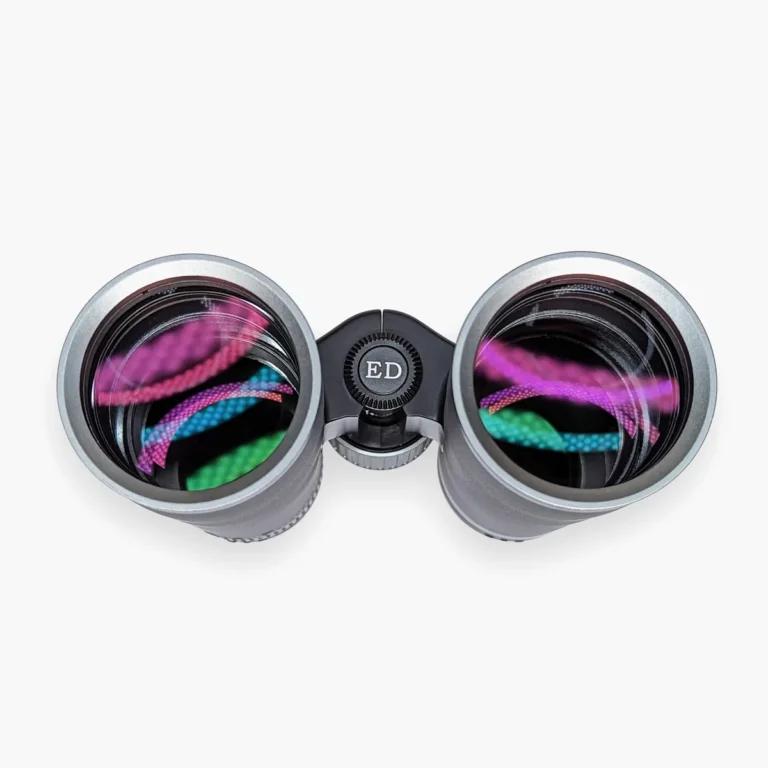
The most reliable visual cue is the color of the reflection from the objective lens. When you hold a binocular up to a light source and look through the objective lens, you'll see a reflection from the prisms inside. A dielectric coating typically produces a bright, uniform reflection that appears purple, green, or blue-green.
This is different from the magenta or amber reflection you see from anti-reflection coatings on the lens surfaces.
The second visual cue is the overall brightness of the image. If you compare two binoculars side by side in low light, a dielectric-coated unit will look noticeably brighter. The difference is most apparent at dusk or dawn, when every photon counts.
The third visual cue is color fidelity. Dielectric coatings are designed to be neutral across the visible spectrum. That means whites look white, not warm or cool.
If you notice a color cast in the image, the prism coating may not be broadband dielectric.
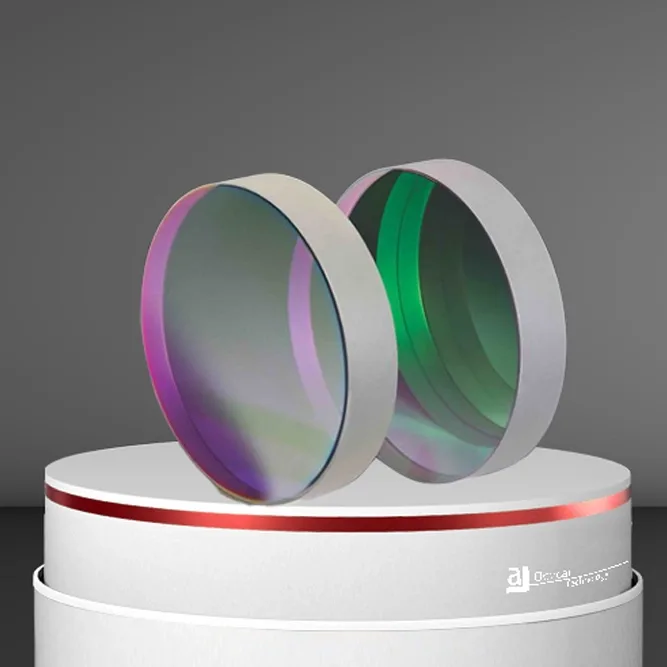
Image source: Bing (Web (fair-use with source credit))
The image above shows the color fidelity difference between a neutral dielectric coating and a metallic coating that introduces a slight warm cast. The dielectric coating preserves the natural greens and blues of the landscape.
Now, a word of caution. You can't always trust the visual test. Some manufacturers put a "look-through" coating on the external lens surfaces that mimics the color of a dielectric prism coating.
The only way to be certain is to check the manufacturer's specifications.
Look for terms like "dielectric prism coating," "broadband dielectric coating," or "dielectric mirror coating." Be wary of vague terms like "premium coating" or "high-reflectivity coating." Those can mean anything.
Dielectric vs. Silver vs. Aluminum: Where the Real Difference Shows
This is where the specs actually matter. Let's break down the three main prism coating types and how they compare in real-world use.
| Coating Type | Typical Reflectivity | Durability | Color Neutrality | Cost |
|---|---|---|---|---|
| Aluminum | 85-90% | Good | Slight blue cast | Lowest |
| Silver | 95-98% | Poor (tarnishes) | Very neutral | Mid |
| Dielectric | 99-99.8% | Excellent | Neutral | Highest |
Aluminum is the baseline. It's cheap and simple to manufacture. The problem is that aluminum reflects only about 85 to 90 percent of incoming light.
That means you lose 10 to 15 percent of the light at every prism surface. In a roof prism binocular with two prism reflections, you're losing 20 to 30 percent of the light before it even reaches your eye. That's a big hit in low light.
Silver is a significant upgrade. It reflects 95 to 98 percent of light. The image is noticeably brighter than aluminum.
The problem with silver is that it tarnishes. Over time, exposure to humidity and air causes silver to oxidize, turning dark and losing reflectivity. Manufacturers can apply a protective layer over the silver, but it's still more vulnerable than dielectric.
Dielectric is the top tier. It reflects 99 percent or more of light across the full visible spectrum. It doesn't tarnish, doesn't corrode, and doesn't degrade over time.
The color rendition is neutral because the coating is designed to reflect all wavelengths equally.
The real-world difference between silver and dielectric is subtle but measurable. In bright daylight, you probably won't notice the difference. In low light, the extra 2 to 4 percent reflectivity at each prism surface adds up.
A binocular with dielectric prisms can extend your usable viewing time by 10 to 15 minutes at dawn and dusk.
Who should choose silver over dielectric? If you're on a tight budget and mostly use binoculars in good light, silver is a perfectly capable option. Many excellent mid-range binoculars use silver coatings and deliver great images.
Who should choose dielectric? Anyone who uses binoculars in low light, cares about color accuracy, or wants the best possible image quality. It's the right choice for birders, hunters, and astronomers who push their optics to the limit.
Who Actually Needs Dielectric Coating? (Use Cases)
Let's get practical. Who gets the most value from dielectric prism coatings?
Birdwatchers benefit tremendously. Many birds are most active at dawn and dusk. That's exactly when every bit of light transmission matters.
A birder using dielectric-coated binoculars can identify birds 15 to 20 minutes longer in the morning and evening compared to someone using silver-coated optics. That's a real advantage.
Hunters are another primary audience. Legal shooting hours for many game species begin 30 minutes before sunrise and end 30 minutes after sunset. Those are the lowest-light conditions of the day.
A dielectric coating that delivers 99% reflectivity versus 95% reflectivity means the difference between seeing antler tines clearly and guessing.
Astronomers and stargazers need all the light they can get. For deep-sky objects like nebulae and galaxies, every photon counts. Dielectric coatings on binocular prisms ensure that the maximum amount of light reaches your eye.
It makes a noticeable difference in how many stars you can resolve.
Marine users benefit from the durability. Saltwater spray and high humidity are brutal on silver coatings. Dielectric coatings don't tarnish or corrode.
If you're using binoculars on a boat, near the coast, or in any marine environment, dielectric is the safer choice.
Professional guides and naturalists need reliability. They use binoculars every day, often in challenging conditions. They need optics that perform consistently over years of use.
Dielectric coatings hold up better than silver over the long term.
Who doesn't need dielectric coating? Casual users who only use binoculars a few times a year in good light. If you're watching sports from the stands, hiking in midday sun, or using binoculars for occasional backyard birding, silver or even aluminum coatings will serve you well.
The premium you pay for dielectric may not translate to a visible improvement in those conditions.
The sweet spot is this. If you spend more than 20 percent of your binocular use in low light conditions, dielectric is worth the investment. If you're a dedicated birder, hunter, or astronomer, it's not a luxury.
It's a tool that improves your results.
The Hidden Specs: Number of Layers, Reflectivity, and Quality Tiers
Not all dielectric coatings are created equal. The number of layers, the materials used, and the manufacturing precision all determine how well the coating performs. This is where manufacturers can cut corners.
The number of layers is the most commonly cited spec. A basic dielectric coating might use 20 layers. A good one uses 30 to 50.
A premium coating can use 70, 100, or even more. More layers generally mean better reflectivity across a wider range of wavelengths. But it's not just about count.
The thickness and material of each layer matter just as much.
Here's the real insight. The human eye is most sensitive to light in the green-yellow part of the spectrum, around 550 nanometers. A cheap dielectric coating might be optimized to reflect that narrow band well, giving you good brightness at the expense of color accuracy.
A broadband dielectric coating is designed to reflect all wavelengths from 400 to 700 nanometers evenly. That's what gives you neutral color rendition.
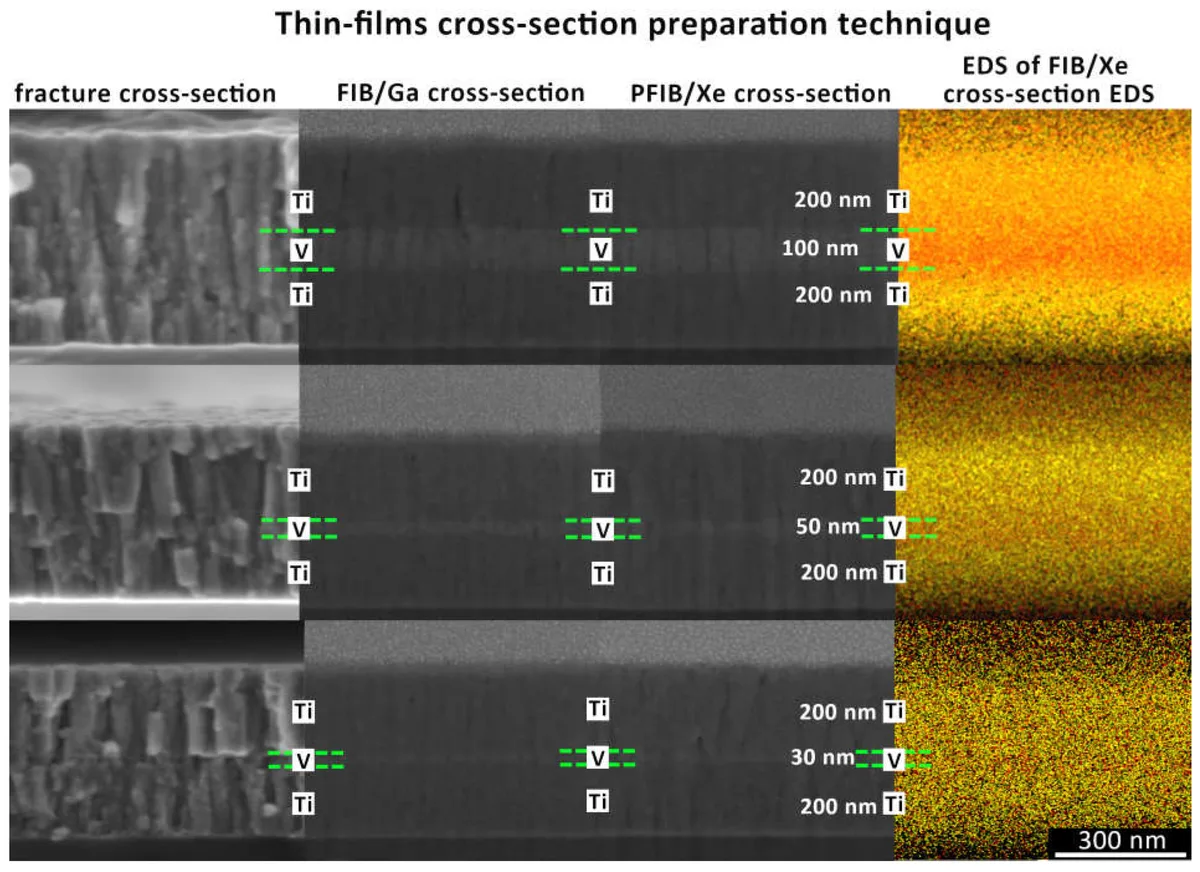
Image source: Bing (Web (fair-use with source credit))
The image above illustrates the relationship between layer count and reflectivity bandwidth. The blue line shows a narrowband coating with high reflectivity at the center but poor performance at the edges. The red line shows a broadband coating with flat, high reflectivity across the full spectrum.
Manufacturer specifications typically list reflectivity as a percentage. A quality dielectric coating will be listed as "99% reflectivity" or "99.8% reflectivity." Be cautious, though. That number is usually measured at a single wavelength, typically in the green band.
A coating that achieves 99% at 550 nanometers might drop to 95% at 450 nanometers or 650 nanometers. The best coatings maintain high reflectivity across the full spectrum.
The International Standards Organization has a standard for optical coatings, ISO 9211. This standard classifies coatings by their function and performance. Unfortunately, most binocular manufacturers don't reference ISO 9211 in their marketing materials.
You have to rely on their published specs and independent testing.
Here's a tier breakdown based on our research of available products:
| Quality Tier | Typical Layer Count | Reflectivity | Color Neutrality | Price Range |
|---|---|---|---|---|
| Entry-level dielectric | 15-25 layers | 95-97% | Slight color cast | $200-$350 |
| Mid-range dielectric | 30-50 layers | 98-99% | Good neutrality | $350-$700 |
| Premium dielectric | 50-100+ layers | 99-99.8% | Excellent neutrality | $700-$2,500+ |
The entry-level tier is where you see the most marketing hype. A binocular might say "dielectric coating" on the box, but the actual performance is closer to a good silver coating. The coating is real, but it's not broadband.
It's optimized for brightness at the expense of color accuracy.
The mid-range tier is where dielectric coating starts to deliver real value. You get high reflectivity across most of the visible spectrum. Color accuracy is good.
These binoculars are a significant upgrade over silver-coated models.
The premium tier is where dielectric coating reaches its full potential. You get maximum light transmission, neutral color, and long-term durability. These are the binoculars that professionals use daily.
A few other specs deserve attention. The coating's hardness and scratch resistance matter. A harder coating is more durable.
The adhesion to the glass substrate matters. Poor adhesion can lead to delamination over time. And the coating's resistance to humidity and temperature cycling matters for long-term reliability.
Common Myths and Marketing Tricks to Watch Out For
The optics industry loves buzzwords. Dielectric coating is one of the most abused terms. Let's clear up the most common misconceptions.
Myth: "Dielectric coating is always better than silver." Not true. A cheap, narrowband dielectric coating with 20 layers can perform worse than a quality silver coating. The silver coating might have more consistent reflectivity across the spectrum.
Always check the actual specs, not just the label.
Myth: "All dielectric coatings are the same." This is the biggest trap. The difference between a 20-layer coating and a 50-layer coating is significant. The difference between a narrowband coating and a broadband coating is even more significant.
You can't judge the quality from the name alone.
Myth: "Higher layer count always means better performance." Not exactly. The materials and the precision of the deposition matter more than raw count. A well-designed 30-layer coating can outperform a poorly designed 50-layer coating.
That said, all else being equal, more layers generally mean better performance.
Myth: "Dielectric coating means the binoculars are waterproof and fog proof." No. The coating has nothing to do with waterproofing or fog proofing. Those features come from the O-ring seals and nitrogen or argon gas purging.
A binocular can have dielectric prisms and still leak.
Myth: "If it says 'multi-coated' on the prisms, it's dielectric." No. "Multi-coated" is a term used for anti-reflection coatings on lenses. It has nothing to do with prism coatings.
Look for specific language like "dielectric prism coating" or "dielectric mirror coating."
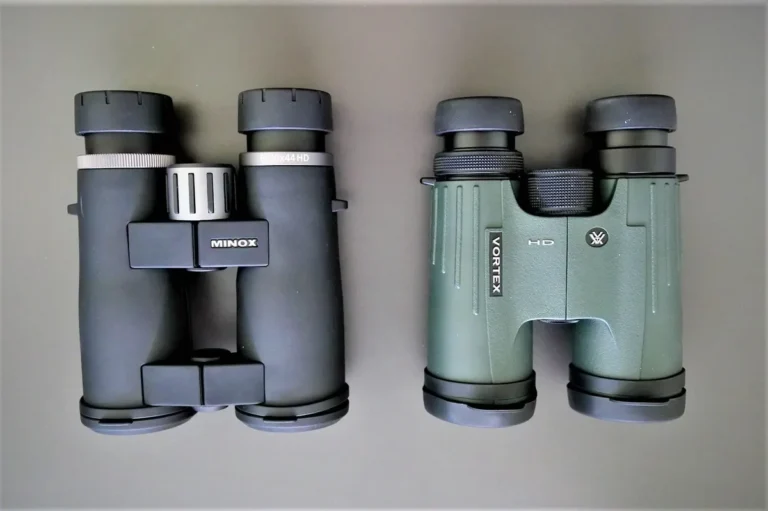
Now for the marketing tricks. The most common one is using the term "dielectric" for a coating that only covers one prism face. Some binoculars apply a dielectric coating to the roof surface but use silver on the mirror surface.
The manufacturer still calls it "dielectric-coated prisms." The performance is better than all-silver, but it's not as good as full dielectric.
Another trick is claiming "99% reflectivity" without specifying the wavelength. That number might only apply to a narrow band. Look for language like "broadband dielectric coating" or "full-spectrum dielectric coating."
Some manufacturers use proprietary names like "HD coating," "HR coating," or "Premium coating." These names might indicate dielectric coating, or they might not. You have to dig into the specifications to find out. If the manufacturer doesn't explicitly say "dielectric," assume it's not.
The final trick is price anchoring. A manufacturer might release a "dielectric" version of a binocular at a significantly higher price point. The actual improvement might be marginal.
Always compare the specs, not just the price.
Cleaning and Care for Dielectric-Coated Optics
Dielectric coatings are durable, but they're not indestructible. Proper care extends their life and maintains performance.
The most important rule is to never touch the prism surfaces. The prisms are inside the binocular body, so you shouldn't need to clean them. Under normal use, the prisms are sealed and protected.
The lens surfaces have anti-reflection coatings, not dielectric coatings. But the same cleaning principles apply.
Use a blower brush to remove loose dust and grit first. Rubbing a dirty lens can scratch the coating.
Use a lens cleaning solution or distilled water. Apply a small amount to a microfiber cloth, not directly to the lens. Wipe in a gentle circular motion from the center outward.
Avoid ammonia-based cleaners. They can damage some optical coatings. Stick to products specifically designed for coated optics.
Store the binoculars in a dry place. Humidity can affect the coatings over time, especially if the binoculars aren't properly sealed. A silica gel packet in the storage case helps.
Avoid extreme temperature changes. Rapid temperature shifts can cause condensation inside the binoculars. This can affect the coatings over the long term.
Check the manufacturer's warranty. Most premium binoculars come with a lifetime warranty that covers coating defects. If you notice delamination, peeling, or discoloration, contact the manufacturer.
Frequently Asked Questions
Does dielectric coating matter for daytime use?
The difference is minimal in full daylight. Your eyes are less sensitive to the small light loss from silver or aluminum coatings. Dielectric coating matters most in low light conditions.
How can I tell if my binoculars have dielectric coating?
Check the manufacturer's specifications. Look for "dielectric prism coating" or "dielectric mirror coating." The visual test using objective lens reflections can give you a clue, but it's not definitive.
Is dielectric coating worth the extra money?
For serious birders, hunters, and astronomers, yes. The improved low-light performance and color accuracy are noticeable. For casual users, silver coating is often sufficient.
How long does dielectric coating last?
Quality dielectric coatings are designed to last the lifetime of the binoculars. They don't tarnish or degrade over time. Poor-quality coatings can delaminate or scratch, but that's rare with reputable manufacturers.
Can dielectric coating be repaired?
No. If the coating is damaged, the entire prism needs to be replaced. That's why it's important to protect the binoculars from impacts and improper cleaning.
Final Verdict: Is It Worth the Upgrade?
Dielectric coating is a genuine advancement in optical technology. It delivers the highest reflectivity, the best color accuracy, and the longest durability of any prism coating available today. For the right user, it's a meaningful upgrade.
But it's not magic. The law of diminishing returns applies. The jump from aluminum to silver is dramatic.
The jump from silver to dielectric is smaller. You're paying for the last few percent of performance, and that premium is steep.
The decision comes down to your use case. If you spend significant time using binoculars in low light, if color accuracy is critical to your work or hobby, or if you need the durability for harsh environments, dielectric is the right choice. If you're a casual user in good light, save your money.
Our research shows that the mid-range dielectric tier offers the best value. You get genuine performance gains without the premium price of the top-tier models. Look for binoculars with broadband dielectric coatings and 30 to 50 layers.
That sweet spot delivers 98 to 99 percent reflectivity with good color neutrality.
At the end of the day, the best binocular is the one you'll use. Dielectric coating is a tool that helps you see more, especially when the light is fading. If that sounds like your kind of adventure, it's worth the investment.