What Is ED Glass in Binoculars
If you've ever watched a bird through binoculars and spotted a purple or green halo around its wings against a bright sky, you've seen chromatic aberration. That's the exact problem ED glass is built to fix. So what is ED glass in binoculars?
It's a specialized optical glass that bends light more evenly across the color spectrum, cutting down those distracting color fringes for a noticeably sharper image.
Manufacturer specifications indicate that ED glass elements can reduce chromatic aberration by 30 to 60 percent compared to standard BK-7 or BaK-4 glass. That's a real jump in clarity, but it comes with a higher price tag. Whether that upgrade is worth it depends entirely on how you use your binoculars.
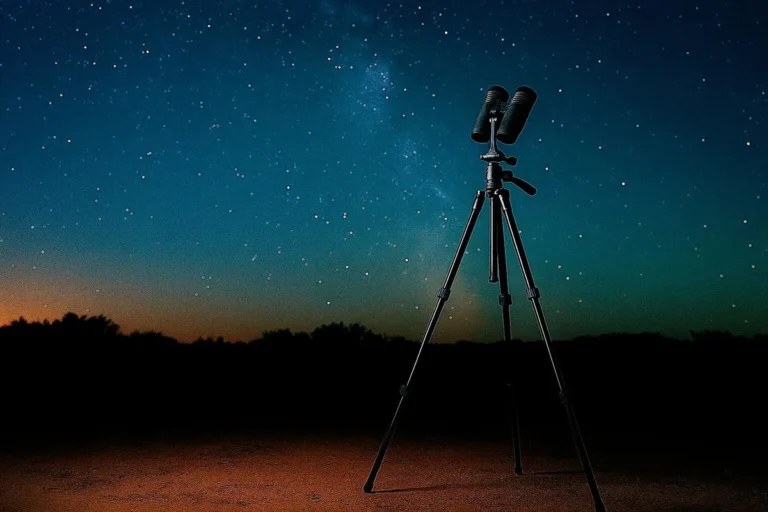
Image source: Bing (Web (fair-use with source credit))
Quick Answer
ED glass stands for extra-low dispersion glass. It reduces color fringing in binoculars. Standard glass splits white light into colors.
ED glass minimizes this splitting. You get sharper images with truer colors. The difference is most visible in high-contrast scenes.
ED binoculars cost more but deliver better optical quality.
Why ED Glass Matters (or Doesn't)
Chromatic aberration is the technical name for that colored fringe. It happens when glass lenses bend different wavelengths of light at slightly different angles. Red, green, and blue light don't all land on the same focal point.
The result is a soft, blurry image with purple or green edges.
ED glass addresses this by using a special chemical formulation. The glass has a lower dispersion index. That means all those colors stay closer together as they pass through the lens.
Per Nikon's technical documentation, this is achieved by adding fluoride or phosphate compounds to the glass melt.
But here's the honest truth. You won't always notice the difference. In bright daylight with good contrast, ED glass shines.
Think of a white egret against a dark green marsh. Or a bald eagle perched on a snowy branch. Those high-contrast scenes reveal every bit of color fringing in standard glass.
In flat, even lighting, or at lower magnifications like 8x, the improvement is much less obvious. Many casual users would never spot the difference between a quality standard binocular and an ED model in typical backyard use. The benefit scales with magnification and viewing difficulty.
As of 2026, the gap between standard and ED glass has narrowed. Some mid-range standard binoculars with excellent coatings now perform surprisingly well. But for serious birders and wildlife observers who spend hours in challenging conditions, ED glass remains a genuine upgrade.
The real question isn't whether ED glass is better. It's whether the improvement is worth the extra cost for your specific use case. For a casual hiker who uses binoculars once a month, probably not.
For a dedicated birder who spends every weekend in the field, absolutely.
What ED Glass Actually Is
ED glass isn't one specific formula. It's a category of optical glass that uses additives like fluoride or phosphate compounds to alter how light passes through. The key property is called "dispersion".
That's the tendency of glass to split white light into its component colors. Standard optical glass like BK-7 has a relatively high dispersion. ED glass lowers that dispersion significantly.
The glass elements are typically made from materials like fluorite or specialized synthetic compounds. Genuine ED glass uses a specific chemical composition that's different from standard crown or flint glass. You'll often see it referred to as "extra-low dispersion" or "ED glass" on the spec sheet.
Most ED binoculars don't use ED glass for every lens element. They typically place one or two ED elements in the objective lens stack. The rest of the lenses use standard glass with anti-reflective coatings.
This hybrid approach keeps costs manageable while still reducing chromatic aberration where it matters most.
The manufacturing process for ED glass is more demanding than standard glass. It requires precise temperature control and material purity. That's one reason ED binoculars cost more.
The raw materials themselves are more expensive too.
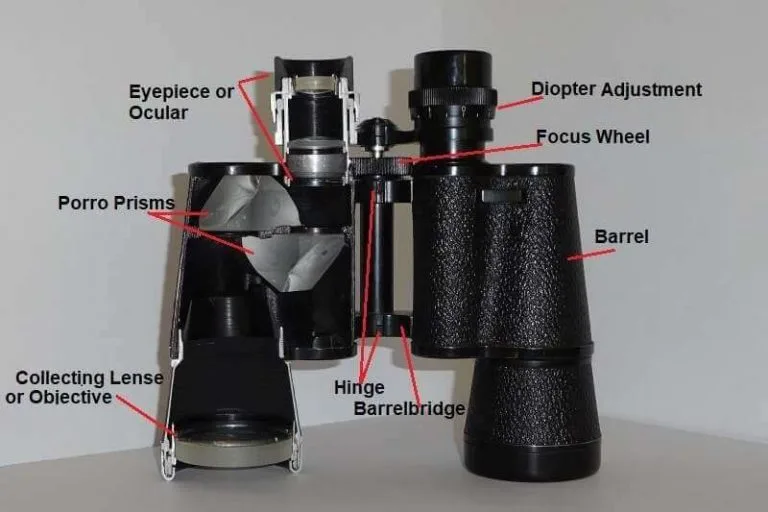
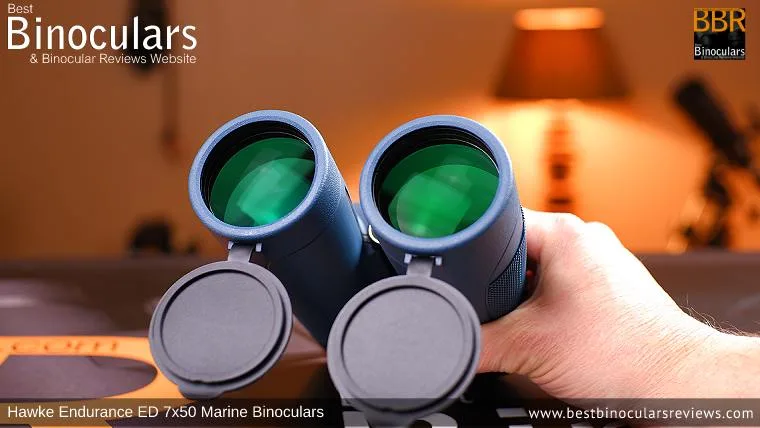
Image source: Bing (Web (fair-use with source credit))
Here's what you need to know about the different types of optical glass used in binoculars:
| Glass Type | Dispersion Level | Chromatic Aberration | Typical Cost |
|---|---|---|---|
| BK-7 (standard) | Higher | More visible | Lowest |
| BaK-4 (standard) | Moderate | Moderate | Low to mid |
| ED glass | Lower | Significantly reduced | Mid to high |
| Fluorite | Lowest | Nearly eliminated | Highest |
The ED glass elements themselves are usually made by a handful of specialist manufacturers. The most well-known include Ohara in Japan and Schott in Germany. Many binocular brands source their ED glass from these suppliers.
They then combine it with their own lens coatings and prism systems.
One thing that confuses people is the difference between ED glass and "HD" glass. HD stands for high definition, and it's often just a marketing term. Some HD binoculars use ED glass.
Others use standard glass with better coatings. The only way to know for sure is to check the actual specifications. If it doesn't say "ED" or "extra-low dispersion", it's probably not the real thing.
What ED Glass Does in Real-World Use
The best way to understand ED glass is to see what it actually does. Point a standard binocular at a white bird against a dark sky. You'll see a purple fringe around the edges of the bird.
Now switch to an ED binocular. That purple fringe is dramatically reduced or gone entirely.
That's the core benefit. But there's more to it than just color fringing.
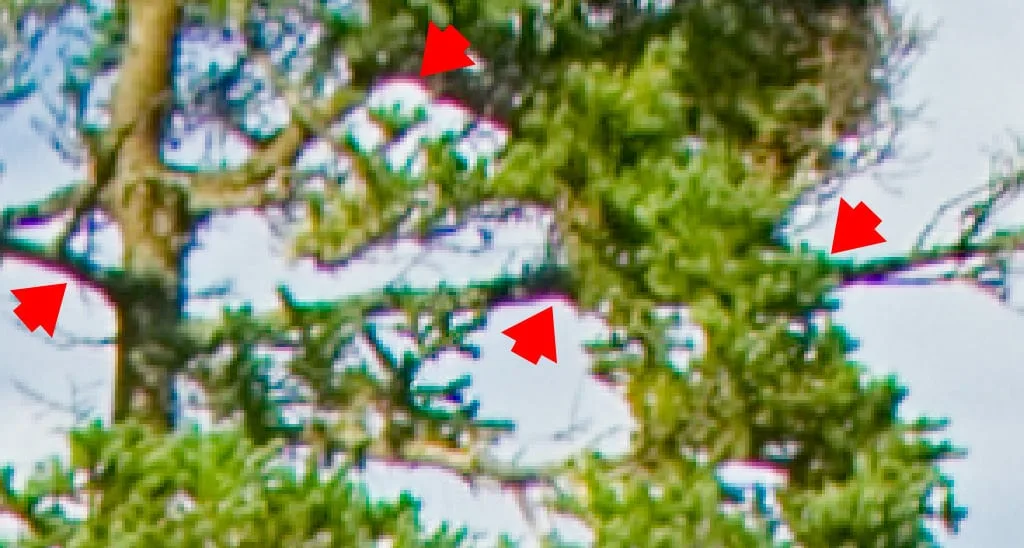
Image source: Bing (Web (fair-use with source credit))
ED glass also improves overall image sharpness. When all colors focus on the same point, the image appears crisper. Fine details like feather patterns, leaf veins, and distant text become easier to read.
Contrast improves too. Dark areas look darker and light areas look lighter, which gives the image more depth.
Color accuracy is another benefit. Standard glass can introduce a slight color shift, often a warm or cool tint. ED glass produces more neutral, true-to-life colors.
That matters for birders who need to identify species by subtle color variations. It also matters for anyone who wants the image to look natural.
Here are the scenarios where ED glass makes the biggest difference:
- Bird against bright sky: The classic test. White or light-colored birds against blue or gray skies show the most color fringing.
- Snowy landscapes: High contrast between white snow and dark tree trunks or rocks reveals chromatic aberration clearly.
- Moon observation: The edge of the moon against a dark sky is a perfect test for chromatic aberration.
- Distant foliage: Leaves against the sky at medium to long distances can show purple fringing.
- Bright water reflections: Glare and reflections off water create high-contrast edges that challenge standard glass.
And here's where you won't notice much difference:
- Overcast days: Flat, even lighting reduces contrast and hides color fringing.
- Low magnification (8x and below): Chromatic aberration is less visible at lower magnifications.
- Close-range viewing: The effect is more pronounced at distance.
- Indoor use: Controlled lighting doesn't create the same challenges.
The bottom line is that ED glass is a real optical improvement, not a marketing gimmick. But its benefits are situational. If you regularly view high-contrast subjects at distance, you'll see the difference every time.
If you mostly use binoculars in good light at close range, you might not notice it at all.
ED Glass vs. Standard Glass: The Real Trade-Offs
Choosing between ED and standard glass comes down to trade-offs. There's no free lunch in optics. Every improvement comes with a cost somewhere else.
Here's a direct comparison of the key factors:
| Factor | Standard Glass (BK-7/BaK-4) | ED Glass |
|---|---|---|
| Image sharpness | Good to very good | Excellent |
| Color fringing | Noticeable in high contrast | Minimal to none |
| Contrast | Moderate | High |
| Low-light performance | Depends on coatings | Better with good coatings |
| Weight | Lighter | Heavier (thicker elements) |
| Cost | $100 to $400 | $300 to $1,500+ |
| Durability | Similar | Similar |
The weight difference is worth noting. ED glass elements are typically thicker and denser than standard glass. A 42mm ED binocular might weigh 28 to 32 ounces.
A comparable standard model might be 22 to 26 ounces. That extra weight matters if you're carrying binoculars on a long hike.
But the biggest factor is cost. You can get a perfectly good standard binocular for $200 to $300. A comparable ED binocular will cost $500 to $800.
That's a significant jump. The question is whether you'll actually see the difference.
Here's the nuance that most people miss. ED glass alone doesn't guarantee a great image. The quality of the lens coatings matters just as much, if not more.
A standard glass binocular with excellent fully multi-coated lenses and phase-corrected prisms can outperform a poorly made ED binocular with cheap coatings. Don't assume that ED glass automatically makes a binocular better.
The prism system also plays a role. Roof prism binoculars need phase correction coatings to achieve their full potential. Porro prism binoculars don't.
So a standard porro prism binocular with good coatings can sometimes match or exceed a mid-range ED roof prism model. The whole system matters, not just one element.
Brand and manufacturing quality are huge factors too. A premium ED binocular from a top manufacturer will deliver stunning clarity. But a budget ED binocular from a lesser-known brand might cut corners on coatings, alignment, and build quality.
The ED glass element is only as good as the rest of the optics around it.
The smart approach is to look at the whole package. Check for fully multi-coated lenses, phase correction on roof prisms, and dielectric coatings on the prisms. Those features, combined with ED glass, give you the best image quality.
Without them, ED glass alone won't work its full magic.
Who Actually Needs ED Glass (and Who Doesn't)
ED glass is a real upgrade, but it's not for everyone. The best way to decide is to match the feature to your actual use.
ED glass is worth it for:
- Serious birders: You're identifying species by subtle plumage details. You're often viewing in low light at dawn and dusk. Every bit of sharpness and color accuracy matters.
- Wildlife photographers: You need to spot animals before they move. You're frequently scanning treelines and shorelines at distance. ED glass helps you pick out shapes and details faster.
- Hunters: You're glassing fields and ridges before dawn. The light is low and the contrast is high. ED glass gives you a clearer picture in those critical minutes.
- Astronomy enthusiasts: You're looking at the moon and planets. The edge of the moon against a black sky is the ultimate test. ED glass nearly eliminates the purple fringe that standard glass shows.
- Dedicated outdoor guides: You use binoculars for hours every day. The cumulative benefit of a sharper, clearer image is worth the investment.
ED glass is probably overkill for:
- Casual hikers: You use binoculars a few times a year. You're mostly looking at scenery in good light. A quality standard binocular will serve you fine.
- Sports fans: You're watching games from the stands. The lighting is usually good and the distance is moderate. You won't see the difference.
- Travelers: You're carrying binoculars for occasional sightseeing. Weight and size matter more than absolute optical quality. Standard glass is lighter and cheaper.
- General backyard use: You're watching birds at a feeder or checking the view. The distances are short and the light is usually good. ED glass is wasted here.
The rule of thumb is simple. If you regularly view high-contrast subjects at distance in challenging light, ED glass is worth the premium. If you mostly use binoculars in good conditions for casual viewing, put your money elsewhere.
The "good enough" threshold
Standard glass binoculars have improved significantly in the last decade. A well-made standard model with fully multi-coated lenses and phase-corrected prisms can deliver 90 percent of the image quality of a mid-range ED binocular. The last 10 percent is what you pay for.
Our research suggests that the average user stops noticing the difference after about 30 minutes of continuous use. The brain adapts to the image quality. But for the first few minutes, the ED binocular will look noticeably sharper and cleaner.
For most people, the question isn't whether ED glass is better. It's whether the improvement is worth the extra cost. The answer depends entirely on how much you value that last bit of clarity.
How to Spot Real ED Glass (and Avoid Marketing Tricks)
The binocular market is full of confusing terms. Not every "HD" or "high definition" model uses ED glass. Some manufacturers use these labels loosely.
You need to know what to look for.
What to check on the spec sheet
First, look for the actual words "ED glass" or "extra-low dispersion glass" in the specifications. If it says "HD" without mentioning ED, it's probably just standard glass with better coatings. Some brands use "ED" as a model name prefix.
That doesn't always mean the glass is actually ED.
Second, check the manufacturer's website. Legitimate ED binoculars will have a detailed description of the optical system. They'll mention the specific ED glass elements and their placement in the lens stack.
Vague marketing language is a red flag.
Third, look for the glass supplier. Premium ED glass comes from known manufacturers like Ohara in Japan or Schott in Germany. Some brands mention this in their specifications.
If they don't, it's likely a generic ED glass that may not perform as well.
Testing chromatic aberration in the field
You can test for chromatic aberration yourself. Here's a simple method:
- Find a high-contrast edge. A white building against a blue sky works well. A tree branch against a bright overcast sky is another good test.
- Center the edge in your view. Focus carefully.
- Slowly move the edge toward the edge of the field of view. Chromatic aberration is usually worse at the edges.
- Look for purple or green fringing. If you see it clearly, the binocular has visible chromatic aberration.
Repeat this test with a standard binocular and an ED binocular. The difference will be obvious. The ED model should show significantly less color fringing.
Red flags to watch for
- Price too good to be true: ED binoculars under $200 are almost certainly using lower quality ED glass or no ED glass at all. The material costs alone make genuine ED glass impossible at that price point.
- No lens coating specifications: ED glass needs good coatings to work properly. If the brand doesn't mention fully multi-coated lenses, phase correction, or dielectric coatings, be suspicious.
- Vague claims: "Premium optics" and "high definition" mean nothing. Look for specific technical claims about dispersion and chromatic aberration reduction.
- Unknown brand: Stick with established manufacturers that have a track record in optics. Unknown brands may use ED glass but cut corners on everything else.
The safest approach is to buy from a reputable manufacturer and verify the specifications yourself. Don't take marketing claims at face value.
The Cost Question: Is the Upgrade Worth It?
ED binoculars typically cost 50 to 100 percent more than comparable standard models. The price difference varies by brand and quality level. Here's a rough breakdown of what you can expect as of 2026.
Price tiers for ED binoculars
| Tier | Price Range | What You Get |
|---|---|---|
| Budget ED | $200 to $400 | Basic ED glass, fair coatings, modest build quality |
| Mid-range ED | $400 to $800 | Good ED glass, fully multi-coated, phase-corrected, decent build |
| Premium ED | $800 to $1,500 | Excellent ED glass, top coatings, superb build, often made in Japan or Germany |
| Ultra-premium | $1,500+ | The best ED glass, fluorite elements, flawless coatings, lifetime warranty |
The law of diminishing returns hits hard in optics. The jump from standard glass to a $400 ED binocular is dramatic. The jump from a $400 ED to an $800 ED is noticeable but smaller.
The jump from $800 to $1,500 is tiny for most users.
Where the extra money goes
The cost of ED glass itself is only part of the price. Premium ED binoculars also invest in better prism systems, higher quality coatings, tighter quality control, and better build materials. The aluminum or magnesium body, the waterproofing, the focus mechanism, and the warranty all add to the cost.
A $300 ED binocular might use a single ED element with standard coatings. A $700 ED binocular might use two ED elements with premium dielectric coatings and phase correction. The difference in image quality is real, but it's not proportional to the price.
Long-term value
ED binoculars tend to hold their optical quality longer than standard models. The glass itself doesn't degrade. But the coatings can wear over time.
Premium ED binoculars usually have harder, more durable coatings. That means they'll look sharp for years longer than a budget model.
If you're a heavy user, the extra cost of ED glass is easier to justify. You'll see the benefit every time you use them. A casual user might never notice the difference.
The ED investment would be wasted.
Common Mistakes People Make When Buying ED Binoculars
Even experienced buyers make errors when choosing ED binoculars. Here are the most common mistakes and how to avoid them.
Confusing ED with fully multi-coated
ED glass and lens coatings are two different things. ED glass reduces chromatic aberration. Lens coatings reduce glare and improve light transmission.
You need both for the best image quality. Some buyers think ED glass alone is enough. It's not.
A standard glass binocular with excellent coatings can outperform a poorly coated ED model.
Buying ED glass at too low a magnification
Chromatic aberration is less visible at lower magnifications. At 8x, you might not see much difference between standard and ED glass. At 10x or 12x, the difference becomes much more obvious.
If you're buying ED glass, consider a higher magnification model to get the full benefit.
Ignoring the prism system
Roof prism binoculars need phase correction coatings to achieve their full potential. Without phase correction, the image will be softer and less contrasty. Some buyers buy an ED roof prism binocular without checking for phase correction.
They get a disappointing image and assume ED glass doesn't work. The real problem is the missing prism coating.
Assuming all ED glass is the same
ED glass varies in quality. The chemical formulation, the manufacturing process, and the quality control all affect performance. Premium ED glass from Ohara or Schott performs better than generic ED glass from unknown sources.
The brand name on the binocular matters.
Overlooking the importance of build quality
An ED binocular with a poor focus mechanism, loose hinges, or weak seals will frustrate you. The optical quality won't matter if the binocular falls apart. Make sure the build quality matches the optical quality.
Look for robust construction, smooth operation, and a good warranty.
Not testing before buying
If possible, test the binocular in person. Compare a standard model and an ED model side by side. Look at the same target in the same light.
The difference will be obvious if it's worth the upgrade. If you can't test in person, read detailed reviews from trusted sources and check the specifications carefully.
Frequently Asked Questions
Is ED glass worth it for birdwatching?
Yes, for serious birders. The color fringing reduction and improved sharpness help identify species by subtle details. The difference is most noticeable in high-contrast scenes like a bird against a bright sky.
Casual birders may not see enough benefit to justify the cost.
Does ED glass make binoculars waterproof or fog-proof?
No. ED glass is an optical material, not a sealant. Waterproofing and fog-proofing come from the body design, O-ring seals, and nitrogen or argon purging.
You need to check those specifications separately. Many ED binoculars are waterproof, but that's a feature of the build, not the glass.
Can I fix chromatic aberration with lens coatings alone?
Partially, but not completely. Good lens coatings reduce glare and improve contrast, which can make chromatic aberration less noticeable. But coatings can't eliminate the underlying dispersion problem.
ED glass addresses the root cause directly. For the best results, you need both ED glass and good coatings.
What's the difference between ED and APO binoculars?
APO stands for apochromatic. It's a more advanced level of chromatic aberration correction. APO binoculars typically use three or more lens elements to bring all colors to the same focal point.
ED glass is often used in APO designs, but not all ED binoculars are APO. APO is the highest standard, and it's usually found in the most expensive binoculars.
Do I need ED glass if I wear glasses?
Not specifically. Eye relief matters more for eyeglass wearers. ED glass doesn't affect eye relief.
You should look for binoculars with long eye relief, typically 15mm or more. Some ED binoculars have excellent eye relief, but that's a separate specification.