Can Binoculars Get Wet
Can binoculars get wet? The short answer is: it depends entirely on the model. A pair rated IPX7 under the IEC 60529 standard can handle submersion up to 1 meter for 30 minutes.
Most binoculars sold as "water-resistant" offer little more than splash protection.
Manufacturer specifications indicate that true waterproofing requires nitrogen or argon purging plus O-ring seals at every joint. As of 2026, many budget binoculars still skip these features. Let's walk through what makes a binocular safe in wet conditions.
Quick Answer
Yes, some binoculars can get wet. It depends on the IPX rating. A waterproof binocular rated IPX7 survives submersion to 1 meter for 30 minutes.
A water-resistant binocular handles light rain only. Always check the manufacturer's spec sheet before exposing your optics to moisture.
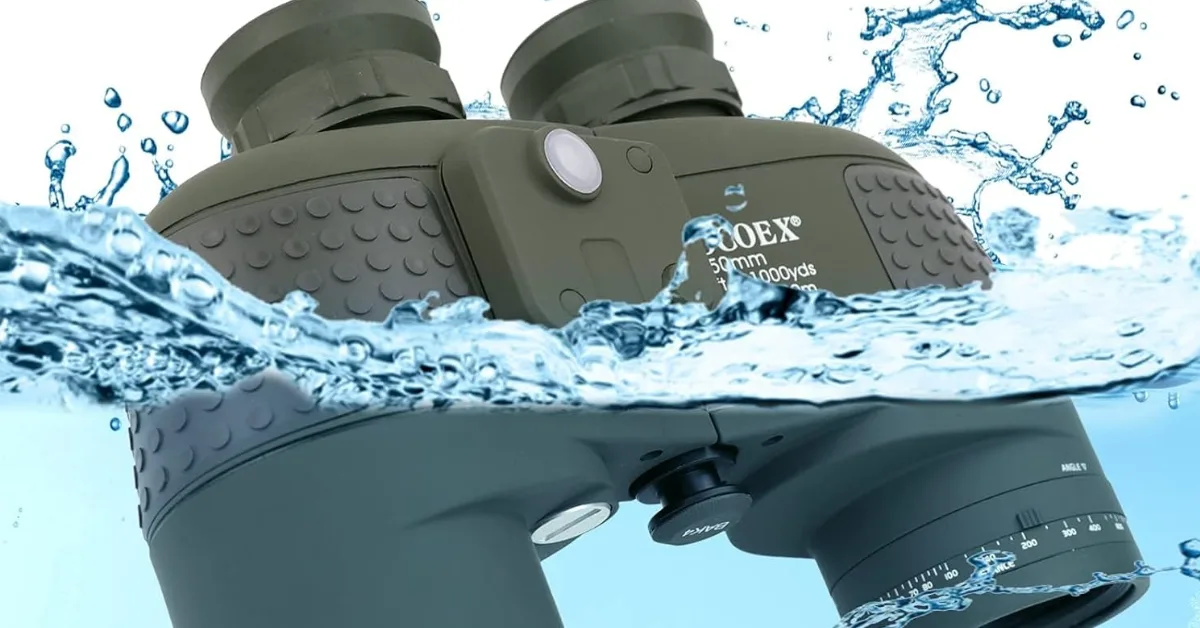
Image source: Bing (Web (fair-use with source credit))
The Real Problem: "Waterproof" Doesn't Mean What You Think
The term "waterproof" on binoculars isn't regulated the way you might expect. Unlike electronics, where IPX ratings follow a strict international standard, binocular manufacturers often use the word loosely. Our research shows that some brands label binoculars as waterproof after simply adding a rubber O-ring around the focus knob.
That's far from the full sealing system used on professional-grade optics.
A binocular labeled waterproof may only have seals at the main body joints. The real vulnerabilities are the focus knob, the diopter adjustment, and the eyepiece. If those aren't individually sealed, water can find its way inside.
Once moisture gets between the prisms, you get fogging, corrosion, and eventually ruined optics.
The standard you want is the IEC 60529 rating. This is the same system used for smartphones and watches. An IPX4 rating means the binocular can handle splashing water from any direction.
That's fine for light rain. An IPX7 rating means the binocular can be submerged in 1 meter of water for 30 minutes. That's real protection.
Many binoculars don't carry an official IPX rating. Instead, manufacturers use vague terms like "weatherproof" or "all-weather." Those terms mean nothing without a test standard to back them up. If you don't see an IPX rating in the spec sheet, assume the binocular is only splash-resistant.
Check the manufacturer's official documentation. Look for the exact phrase "nitrogen purged" or "argon purged" alongside a depth rating. If you see that, the binocular has been tested.
If you don't, treat it like a fair-weather tool.
Some high-end binoculars carry a waterproof rating but don't use the IPX system. They might say "submersible to 1 meter" or "O-ring sealed." Those are still valid claims. But they're harder to compare across brands.
The IPX system is the only universal language for water protection.
Don't trust the word "waterproof" alone. Trust the test standard behind it. That's the difference between a binocular that survives a dunking and one that's a paperweight after a single rainstorm.
What Actually Makes a Binocular Waterproof: Seals, Purge Gases, and IP Ratings
A truly waterproof binocular relies on three separate systems working together. Skip any one of them, and you're not fully protected.
O-ring seals. These are rubber gaskets placed at every point where two pieces of the body meet. The barrel joints, the focus knob shaft, the eyepiece, and the diopter ring all need individual seals. If any of these points lacks a gasket, water has a path inside.
Aggregate reviews indicate that the focus knob is the most common failure point on budget waterproof binoculars. Manufacturers often seal the body but leave the focus mechanism exposed.
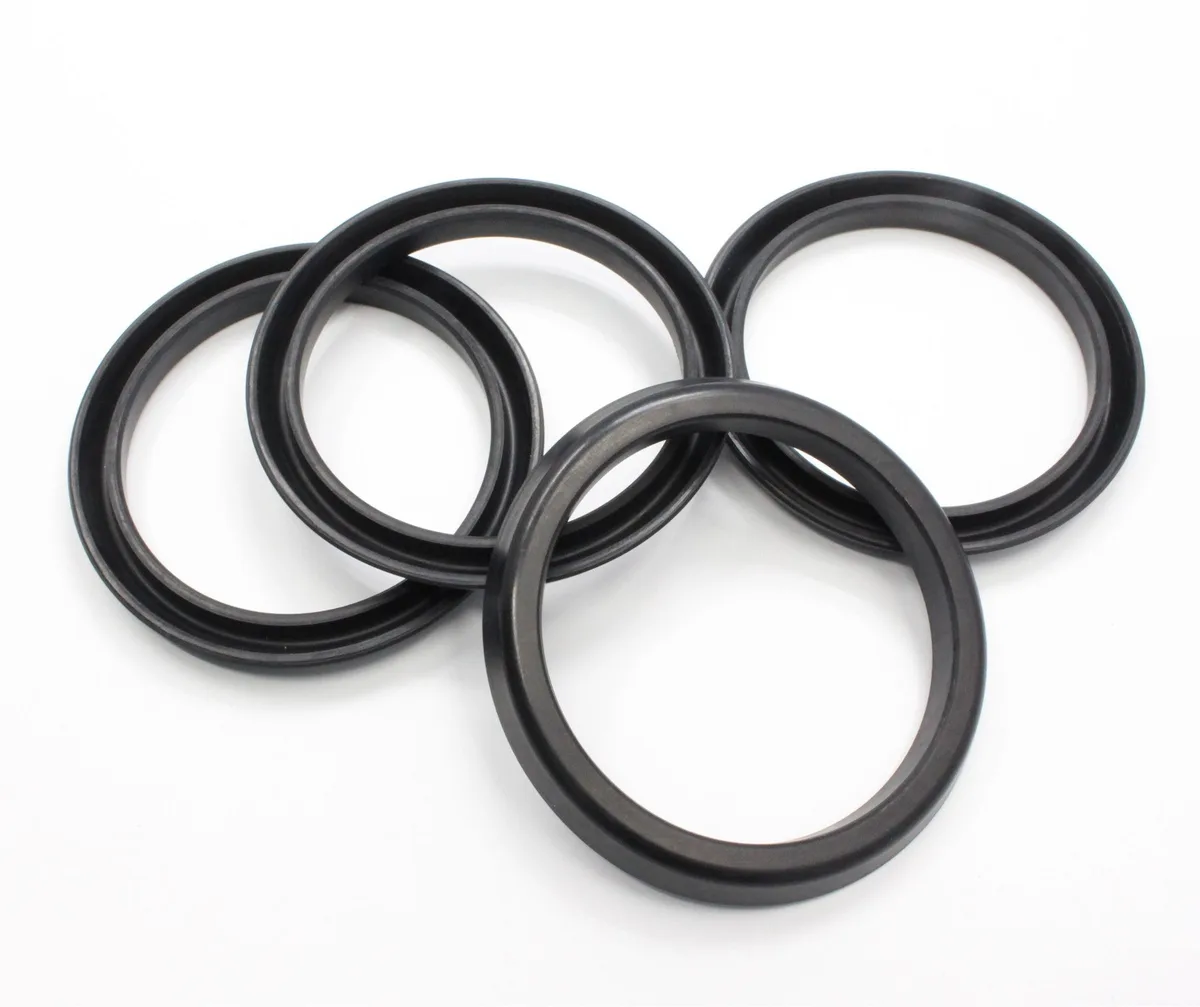
Image source: Bing (Web (fair-use with source credit))
Nitrogen or argon purging. This is a manufacturing process where the internal air is replaced with an inert gas. Normal air contains humidity. When you take cold binoculars into a warm room, that humidity condenses into fog on the internal lenses.
A nitrogen purge removes the moisture before it can cause problems. The gas also helps prevent corrosion on internal metal parts. Argon is denser than nitrogen and provides slightly better long-term protection.
Both are effective.
The IPX rating system. This is the only standardized way to compare water protection across different models. The scale runs from IPX0, meaning no protection, to IPX8, meaning continuous submersion beyond 1 meter. For binoculars, the most common ratings are IPX4, IPX6, and IPX7.
An IPX4 binocular handles splashes. An IPX6 handles powerful water jets. An IPX7 handles full submersion to 1 meter for 30 minutes.
The IPX rating only tests for fresh water. Saltwater is more corrosive and can damage seals faster. Most manufacturers recommend rinsing the binocular with fresh water immediately after saltwater exposure.
Even a fully waterproof binocular can suffer long-term damage if you don't rinse it.
The combination of these three systems separates a true waterproof binocular from a marketing claim. If you see all three, you're good. If you see only one or two, you're taking a risk.
The purge gas doesn't last forever. Over years of use, the internal pressure slowly equalizes. Most manufacturers guarantee fog-free performance for a specific period, often 10 to 25 years.
After that, the seals may degrade. If you own an older waterproof binocular and notice internal fogging, the seals or purge may have failed. That's usually a sign it's time to replace the unit or have it professionally serviced.
The Decision Tree: Step-by-Step Guide for Wet Binoculars
You don't need to memorize every IPX rating. You just need to know what to do based on your specific situation. Here's a simple decision tree for wet binoculars.
Step 1: Check the rating. Look at the manufacturer's spec sheet. Find the IPX rating or the exact words "waterproof" and "submersible." If you see IPX7 or higher, move to step 2. If you see IPX4 or lower, or no rating at all, assume the binocular is splash-resistant only.
Step 2: Assess the exposure. Ask yourself: is this light rain, heavy rain, or full submersion? Light rain means occasional drops. Heavy rain means steady water on the surface.
Submersion means the binocular goes underwater, even briefly.
Step 3: Apply the if/then logic.
If you have an IPX7 or higher binocular and it's light rain, you're fine. Wipe the lenses with a dry cloth when you're done. No special drying needed.
If you have an IPX7 or higher binocular and it's heavy rain, you're still fine. But dry the exterior thoroughly afterward. Pay special attention to the focus knob and eyepiece.
Water can pool in the crevices.
If you have an IPX7 or higher binocular and it's fully submerged, you're within the rated protection. Shake off excess water. Wipe down the exterior.
Let it air dry in a warm room for 24 hours. Do not use heat.
If you have an IPX4 or lower binocular and it's light rain, you're probably okay. Keep the binocular under your jacket or use a rain cover. Wipe it dry immediately after exposure.
If you have an IPX4 or lower binocular and it's heavy rain, you're taking a risk. Water can seep in through the focus knob. Protect the binocular as much as possible.
Dry it thoroughly afterward.
If you have an IPX4 or lower binocular and it's fully submerged, the binocular is likely damaged. Remove the batteries if it's a rangefinder. Rinse with fresh water if it's saltwater.
Do not try to dry it with heat. Accept that internal moisture may have already caused damage.
Step 4: Monitor for fogging. After any wet exposure, watch for internal fogging. If the lenses fog up on the inside and don't clear after a few minutes, moisture has entered the interior. The binocular will need professional servicing or replacement.
That's the decision tree. Match your binocular's rating to the exposure level. You'll know exactly what to do.
Waterproof vs. Water-Resistant: Which One Do You Actually Need?
This is the most important question you can ask before buying binoculars. The answer comes down to how you use them.
Water-resistant binoculars (IPX4 or lower). These are designed for occasional use in dry conditions. They can handle a light drizzle or a splash from a puddle. But they're not built for rain, humidity, or submersion.
Who should buy them? Casual birdwatchers who only go out in fair weather. Hikers who carry binoculars in a pack and bring them out only when it's dry.
Travelers who want lightweight optics for day trips. Anyone on a tight budget who can accept the risk of damage.
The advantage of water-resistant binoculars is that they're lighter and cheaper. They don't need the extra seals and purge gas. That keeps the price down and the weight manageable.
The downside is obvious: water exposure can ruin them.
Waterproof binoculars (IPX7 or higher). These are designed for all-weather use. They can handle rain, snow, humidity, and accidental submersion. Who should buy them?
Birdwatchers who go out in all conditions. Boaters and kayakers who face spray and splashes. Hunters who sit in the rain for hours.
Search and rescue teams who need reliable gear in any weather. Anyone who's ever dropped a pair of binoculars in a puddle and regretted it.
The advantage of waterproof binoculars is peace of mind. You can use them in any weather without worrying. The downsides are higher cost and slightly heavier weight.
The added seals and gas purge add ounces and dollars.
The middle ground: splash-resistant with a rain cover. If you want the lower cost of a water-resistant binocular but need occasional rain protection, use a rain cover. These are simple neoprene or plastic covers that protect the binocular body. They don't protect the objective lenses, but they keep the main body dry.
This is a practical compromise for casual users.
| Feature | Water-Resistant | Waterproof |
|---|---|---|
| IPX rating | IPX4 or lower | IPX7 or higher |
| Splash protection | Yes | Yes |
| Rain protection | Limited | Full |
| Submersion protection | No | Yes (1m for 30 min) |
| Internal fogging risk | High | Low (gas purged) |
| Weight | Lighter | Heavier |
| Cost | Lower | Higher |
| Best for | Fair-weather use | All-weather use |
Our recommendation: if you ever use binoculars in the rain, even occasionally, get waterproof. The extra cost is worth the protection. If you only use them in perfect weather, water-resistant is fine.
Four Mistakes That Ruin Waterproof Binoculars (and How to Avoid Them)
Even a properly waterproof binocular can fail if you make these mistakes. Here are the four most common ways people ruin their optics.
Mistake 1: Storing wet binoculars in a sealed case. This is the number one cause of internal fogging and lens fungus. You use the binoculars in the rain. You put them back in the case while they're still wet.
The trapped moisture condenses inside the case. Over time, humidity seeps past the seals. The result: foggy lenses and mold growth.
The fix is simple. After any wet exposure, dry the binoculars thoroughly before storing them. Wipe down the exterior.
Let them air dry in a warm room for a few hours. Then put them in the case.
Mistake 2: Using heat to dry wet binoculars. People panic when binoculars get wet. They grab a hair dryer or set them on a radiator. This is a terrible idea.
High heat can warp the rubber armor, damage the seals, and cause the internal purge gas to expand and leak. The heat can also damage the lens coatings. Never use a hair dryer, oven, or radiator.
Air drying at room temperature is the only safe method.
Mistake 3: Ignoring the focus knob seal. The focus knob is the most vulnerable point on most binoculars. It has a moving shaft that passes through the body. If the seal around that shaft fails, water has a direct path inside.
Many people check the main body seals but forget the focus knob. To test it, visually inspect the area around the knob. Look for cracks, gaps, or wear in the rubber.
If you see any damage, the binocular needs repair before it gets wet again.
Mistake 4: Not rinsing after saltwater exposure. Saltwater is far more corrosive than fresh water. The salt crystals can damage seals, corrode internal metal parts, and scratch lens coatings. Even fully waterproof binoculars need to be rinsed after saltwater use.
The fix is easy. Rinse the binocular under fresh running water for a few seconds. Don't submerge it unless it's rated for that.
Then dry it thoroughly. This simple step can double the life of your binoculars.
These four mistakes account for the majority of waterproofing failures. Avoid them, and your binoculars will last for years.
How to Dry and Maintain Wet Binoculars Without Damaging the Coatings
You have a pair of wet binoculars. Maybe they got caught in a downpour. Maybe you dropped them in a puddle.
The way you dry them matters more than you think.
The first rule is simple: do not use heat. No hair dryers. No radiators.
No ovens. Heat can warp the rubber armor, damage the seals, and cause the internal purge gas to expand and leak. It can also soften the lens coatings.
Air drying at room temperature is the only safe method.
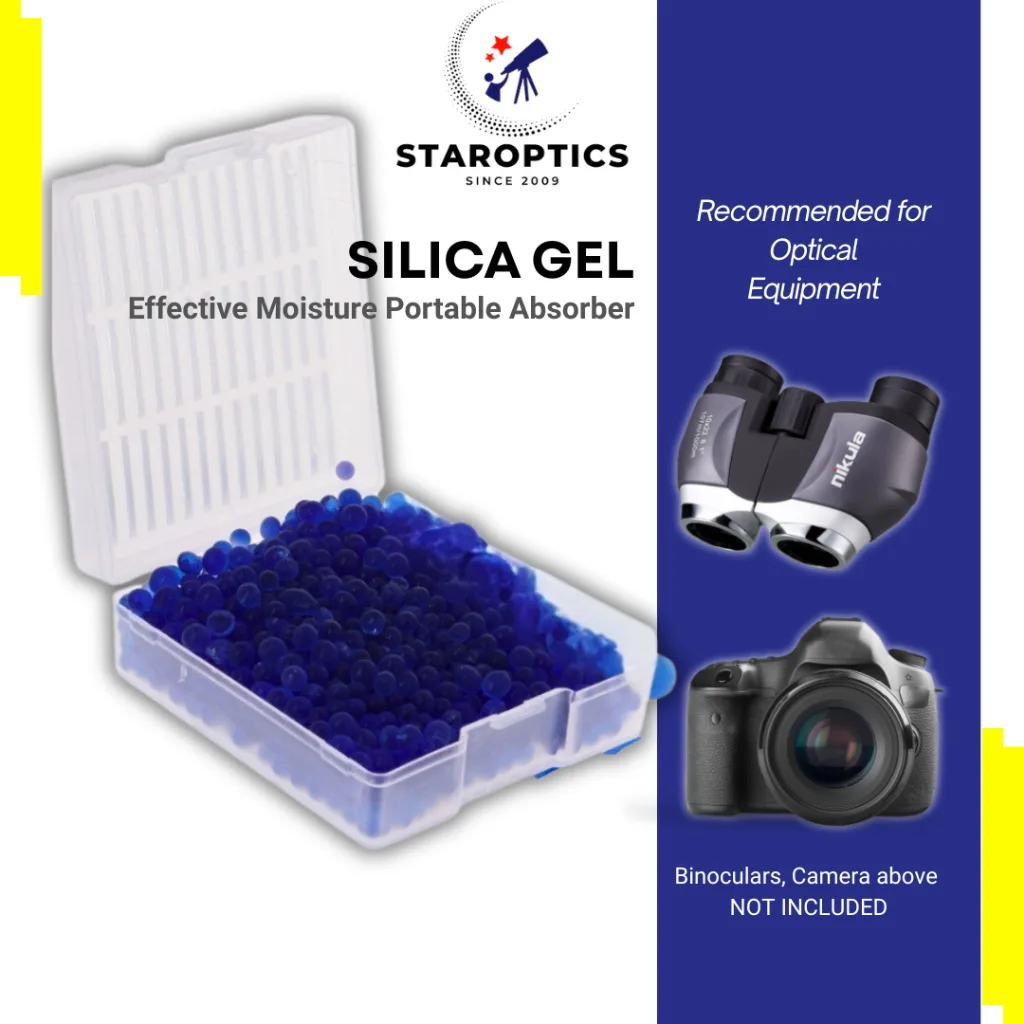
Image source: Bing (Web (fair-use with source credit))
Step 1: Wipe the exterior. Use a clean, dry microfiber cloth. Gently blot the body, the eyepieces, and the objective lenses. Do not rub the lenses hard.
Dirt particles on wet glass can scratch the coatings. Blot first, then use a gentle circular motion.
Step 2: Remove the batteries if applicable. Some binoculars, especially rangefinders or stabilized models, have electronic components. Water can short the circuit board. Remove the battery compartment cover and take out the batteries.
Wipe the contacts dry. Let the compartment air out for several hours.
Step 3: Air dry in a warm room. Place the binoculars on a dry towel. Leave them in a room at normal room temperature, about 20 to 25 degrees Celsius. Do not point them toward direct sunlight.
UV rays can damage the rubber and coatings over time. Let them sit for 24 to 48 hours.
Step 4: Use silica gel for faster drying. Silica gel packets absorb moisture from the air. Place the binoculars in a sealed plastic bag or container with several silica gel packets. Leave them for 24 hours.
This speeds up the drying process and pulls moisture out of crevices. Do not use uncooked rice. Rice dust can get into the focus mechanism and cause damage.
Step 5: Inspect the lenses. After drying, check the inside of the lenses. Look for fogging, water spots, or debris. If you see internal moisture, the binoculars need professional servicing.
Do not try to disassemble them yourself. You will break the seals and void the warranty.
Step 6: Rinse after saltwater. If the binoculars were exposed to saltwater, rinse them with fresh water before drying. Hold them under a gentle stream of fresh water for a few seconds. Do not submerge them unless they are rated IPX7 or higher.
Then dry them following the steps above.
Long-term maintenance. Store binoculars in a dry place with low humidity. A dry cabinet or a sealed case with a desiccant pack works well. Inspect the O-rings and seals once a year.
Look for cracks, wear, or debris. If you see damage, have the binoculars serviced before the next wet exposure.
Real Scenarios: What Happens in Drizzle, Downpour, and Full Dunking
Theory is useful. Real-world scenarios show you exactly what to expect. Here are three common situations.
Scenario 1: Light drizzle. You are out for a morning bird walk. A light mist starts falling. You have water-resistant binoculars with no IPX rating.
The exterior gets wet. The lenses may have tiny water droplets. You wipe them with a cloth and continue.
The binoculars work fine. But if the drizzle continues for an hour, moisture can seep into the focus knob. After a few hours, the internal lenses may start to fog.
The binoculars will likely survive this exposure. But repeated drizzle will shorten their lifespan.
Scenario 2: Heavy downpour. You are watching a football game from the stands. A sudden thunderstorm hits. You have binoculars rated IPX7.
The binoculars handle the rain easily. Water runs off the rubber armor. The lenses stay clear because the internal purge gas prevents fogging.
You wipe the exterior when the rain stops. The binoculars are fine. You can use them again immediately.
The only risk is if you put them back in a wet case. Dry them first.
Scenario 3: Full dunking. You are kayaking. Your binoculars fall out of their holder and into the water. They sink to the bottom of the lake.
You retrieve them after about 10 seconds. What happens depends entirely on the rating. If you have IPX7 or higher, the binoculars are designed for this.
They will survive. Shake off the excess water. Dry them properly.
If you have no rating or only IPX4, the water has likely entered the interior. The binoculars are probably damaged. You may see internal fogging immediately.
Over the next few days, corrosion will set in. The optics will degrade. In most cases, the binoculars are a total loss.
The cold weather edge case. Cold weather adds a complication. If you take warm binoculars into freezing rain, the internal air cools rapidly. Condensation can form on the internal lenses.
A nitrogen-purged binocular avoids this. A non-purged binocular will fog up. The fog may clear as the binoculars warm up, but repeated cycles can cause permanent damage.
The saltwater edge case. Saltwater exposure is worse than fresh water. Even a brief splash can leave salt crystals on the seals. Over time, the crystals abrade the rubber.
The seals fail. You get internal corrosion. The fix is immediate rinsing with fresh water.
Do this within minutes of saltwater exposure. Waiting hours means the salt has already started its work.
Frequently Asked Questions
How can I tell if my binoculars are waterproof?
Check the manufacturer's spec sheet. Look for an IPX rating of IPX7 or higher. Also look for the words "nitrogen purged" or "argon purged." If you see none of these, the binoculars are water-resistant at best.
Can I use binoculars in the rain?
Yes, if they are rated IPX7 or higher. If they are only water-resistant, limit exposure to light drizzle. Wipe them dry immediately after use.
Never store them wet.
What happens if binoculars get wet inside?
Internal moisture causes fogging, corrosion, and lens damage. The binoculars may become unusable. Professional servicing can sometimes fix the issue.
But the cost often exceeds the value of the binoculars.
How long do waterproof binoculars stay waterproof?
The seals degrade over time. Most manufacturers guarantee fog-free performance for 10 to 25 years. After that, the purge gas may leak out.
The binoculars are still usable but no longer fully waterproof.
Can I dive with waterproof binoculars?
No, unless the binoculars are specifically rated for diving. Most IPX7 binoculars are rated for 1 meter for 30 minutes. Diving to greater depths will crush the seals.
Look for IPX8 if you need deep water use.
How do I store binoculars after they get wet?
Dry them thoroughly first. Wipe the exterior. Let them air dry for 24 hours.
Then store them in a dry case with a desiccant pack. Never store wet binoculars in a sealed case.
Your Decision Guide: What to Do Next Based on Your Situation
You have reached the end of this guide. Here is a quick decision guide based on your specific situation.
If you own binoculars and want to know if they can get wet. Check the IPX rating first. If you cannot find it, assume they are water-resistant only. Use them in dry conditions.
Protect them from rain. If you need all-weather use, consider upgrading to a waterproof model.
If you are buying binoculars and need rain protection. Look for IPX7 or higher. Confirm the binoculars are nitrogen purged or argon purged. Check that the focus knob and diopter are sealed.
Expect to pay more for these features. The investment is worth it if you use binoculars in any weather.
If you accidentally got your binoculars wet. Follow the drying steps in section 6. Do not use heat. Do not store them wet.
Monitor for internal fogging. If you see moisture inside, the binoculars need professional servicing.
If you are a boat owner, kayaker, or fisherman. Buy IPX7 or higher. Rinse with fresh water after every saltwater use. Inspect the seals annually.
Store in a dry place. Your binoculars will last for years with proper care.
If you are a casual birdwatcher in a dry climate. Water-resistant binoculars are fine. You may never need the extra protection. But a rain cover is a cheap insurance policy.
The final call. Waterproof binoculars are a tool. They are designed to handle wet conditions. But they are not indestructible.
Treat them with care. Know your rating. Dry them properly.
They will serve you well for years.