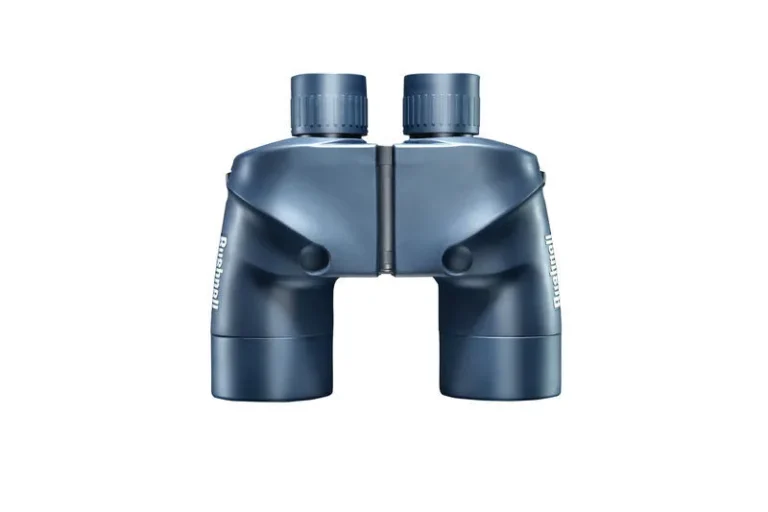
What Are Binoculars Used For
Ask what are binoculars used for, and you will get a dozen different answers. The truth is that binoculars are not a one-size-fits-all tool. They are specialized equipment.
The right pair for one activity can be wrong for another.
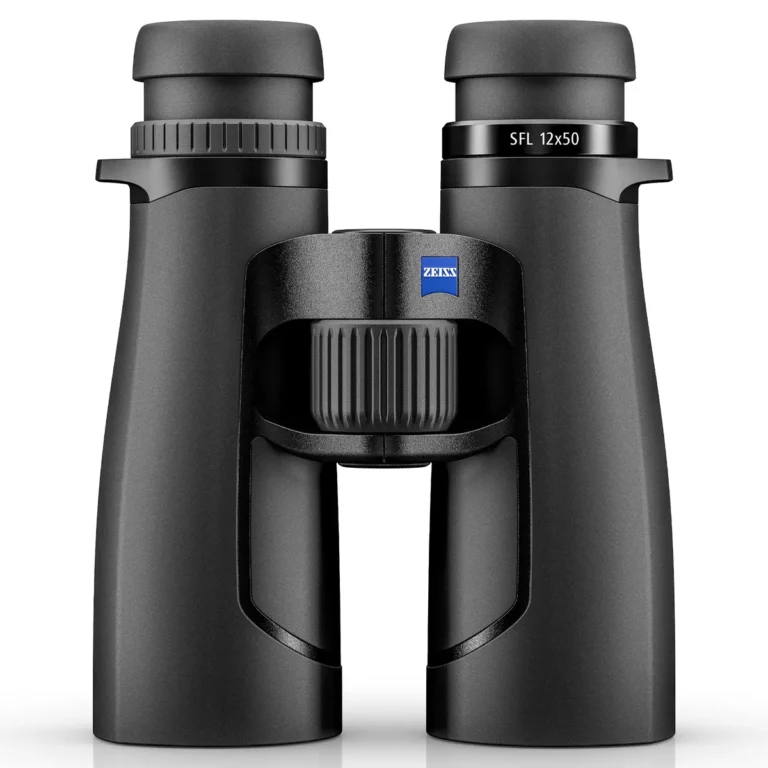
Manufacturer specifications show that the most popular configuration as of 2026 is the 8×42 model. That model balances light gathering with portability. But it is not the right fit for every activity.
Your specific use case determines whether you need more magnification, a wider field of view, or better low-light performance.
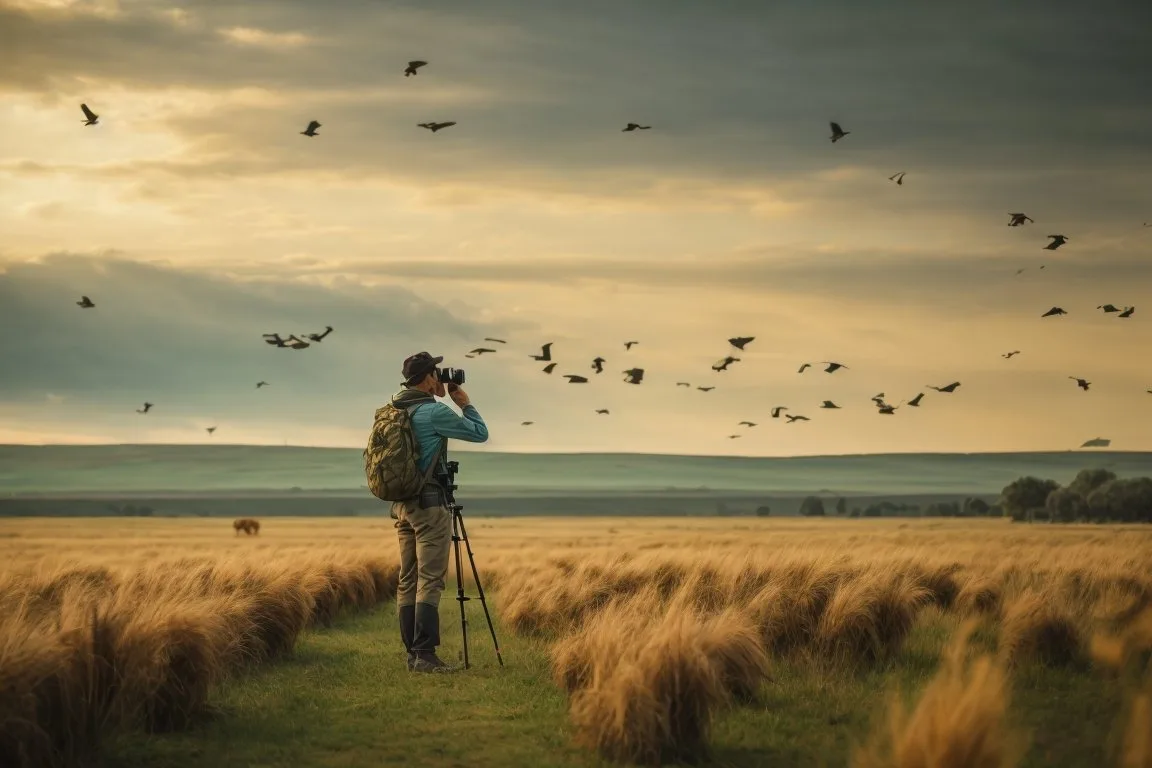
Image source: Bing (Web (fair-use with source credit))
Why One Size Doesn't Fit All
Here is the core truth about binoculars. They are designed around specific tasks. A pair built for scanning a dark forest at dawn will feel heavy and clumsy in a theater.
A compact pair that fits in a jacket pocket will frustrate an astronomer who needs light gathering power.
The decision tree starts with one question. What are you trying to see? The answer determines every other choice you make.
The Three Main Branches
Our research shows that most people fall into one of three use case groups. Each group demands different optical priorities.
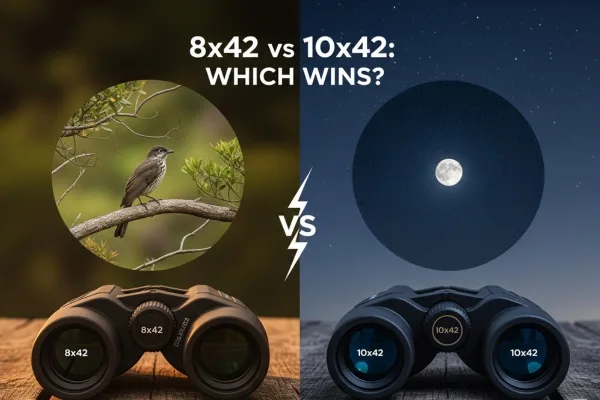
Birding and wildlife watching. You need a wide field of view and a close focus distance. You want to track moving animals in dense brush. You also want to see details on a bird at 50 feet.
The sweet spot here is usually 8×42 or 8×32.
Stargazing and astronomy. You need maximum light gathering power. The night sky is dark. Your binoculars need to collect as much light as possible.
Objective lenses of 50mm or larger are common. Magnification often sits at 10x or 15x. You will almost certainly need a tripod.
Hunting and outdoor sports. You need good low light performance and rugged build quality. Hunters often glass at dawn and dusk. That means a large exit pupil and quality glass coatings.
The common choice is 10×42. It gives you extra reach without adding too much weight.
The Rest of the Scenario
Some people do not fit cleanly into one group. Maybe you want a single pair for hiking, theater, and marine use. That is possible, but you will compromise on something.
The best approach is to pick the activity you do most often. Optimize for that.
Industry data confirms that the 8×42 configuration is the best all-around choice. It handles about 80 percent of common use cases. If you can only own one pair, that is the spec to start with.
The Specs That Actually Matter for Your Activity
Binoculars come with a string of numbers and terms. Most of them matter. A few of them matter a lot.
Here is what you need to know.
Magnification and Objective Lens
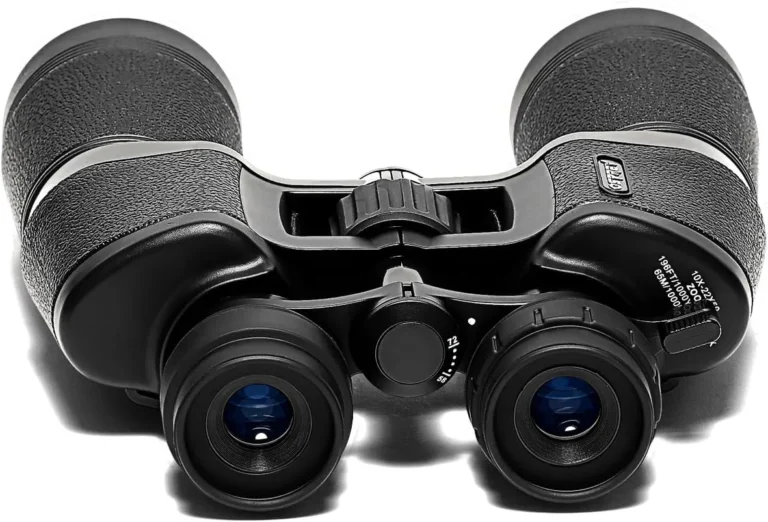
The two numbers you see on every binocular are magnification and objective lens diameter. A 10×42 binocular magnifies the image 10 times. The objective lens is 42mm wide.
That lens collects light.
Higher magnification is not always better. Hand shake becomes a real problem at 10x and above. The image bounces around.
You lose detail instead of gaining it. For most people, 8x is the sweet spot for handheld use.
Larger objective lenses gather more light. They also add weight. A 50mm lens is great for astronomy.
It is a burden on a long hike.
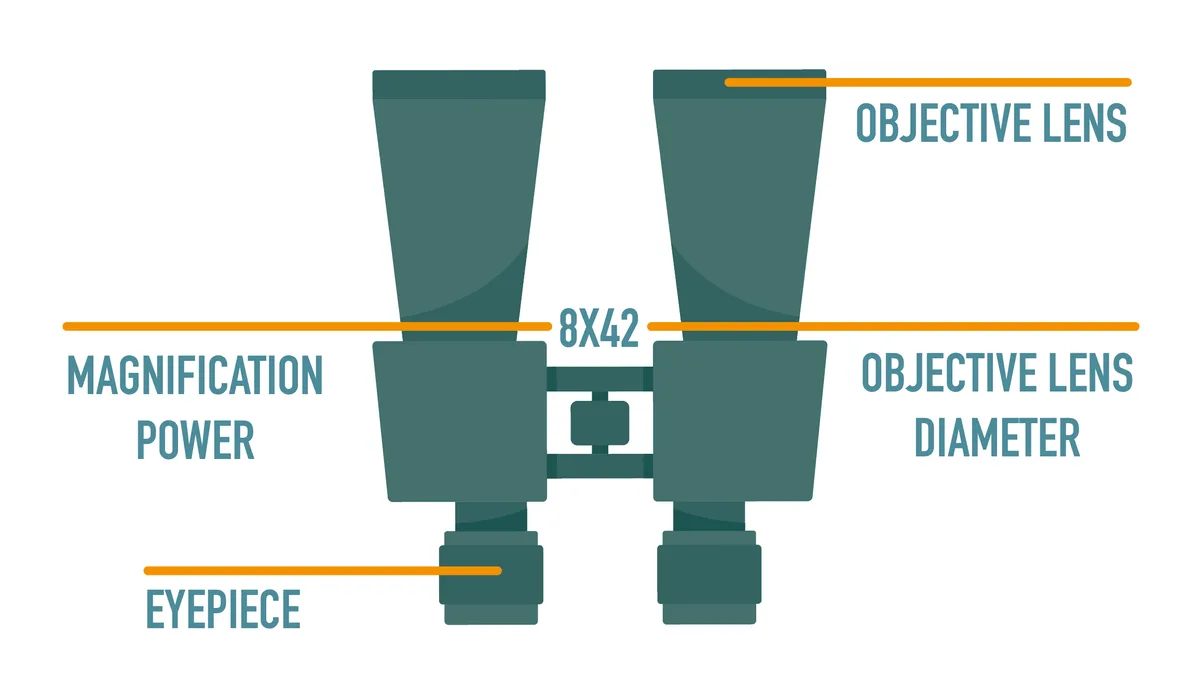
Image source: Bing (Web (fair-use with source credit))
Field of View
The field of view is the width of the area you can see at 1000 yards. It is measured in feet. A wider field helps you find and track moving subjects.
Birds and sports players move fast. A narrow field makes you feel like you are looking through a straw.
Compact binoculars with high magnification often have narrow fields. That is a trade off you need to consider.
Exit Pupil
The exit pupil is the beam of light that leaves the eyepiece. You calculate it by dividing the objective lens by the magnification. A 8×42 binocular has a 5.25mm exit pupil.
A 10×42 has a 4.2mm exit pupil.
For daytime use, 4mm is enough. For low light and astronomy, you want 5mm or more. The larger exit pupil matches how your pupils dilate in the dark.
Eye Relief
Eye relief is the distance from the eyepiece to your eye. If you wear glasses, this matters a lot. Too little eye relief and you cannot see the full field.
You end up pressing your glasses against the lens. Look for 16mm or more if you wear glasses.
Lens Coatings
Lens coatings reduce glare and improve light transmission. The term "fully multi-coated" means every glass surface has multiple layers of coating. That is the standard to aim for.
Cheap coatings produce dim, washed out images. Quality coatings make the image bright and crisp.
| Spec | Best for Birding | Best for Stargazing | Best for Hunting |
|---|---|---|---|
| Magnification | 8x | 10x to 15x | 10x |
| Objective lens | 32mm to 42mm | 50mm to 56mm | 42mm |
| Exit pupil | 4mm to 5.25mm | 5mm or more | 4.2mm to 5.25mm |
| Eye relief | 15mm or more | 15mm or more | 16mm or more |
| Field of view | Wide (350ft+) | Moderate | Moderate to wide |
What Are You Actually Watching? – Three Main Use Case Branches
Let us walk through the three main branches in detail. Each one has specific requirements and common pitfalls.
Image source: Bing (Web (fair-use with source credit))
Branch 1: Birding and Wildlife Watching
Birding is the most popular use for binoculars. It is also the most demanding in some ways. You need to see detail at distance.
You also need to focus quickly on moving subjects.
Close focus distance is a key spec here. Many binoculars can only focus down to 15 or 20 feet. That is fine for birds in the distance.
It is useless for a butterfly on a flower six feet away. Look for a close focus of 6 feet or less if you watch insects or small wildlife.
The field of view matters for finding birds. A wide field helps you scan tree branches and open fields. The American Birding Association recommends an 8×42 or 8×32 for most birders.
The 8x magnification gives you a stable image. The 42mm objective gathers enough light for dawn and dusk.
Branch 2: Stargazing and Astronomy
Stargazing is a different game entirely. The sky is dark. Your eyes need help collecting light.
A 8×42 binocular works for basic moon viewing. It will disappoint you on deep sky objects like nebulae or star clusters.
For astronomy, go bigger. A 10×50 or 15×70 is common. The large objective lens pulls in more light.
The downside is weight. A 15×70 binocular can weigh over 3 pounds. You cannot hold it steady for long.
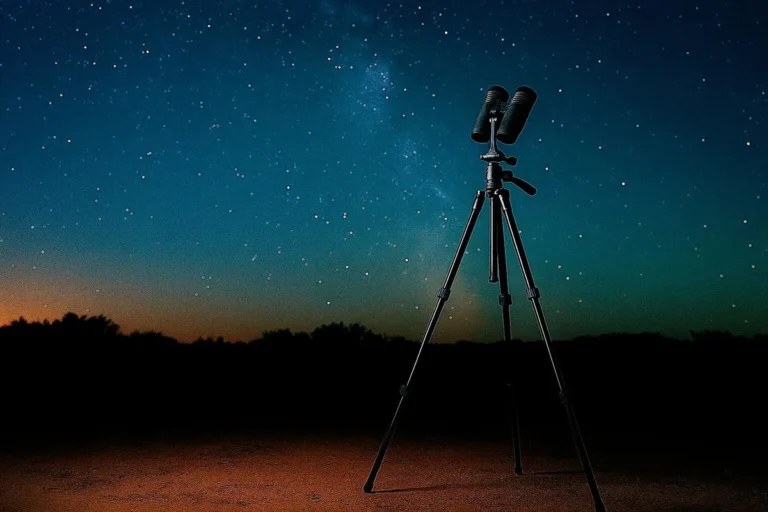
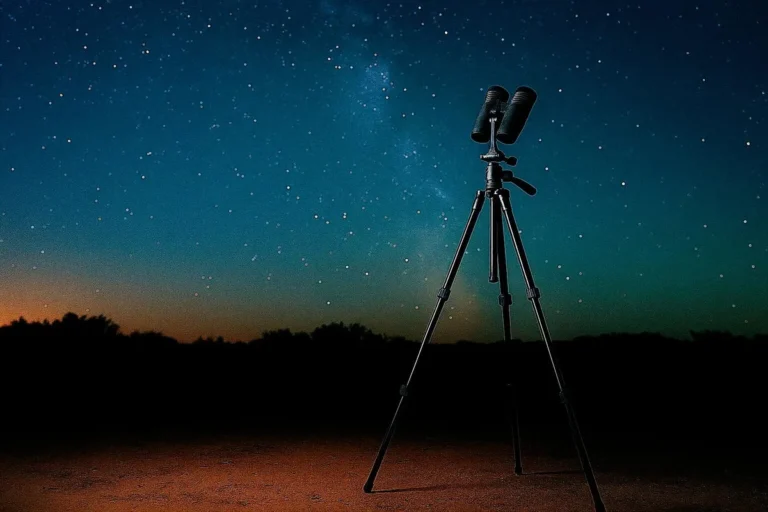
A tripod adapter is essential. Without one, your arms will shake and the image will bounce. Most binoculars have a threaded socket under a cap on the front hinge.
You attach an adapter and mount the binoculars on a standard tripod.
The International Dark-Sky Association notes that binoculars are often the best tool for new stargazers. They are easier to use than a telescope. They give you a wide view of the sky.
You can scan the Milky Way or look at the moon in detail.
Branch 3: Hunting and Outdoor Sports
Hunters need binoculars that work in low light. Dawn and dusk are prime hunting times. That means a large exit pupil and quality glass.
Ruggedness is also critical. Hunting binoculars get knocked around. They get wet.
They get dusty. Look for a waterproof and fog proof rating. Nitrogen purging prevents internal fogging.
Many hunters prefer 10×42. The extra magnification helps identify game at distance. The 42mm objective provides enough light for early morning use.
Some hunters go with 8×42 for dense woods where a wide field matters more.
The Rest of the Field – Marine, Theater, Hiking and General Use
Not everyone fits into the three main branches. Here is how the decision tree works for other common scenarios.
Marine and Boating
Marine use demands waterproofing and salt fog resistance. The binoculars will get splashed. They might get dropped.
Floatable models exist for a reason.
Image stabilization is a huge help on a boat. The rocking motion of the water makes a standard pair nearly unusable. Stabilized binoculars use gyroscopes or electronics to keep the image steady.
They are expensive. They are worth every penny if you spend time on the water.
Magnification for marine use is usually 7x. The lower power gives you a wider field and a steadier image. A 7×50 is a classic marine configuration.
The large exit pupil works well in variable light conditions.
Theater and Concerts
Theater binoculars are small and discreet. They fit in a pocket or a small bag. The magnification is usually 4x to 8x.
The objective lens is small, around 20mm to 25mm.
The key spec here is close focus. You might be 50 feet from the stage. You do not need massive magnification.
You need a clear image in low light. Many theater binoculars have a fixed focus. You set them once and leave them.
Hiking and Backpacking
Weight is the enemy on a hike. Every ounce counts. A compact 8×25 or 8×32 is ideal.
You give up some light gathering. You gain portability.
Some hikers carry a monocular instead of binoculars. It is lighter. It gives up depth perception.
If you want to see detail and keep weight low, a monocular can work. But binoculars are more comfortable for extended use.
General and Travel
If you want one pair for everything, stick with 8×42. It is the most versatile configuration. It works for birding, hiking, sports, and general sightseeing.
It is not perfect for any single activity. It is good enough for most.
Manufacturer data confirms that 8×42 is the best selling format. That is not a coincidence. It reflects the needs of the average user.
Common Mistakes That Ruin the Experience
Even good binoculars can disappoint if you make the wrong choices. Here are the most common mistakes we see in aggregate reviews.
Buying Too Much Magnification
People think higher magnification means better. It does not. Hand shake becomes a real problem at 10x and above.
The image bounces. You cannot hold it steady. You end up with a blurry view.
A 10x binocular on a tripod is great. A 10x binocular in your hands is shaky. If you plan to use binoculars handheld, stick with 8x.
If you need more reach, invest in a tripod.
Ignoring Eye Relief
If you wear glasses, eye relief is critical. Too little eye relief means you cannot see the full field. You end up pressing your glasses against the lens.
That scratches the coating. It also gives you a restricted view.
Look for binoculars with 16mm or more of eye relief. Many brands list this spec clearly. Do not skip it.
Skipping the Tripod for Astronomy
Astronomy binoculars are heavy. A 15×70 pair weighs over 3 pounds. Your arms will shake.
The image will bounce. You will see stars instead of sharp images.
A tripod adapter costs about 20 dollars. It transforms the experience. Use it.
Buying Cheap Coatings
Lens coatings matter. Cheap coatings produce dim, washed out images. Quality coatings make the image bright and crisp.
The term "fully multi-coated" is the standard to aim for.
Do not buy a pair with no coating or only single coating. The difference is obvious in low light.
Overlooking Close Focus
Close focus is a hidden spec. Many binoculars can only focus down to 15 feet. That is fine for distant viewing.
It is useless for butterflies, dragonflies, or small wildlife.
If you want to watch close subjects, look for a close focus of 6 feet or less. Some specialized models focus as close as 3 feet.
Which One Is Right for You? – A Simple Decision Guide
Here is a straightforward way to pick your binoculars. Answer three questions. The answers will point you to the right configuration.
Question 1: What is your primary activity?
If you answered birding or wildlife watching, go with 8×42 or 8×32. Prioritize field of view and close focus distance. Look for a close focus under 6 feet.
The 8×42 gives you the best balance of light and portability.
If you answered stargazing, go with 10×50 or 15×70. Prioritize objective lens size. You need light gathering power.
Budget for a tripod adapter and a sturdy tripod. The 15×70 will show you detail in the Orion Nebula that a smaller pair cannot touch.
If you answered hunting, go with 10×42. Prioritize low light performance and ruggedness. Look for a fully waterproof and fog proof pair.
Nitrogen purging is standard at this level. Do not skip it.
If you answered marine or boating, go with 7×50. Prioritize waterproofing and image stabilization if you can afford it. Floatable models are available.
They cost more but they save your gear if you drop it overboard.
If you answered theater or concerts, go with a compact 4×21 or 8×25. Prioritize low weight and close focus. You do not need massive magnification.
You need a clear image in low light.
Question 2: Do you wear glasses?
If you wear glasses, eye relief is your most important spec. Look for 16mm or more. Many manufacturers list this clearly.
Do not guess. A pair with 12mm of eye relief will force you to mash your glasses against the lens. You will lose the outer part of the image.
Twist up eyecups help. You can adjust them to the right height. Some models have long eye relief built in.
Others are designed specifically for eyeglass wearers.
Question 3: What is your budget?
Your budget determines the glass quality and build materials you can afford. Here is a rough breakdown.
| Budget Range | What You Get | Example Specs |
|---|---|---|
| $50 to $150 | Entry level. Basic coatings. BK-7 glass. Limited warranty. | 8×42, 10×42 |
| $150 to $400 | Mid range. Fully multi coated. BAK-4 glass. Good warranty. | 8×42, 10×42, 8×32 |
| $400 to $800 | Upper mid range. ED glass. Phase correction. Excellent warranty. | 8×42, 10×42, 10×50 |
| $800 and up | Premium. Extra low dispersion glass. Dielectric coatings. Lifetime warranty. | 8×42, 10×42, 15×56 |
Our research shows that the mid range offers the best value for most people. You get quality glass and a solid warranty. You do not pay for the premium brand name.
Aggregate reviews confirm that the $150 to $400 range covers the vast majority of happy users.
The Decision Tree in Practice
Let us walk through a real example. You want to watch birds in your backyard. You also want to take the binoculars on hikes.
You wear glasses. Your budget is around 250 dollars.
Start with the activity. Birding and hiking both point to 8×42. The 8x magnification is stable for handheld use.
The 42mm objective gives you enough light for dawn and dusk.
Now check eye relief. You need 16mm or more. Many mid range models offer 17mm to 19mm.
Both fit your budget.
Finally, check close focus. Birding needs a close focus under 6 feet. Some models focus to 6 feet.
Others focus to 8.2 feet. The closer focus wins on that spec.
The result is a clear recommendation. An 8×42 pair with 17mm or more of eye relief and a close focus under 6 feet fits your needs. The warranty should be solid.
The glass should be fully multi-coated. The price is right.
Frequently Asked Questions
What does 8×42 mean on binoculars?
The first number is magnification. 8x means the image appears eight times closer than it does to your naked eye. The second number is the objective lens diameter in millimeters. 42mm means the front lens is 42mm wide. A larger objective lens gathers more light.
Can I use hunting binoculars for birding?
Yes, but you may not get the best experience. Hunting binoculars often have higher magnification and narrower fields of view. Birding benefits from a wide field and a close focus distance.
A 10×42 hunting pair works in a pinch. An 8×42 birding pair is more comfortable.
Do I need a tripod for binoculars?
You need a tripod for binoculars with 10x magnification or higher. Hand shake becomes a real problem at 10x and above. For astronomy, a tripod is essential.
For birding and general use, 8x is stable enough for most people. A tripod adapter costs about 20 dollars and is worth owning.
What is the best binocular magnification for stargazing?
The best magnification for stargazing is 10x to 15x. The 10×50 is the most popular astronomy binocular. It gives you enough light gathering power to see star clusters and nebulae.
The 15×70 shows more detail but requires a tripod. The 7×50 is also excellent for wide field scanning.
How do I clean binocular lenses safely?
Use a blower brush to remove dust first. Then use a microfiber cloth with lens cleaning solution. Never use paper towels or your shirt.
They scratch the coatings. Store the binoculars in a dry case. Clean the lenses only when they are visibly dirty.
What is the difference between roof prism and Porro prism binoculars?
Roof prism binoculars have a straight barrel shape. They are more compact and durable. They cost more for the same glass quality.
Porro prism binoculars have a zigzag shape. They are bulkier but cheaper. They often deliver better optical quality for the same price.
Roof prism is the modern standard for most uses.
The Bottom Line on What to Buy
Here is the short version of everything we covered. Pick your primary activity first. Then choose the magnification and objective lens size.
Then check eye relief and close focus. Then set your budget.
For most people, the 8×42 is the right answer. It handles birding, hiking, sports, and general travel. It is stable enough to use handheld.
It gathers enough light for dawn and dusk. It is the best selling format for a reason.
If you know you will spend most of your time on one activity, optimize for that activity. Stargazers need a 10×50 or 15×70. Hunters need a 10×42 with good low light performance.
Theater goers need a compact 4×21 or 8×25.
The most important thing is to avoid the common mistakes. Do not buy too much magnification. Do not ignore eye relief.
Do not skip the tripod for astronomy. Do not buy cheap coatings.
The right binoculars will serve you for years. The wrong pair will sit in a drawer. Take the time to match the specs to your activity.
You will get a tool that makes your hobby more enjoyable.