What Is the Best Magnification for Hunting
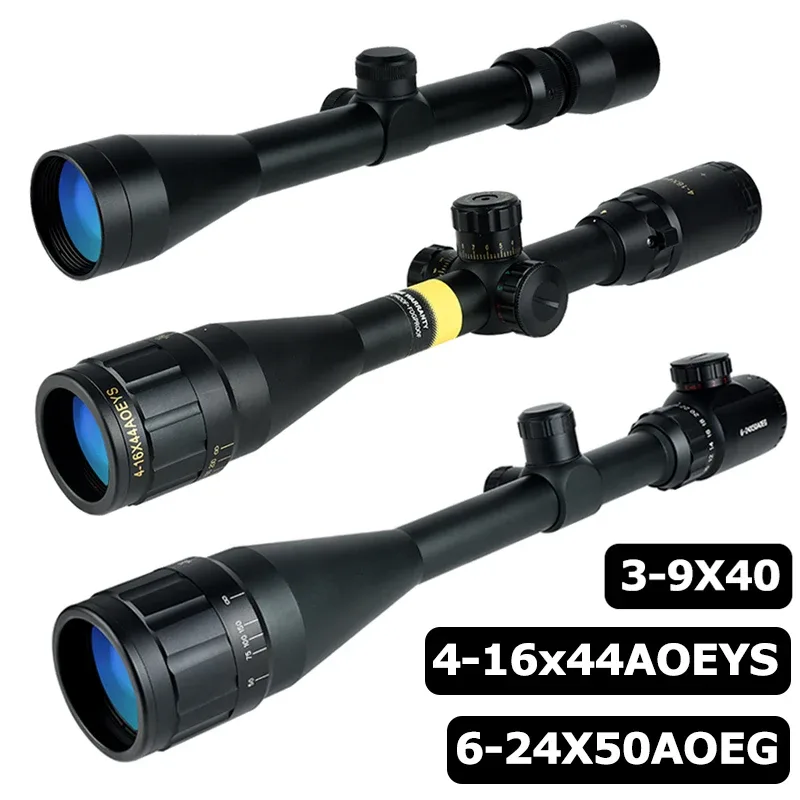
Image source: Bing (Web (fair-use with source credit))
There is no single "best" magnification for hunting. The right answer depends on where you hunt, what you hunt, and how far you shoot. A 3-9×40 works for many situations, but it is not optimal for all of them.
Manufacturer spec sheets show that a 3-9×40 offers a field of view from about 35 feet down to 12 feet at 100 yards. That swing matters. A wider field of view helps you find a running target.
Higher magnification helps you place a precise shot. The goal is to match the scope to your terrain, not to pick a number off a shelf.
Quick Answer
The best magnification for hunting sits between 2x and 16x depending on your terrain. For dense woods, use a 2-7×32. For mixed terrain, a 3-9×40 works best.
For open country, choose a 4-12×44 or 4-16×50. The right range depends on your typical shot distance and field of view needs.
The "Best" Magnification Doesn't Exist – Here's Why
The 3-9×40 is the default choice for a reason. It is versatile and affordable. But if your hunting is specialized, that jack-of-all-trades scope becomes a compromise.
You trade field of view for magnification. You trade low-light performance for top-end reach.
In the dense Eastern woods, you need a wider field of view. A 2-7×32 or a 1-6×24 LPVO gives you that. You stay on target easier when the buck crashes through the brush.
In the open Western mountains, you need precision. A 4-12×44 or a 4-16×50 gives you the ability to place a shot at 300 yards with confidence.
The "best" depends entirely on your "where." Once you accept that, the choice gets clear.
How Magnification Actually Affects Your Shot
Three critical factors determine how a scope performs in the field.
Field of View (FOV). This is how much of the world you see at 100 yards. At low power, the image is wide. At high power, it narrows.
A 35-foot FOV at 3x means you can scan a hillside. A 12-foot FOV at 9x means you are focused on a single patch of hair. For a running target, width wins.
Exit Pupil. This is the beam of light that enters your eye. You calculate it by dividing the objective lens diameter by the magnification. A 40mm lens at 4x gives a 10mm exit pupil.
At 8x, it gives a 5mm exit pupil. Your eye dilates to about 5-7mm in low light, according to the National Institutes of Health. So a 5mm exit pupil is perfect.
A 10mm exit pupil wastes light. A 3mm exit pupil leaves your eye straining.
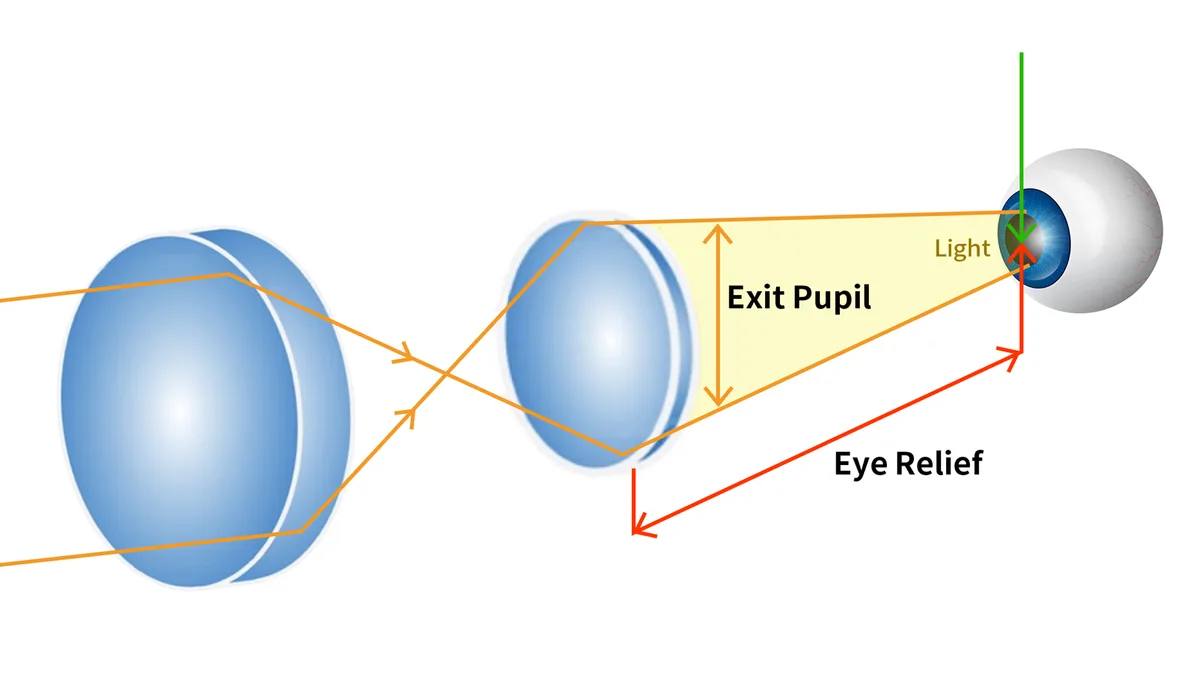
Image source: Bing (Web (fair-use with source credit))
Low Light Performance. This is the hardest test. In the last 15 minutes of legal light, a scope with a larger objective and lower magnification wins. A 2-7×32 with a fully multi-coated lens will show you more than a 4-16×50 cranked to 16x.
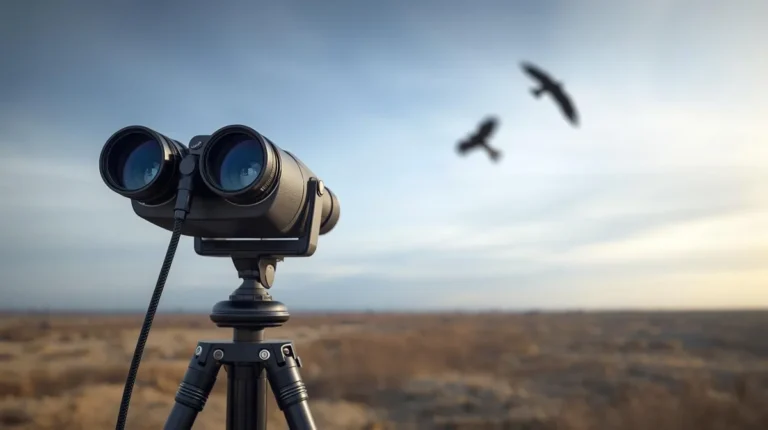
The image above illustrates how much context you lose as you zoom in.
The Three Big Factors That Should Drive Your Choice
1. Typical Shot Distance. Be honest with yourself. Most deer are shot under 100 yards.
Most elk are shot under 200 yards. If you hunt the South, you likely do not need 16x. If you hunt the high country, you need at least 10x to reach out ethically.
2. Terrain Density. In thick cover, speed is everything. You need a wide FOV to find the animal in the tangle.
In open country, precision is everything. You need magnification to see the exact spot.
3. Game Type and Behavior. A standing whitetail is a low-stress target. A bull elk crashing through timber is a fast-moving target.
For predators, you need flexibility. A 4-12×44 with an illuminated reticle covers both extremes well.
Combine these three factors. That is your input. Now we can run the decision tree.
Decision Tree: Pick Your Hunting Style
Here is where the abstract meets the concrete. Follow the path that fits your primary hunting style.
The Eastern Woods Scenario:
- IF you hunt whitetail in hardwoods at under 100 yards
- THEN prioritize a wide field of view and low weight.
- Recommended: 2-7×32 or 1-6×24. Use a Second Focal Plane (SFP) reticle for fast shots.
The Western Open Country Scenario:
- IF you hunt elk, mule deer, or antelope at 250+ yards
- THEN prioritize magnification and low-light performance.
- Recommended: 4-12×44 or 4-16×50. A First Focal Plane (FFP) reticle helps with holdovers at long range.
The Mixed Terrain Scenario:
- IF you hunt farm edges, power lines, and mixed fields
- THEN prioritize versatility.
- Recommended: 3-9×40 or 2-10×42. This is the safe bet, and it works.
The Predator Scenario:
- IF you hunt coyotes
- THEN choose the most flexible setup.
- Recommended: 4-16×44 with an illuminated reticle and side parallax adjustment.
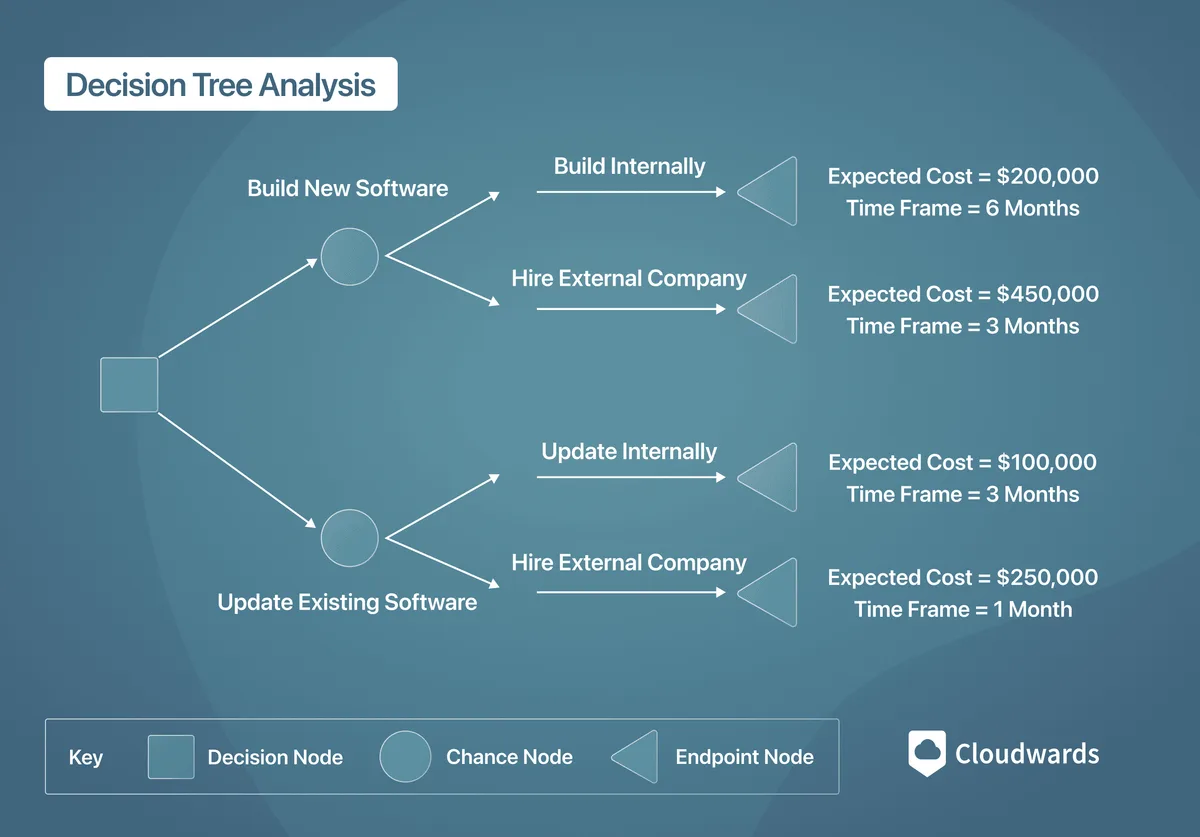
Image source: Bing (Web (fair-use with source credit))
The image above maps out this decision process visually. Let it guide your choice.
Recommended Scope Ranges for Each Scenario
Woods / Thick Cover Setup:
- Scope: 2-7×32
- Weight: ~12 ounces
- Field of View at 2x: ~44 feet at 100 yards
- Exit Pupil at 2x: 16mm (very bright)
- Best For: Fast target acquisition in tight quarters
Mixed / All-Around Setup:
- Scope: 3-9×40
- Weight: ~15 ounces
- Field of View at 3x: ~35 feet at 100 yards
- Exit Pupil at 3x: 13.3mm
- Best For: Covering 80% of hunting situations in North America
Open Country / Long Range Setup:
- Scope: 4-16×44
- Weight: ~20 ounces
- Parallax: Side focus adjustable down to 50 yards
- Turrets: Exposed and zero-reset
- Best For: Precision shots at 250 yards and beyond
Predator Specific Setup:
- Scope: 4-12×44 SFP
- Weight: ~18 ounces
- Reticle: Illuminated BDC or Mil-Dot
- Clicks: 1/4 MOA for precise holdover
- Best For: Flexibility from close range to long range
Common Magnification Mistakes Hunters Make
Cranking to max power for every shot. This is the most common mistake. Hunters zoom all the way in and then lose the target when it moves. At 12x, your field of view is about 8 feet at 100 yards.
A buck taking two steps can vanish from sight. Keep your magnification at the lowest usable setting until you are ready to shoot. Then dial up only if you have time.
Choosing a scope with too much top-end magnification. A 6-24×50 looks impressive on the shelf. But in the woods, it is heavy and gives a tiny exit pupil at high power. For most deer hunting under 200 yards, you never need over 12x.
The extra weight just makes you tired on the hike.
Ignoring exit pupil for low light. Many hunters buy a 50mm objective because they think bigger is always brighter. At 4x, a 50mm gives a 12.5mm exit pupil. Your eye can only use 5-7mm in dim light.
That means you are wasting light. A 40mm objective at 4x gives a 10mm exit pupil, which is more than enough. The real low-light test is lens quality, not just lens size.
Forgetting about eye relief. If you have a heavy-recoiling rifle, short eye relief means scope bite. Standard eye relief for hunting scopes is 3.5 to 4 inches. Check the spec before you buy.
Mount the scope so you get a full field of view without straining your neck.
Buying a first focal plane (FFP) scope for close-range hunting. FFP reticles change size with magnification. At low power, the reticle becomes tiny and hard to see in thick brush. For woods hunting, a second focal plane (SFP) reticle stays the same size and is much faster.
Save FFP for long-range precision shooting.
Quick Reference: Best Magnification by Terrain
| Terrain Type | Typical Shot Distance | Recommended Magnification | Objective Lens Size | Key Priority |
|---|---|---|---|---|
| Dense woods / thickets | Under 100 yards | 2-7x or 1-6x | 32mm or 24mm | Wide field of view |
| Mixed farm / field edges | 100 to 200 yards | 3-9x or 2-10x | 40mm or 42mm | Versatility |
| Open plains / mountains | 200 to 400+ yards | 4-12x or 4-16x | 44mm or 50mm | Precision and low light |
| Predator (variable) | 30 to 400 yards | 4-12x or 4-16x | 44mm | Flexibility and illuminated reticle |
| Hog hunting (brush) | 50 to 200 yards | 3-9x or 2-7x | 40mm | Durability and speed |
Notice the pattern. Shorter shots need less magnification. Longer shots need more.
The objective size grows to gather light for long-range precision.
One more tip. For a true all-around rifle, a 3-9×40 with a duplex reticle is still the most popular choice for good reason. It handles 80% of hunting situations. If you only have one rifle, start there.
Frequently Asked Questions About Hunting Scope Magnification
Is 3-9×40 good for deer hunting?Yes, for most deer hunting scenarios. It works well in mixed terrain, offers a good field of view at 3x, and enough magnification for 200-yard shots. It is the most common recommendation for a reason.
What is the best low-light hunting scope magnification?For low light, keep the magnification low. A 2-7×32 at 2x gives a large exit pupil and maximum brightness. If you need more magnification, a 3-9×40 at 3x still offers an excellent exit pupil of 13.3mm.
Can I use a 4-16x for close-range hunting?You can, but it is not ideal. At 4x the field of view is around 26 feet at 100 yards. That is narrower than a 2-7x at 2x. You will struggle to find a moving target in thick brush. Use a lower power scope for tight quarters.
What magnification do I need to shoot 300 yards?You need at least 9x to clearly see a deer-sized target at 300 yards. A 4-12x or 4-16x set to 10-12x gives you the precision needed for an ethical shot. Remember to account for bullet drop and wind.
Does objective lens size affect magnification?No. The objective lens size determines light gathering, not magnification. Magnification is determined by the scope's internal lens system. You can have a 4x scope with a 50mm objective or a 12x scope with a 40mm objective.
Your Final Decision Guide
You have the knowledge. Now make the choice.
Step one. Write down your typical shot distance. Be honest. If you hunt the same property every year, you know the ranges.
If you hunt different places, estimate the maximum distance you can shoot accurately.
Step two. Consider your terrain. Is it open or tight? That decides your field of view needs.
Step three. Match your game. Whitetail in the woods need speed. Elk in the mountains need precision.
Predators need flexibility.
Here is a simple matching rule.
- 1-6x or 2-7x: Thick brush, close range, fast action.
- 3-9x or 2-10x: Mixed terrain, general purpose, do-it-all.
- 4-12x or 4-16x: Open country, long range, precision work.
What about fixed power scopes? A fixed 4x or 6x is lighter and simpler. They are excellent for specific situations. But they lack versatility.
If you hunt only one type of terrain and know your exact distances, a fixed scope is a solid choice. For most hunters, a variable scope gives more options.
Final thought. Do not overthink this. The best scope is the one you practice with. A 3-9×40 that you shoot weekly will outperform a 4-16×50 that sits in the safe.
Buy within your budget. Mount it properly. Practice at the ranges you will hunt.
That is the real secret to making the right choice.