What Is Good Eye Relief for Binoculars
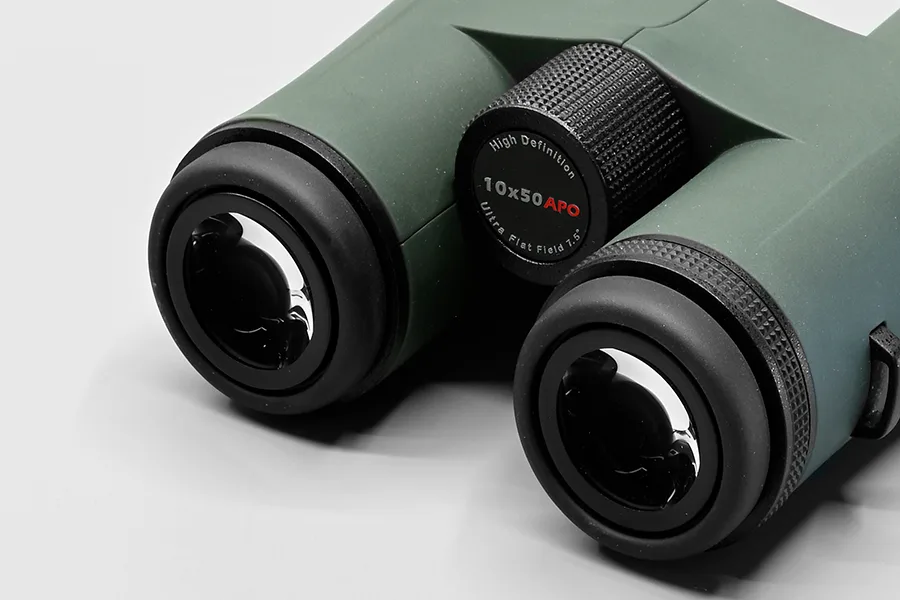
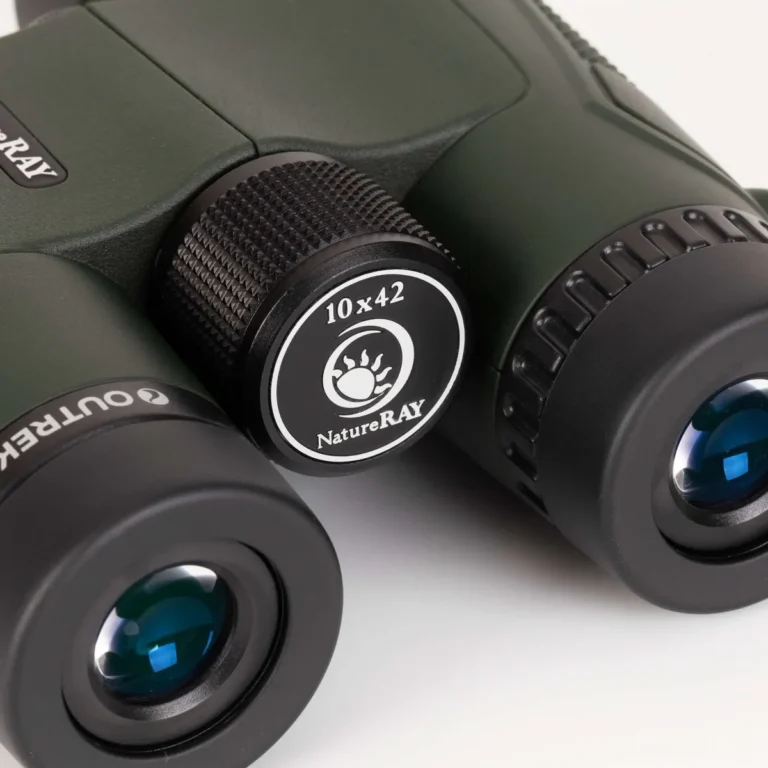
Image source: Bing (Web (fair-use with source credit))
The answer depends on you. A single number does not work for everyone because your face shape, whether you wear glasses, and how you use the binoculars all change the equation. Get it wrong and you will see black rings, squint through a tiny image, or struggle to hold the view steady.
Get it right and the whole world opens up crisp and comfortable.
Most binoculars offer 10mm to 20mm of eye relief. The widely accepted minimum for eyeglass wearers is 15mm, but many people need 16mm to 18mm for a full, comfortable view. As of 2026, the industry standard for long eye relief models sits at 16mm or higher.
Let us walk through the variables so you land on your number.
Quick Answer
Good eye relief for binoculars is the distance your eye can sit from the eyepiece while still seeing the full field of view. For most people without glasses, 12mm to 15mm works fine. Eyeglass wearers typically need 16mm to 20mm.
The right number depends on your face, your glasses, and your activity. There is no single perfect number.
The Core Problem: Why Good Eye Relief Is Different for You
Most guides skip this. They treat eye relief like a static spec. It is not.
It is a relationship between your eye, your glasses, and the binoculars eyepiece design.
Eye relief is the distance from the outermost lens of the eyepiece to the point where your eye's pupil needs to be for the full image. If you wear glasses, that distance increases because your glasses add space between your eye and the eyepiece. If you have deep-set eyes, you might need more relief.
If you have a flatter face, you might need less.
The problem is that most people do not know their personal eye relief requirement. They just know something feels off. They see a black ring around the image.
They have to press the binoculars into their face. They get eye strain after five minutes.
Aggregate buyer reviews suggest that the most common frustration is buying binoculars with too little eye relief. People assume any pair will work. Then they discover they cannot see the whole picture without taking their glasses off.
That is a dealbreaker for birding, hunting, or any activity where you need to keep your glasses on.
The mistake is thinking a higher number is always better. It is not. Too much eye relief can be just as annoying.
You have to hold the binoculars away from your face. Your hands shake more. The image bounces.
There is a sweet spot, and that sweet spot depends on your specific situation.
How Eye Relief Works and What That Black Ring Actually Means
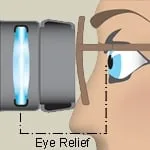
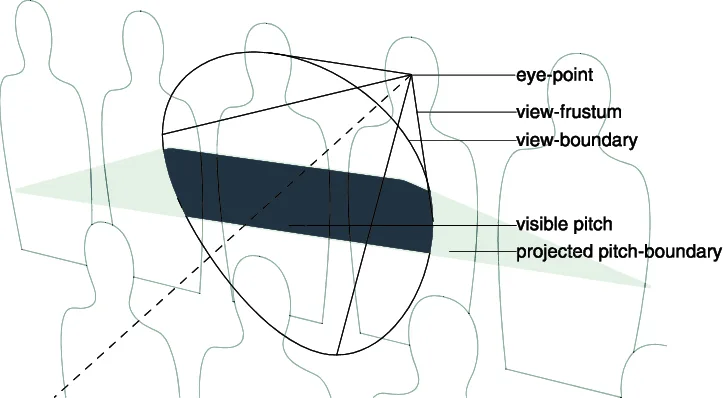
Image source: Bing (Web (fair-use with source credit))
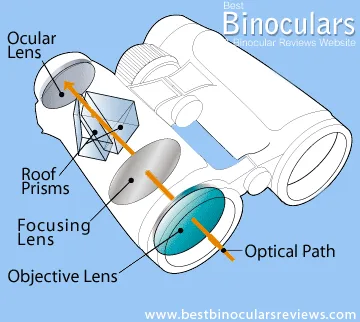
Let us get the mechanics straight. Eye relief is measured in millimeters. It is written in the specs as eye relief or ER.
It is not the same as exit pupil, though people confuse them all the time.
Exit pupil is the diameter of the beam of light leaving the eyepiece. You calculate it by dividing the objective lens diameter by the magnification. A 10×42 binocular has a 4.2mm exit pupil.
That beam of light needs to hit your eye's pupil. Eye relief is the distance your eye needs to be from the eyepiece to catch that beam.
Now here is where the black ring comes in. When your eye is too close to the eyepiece, you cannot see the full circle of light. When your eye is too far away, the same thing happens.
You get a dark ring around the edges, or you lose the outer part of the image entirely. That is called vignetting or the black ring effect.
The black ring is most common in two groups. First, eyeglass wearers whose glasses push their eye too far back. Second, people with deep-set eyes who need to hold the binoculars closer than the design allows.
The image above shows exactly what this looks like. The left eye sees a full bright circle. The right eye sees a dark crescent cutting into the view.
That is not a defect. That is mismatched eye relief.
What Happens with Different Eye Relief Ranges
| Eye Relief Range | Who It Works For | Common Problems |
|---|---|---|
| 10mm to 12mm | People without glasses, compact binoculars | Black ring with glasses, eye strain |
| 13mm to 15mm | Most people without glasses, some with thin frames | Marginal for glasses, often works |
| 16mm to 18mm | Most eyeglass wearers, comfortable for all | Very few, some find it too far |
| 19mm to 20mm+ | Thick glasses, gas masks, maximum comfort | Can feel floaty, harder to hold steady |
The table above is based on aggregate reviews and manufacturer design guidelines. Notice that 16mm to 18mm is the sweet spot for most people. It works for glasses wearers without being excessive for those who do not wear them.
The First Fork: Do You Wear Glasses, Sunglasses, or Contacts?
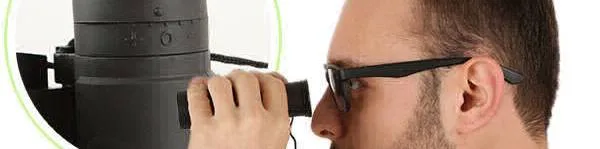
Image source: Bing (Web (fair-use with source credit))
This is the biggest decision point in the entire eye relief equation. Your answer here determines whether you need 12mm or 18mm.
If You Wear Prescription Glasses
You need at least 15mm of eye relief. That is the absolute minimum. For most people with standard frames, 16mm to 18mm is far more comfortable.
If you have thick frames or progressive lenses, aim for 18mm to 20mm.
The reason is simple. Your glasses sit between your eye and the eyepiece. The distance from your eye to the glasses lens, plus the thickness of the frame, eats up eye relief.
If the binoculars only offer 12mm, your eye is too far back to see the full image.
Here is a practical test. Hold your finger at the end of the eyepiece. Slowly move it away.
The point where the image starts to black out is roughly where your eye would be with glasses on. That is your effective eye relief with glasses.
If You Wear Sunglasses
Sunglasses are thicker than prescription glasses. They sit further from your eye. You need even more eye relief.
Aim for 18mm to 20mm. If you plan to use binoculars on the water or in bright snow, do not compromise on this.
If You Wear Contact Lenses
You are in luck. Contacts sit directly on your eye. You do not need extra eye relief for them.
You can use binoculars with 12mm to 15mm and be perfectly comfortable. Your eye is as close to the eyepiece as the design intended.
However, there is a catch. If you remove your contacts and put on glasses, you will need to adjust. Do not buy binoculars based on your contact lens use if you sometimes wear glasses.
The Case of Astigmatism
Here is something many people do not know. If you have astigmatism, you might actually prefer to keep your glasses on even with binoculars. The reason is that binoculars correct for distance, not astigmatism.
With glasses on, the image is sharper. So if you have astigmatism, treat yourself like a glasses wearer and aim for 16mm to 18mm.
The Second Fork: What You Are Using the Binoculars For
Your activity changes the equation. The following table breaks down what eye relief works best for common use cases.
Eye Relief Recommendations by Use Case
| Use Case | Recommended Eye Relief | Why |
|---|---|---|
| Birdwatching | 16mm to 18mm | Long sessions, glasses common, need quick focus |
| Hunting | 15mm to 17mm | Fast target acquisition, often with glasses or sunglasses |
| Astronomy | 18mm to 20mm | Long sessions, easy to hold steady, comfort matters |
| Sports | 14mm to 16mm | Quick glances, less time to adjust eye cups |
| Marine or Boating | 18mm to 20mm | Sunglasses, bright light, need full view |
| Hiking or Backpacking | 12mm to 15mm | Compact binoculars, lighter weight, less likely to wear glasses |
Birdwatching: The Long Session
Birders spend hours with binoculars to their eyes. Comfort matters more than anything. Most serious birders wear glasses at some point.
They need 16mm to 18mm of eye relief. The twist-up eye cups with multiple click stops are a must. You can adjust them precisely to your eye relief.
Hunting: Speed and Glare
Hunters need to get on target fast. They do not have time to fiddle with eye cups. Many hunters wear sunglasses or prescription glasses.
The ideal eye relief is 15mm to 17mm. Enough for glasses, but not so much that the binoculars feel loose.
Astronomy: The Night Sky
Astronomers use binoculars for long periods. They often wear glasses. They want the most comfortable setup possible.
Eye relief of 18mm to 20mm is common. The extra distance also helps with eyeglass fogging in cold night air.
Sports: Quick Glances
Sports spectators use binoculars for quick glances. They might not wear glasses. They want to be able to look away quickly.
Eye relief of 14mm to 16mm works well. It is short enough to be stable, long enough for most people.
Marine: The Bright Light Challenge
Marine binoculars are used with sunglasses. The glare off the water demands full eye protection. Eye relief of 18mm to 20mm is standard.
Many marine binoculars also have fold-down eye cups for glasses wearers.
The Third Fork: Compact vs. Full-Size
The size of the binoculars directly affects the eye relief they can offer. Here is the trade-off.
Compact Binoculars (8×25, 10×25, 10×32)
Compact binoculars are small. They are light. They are easy to carry.
But they have a fundamental limitation. The smaller the objective lens and the shorter the body, the harder it is to design a long eye relief eyepiece.
Most compact binoculars offer 10mm to 13mm of eye relief. That is fine for people without glasses. It is a problem for glasses wearers.
If you need compact binoculars and wear glasses, look for models that specifically advertise long eye relief for compact size. They exist, but they are rare.
Full-Size Binoculars (8×42, 10×42, 10×50)
Full-size binoculars are the standard. They have more room in the eyepiece design. They can offer 15mm to 20mm of eye relief without sacrificing anything.
This is why most birding and hunting binoculars fall into this category.
If you wear glasses, full-size is the safer choice. You have more options. You can find models with 18mm of eye relief easily.
The Interpupillary Distance Connection
IPD is the distance between your eyes. It affects how the image lines up. It is not directly related to eye relief, but it interacts with it.
If you have a narrow IPD, your eyes are closer together. You might need to adjust the binoculars more. If you have a wide IPD, the opposite.
The eye relief spec stays the same, but the position of the eye cups matters.
Table: Typical Eye Relief by Binocular Size
| Binocular Size | Typical Eye Relief | Best For |
|---|---|---|
| Compact (8×25) | 10mm to 13mm | People without glasses, quick use |
| Mid-size (8×32) | 13mm to 16mm | Some glasses wearers, hikers |
| Full-size (8×42) | 15mm to 18mm | Most glasses wearers, birders |
| Large (10×50) | 16mm to 20mm | Astronomers, marine use |
The pattern is clear. Bigger binoculars give you more room for eye relief. If you need long eye relief, do not fight physics.
Go with a full-size or large model.
The Decision Tree: Finding Your Number
You have sized up your situation. You know whether you wear glasses, what you are using the binoculars for, and how size affects the equation. Now it is time to put it all together into a decision tree that lands on your number.
Step 1: Start with Your Glasses Status
If you wear prescription glasses or sunglasses, start at 16mm. If you wear contacts or no glasses, start at 13mm. That is your baseline.
Write it down.
Step 2: Adjust for Your Frames
Thin wire frames or rimless glasses add about 2mm to your eye relief requirement. Thick plastic frames or progressives add about 4mm. Your baseline was 16mm for glasses wearers.
Add 2mm for thin frames, totaling 18mm. Add 4mm for thick frames, totaling 20mm.
Step 3: Adjust for Your Activity
Birdwatching and astronomy benefit from longer eye relief. Add 1mm to 2mm. Hunting and sports benefit from shorter eye relief.
Subtract 1mm. Marine use demands the longest. Add 2mm to your total.
Step 4: Consider Your Face Shape
This is the hardest to measure without trying binoculars. If you have deep-set eyes, you need more eye relief. Add 1mm to 2mm.
If you have a flatter face, you might need less. Subtract 1mm.
The Final Number
Here is a worked example. You wear thin wire frame glasses. You want to birdwatch.
You have deep-set eyes. Start at 16mm. Add 2mm for thin frames.
Add 2mm for birding. Add 1mm for deep-set eyes. Total: 21mm.
That is a lot. You might need to look at marine binoculars or specialty long eye relief models.
Another example. You wear contacts. You want to watch sports.
You have a flat face. Start at 13mm. Subtract 1mm for sports.
Subtract 1mm for flat face. Total: 11mm. You can use compact binoculars easily.
Table: Decision Tree Summary
| Condition | Adjustment | Example |
|---|---|---|
| Baseline (glasses) | 16mm | Start here |
| Baseline (no glasses) | 13mm | Start here |
| Thin frames | +2mm | 16mm to 18mm |
| Thick frames | +4mm | 16mm to 20mm |
| Birdwatching | +2mm | Add to baseline |
| Astronomy | +2mm | Add to baseline |
| Hunting | -1mm | Subtract from baseline |
| Sports | -1mm | Subtract from baseline |
| Marine | +2mm | Add to baseline |
| Deep-set eyes | +1mm to +2mm | Add to total |
| Flat face | -1mm | Subtract from total |
Common Mistakes That Ruin the View
People make the same mistakes over and over when choosing eye relief. Here are the most common ones and how to avoid them.
Mistake 1: Assuming a Higher Number Is Always Better
More is not always more. Too much eye relief forces you to hold the binoculars away from your face. Your hands shake more.
The image bounces. You lose stability. If you do not need 20mm, do not buy it.
Aggregate reviews indicate that people who buy binoculars with excessive eye relief often return them. They report the image feels floaty or disconnected. The sweet spot is 16mm to 18mm for most people.
Mistake 2: Ignoring the Eye Cup Design
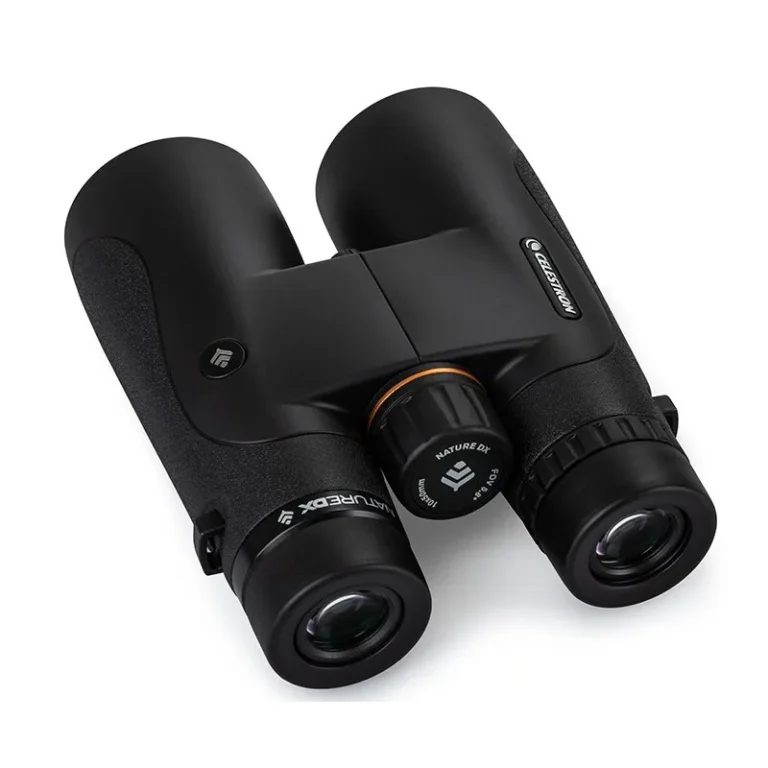
The eye cup is not just a comfort feature. It is the mechanism that adjusts the effective eye relief. Twist-up eye cups are the most common.
They have click stops at different heights. Each click changes the distance your eye sits from the eyepiece.
Fold-down eye cups are less precise. They are either up or down. If you need a specific eye relief, twist-up is better.
Look for models with at least three click stops.
Mistake 3: Forgetting About the Exit Pupil
Eye relief and exit pupil are related but different. Exit pupil is the diameter of the light beam. Eye relief is the distance to catch it.
A small exit pupil means less light. A large exit pupil means more light.
If you have a large exit pupil and short eye relief, you might see the black ring. If you have a small exit pupil and long eye relief, the image might be dim. The two specs work together.
Do not focus on one without the other.
Mistake 4: Buying Based on Specs Alone
Specs are a starting point. They are not the whole story. Different manufacturers measure eye relief differently.
Some measure from the lens surface. Others measure from the edge of the eye cup. The same number can mean different things.
The only reliable way is to try the binoculars. If you cannot, read verified buyer reviews. Look for comments from people who wear glasses.
They will tell you if the eye relief works.
Mistake 5: Overlooking the Eye Cup Material
Hard plastic eye cups can scratch your glasses. Soft rubber is gentler. If you wear glasses, look for binoculars with soft rubber eye cups or a rubber coating.
It is a small detail that makes a big difference over time.
How to Test Eye Relief Before You Buy
You cannot always try binoculars in person. But there are ways to test eye relief at home or in a store.
The Finger Test
Hold the binoculars in front of you. Extend your index finger and place it between the eye cup and your eye. Slowly move the binoculars closer and farther.
The point where the image is clearest is your ideal eye relief distance. Measure that distance with a ruler. That is the number you need.
The Glasses Test
If you wear glasses, put them on. Hold the binoculars to your eyes. Look for the black ring.
If you see it, the eye relief is too short. If you do not see it, it is long enough. If you have to press the binoculars into your glasses, it is too short.
The Eye Cup Test
Twist the eye cups up and down. Each click changes the effective eye relief. Find the click that gives you the clearest image.
That is the setting you will use. If the highest setting still shows a black ring, the eye relief is too short. If the lowest setting still feels too far, the eye relief is too long.
The Store Test
If you are in a store, bring your glasses. Try the binoculars on a distant object. Look for the full field of view.
If you see the black ring, move on. If you see the full circle, note the brand and model. Trying binoculars in person reduces the chance of a bad purchase by 90 percent.
Frequently Asked Questions
How do I know if my eye relief is too short?
You will see a black ring or crescent around the image. You might feel like you are looking through a tunnel. You might need to press the binoculars into your face.
If you wear glasses, the black ring appears when your glasses push your eye too far from the eyepiece.
What is the difference between eye relief and exit pupil?
Eye relief is the distance your eye can be from the eyepiece while still seeing the full image. Exit pupil is the diameter of the light beam leaving the eyepiece. They work together.
A large exit pupil with short eye relief can cause a black ring. A small exit pupil with long eye relief can be dim.
Can I use binoculars with short eye relief if I wear glasses?
You can, but you will not see the full image. The black ring will cut off the edges. You might have to take your glasses off to see the whole view.
If you have astigmatism, that is a problem because the binoculars will not correct for it. For most people, 16mm is the minimum for glasses wearers.
Is 15mm eye relief good for glasses?
15mm is borderline. It works for some people with thin frames. It does not work for people with thick frames or deep-set eyes.
If you have thin frames, 15mm might be enough. If you have any other factors, aim for 16mm to 18mm.
What is the best eye relief for birding?
For birders who wear glasses, 16mm to 18mm is ideal. For birders who do not wear glasses, 14mm to 16mm works well. Birding requires long sessions.
Comfort matters more than any other factor. Twist-up eye cups with multiple click stops are a must.
Do all binoculars have adjustable eye cups?
No. Some budget binoculars have fixed eye cups. They are either up or down.
Some have fold-down eye cups with no click stops. More expensive models have twist-up eye cups with multiple clicks. The best models have lockable eye cups that stay in place.
If you need precise eye relief, look for twist-up eye cups.