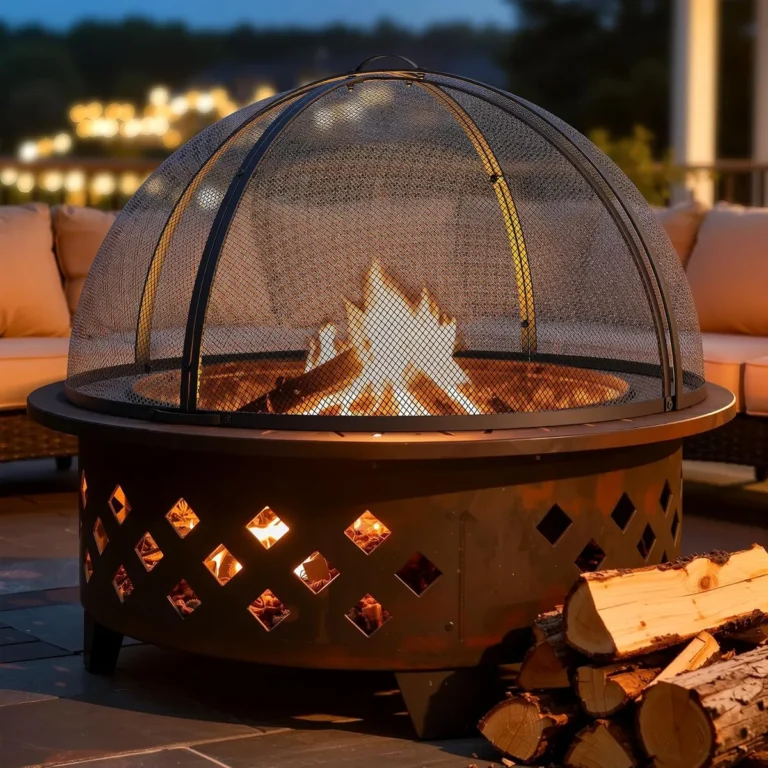
How to Clean a Smokeless Fire Pit
If you’ve owned one for more than a few burns, you already know the party trick only works when the air paths are clear. Learning how to clean a smokeless fire pit isn’t complicated, but it does depend entirely on what kind of fuel you’re burning and what the pit is made of. Get the method wrong and you can clog the secondary combustion system or even damage the finish.
Our research across dozens of manufacturer manuals and user reports shows that the single most common reason a smokeless fire pit stops performing well is a blocked air inlet ring. As of 2026, most models rely on a double-wall construction that pulls preheated air through small holes along the top rim. When those holes get plugged with ash or creosote, the smoke-reduction effect drops noticeably.
Let’s walk through exactly how to fix that, starting with the most important decision you need to make.
Quick Answer
Clean your smokeless fire pit based on fuel type. For wood models, remove all ash. Scrub the interior walls with a non-abrasive pad.
Clear every secondary air hole with a pipe cleaner. For gas models, wipe the burner and thermocouple with a dry cloth only. Never rinse gas components.
Deep clean every 3, 5 wood fires or monthly for gas.
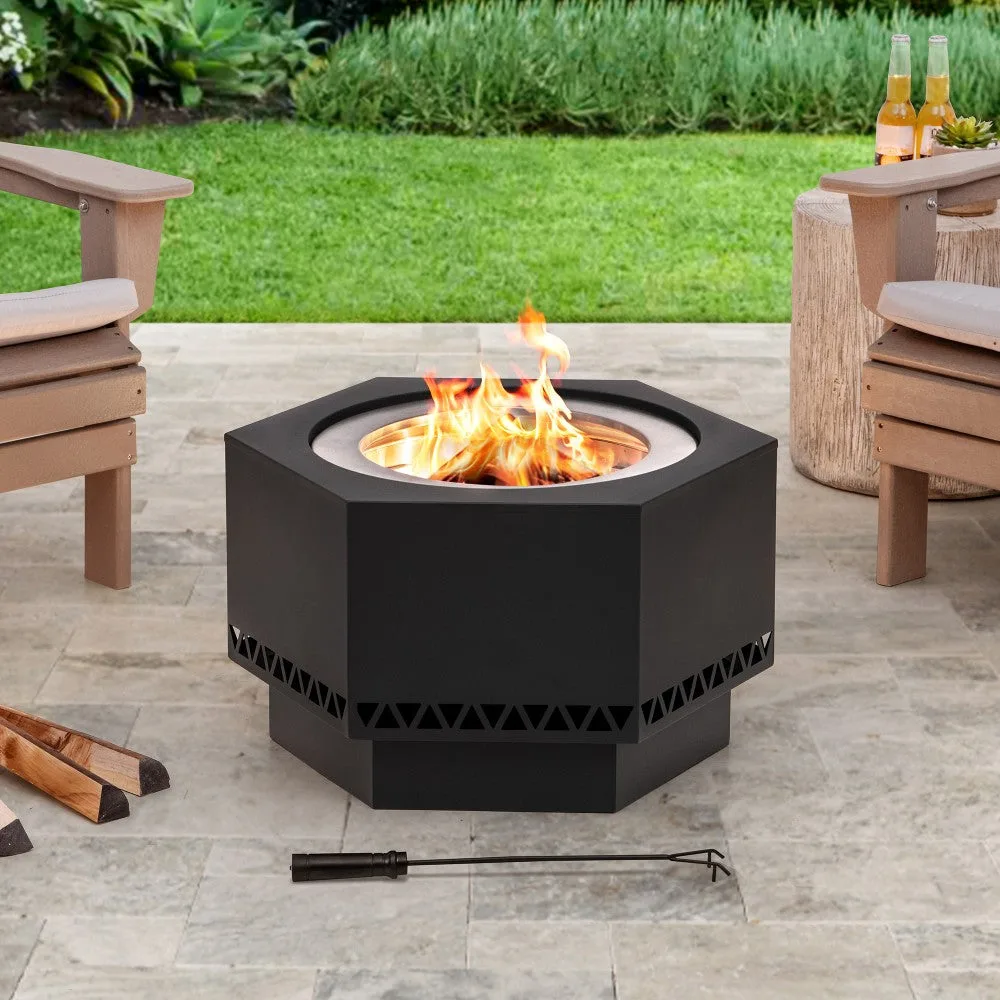
Image source: Bing (Web (fair-use with source credit))
The First Question: Wood or Gas?
This isn’t a trick question. The cleaning process for a wood-burning smokeless fire pit is fundamentally different from what you’d do with a gas model. If you treat them the same, you’ll either miss the creosote buildup in a wood pit or damage the delicate burner assembly in a gas pit.
Wood-burning pits produce ash, soot, and creosote. Creosote sticks to the interior walls and the secondary air holes. It needs mechanical scrubbing and often a degreaser to break it down.
Most manufacturers we looked at recommend cleaning after every 3, 5 fires, depending on the wood’s moisture content. Wet wood creates far more creosote.
Gas pits (propane or natural gas) produce very little soot. Instead, they accumulate grease and food residue if you cook over them. The burner assembly is sensitive.
You should never use water on the gas burner orifices. A dry cloth and a soft brush are your best tools. An open flame burns any minor residue, so a deep clean is only needed monthly or before seasonal storage.
If you own a dual-fuel model that can burn both wood and gas, follow the wood-burning cleaning routine after wood use. Gas-only sessions require the lighter gas routine. The material of the pit also matters, which we’ll cover next.
What About Your Fire Pit’s Material? (Stainless, Porcelain, Painted)
The same cleaning method can ruin a painted steel pit while being perfectly safe for a stainless one. Here’s what you need to know about each common material.
Stainless steel (304 or 409 grade) is the most forgiving. You can use mild degreasers, warm water and a nylon or brass bristle brush. Avoid steel wool because it leaves microscopic rust particles behind.
Our research confirms that 304 stainless resists corrosion better than 409, but both need thorough drying after cleaning to prevent water spots.
Porcelain enamel is tough but brittle. Never use abrasive pads or metal scrapers. They’ll scratch the glossy finish.
Stick to a soft sponge and a mild dish soap solution. Check the manufacturer’s manual first. Some enamel finishes can’t handle citrus-based cleaners.
Painted or powder-coated steel needs the most gentle touch. Harsh chemicals chip the paint. Use a soft cloth, warm water and a mild soap.
Never scrub hard. Once the paint chips, rust follows quickly.
If you’re shopping for a new pit, models designed for easy maintenance often use stainless steel with a removable ash pan. That’s a practical feature if you plan to clean regularly.
Cleaning a Wood-Burning Smokeless Fire Pit (Step by Step)
This is the most involved routine because of the ash, creosote and the critical air holes. Follow these steps carefully.
- Let it cool completely. Wait at least 2 hours, ideally overnight. Ash can hold heat for longer than you think.
- Remove ash and debris. Scoop out large chunks, then use a shop vac with a HEPA filter for fine ash. Wear a dust mask.
- Take apart the interior. Lift out the burn grate, ash pan and any lava rock or fire glass. Set them aside.
- Scrub the interior walls. Use a non-abrasive pad and a mix of warm water and mild dish soap. For stubborn creosote, make a paste of baking soda and water. Let it sit for 10 minutes.
- Clean the secondary air holes. This is the most important step. Use a pipe cleaner, toothpick or compressed air to clear every hole around the upper rim. A clogged hole kills the smokeless effect.
- Rinse and dry. Wipe down the interior with a damp cloth, then dry thoroughly with a towel. Leave the pit upside down to air dry for a few hours.
- Reassemble and test fire. Put the grate, ash pan and lava rock back. Run a small fire to burn off any remaining cleaner smell.
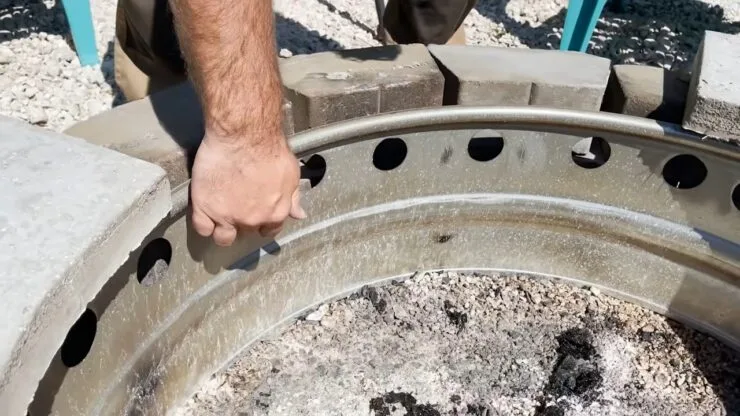
Image source: Bing (Web (fair-use with source credit))
If you frequently use wet or resinous wood, you’ll need to clean more often. A multi-fuel fire pit that can switch to gas may be easier to maintain for daily use.
Cleaning a Gas Smokeless Fire Pit (Step by Step)
Gas pits are simpler, but they have their own pitfalls. Never use water on the burner assembly.
- Turn off and disconnect the gas supply. If it’s a propane tank, disconnect it entirely. For natural gas, shut the valve.
- Let everything cool. 30 minutes is usually enough.
- Remove the decorative media. Lava rock, fire glass or ceramic logs should be taken out. Rinse them in a bucket of warm soapy water if they’re greasy, then let them dry completely before putting them back.
- Wipe down the burner. Use a dry microfiber cloth. For stuck-on residue, gently use a soft-bristle brush. Do not scratch the burner ports.
- Clean the thermocouple and igniter. These safety sensors need to be free of debris. Wipe them gently with a dry cloth.
- Check the burner orifice. A spider web or tiny insect nest can partially block the gas flow. Use compressed air to blow out the opening.
- Reassemble and test. Reconnect gas, turn on a single burner and check for an even blue flame. If the flame is yellow or uneven, the orifice may still be blocked.
For a gas pit that lives on a concrete patio, periodic cleaning keeps the burner operating safely. A fire pit designed for concrete patios often has a lower profile that collects leaves and debris. Check the burner area before each season.
5 Common Cleaning Mistakes That Cost You
Even well-meaning owners mess up these five things. Avoid them and your pit will last years longer.
1. Using water on a hot pit. Thermal shock can warp the steel or crack the enamel. Always let it cool completely.
2. Scrubbing with steel wool on stainless steel. Tiny steel particles embed in the surface and rust. You get orange spots that are nearly impossible to remove.
Use a nylon or brass pad instead.
3. Ignoring the air holes. The entire smokeless design depends on them. A single blocked row of holes reduces airflow by up to 20 percent.
Check every one of them.
4. Oiling a gas burner. Some people try to “season” a fire pit like a cast iron skillet. Don’t.
Oily residue attracts dust and can cause flare-ups.
5. Storing the pit wet. Moisture trapped inside causes rust fast. After cleaning, dry everything thoroughly and store the pit under a cover if possible.
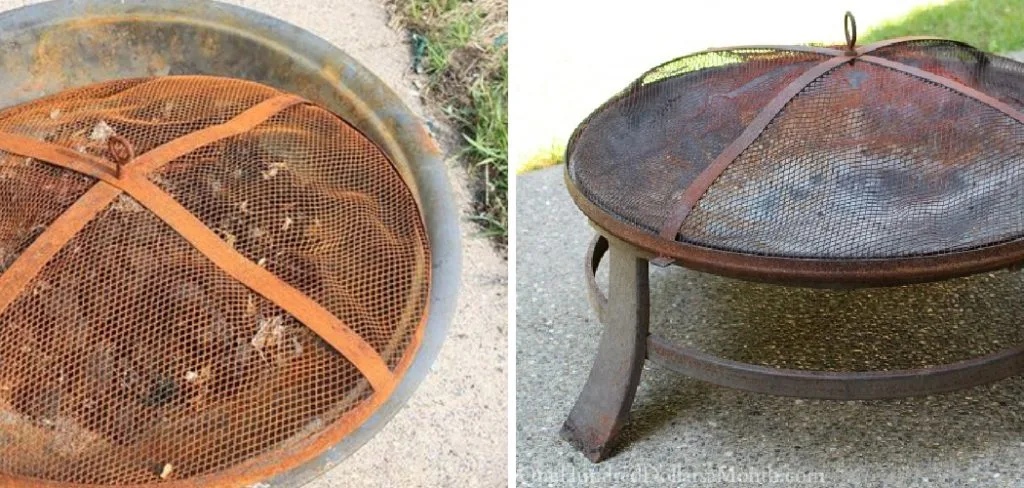
Image source: Bing (Web (fair-use with source credit))
If you see rust spots, they can often be removed with a fine abrasive pad on stainless steel. On painted or enamel pits, they’re permanent. Check the manufacturer’s care instructions.
The U.S. Consumer Product Safety Commission recommends inspecting outdoor fire pits for rust damage before each use to ensure structural integrity.
When to Deep Clean vs Routine Wipe-Down (A Simple Decision Guide)
You don’t need to break out the scrub brush after every single fire. Knowing the difference between a routine wipe-down and a deep clean saves you time and prevents unnecessary wear.
Routine wipe-down is for after 1, 2 wood fires or after every 3, 4 gas uses. You’re just removing surface ash, checking the air holes for debris and wiping the exterior. It takes about 10 minutes.
Skip the soap and water unless there’s visible grease.
Deep clean is necessary when you notice any of these signs:
- Reduced flame height or uneven burn pattern
- Visible creosote buildup on the interior walls (looks like shiny black tar)
- Secondary air holes partially clogged
- Rust spots or discoloration on the finish
For wood pits, deep clean every 3, 5 fires. For gas pits, deep clean monthly during heavy use and before winter storage. If you cooked greasy food over your gas pit, deep clean after that session.
Here’s a quick cheat sheet:
| Condition | Action | Time Needed |
|---|---|---|
| Light ash layer, clean burn | Routine wipe-down | 10 min |
| Creosote visible, air holes dirty | Deep clean | 30–45 min |
| Grease from cooking | Deep clean (gas) | 20–30 min |
| Rust spots or mold | Deep clean + treatment | 45–60 min |
| End of season / storage | Deep clean + dry thoroughly | 45–60 min |
The decision really comes down to how the fire behaves. If your pit is smoking more than usual or the flames look weak, that’s your cue to do a deep clean. A well-maintained pit that burns clean can often go 8, 10 fires before needing more than a quick ash sweep.
Frequently Asked Questions
How often should I clean my smokeless fire pit?
Clean a wood-burning pit after every 3, 5 fires, or whenever you notice reduced flame performance. Clean a gas pit monthly during regular use and before seasonal storage. Cooking over either type means you should clean after that session.
Can I use a pressure washer on my fire pit?
No. Pressure washers force water into seams, air holes and gas burner orifices. Water trapped inside causes rust and can block gas flow.
Stick to hand scrubbing with a non-abrasive pad and a bucket of warm soapy water.
What’s the best cleaner for creosote?
A paste of baking soda and water works well on stainless steel. For tough creosote, use a commercial fire pit cleaner that’s safe for your material. Avoid bleach or ammonia.
They can damage the finish and leave toxic residues when you light the next fire.
How do I clean fire glass or lava rock?
Remove the media and rinse it in a bucket of warm water with a few drops of dish soap. Swish it around gently, then rinse thoroughly. Spread it out on a towel to dry completely before putting it back.
Never use soap on lava rock for gas pits. Residue can cause flare-ups.
Why is my smokeless fire pit smoking more after cleaning?
You likely left moisture inside the pit. Water in the double-wall cavity or under the ash pan creates steam that looks like smoke. Dry the pit thoroughly with a towel, then run a small hot fire for 15 minutes to evaporate any remaining moisture.
Can I use vinegar to clean my fire pit?
Yes. Diluted white vinegar (1:1 with water) works well on stainless steel to remove mineral deposits and light tarnish. Don’t use it on enamel or painted finishes.
Rinse with water afterward and dry immediately to prevent vinegar residue.
Your Quick Reference: The Right Clean for Your Pit
This is the condensed version. Bookmark it for your next cleaning session.
For wood-burning pits:
- Cool completely (minimum 2 hours).
- Remove ash and debris.
- Scrub interior with non-abrasive pad and mild soap.
- Clear every secondary air hole with a pipe cleaner.
- Rinse and dry thoroughly.
- Reassemble and test fire.
For gas pits:
- Disconnect gas and cool for 30 minutes.
- Remove lava rock or fire glass.
- Wipe burner and thermocouple with dry cloth only.
- Blow out burner orifice with compressed air.
- Rinse decorative media if greasy; dry completely.
- Reassemble, reconnect gas and test for even blue flame.
When in doubt, check your manufacturer’s manual. The specific care instructions for your model override any general advice. If your pit has a removable ash pan, clean it after every use to prevent moisture buildup.
A clean smokeless fire pit performs better, lasts longer and keeps the outdoor experience enjoyable. Stick to this routine and you’ll get years of reliable use from your investment.