
How to Light a Fire Pit
Figuring out how to light a fire pit isn't just about getting flames going. It's about doing it safely so you don't burn down your deck or end up in the ER. Whether you're dealing with wood, propane, or natural gas, each fuel type has its own rules.
Getting those rules wrong can cost you.
Manufacturer specifications indicate that gas fire pits should be placed at least 10 feet from any structure. As of 2026, that's still the standard recommended by the National Fire Protection Association. Getting the process right from the start separates a relaxing evening from a dangerous situation.
Quick Answer
To light a wood fire pit, stack kindling under a teepee of small logs. Light the fire starter with a match or lighter. For gas or propane fire pits, turn the gas valve on first.
Press the ignition button or use a long lighter. Adjust the flame to your desired height.
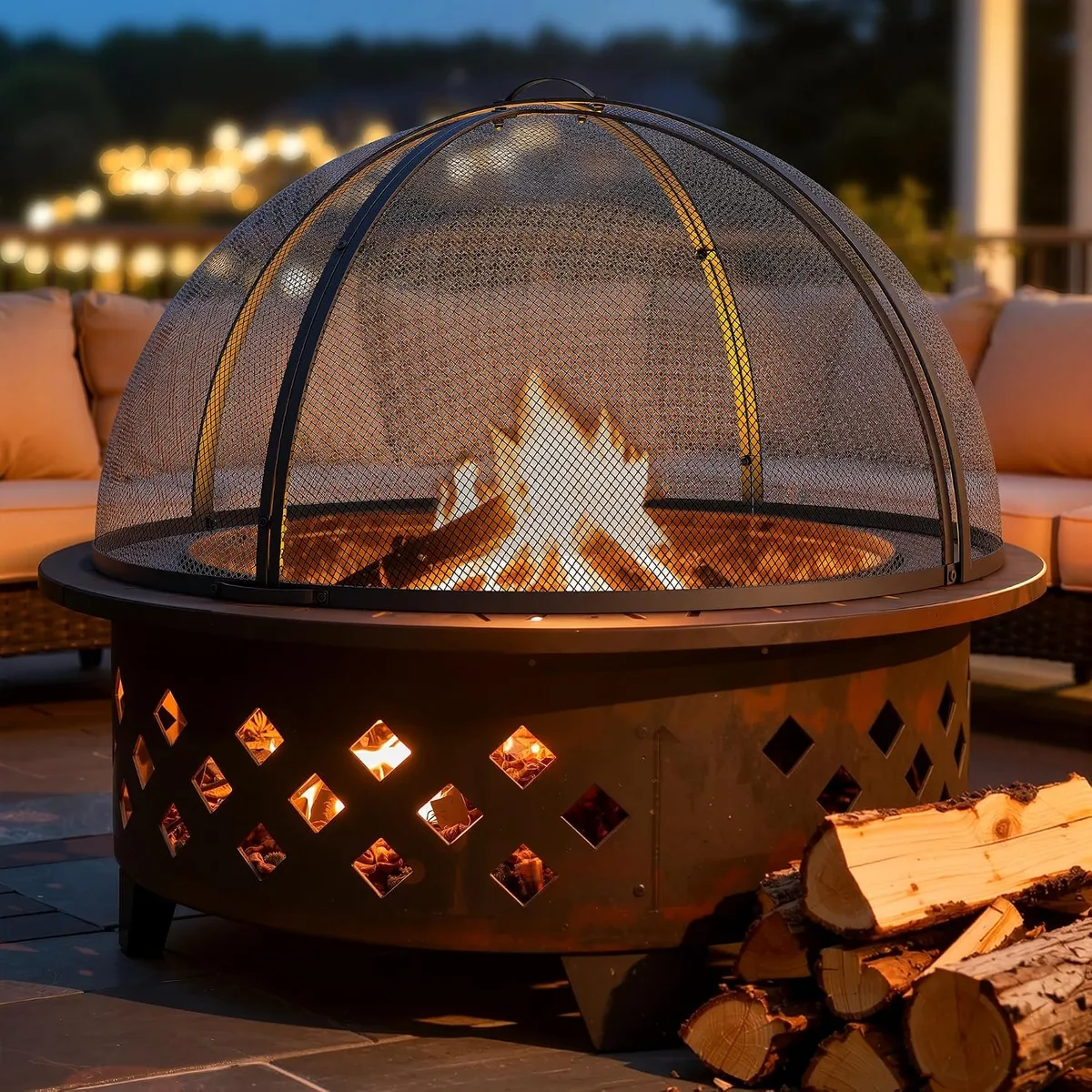
Image source: Bing (Web (fair-use with source credit))
Why Safe Fire Pit Lighting Matters
Every year, thousands of house fires start from outdoor fire pits. The Consumer Product Safety Commission reports that gas fire pits alone cause hundreds of injuries annually. Most of these incidents come from one simple mistake: improper lighting.
The risks go beyond property damage. A sudden flare-up or gas explosion can cause serious burns. Children and pets near an unsupervised fire pit add another layer of danger.
That's why knowing the correct method for your specific fire pit type matters.
Many people assume lighting a fire pit is intuitive. Just toss in a log and light it, right? Wrong.
Wood fire pits need proper airflow and dry wood to burn cleanly. Gas fire pits require a specific sequence to avoid gas buildup.
The National Fire Protection Association has clear guidelines for outdoor fire pits. Following them isn't optional. It's the difference between a pleasant evening and a 911 call.
In our research, we found that most fire pit accidents happen during the first use. People skip the manual and make a critical error. A few minutes of preparation prevents hours of regret.
How Fire Pits Actually Work (Wood vs. Gas vs. Propane)
Understanding the fuel type you're working with changes everything. Wood fire pits rely on combustion of solid fuel. You need heat, oxygen, and fuel in the right balance.
Gas and propane fire pits burn vaporized fuel through a controlled valve.
Wood fire pits are the most traditional option. They produce real flames, real smoke, and real heat. You control the burn by adding logs and managing airflow.
The downside is cleanup, smoke, and the need for seasoned wood. Moisture content below 20 percent is ideal for a clean burn.
Gas fire pits connect to a natural gas line. They offer instant on and off. No smoke, no ash, no hauling logs.
The burner ring distributes gas evenly across lava rock or fire glass. You control the flame with a valve or remote.
Propane fire pits work similarly but use a portable tank. A 20-pound tank runs about 4 to 5 hours at 40,000 BTU. Cold weather affects propane performance.
Below 20 degrees Fahrenheit, the tank struggles to vaporize fuel.
Here's a quick comparison of the three fuel types:
| Feature | Wood | Natural Gas | Propane |
|---|---|---|---|
| Fuel cost | Low to moderate | Low (permanent line) | Moderate (tank refills) |
| Smoke | Yes | None | None |
| Ash cleanup | Yes | No | No |
| Ignition | Manual | Push-button or electronic | Push-button or electronic |
| Portability | Moderate | Fixed | High |
| BTU output | Variable | 30,000–60,000 | 30,000–60,000 |
| Best for | Traditional campfire feel | Permanent patio setup | Portable use, RVs, decks |
If you're shopping for a setup, consider a versatile unit that handles multiple fuel sources. Some models convert from propane to natural gas. Others give you a wood-burning option with a gas insert.
Match the fuel type to your lifestyle, not just the price tag.
Step-by-Step: Lighting a Wood Fire Pit Safely
This process works for most standard wood fire pits. Skip the lighter fluid and gasoline. Those accelerants cause flare-ups that can burn you before you even sit down.
Step 1: Check local burn bans. Visit your county or state website. Some areas ban open fires during dry seasons. Ignoring a burn ban can result in fines up to $10,000.
Step 2: Position the fire pit correctly. Place it on a non-flammable surface like concrete, gravel, or stone. Keep it at least 10 feet from your house, fence, or low-hanging trees. If you're on a deck, use a fire-resistant mat underneath.
Models designed for decks often include extra safety features.
Step 3: Gather your materials. You need dry firewood, kindling, and a fire starter. Seasoned hardwood like oak or hickory burns longer and produces less smoke. Softwoods like pine ignite faster but leave more creosote.
Step 4: Build the fire lay. Start with crumpled newspaper or a fire starter cube in the center. Stack kindling in a teepee shape over it. Place two or three small logs around the kindling, leaving gaps for airflow.
Step 5: Light the fire. Use a long match or a butane lighter. Light the newspaper or fire starter from multiple points. Let the kindling catch and burn for a few minutes before adding larger logs.
Step 6: Add logs gradually. Once the kindling is burning steadily, place one or two medium logs on top. Don't smother the fire. Leave space between logs so oxygen can feed the flames.
Step 7: Monitor and enjoy. Never leave a wood fire pit unattended. Keep a bucket of water or a garden hose nearby. If you need to step away, fully extinguish the fire first.
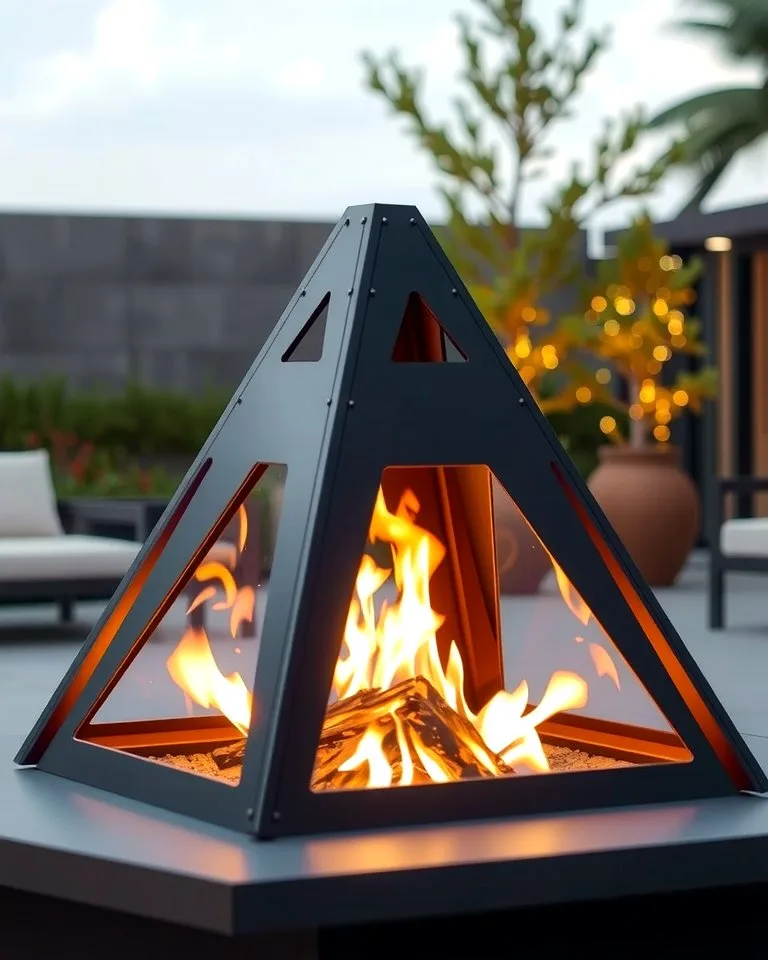
Image source: Bing (Web (fair-use with source credit))
For a cleaner burn with less smoke, look into low-smoke designs. They use a double-wall design that re-burns smoke particles. That means less smell on your clothes and fewer neighbors complaining.
Step-by-Step: Lighting a Gas or Propane Fire Pit Safely
Gas and propane fire pits are easier to light than wood. But they come with their own risks. A gas leak or improper ignition can cause an explosion.
Follow these steps exactly.
Step 1: Inspect the gas line or hose. Check for cracks, kinks, or damage. For propane, make sure the hose connects tightly to both the tank and the fire pit. A loose connection leaks gas you can't always smell.
Step 2: Position the propane tank. Place the tank on a flat, stable surface at least 3 feet from the fire pit. Never store a propane tank indoors or in a garage. Keep it upright at all times.
Step 3: Open the propane tank valve. Turn it slowly one full turn counterclockwise. This pressurizes the line. Do not open it fully until you're ready to light.
Step 4: Turn the fire pit control knob to "off." Make sure the gas valve is closed before you attempt ignition. Some models have a separate safety valve that must be in the "on" position.
Step 5: Press the ignition button. Most gas fire pits use a push-button piezo igniter. Hold the button for 3 to 5 seconds while the gas flows. If the flame catches, adjust the control knob to your desired height.
Push-button models simplify this step considerably.
Step 6: Use a manual lighter if the ignition fails. If the piezo igniter doesn't spark, turn the gas off. Wait 5 minutes for any accumulated gas to dissipate. Then light a long-reach butane lighter and hold it near the burner.
Slowly turn the gas on.
Step 7: Adjust the flame. Turn the control knob to increase or decrease the flame height. A low, steady blue flame is more efficient. A tall, yellow flame indicates incomplete combustion and produces carbon monoxide.
Step 8: Shut it down properly. Turn the control knob to "off" first. Then close the propane tank valve. This prevents gas from leaking through the line.
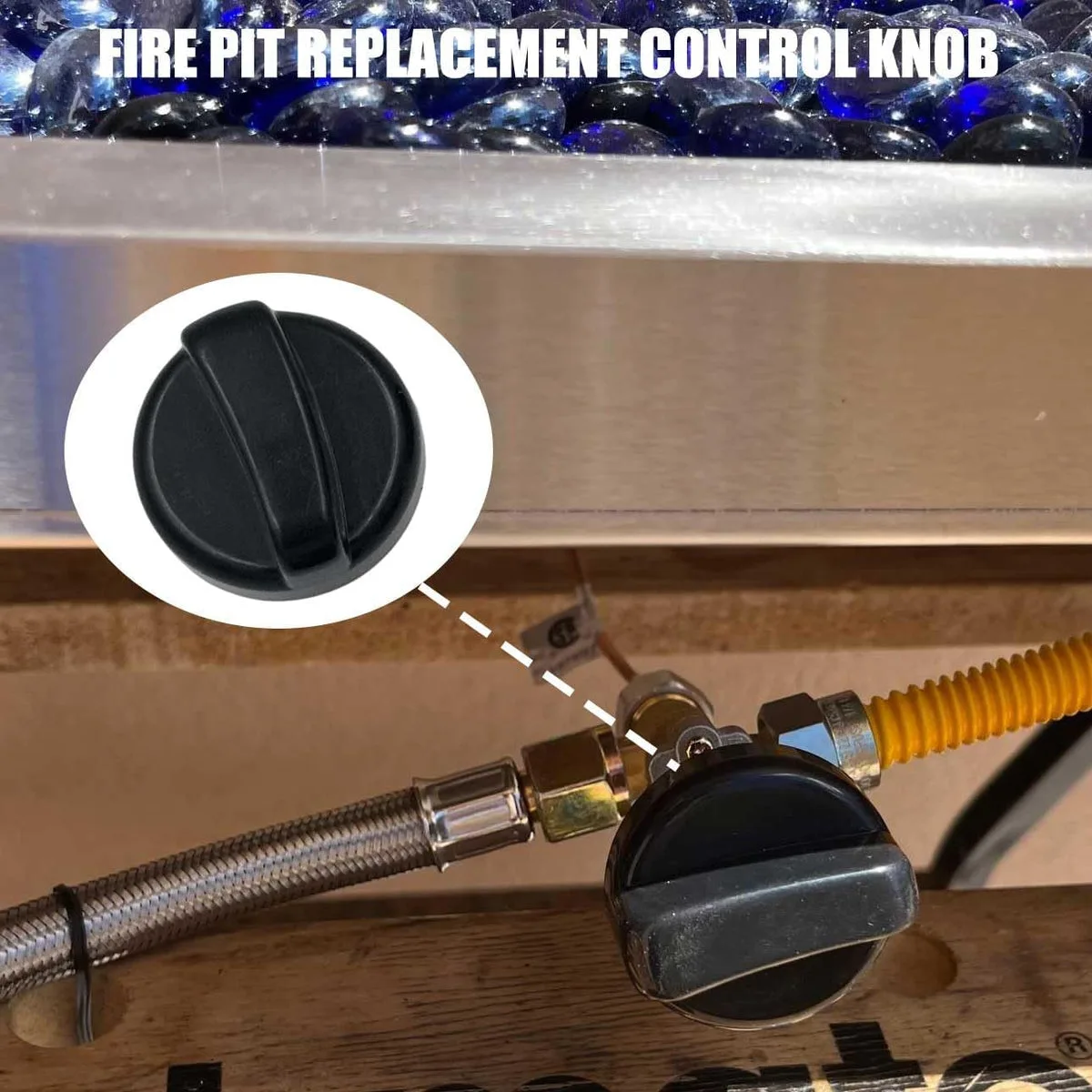
Image source: Bing (Web (fair-use with source credit))
Common Mistakes That Can Cause Injury or Damage
Even experienced fire pit users make errors. Here are the most dangerous ones to avoid.
Using accelerants like gasoline or lighter fluid. This is the number one cause of fire pit injuries. The vapors ignite explosively and can flash back to the container in your hand. Use only solid fire starters or newspaper.
Lighting a gas fire pit with the lid on. The gas builds up under the lid. When you press the ignition, the trapped gas explodes. Always remove the lid before lighting.
Placing the fire pit too close to structures. A 10-foot clearance is the minimum for most models. Less than that puts your house, deck, or fence at risk. Embers can travel farther than you think.
Leaving a fire pit unattended. A gust of wind can spread embers. A child or pet can knock over a portable fire pit. Stay within arm's reach until the fire is completely out.
Not checking for gas leaks. A gas leak is invisible. Test connections with soapy water. If bubbles appear, tighten the fitting or replace the hose.
Using wet or green wood. Wet wood creates excessive smoke and creosote buildup. It also burns at a lower temperature, which increases the risk of a chimney fire in enclosed fire pits.
Storing propane tanks indoors. Propane tanks must stay outdoors in a well-ventilated area. Even a small leak can fill a room with flammable gas. Keep them upright and away from heat sources.
Ignoring manufacturer instructions. Every fire pit is different. The manual contains specific safety warnings and lighting procedures. Read it before your first use.
If you want a fire pit that's easier to manage safely, consider user-friendly options that simplify the process. Look for features like electronic ignition, automatic shutoff, and remote control. These reduce the chance of human error.
When to Call a Professional
Some fire pit problems are beyond a simple fix. Knowing when to stop and call a pro can save you from serious injury. Aggregate reviews indicate that most gas-related accidents happen when homeowners try to fix gas lines themselves.
Gas line installation. If you're connecting a natural gas fire pit to your home's gas line, hire a licensed professional. Gas line work requires permits, pressure testing, and knowledge of local codes. A single loose fitting can cause a leak that fills your yard with flammable gas.
Faulty ignition systems. If your push-button or electronic ignition stops working, don't assume it's a simple battery swap. Some igniters are tied to the gas valve assembly. Replacing them incorrectly can cause gas to flow without ignition.
A professional can diagnose and repair the system safely.
Persistent gas smell. If you smell gas near the fire pit or the propane tank, shut everything down immediately. Do not attempt to light the fire pit. A small leak can escalate into an explosion.
Call a gas fitter or your propane supplier to inspect the system.
Structural damage. Cracks in the burner ring, rusted-through fire pit bowls, or damaged gas hoses all require replacement. Continuing to use a damaged fire pit increases the risk of uncontrolled flames. If you're unsure about a repair, replace the part or call a technician.
For simpler setups like wood fire pits, you rarely need a professional. But if you're considering a permanent gas line installation, professional help is non-negotiable. The National Fire Protection Association recommends having all gas appliances installed by a qualified contractor.
Frequently Asked Questions
How far should a fire pit be from a house?
The standard recommendation is at least 10 feet from any structure. This includes your house, fence, deck, and low-hanging tree branches. Some local codes require more distance.
Check your city's fire regulations before lighting.
Can I use lighter fluid on a wood fire pit?
No. Lighter fluid and gasoline cause explosive flare-ups that can burn you. Use only solid fire starters, newspaper, or natural kindling.
Stack with larger logs for a safer, more controlled burn.
Why won't my gas fire pit stay lit?
A common cause is a dirty or faulty thermocouple. This safety device shuts off gas if the flame goes out. Clean the thermocouple with fine sandpaper.
If the problem persists, the igniter or gas valve may need professional replacement.
How do I troubleshoot a propane fire pit that won't light?
Check the propane tank level first. A low tank may not produce enough pressure. Then inspect the hose for kinks or damage.
Make sure the tank valve is fully open. If the piezo igniter doesn't spark, use a long lighter as a backup.
Is it safe to use a fire pit on a deck?
Yes, with precautions. Place the fire pit on a fire-resistant mat. Keep it at least 3 feet from the deck edge.
Never leave it unattended. For decks, consider models designed specifically for that surface.
How do I properly extinguish a fire pit?
For wood fire pits, spread the embers and douse with water. Stir the ashes and repeat until cool. For gas fire pits, turn the control knob to off first.
Then close the propane tank valve. Wait for the burner to cool before covering.
Final Safety Checklist
Before you light your fire pit, run through this list. It takes less than a minute and prevents common accidents.
| Checkpoint | Details |
|---|---|
| Location | At least 10 feet from house, fence, trees |
| Surface | Non-flammable (concrete, gravel, stone) |
| Wind | No strong gusts; wind can spread embers |
| Fuel | Dry wood (below 20% moisture) or full propane tank |
| Ignition | Working igniter or long lighter available |
| Extinguisher | Water bucket, hose, or fire extinguisher nearby |
| Supervision | No children or pets within 3 feet |
| Burn ban | Check local restrictions for your area |
| Gas leak | Soapy water test on connections (gas fire pits only) |
| Cover | Removed before lighting (gas fire pits only) |
Keep this checklist handy. It's the difference between a relaxing evening and a dangerous situation. Lighting a fire pit is simple when you follow the right steps.
Respect the fuel, respect the fire, and respect the safety rules. Your backyard will thank you.