
How to Put Out a Fire Pit
Knowing how to put out a fire pit properly is one of those skills that seems obvious until you get it wrong. Douse it with water, right? Not always.
The wrong method can damage your fire pit, create a steam explosion, or even start a wildfire.
Our research, combined with guidelines from the National Fire Protection Association, shows that a surprising number of residential fires trace back to embers that were left smoldering. The right approach depends entirely on whether you're using a wood-burning unit or a gas model. So let's break down the safe way to do it.
Quick Answer
The safest method depends on your fire pit type. For wood pits, use water and stir. For gas pits, turn off the fuel supply.
Let all pits cool completely before disposal. Never leave embers unattended.
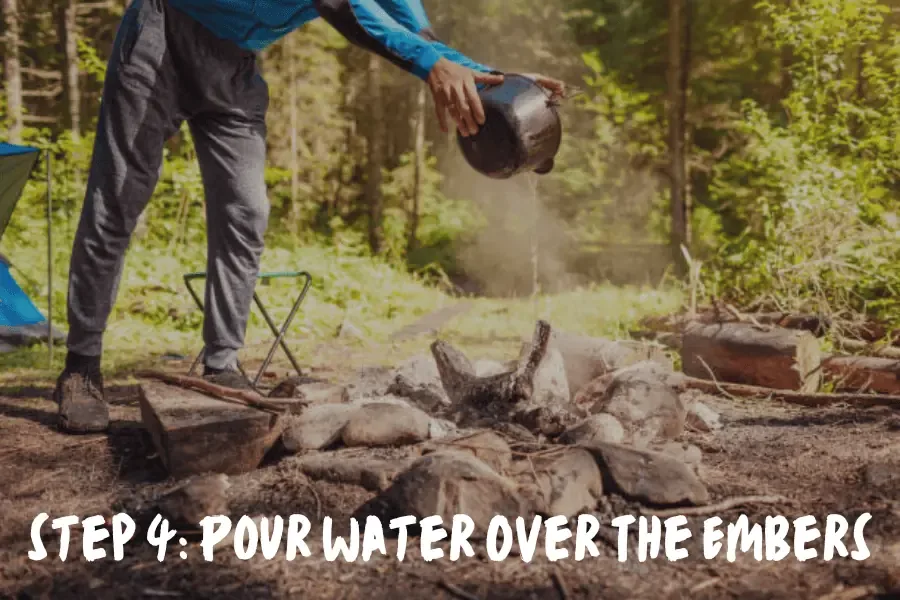
Image source: Bing (Web (fair-use with source credit))
Why Getting This Right Could Save Your Deck (or Worse)
A single ember can smolder for hours. Wind picks up. Your deck catches fire.
It's that fast. According to NFPA guidelines on outdoor fire safety, outdoor fires cause millions in property damage every year, much of it from improper extinguishing.
The real danger isn't the flames you see. It's the heat locked inside the ash and coals. A bed of embers can stay hot enough to reignite for 12 to 24 hours after the last flame dies.
If you're buying a unit for a wooden structure, we recommend checking out our tested deck-safe models that include safety features designed for use on combustible surfaces.
The stakes are higher than most people realize. A quick splash of water and a walk away isn't enough. You need a method that removes all heat, not just the visible fire.
The Core Facts: How Fire Pits Actually Burn (and Why They Don't Just Stop)
Fire pits work by trapping heat in a bed of fuel. Wood pits burn through logs, leaving behind charcoal and ash that stay hot. Gas pits use a burner that stops producing heat the second the fuel is cut, but the metal components and decorative media retain extreme temperatures.
Here's the key difference. Wood pits store heat in the fuel itself. Gas pits store heat in the hardware.
The extinguishing method has to match where the heat lives.
Heat Retention Comparison: Wood vs. Gas Fire Pits
| Feature | Wood Fire Pit | Gas Fire Pit |
|---|---|---|
| Ember temperature after burn | 500–1000°F inside ash bed | N/A (no embers) |
| Time to cool below 100°F | 2–12 hours | 30–60 minutes |
| Reignition risk | High (wind can expose embers) | Low (no fuel source remaining) |
| Primary heat storage | Ash and charcoal | Burner, lava rock, glass |
This is why you can't treat a gas fire pit the same as a wood one. Pouring water on a gas pit can crack the burner or ruin the decorative glass. Our research into a multi-fuel option shows that switching between fuel types requires checking the manual carefully, as each mode has a different shutdown procedure.
The Two Big Decisions: Wood vs. Gas — Your Method Changes Completely
Your extinguishing method is not a one-size-fits-all situation. It's a fork in the road. Choose the wrong branch and you risk damage, injury, or a fire that starts back up after you leave.
If you have a wood fire pit:
- You must drown the embers. Water is your primary tool.
- You need to stir and soak. A single pour isn't enough.
- You must wait for the ash to cool. Cold to the touch is the only safe sign.
If you have a gas fire pit (propane or natural gas):
- You must cut the fuel first. Turn off the gas valve at the source.
- You should never use water. It can crack the burner and create a steam hazard.
- You can cover the pit. A tight-fitting lid speeds cooling and keeps out debris.
The decision is simple. If you see fuel (wood, charcoal, logs), you soak. If you see a burner and gas line, you shut it off and let it cool.
Many of the top-rated options on the market today clearly label their recommended shutdown method in the manual, so check that before your first fire.
Step-by-Step: How to Extinguish a Wood Fire Pit Safely
This is the most common setup, and the one where most mistakes happen. Follow these steps in order.
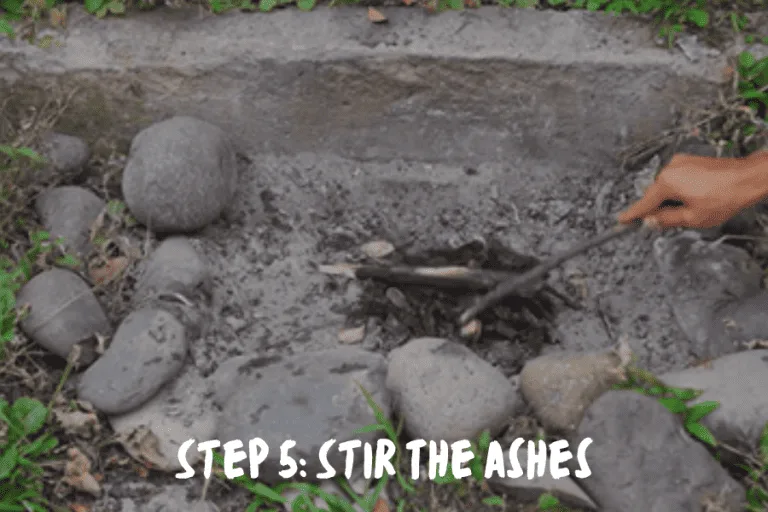
Image source: Bing (Web (fair-use with source credit))
Step 1: Let the fire burn down on its own
Stop adding wood at least 30 minutes before you plan to extinguish. Let the flames die back to a bed of glowing embers. Large logs hold heat longer and are harder to drown completely.
Step 2: Spread the embers flat
Use a long metal poker or shovel. Spread the coals and ash into a single, even layer. This exposes the hot spots and prevents a thick pile from insulating the heat inside.
Step 3: Pour water slowly
Start at the edges. Pour water gently over the embers, not a gallon all at once. You want to soak, not flood.
Steam and hissing are normal. Keep pouring until the hissing stops completely.
Step 4: Stir and soak again
Mix the ash and water with your poker. You'll find dry pockets underneath. Pour more water and stir again.
Repeat until the entire bed is a wet, cold slurry with no visible steam.
Step 5: Check with the back of your hand
Hold your hand about two inches above the ash. If you feel any warmth, repeat the stir-and-soak process. Once it's cool to the touch, you're safe to leave it.
Tools and Materials for Extinguishing a Wood Fire Pit
| Tool | Purpose | Notes |
|---|---|---|
| Metal shovel or poker | Spread and stir embers | Long handle prevents burns |
| Water bucket or hose | Drown the ash bed | Use slowly to avoid steam bursts |
| Ash bucket with lid | Store cold ash for disposal | Metal only, never plastic |
| Fire pit cover | Keep out rain and debris | Only after pit is fully cool |
If you're in the market for a new unit, consider a model with great airflow for cleaner burns and less ash to deal with when putting it out.
Step-by-Step: How to Shut Down a Gas Fire Pit Correctly
Gas fire pits are simpler to extinguish, but the risks are different. A gas leak or a cracked burner is expensive to fix.
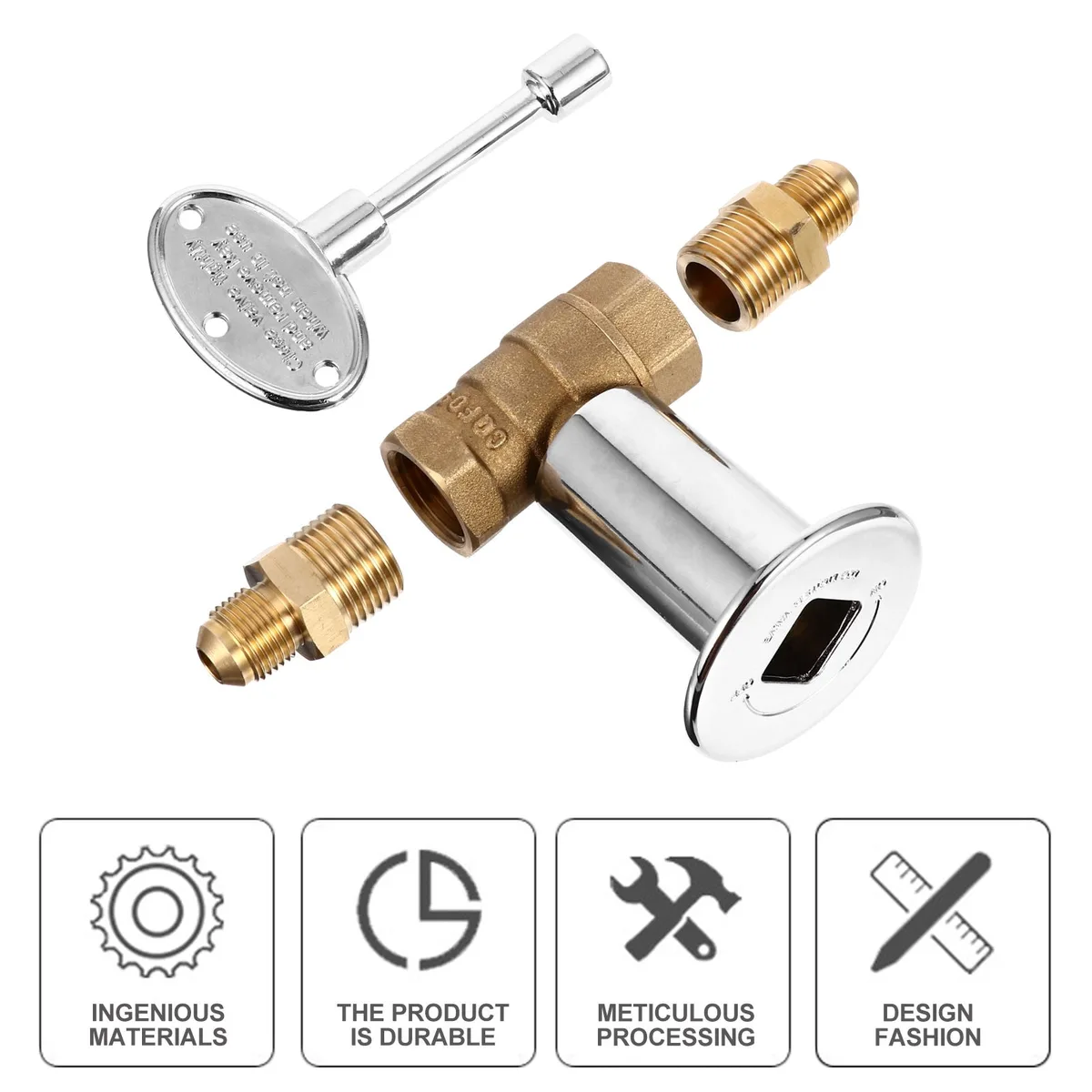
Image source: Bing (Web (fair-use with source credit))
Step 1: Turn off the gas at the source
Do not rely on a remote control or a key valve on the hose. Go to the main gas shutoff valve on the propane tank or the natural gas line. Turn it clockwise to close.
This is the only way to guarantee no fuel is flowing.
Step 2: Let the burner cool
Wait at least 5 minutes. The burner, lava rocks, and glass beads will be extremely hot. Do not touch them.
Do not cover the pit yet. Let the heat dissipate naturally.
Step 3: Disconnect the propane tank (if portable)
If you're using a 20-pound propane tank, unscrew the regulator hose and store the tank outdoors in a well-ventilated area. Never store a full tank in a garage or shed. The USFA recommendations for propane storage suggest keeping tanks at least 10 feet from any building.
Step 4: Cover the fire pit
Once the pit is cool to the touch, place the cover on. This keeps rain, leaves, and debris out of the burner assembly. It also prevents animals from nesting inside.
Step 5: Check for leaks before your next use
Before you light it again, check the gas line connections for leaks. Apply a dab of soapy water to the fittings. Bubbles mean a leak.
Tighten the connection or replace the hose.
A highly rated push-button model often includes a built-in safety valve that shuts off gas if the flame goes out. That's an extra layer of protection worth having.
Common Mistakes That Can Cause Real Damage (and How to Avoid Them)
Most fire pit mishaps come from a few simple errors. Knowing what they are keeps you and your property safe.
Using water on a gas fire pit. This is the number one mistake. Water hitting a hot burner can cause thermal shock. The metal cracks.
The decorative glass or lava rocks can shatter. Never pour water on a gas fire pit. Shut off the gas and let it cool naturally.
Not stirring the ash in a wood fire pit. A single pour of water only wets the top layer. Dry embers underneath stay hot. They can reignite hours later when the wind picks up.
Always stir the ash and water into a slurry. Check for warmth with the back of your hand.
Covering the pit before it is fully cool. A cover traps heat and moisture. This leads to rust, mold, and warped metal. Wait until the pit is cool to the touch before putting the cover on.
For a wood pit, that is often the next morning.
Leaving a propane tank attached after extinguishing. Even with the valve closed, a leak can develop. Disconnect the tank and store it outdoors. This is a simple step that many people skip.
Our research into models that are simple to maintain shows that proper storage greatly extends the life of the gas components.
When to Call for Help or Just Wait It Out
Most of the time, you can handle extinguishing yourself. But there are situations where waiting or calling for help is the smarter move.
Call the fire department if the fire has spread beyond the pit. If flames catch the deck, grass, or nearby furniture, do not try to fight it alone. Get everyone out and call 911.
Call if you smell gas and cannot shut it off. A stuck valve or a damaged hose can leak propane or natural gas. Do not light anything. Do not create sparks.
Leave the area and call your gas company or the fire department. The USFA guidelines on propane safety recommend evacuating immediately if you smell gas near a tank.
When it is safe to just wait. If you have a gas fire pit and the flame is low, you can simply turn off the gas at the source. The flame will die within seconds. Let the burner cool for 30 minutes before covering.
For a wood fire pit, letting it burn down to ash and then dying out naturally is fine if you are staying nearby. Do not leave it unattended while it burns down.
When to wait before cleaning. Hot ash can burn through plastic trash bags. Wait until the ash is completely cold. This can take 12 hours or more.
Use a metal ash bucket with a tight lid for disposal.
Frequently Asked Questions
Can I leave a fire pit unattended to burn out?
No. Never leave any fire pit unattended while it is still burning. Even a gas fire pit with a low flame can pose a risk.
Stay within sight until the fire is fully out and the pit is cool.
How long does a fire pit stay hot after the flames are gone?
A wood fire pit can stay hot for 12 to 24 hours. The embers deep in the ash bed retain heat. A gas fire pit cools faster, usually within 30 to 60 minutes, but the metal and glass can still cause burns.
Can I use sand instead of water to extinguish a wood fire pit?
Yes, sand is an effective alternative. It smothers the flames by cutting off oxygen. The trade-off is mess.
Sand mixes with ash and becomes heavy to remove. Water is easier to clean up, but both methods work.
What do I do if my gas fire pit won't turn off?
Locate the main shutoff valve on the propane tank or natural gas line. Turn it clockwise to close. If the valve is stuck or you cannot reach it safely, leave the area and call the fire department.
Do not try to force the valve.
Is it safe to pour water on a gas fire pit?
No. Water can crack the burner, damage the gas lines, and shatter glass or lava rocks. Always turn off the gas supply and let the pit cool on its own.
Use a cover only after the pit is completely cool.