Can You Use a Spotting Scope for Astronomy?
Many outdoor enthusiasts wonder if their powerful spotting scope can do double duty for stargazing. It's a practical question when you have a capable piece of optics already in your gear bag. While a spotting scope offers incredible detail for terrestrial subjects, its design is fundamentally different from what's needed for astronomy.
The key differences lie in how they gather light and correct for optical imperfections. Manufacturer specifications for typical spotting scopes focus on resolving fine details at lower magnifications and shorter distances. For astronomical viewing, however, light-gathering power, often measured by the objective lens diameter in millimeters (e.g., a 60mm or 80mm spotting scope objective), is paramount for seeing fainter objects.
Can You Use a Spotting Scope for Astronomy?
Yes, you can use a spotting scope for astronomy, but with significant limitations. It’s best suited for viewing bright objects like the Moon and possibly the brightest planets. It cannot reveal faint deep-sky objects typically seen with dedicated telescopes.
Spotting Scope vs. Telescope: What's the Real Difference for Astronomy?
The core reason a spotting scope isn't ideal for astronomy is its fundamental design. Spotting scopes are built for clarity and magnification of objects relatively close by, like birds or targets on a range. Telescopes, especially those for astronomy, are engineered to capture faint light from incredibly distant objects and present them with minimal distortion.
The differences are substantial and impact what you can actually see in the night sky.
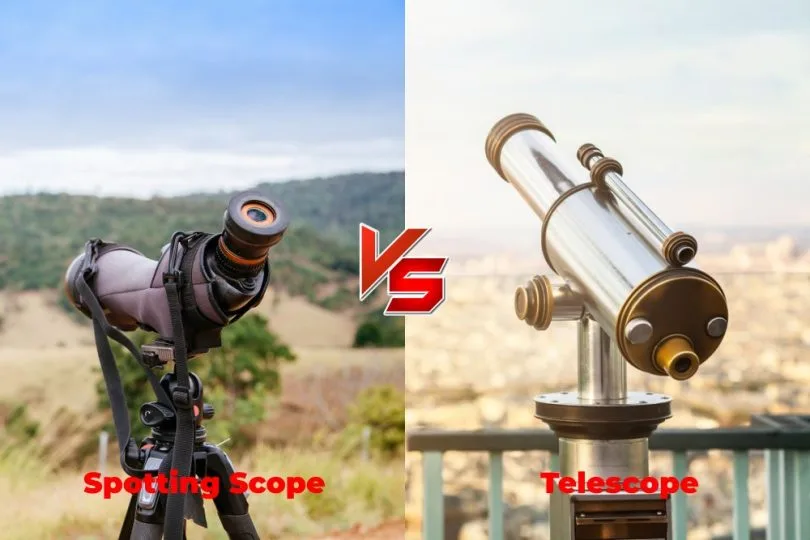
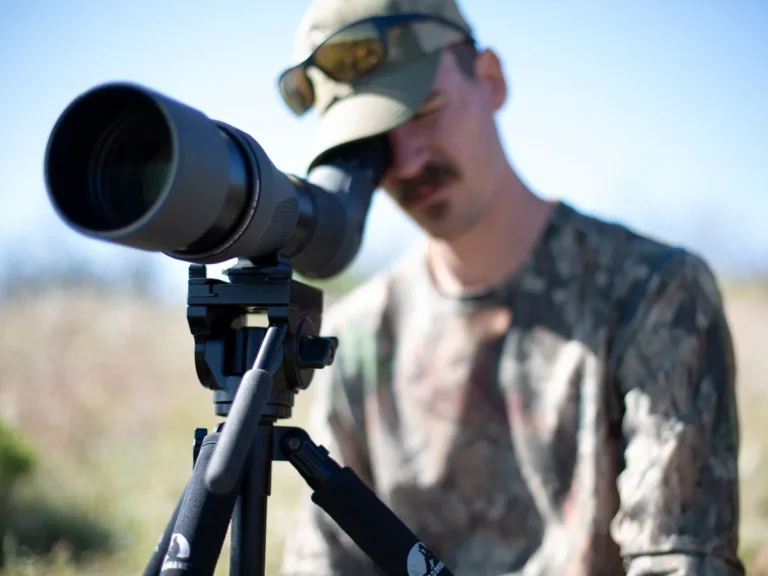
Image source: Web (Bing) / rangerexpert.com (Web image (fair-use with source credit))
Light Gathering: The Core Challenge
Light is everything when it comes to seeing distant objects. The bigger the objective lens or mirror on an optical instrument, the more light it can collect. This is critical for astronomy because stars, nebulae, and galaxies are incredibly faint.
A typical spotting scope might have an objective lens of 60mm or 80mm. This is quite small compared to astronomical telescopes, which can range from 100mm up to several meters in diameter. Less light collected means fainter objects remain invisible.
Magnification & Optics: What You See (and Don't See)
Spotting scopes often have variable eyepieces that allow for a wide range of magnifications, from around 15x to 60x. However, these scopes are usually optimized for lower to medium magnifications. Pushing the magnification too high with a spotting scope often results in a dim, blurry image with noticeable color fringing (chromatic aberration).
Astronomical telescopes are designed with longer focal lengths and specific optical corrections to handle high magnifications needed for detailed planetary viewing and to minimize these aberrations, ensuring sharper, clearer views of celestial bodies.
Mounts: Stability for the Sky
Observing the night sky requires a stable platform. When you're looking at planets or the Moon, even the slightest vibration can make the image dance around, making it hard to focus or observe details. Spotting scopes typically come with tripods that are adequate for stationary terrestrial targets.
However, these tripods often lack the fine adjustment controls and stability needed for astronomical tracking. Panning across the sky to find objects or keeping a planet centered in the field of view becomes a frustrating challenge with a less robust mount.
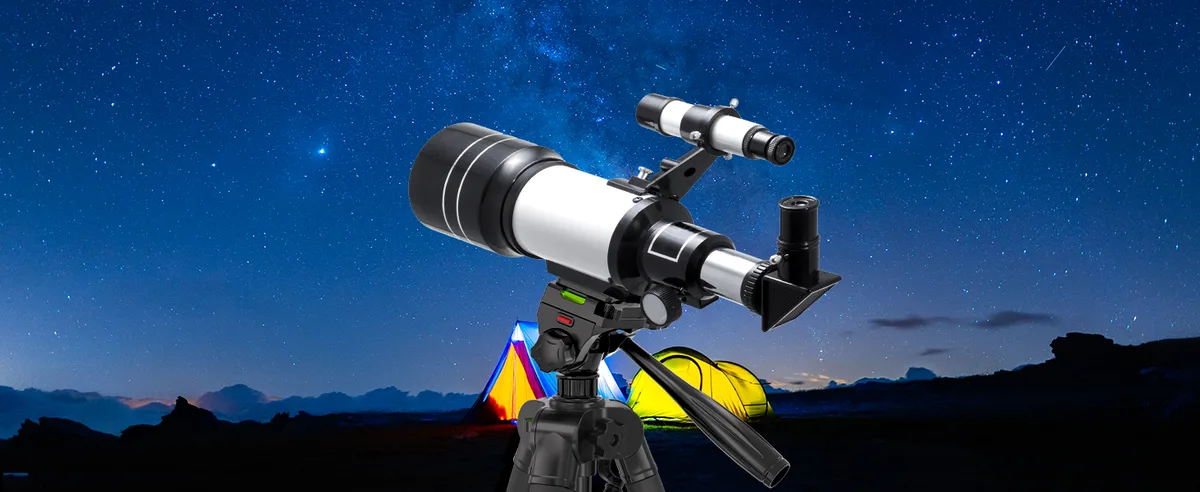
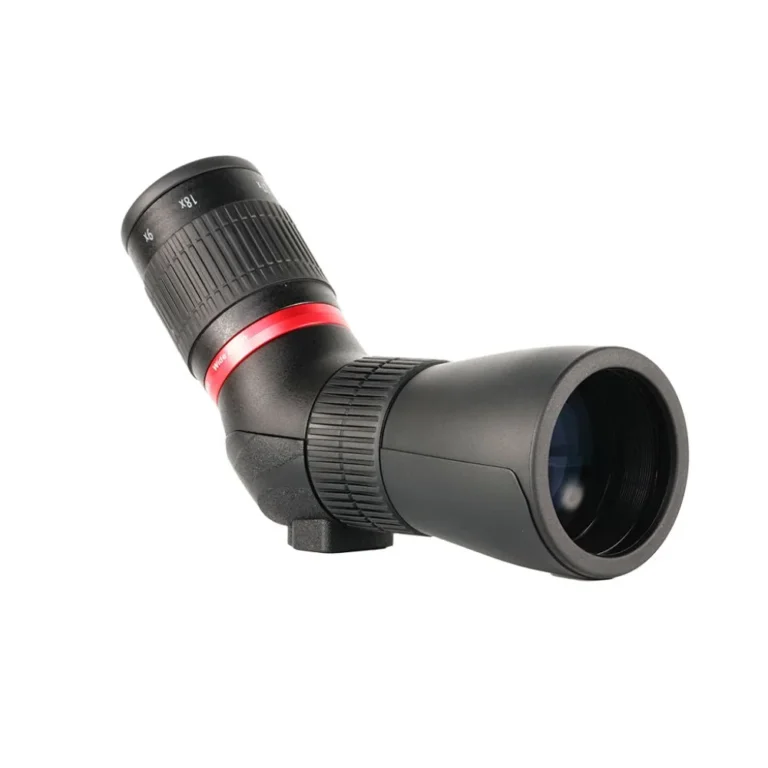
Image source: Bing (Web (fair-use with source credit))
What Can You Actually See with a Spotting Scope?
Despite the limitations, a spotting scope can still offer some enjoyable astronomical experiences, especially if you manage your expectations. It’s not going to replace a dedicated telescope for serious skygazing, but you can certainly get a good view of certain bright celestial sights.
The Moon: Your Best Celestial Target
The Moon is by far the most rewarding object to view through a spotting scope. Its proximity and brightness mean it’s easily visible and shows a wealth of surface detail. You can clearly make out large craters, mountain ranges, and the dramatic shadows along the terminator (the line between the sunlit side and the dark side).
Observing these features, especially during different lunar phases, can be quite captivating.
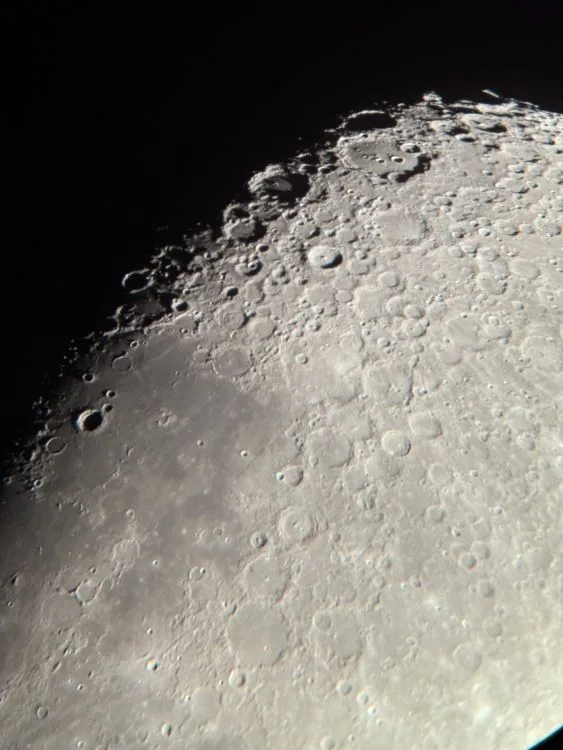
Image source: Web (Bing) / pexels.com (Web image (fair-use with source credit))
Brightest Planets: A Glimpse of Jupiter & Saturn
While you won't see intricate cloud bands or ring details, the spotting scope can show you that planets are more than just points of light. Jupiter will often appear as a small disc, and if you’re lucky and the seeing conditions are good, you might be able to spot its four largest moons (the Galilean moons) as tiny dots in a line next to it. Saturn may reveal its rings as a fuzzy, elongated shape, though individual ringlets won't be distinguishable.
Venus will appear as a bright disc, and if it’s in its crescent phase, you might even see that shape.
Sun Viewing: A Word of Extreme Caution
Crucially, never, ever look directly at the sun through any optical instrument, including a spotting scope, without a certified solar filter specifically designed for that instrument. Doing so can cause instant and permanent blindness. If you have a proper solar filter that fits securely over the objective lens, you can observe sunspots. However, this requires specialized equipment and extreme caution.
The sun's intensity is immense, and inadequate protection poses a severe risk.
What a Spotting Scope Won't Show You in the Night Sky
If you're hoping to gaze at distant galaxies, nebulae, or detailed star clusters with a spotting scope, you're likely to be disappointed. These celestial wonders are inherently faint and spread out, requiring the significant light-gathering power and specific optical designs found in dedicated astronomical telescopes. A spotting scope’s limited objective lens size and optical corrections simply cannot collect enough photons or resolve the fine details needed to make these objects visible, let alone enjoyable to observe.
You might be able to detect a fuzzy patch where a bright nebula exists under perfect dark-sky conditions, but that’s generally the extent of it. Trying to view them will likely result in a dark, empty field of view or a barely perceptible smudge at best.
Tips for Maximizing Your Spotting Scope Stargazing
To get the most out of using your spotting scope for astronomy, a few key preparations can make a big difference. It’s not just about pointing it at the sky; optimizing your setup and surroundings is crucial for a rewarding experience. Think of it as setting the stage for the best possible celestial show your spotting scope can provide.
Gear & Location Essentials
First, a sturdy tripod is non-negotiable. A wobbly tripod will ruin any chance of a stable view. Look for one with good weight capacity and a smooth pan-and-tilt head for fine adjustments.
Secondly, dark skies are your best friend. Light pollution from cities washes out faint astronomical objects. Getting at least 20 miles away from major urban centers can dramatically improve visibility.
Observation Techniques
Allow your eyes at least 15 to 20 minutes to adapt to the darkness before you start observing. Avoid looking at bright lights, including your phone screen; use a red-light flashlight if needed, as red light minimally affects night vision. Start with the lowest magnification setting on your spotting scope.
This provides a wider field of view and a brighter image, making it easier to locate and focus on your target. Gradually increase magnification only if the image remains clear and bright enough to discern detail.
Spotting Scope vs. Telescope: Which Is Right for You?
Deciding whether a spotting scope can fulfill your astronomy needs really comes down to what you want to see and how seriously you want to pursue stargazing. If your interest is casual, a spotting scope might offer a limited but enjoyable entry point. For those looking to explore the deeper cosmos, a dedicated telescope is essential.
When a Spotting Scope Is Enough
A spotting scope is a sensible choice if your astronomical curiosity is focused solely on the Moon and perhaps the very brightest planets. If you already own a high-quality spotting scope for birdwatching or target shooting and want to see lunar craters and the general shape of planets like Jupiter or Saturn without investing in new equipment, it can satisfy that initial interest. It’s also a good option if you only plan to stargaze very occasionally and don’t foresee a deep dive into the hobby.
When You Need a Real Telescope
If you dream of seeing the rings of Saturn with clarity, observing Jupiter's moons transit its disc, or glimpsing the faint glow of nebulae and galaxies, a spotting scope will fall far short. Astronomical telescopes are designed with much larger objectives (e.g., 90mm to over 200mm) for superior light-gathering power. They also feature optics corrected for astronomical viewing and are typically paired with more stable mounts.
For serious exploration of the night sky, investing in a telescope tailored for astronomy is the only way to access its full wonders.
Common Mistakes When Using Spotting Scopes for Astronomy
Many beginners make the same few mistakes when trying to use their spotting scopes for stargazing, which can lead to frustration. The most common issue is simply expecting too much from the instrument. A spotting scope is engineered for different viewing conditions and objects than astronomical targets.
One significant error is using excessive magnification. Pushing your spotting scope to its highest zoom setting often results in a dim, blurry image with color fringing. This makes faint objects even harder to see and can distort details on brighter ones.
Another frequent mistake is failing to use a stable tripod, leading to a constantly shaky view that makes focusing impossible. Finally, trying to observe from a light-polluted area means you’re fighting against ambient light that washes out the very faint signals a spotting scope can’t amplify.
FAQs: Your Spotting Scope Astronomy Questions Answered
Can a spotting scope see stars?
Yes, a spotting scope can technically show stars, as they are bright points of light. However, you won't see much detail beyond what appears as small, bright dots. Its limitation is in gathering enough light to show fainter stars or the subtle beauty of star clusters.
Is a spotting scope better than binoculars for astronomy?
For viewing the Moon and bright planets, a spotting scope often offers higher magnification and potentially better detail than typical binoculars. However, for a wider field of view and ease of use when scanning larger areas of the sky or trying to locate objects, binoculars can sometimes be more practical for beginners.
How do I know if my spotting scope is good enough for astronomy?
If your spotting scope has a large objective lens (80mm or more) and is known for excellent optical quality with minimal chromatic aberration, it will perform better than smaller or lower-quality scopes. However, even the best spotting scope will be significantly outclassed by a dedicated astronomy telescope for anything beyond the Moon and the brightest planets.
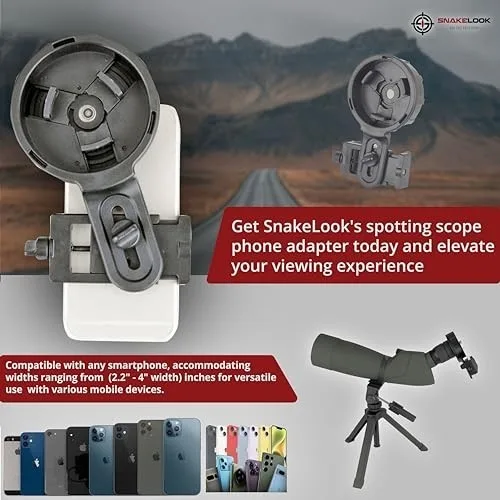
Can I attach my phone to a spotting scope to take pictures of the Moon?
Yes, many spotting scopes can be adapted for digiscoping, allowing you to attach a smartphone using a special adapter. This is a great way to capture images of the Moon, which is bright enough to photograph even with basic adapters and camera phones. However, capturing planets or deep-sky objects this way is usually not feasible.