How to Mount a Spotting Scope on a Tripod?
Getting your spotting scope steady on a tripod is key to actually seeing what you want to see, whether it's a distant bird or a celestial body. If your scope is wobbling, you're going to miss all the good stuff. That's why understanding how to properly mount a spotting scope on a tripod is so crucial for any outdoor enthusiast.
This guide breaks down the process visually, focusing on the connection points and common pitfalls. We'll walk through everything from identifying the right parts to making sure your setup is rock-solid. Manufacturer specifications often highlight the importance of a secure mount for optimal performance, and that's exactly what we're aiming for here.
How to Mount a Spotting Scope on a Tripod?
Mounting a spotting scope involves securing its base to a tripod head, usually via a mounting plate and a quick-release system or direct threading. The goal is to create a stable connection that allows smooth panning and tilting without unwanted movement. Ensure the tripod is stable and the mounting hardware is properly tightened.
Spotting Scope Mounts: What They Are and Why They Matter
A spotting scope mount isn't just a piece of hardware; it's the bridge between your powerful optics and a stable viewing platform. Without a proper mount, even the best spotting scope will deliver shaky, unusable images. This is especially true when you're trying to achieve high magnification, where even the slightest vibration is amplified dramatically.
Manufacturer specifications for spotting scopes consistently emphasize the need for a stable mounting system to achieve their rated optical performance. For example, high-end spotting scopes often integrate with standardized mounting systems like Arca-Swiss to ensure broad compatibility and a secure connection.
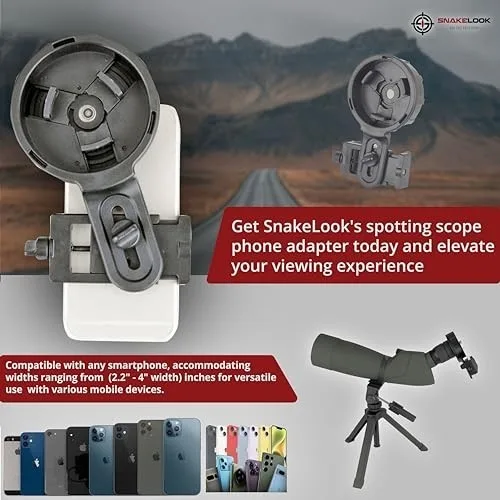
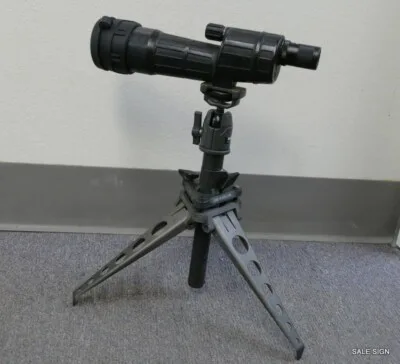
Image source: Web (Bing) / ebay.com (Web image (fair-use with source credit))
Key Components of a Stable Spotting Scope Setup
To successfully mount your spotting scope, you'll encounter a few key items that work together. Understanding their function is half the battle.
- Spotting Scope: This is your primary viewing instrument. Look for a threaded hole on its underside, typically 1/4"-20 or 3/8"-16, or a mounting rail.
- Tripod: The stable base that elevates your spotting scope. It usually has three legs that extend for height adjustment.
- Tripod Head: This sits atop the tripod and allows you to aim your scope. It features mechanisms for panning (side-to-side movement) and tilting (up-and-down movement), along with a way to attach your optics.
- Mounting Plate: Often a flat or shaped piece of metal that attaches directly to the spotting scope and then connects to the tripod head. This is common with quick-release systems.
- Quick-Release System: This allows you to detach and reattach your spotting scope quickly without fully unscrewing it. Arca-Swiss is a popular standard for these systems, ensuring a consistent fit.
Before You Mount: Essential Preparations
Before you even think about attaching your scope, a little preparation goes a long way. This ensures a smooth process and a stable final setup.
- Choose a Stable Location: Find level, firm ground for your tripod. Uneven or soft surfaces will compromise stability, no matter how well you mount the scope. Avoid areas with heavy foot traffic if possible, as vibrations can travel.
- Inspect Your Gear: Briefly check your tripod for any loose legs or damaged components. Ensure the mounting plate and the attachment mechanism on your tripod head are clean and free of debris. A bit of dust can prevent a snug fit.
- Understand Your Mount Type: Identify how your spotting scope and tripod head are designed to connect. Most scopes use either a standard threaded screw directly into the tripod head or a mounting plate designed for a quick-release clamp. Arca-Swiss compatibility is a common feature on modern tripod heads and plates.
Step-by-Step: Getting Your Spotting Scope on the Tripod
Now that you've got your gear ready, let's get your spotting scope securely mounted. This process is straightforward, but paying attention to the details ensures a wobble-free view.
Attaching the Mounting Plate
If your spotting scope doesn't have a built-in attachment point compatible with your tripod head, you'll need to attach a mounting plate first.
- Locate the Threaded Hole: On the underside of your spotting scope, find the threaded mounting hole. This is usually located near the center of gravity for balance.
- Align and Screw In the Plate: Take your mounting plate and carefully align its threaded post with the scope's hole. Gently start threading it in by hand. Once it's started, use a coin or a screwdriver (if the plate has a slot) to tighten it until it's snug. Don't overtighten; you don't want to strip the threads on your scope. For Arca-Swiss style plates, ensure it's oriented correctly to slide into the tripod clamp later.
Connecting to the Tripod Head
This is where your scope and tripod physically join. The method depends on whether you're using a direct thread or a quick-release system.
For Standard Thread Mounts:
- Hold your spotting scope (or the attached plate) above the tripod head.
- Locate the threaded post or screw on the tripod head that matches your scope or plate.
- Carefully thread the scope or plate onto the tripod head by turning it clockwise. Ensure the threads engage smoothly to avoid cross-threading.
- Turn until the scope is seated firmly against the tripod head.
For Quick-Release Systems (e.g., Arca-Swiss):
- Loosen the clamp on your tripod head. This might involve turning a knob or flipping a lever.
- Slide the mounting plate (already attached to your spotting scope) into the opened clamp.
- Ensure the plate is seated correctly within the clamp's guides.
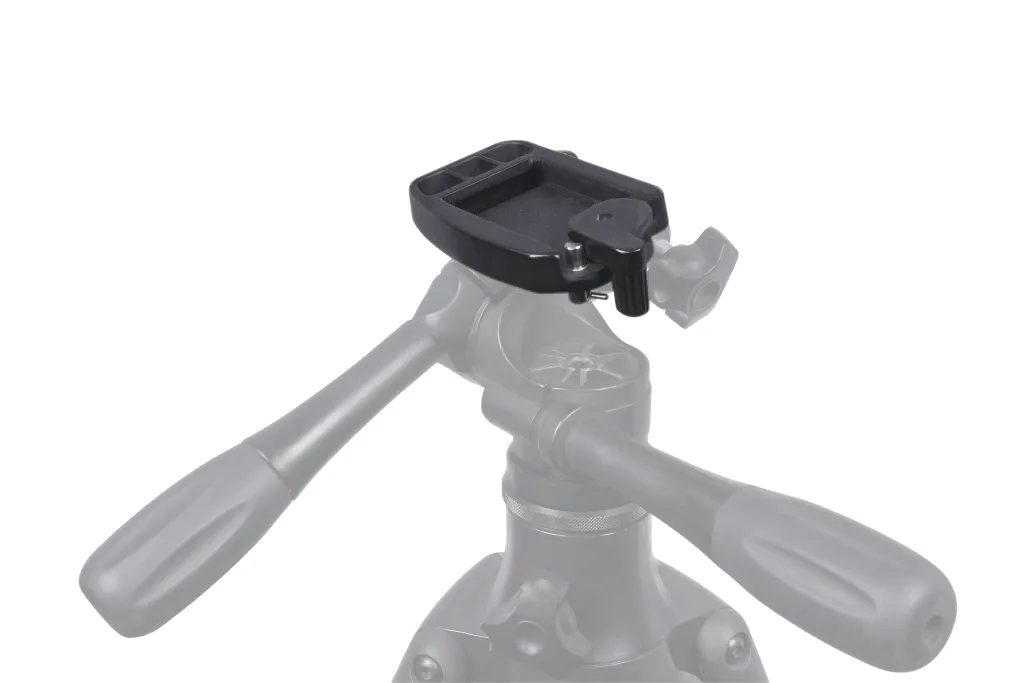
Image source: Bing (Web (fair-use with source credit))
Securing the Mount
Once your scope is positioned on the tripod head, you need to lock it down. This is a critical step to prevent any movement.
- For Standard Thread Mounts:
- Give the scope a gentle tug to ensure it's seated properly.
- If your tripod head has a secondary locking screw or collar, tighten it to prevent the scope from rotating or loosening.
- For Quick-Release Systems:
- Firmly tighten the clamp on your tripod head. This usually involves turning a large knob until it's snug.
- Test the connection by gently trying to wiggle the spotting scope. It should feel solid and unresponsive to minor pressure. You shouldn't feel any play or looseness.
Common Mistakes to Avoid When Mounting
Even with clear instructions, a few common slip-ups can lead to a frustrating experience. Being aware of these pitfalls can save you time and prevent potential damage to your gear.
- Overtightening Screws: While you want a secure fit, cranking down too hard on mounting screws can strip the threads on your scope or tripod, leading to costly repairs. Manufacturer specifications on torque are rare, but hand-snug plus a quarter-turn is usually sufficient.
- Cross-Threading: When screwing the scope or plate into the tripod head, ensure the threads align perfectly. Forcing them can damage both the scope and the tripod. Always start threading by hand.
- Not Fully Engaging Quick-Release Clamps: If you have a quick-release system, ensure the clamp is fully closed and locked. A partially engaged clamp can lead to the scope slipping out, especially under load or when tilted.
- Mounting on Unstable Ground: No matter how perfect your mount, if your tripod legs are sinking into mud or resting on a wobbly surface, your view will suffer. Always assess your setup location.
- Ignoring Balance: For scopes with longer bodies or external accessories, balance is key. Ensure the scope is centered over the tripod head's mounting point for easier adjustments and greater stability.
Why Seeing is Believing: Mounting Your Spotting Scope
Mounting a spotting scope effectively isn't just about screwing things together; it's about creating a stable, reliable platform for observation. When you're trying to spot a shy bird at 500 yards or track a distant astronomical object, the difference between a steady view and a shaky mess is everything. Manufacturer specifications for spotting scopes consistently highlight the need for a secure mounting solution to achieve their advertised optical clarity.
The common 1/4"-20 thread standard, found on many tripods and camera equipment, is a testament to the need for universal compatibility in optics mounting. For instance, an Arca-Swiss style mounting plate allows for quick, secure attachment and detachment, a feature many reviewers praise for its convenience and reliability.
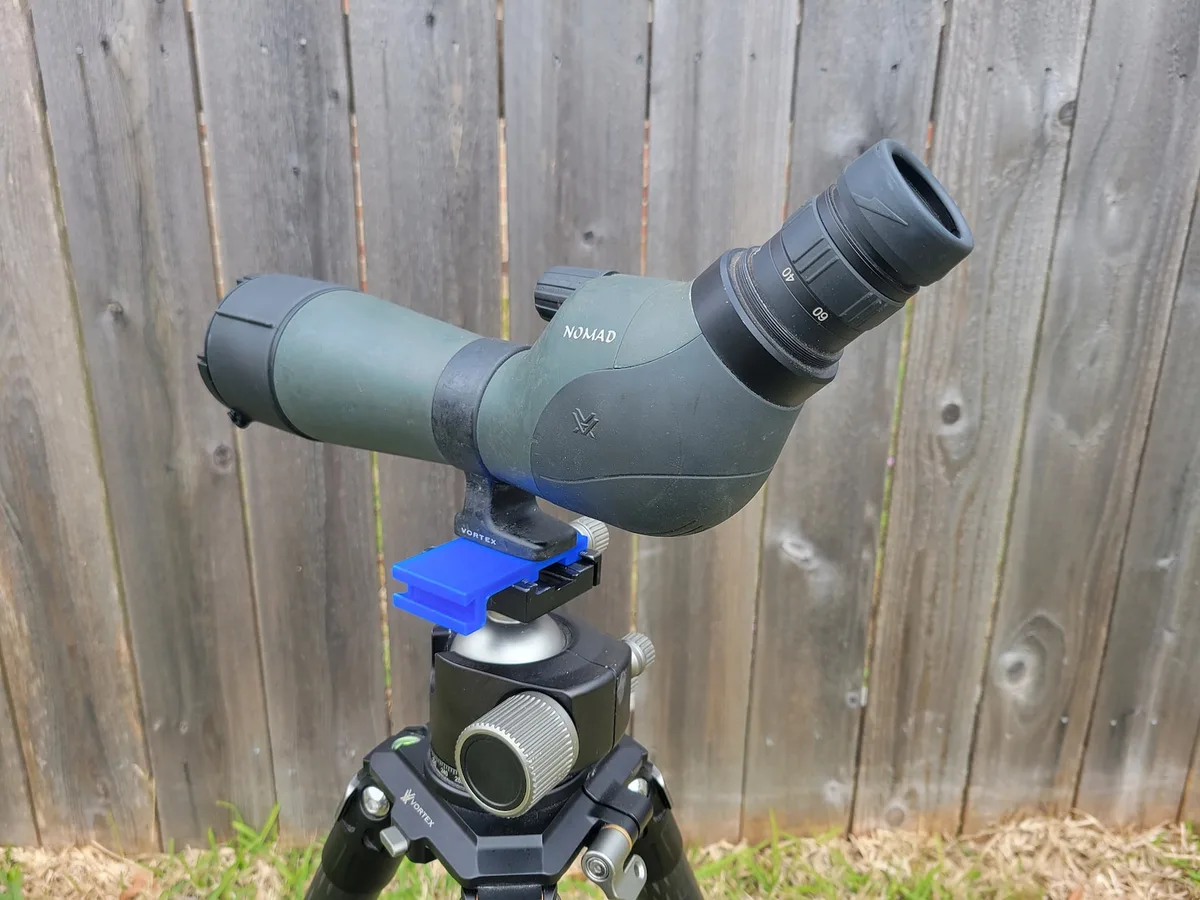
Image source: Bing (Web (fair-use with source credit))