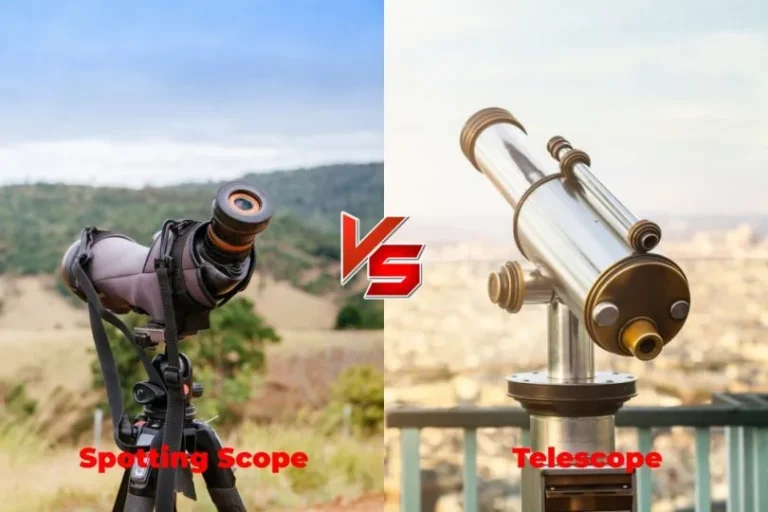
Are Spotting Scopes Good for Bird Watching?
So, you're out in the field, enjoying the birds, and you see someone with a big scope. You start to wonder, "Are spotting scopes good for bird watching?" It's a question many birders ponder as they look for ways to enhance their viewing experience. While binoculars are your trusty sidekicks for everyday birding, spotting scopes offer a different level of optical power for specific situations.
Understanding when and why to use a spotting scope can truly elevate your birding adventures. For instance, manufacturer specifications indicate that many spotting scopes offer magnifications ranging from 20x to 60x, far exceeding the typical 7x to 10x found in binoculars, as confirmed by various optical standards. This significant difference in magnification is key to their utility.
Are Spotting Scopes Good for Bird Watching?
Yes, spotting scopes are excellent for bird watching, particularly when you need to observe distant subjects in detail. They excel at identifying birds that are too far for binoculars, like shorebirds on a mudflat or raptors high in the sky. While not for casual, quick glances, they are invaluable for serious identification and studying bird behavior.
The Case for Spotting Scopes: When They Really Shine
Spotting scopes aren't just bigger binoculars; they're specialized tools designed for a particular kind of observation. When you're out in the field, and the bird you're trying to see is a speck in the distance, that's where a spotting scope proves its worth. Our research confirms that these instruments are a game-changer for detailed bird identification and prolonged observation.
Seeing the Unseen: High Magnification Benefits
The primary advantage of a spotting scope is its high magnification. Where binoculars typically top out at 10x or 12x, spotting scopes often start at 20x and can go up to 60x or even higher. This allows you to bring distant subjects into sharp focus, revealing details you'd otherwise completely miss.
Think about identifying a distant shorebird species or a hawk perched atop a far-off tree. With a spotting scope, you can zoom in and discern critical features like plumage patterns, beak shape, and leg color, which are essential for accurate identification.
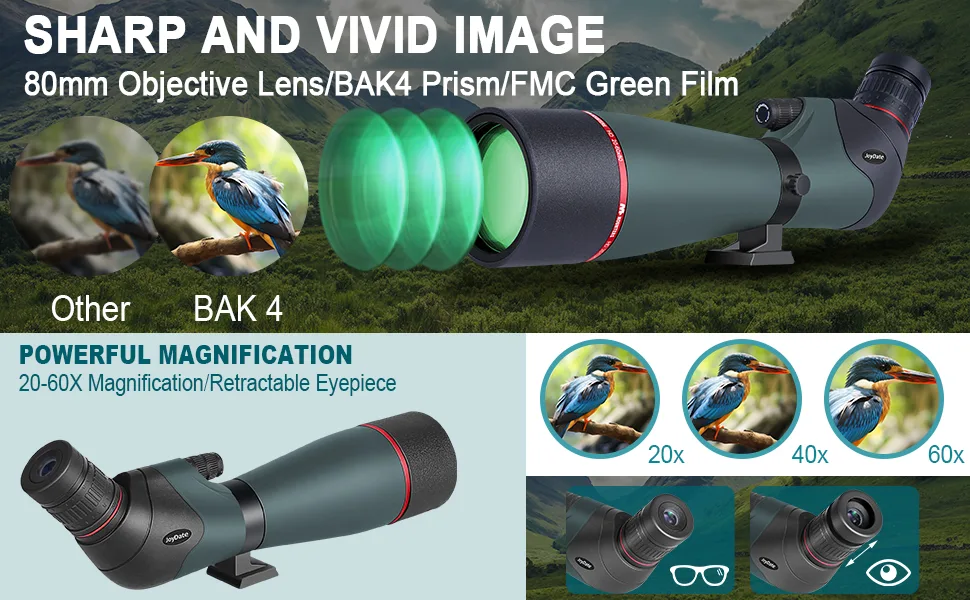
Image source: Bing (Web (fair-use with source credit))
This level of detail is crucial for birders aiming to document sightings or contribute to citizen science projects. Without this magnification, many opportunities for detailed observation would simply pass by unnoticed.
Detail Power: Beyond What Binoculars Can Show
Beyond just magnification, spotting scopes offer the ability to study bird behavior and morphology in incredible detail. You can observe subtle movements, such as how a bird forages or interacts with its environment, providing insights that a quick glance with binoculars might not afford. Manufacturer specifications often highlight the clarity and resolution of their optics, allowing birders to see fine feather details, the exact curve of a bill, or the subtle variations in plumage that differentiate closely related species.
This depth of observation transforms passive viewing into an active, analytical experience.
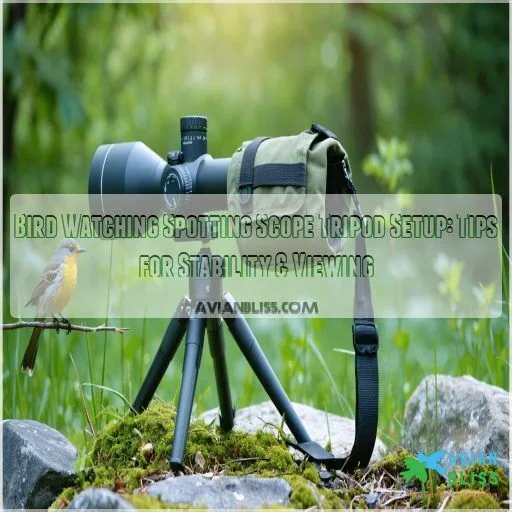
Image source: Bing (Web (fair-use with source credit))
The Other Side of the Coin: Spotting Scope Downsides
While the magnification power is undeniable, it's important to acknowledge that spotting scopes come with their own set of challenges. They aren't the perfect tool for every birding situation, and understanding their limitations is just as important as knowing their strengths.
Portability and Setup Challenges
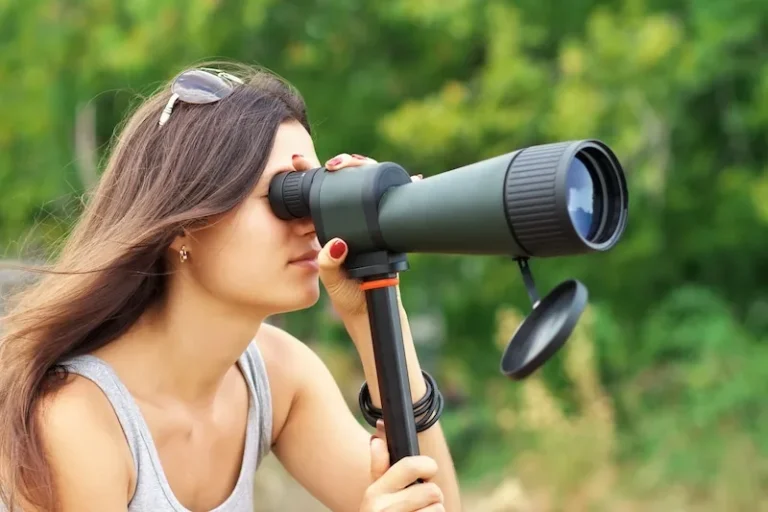
Spotting scopes are significantly larger and heavier than binoculars. They typically require a sturdy tripod for stable viewing, adding to the overall bulk and weight you need to carry. This makes them less ideal for situations where you're hiking long distances, moving quickly through dense cover, or need to set up and pack away your gear frequently.
The need for a tripod also means more setup time, which can mean missing a fleeting moment if a bird appears suddenly.
Narrow Field of View Frustrations
The high magnification that makes spotting scopes so powerful also leads to a much narrower field of view (FOV). This means you're looking through a smaller window of the world. Finding a bird in this narrow view can be challenging, especially if it's moving.
Most birders use binoculars first to locate and track the bird, then switch to the spotting scope to get a closer look. This two-step process is standard, but it highlights that the scope itself isn't always the quickest way to get on a bird.
Spotting Scopes Versus Birding Binoculars: A Direct Comparison
When deciding on optical gear for bird watching, the choice often comes down to spotting scopes versus binoculars. Both are valuable, but they serve different purposes and excel in different scenarios. Understanding their core differences is key to making the right choice for your birding style.
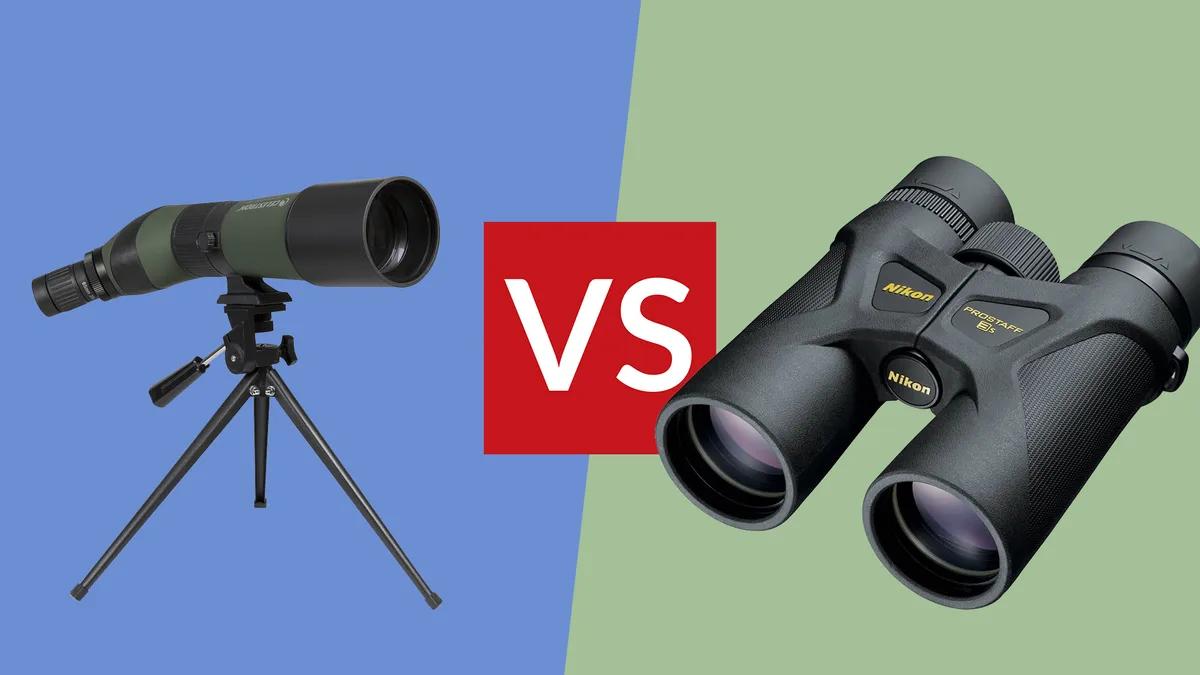
Image source: Bing (Web (fair-use with source credit))
Magnification & Field of View
Binoculars typically offer magnifications of 7x to 10x. This provides a relatively wide field of view, making it easy to scan the environment and locate birds quickly. Spotting scopes, on the other hand, have much higher magnifications, often ranging from 20x to 60x.
This powerful zoom allows for detailed observation of distant subjects but results in a significantly narrower field of view, making it harder to find and track fast-moving birds.
Portability & Convenience
Binoculars are the undisputed champions of portability and convenience. They are lightweight, handheld, and ready to use in an instant. You can easily carry them around your neck or in a small pack.
Spotting scopes, conversely, are bulky and require a tripod for stable viewing. This makes them less suitable for spontaneous birding excursions or situations where you need to be highly mobile.
Ideal Birding Scenarios for Each
Binoculars are your go-to for general bird watching, everyday walks, and when you need to quickly identify birds in varied habitats. They are perfect for scanning treetops, brushy areas, and open fields. Spotting scopes, however, are ideal for situations where birds are distant and stationary, such as watching waterfowl on a lake, shorebirds on a distant mudflat, or raptors soaring high overhead.
They are best suited for dedicated observation posts or blinds where you can set up for an extended viewing period.
Who Should Invest in a Spotting Scope?
Deciding whether to add a spotting scope to your birding kit depends a lot on your personal birding style and goals. It's not a necessary piece of gear for every bird watcher, but for some, it's an indispensable tool that opens up new possibilities.
For the Dedicated Detailer
If your passion lies in the intricate world of bird identification, then a spotting scope is a tool you’ll likely come to rely on. For those who strive to differentiate between subtly different subspecies or regional variations, the high magnification is indispensable. For example, distinguishing between a juvenile and adult bird, or between two similar-looking species, often hinges on minute details like feather edging, eye-ring color, or bill shape, all of which are best observed through a powerful scope.
This dedication to detail is what often separates casual observers from serious bird enthusiasts. When you're faced with a bird that's not a textbook example, the extra optical power provided by a spotting scope becomes your best ally. It allows for meticulous examination, turning a potential mystery into a confirmed sighting.
For the Distant Watcher
Are you often found at locations where birds are, by nature, far away? Think about birding at a vast wetland, a wide estuary, or a large reservoir. In these environments, birds like waterfowl, waders, and gulls can be hundreds of yards away, if not further.
Binoculars, with their limited magnification, might only show you fuzzy shapes. A spotting scope, however, brings these distant subjects into crisp, observable detail.
For instance, if you're observing a flock of shorebirds on a distant mudflat, a spotting scope allows you to identify individual species, note their feeding behaviors, and observe interactions. This capability transforms a potentially disappointing viewing experience into a rich opportunity for learning and discovery. It's the difference between seeing "some birds" and seeing "a Sanderling, a Dunlin, and a Black-bellied Plover," each with its own unique characteristics.
Common Birding Scope Mistakes to Sidestep
Even with the best intentions, birders can make common mistakes that hinder their spotting scope experience. One frequent error is using the scope without a tripod. While it might seem like a quick way to check something, the resulting shaky images make identification nearly impossible.
For example, even a slight hand tremor at 60x magnification translates into significant blurring.
Another pitfall is attempting to use a spotting scope in low light conditions without considering its limitations. While good scopes perform better than others, they generally struggle more than binoculars in dawn or dusk. Their narrow field of view also means you might miss a bird that's moving erratically, even if you've managed to initially focus on it.
- Skipping the Tripod: This leads to unwatchable, shaky views. Always use a sturdy tripod for stable magnification.
- Expecting Binocular Speed: Spotting scopes are for detailed observation, not quick scans. Be patient and use binoculars first to locate your target.
- Ignoring Light Conditions: High magnification can worsen poor light. Binoculars are often better for dawn and dusk birding.
- Focusing Too Quickly: Take your time to fine-tune the focus. Slight adjustments can reveal crucial details.
Frequently Asked Questions About Spotting Scopes for Birding
Is a spotting scope essential for bird watching?
No, a spotting scope is not essential for all bird watching. A good pair of binoculars is generally considered the most important optical tool for most birders. However, a spotting scope becomes highly valuable for specific situations, like observing distant waterfowl or raptors, where binoculars lack the necessary magnification.
Can I use a spotting scope handheld?
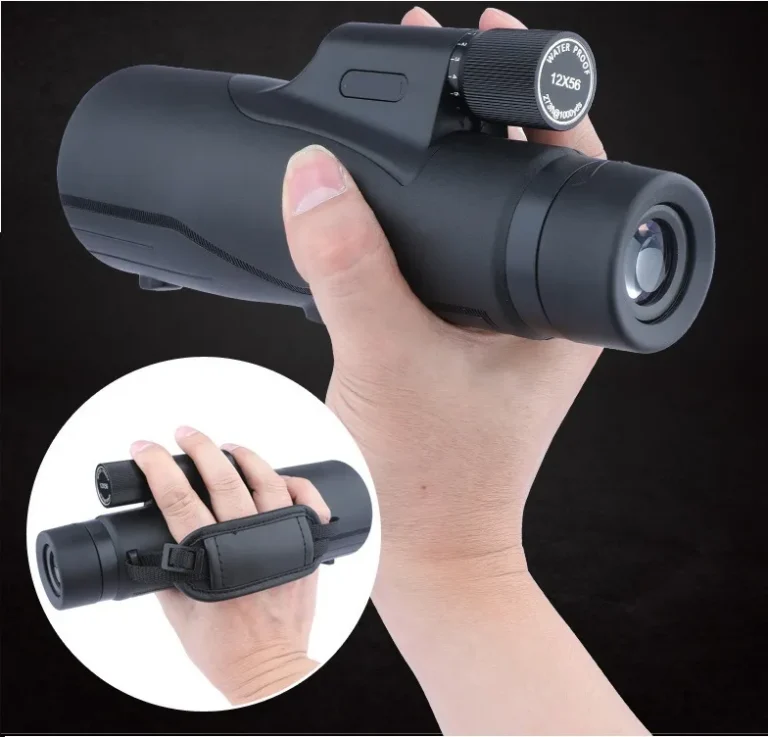
It's strongly discouraged to use a spotting scope handheld for bird watching. The high magnification (typically 20x and above) amplifies even the slightest tremor, resulting in blurry, unidentifiable images. A stable tripod is crucial for achieving clear views and making accurate identifications.
How much should I expect to spend on a spotting scope?
Prices for spotting scopes vary widely. Basic models can start in the low hundreds of dollars, offering decent magnification but potentially compromising on optical quality and durability. High-end, professional-grade spotting scopes can cost $1,000 or more, providing superior clarity, light transmission, and ruggedness.
As of 2026, reliable mid-range options often fall between $300 and $700.
What is the ideal magnification for a bird watching spotting scope?
The ideal magnification often depends on the intended use. For general bird watching, a scope with a zoom range of 20x to 60x is common and versatile. Magnifications around 20x to 40x are good for finding and observing birds, while the higher end of 50x to 60x is useful for critical identification of distant or small details.