What Is the Difference Between a Spotting Scope and Binoculars?
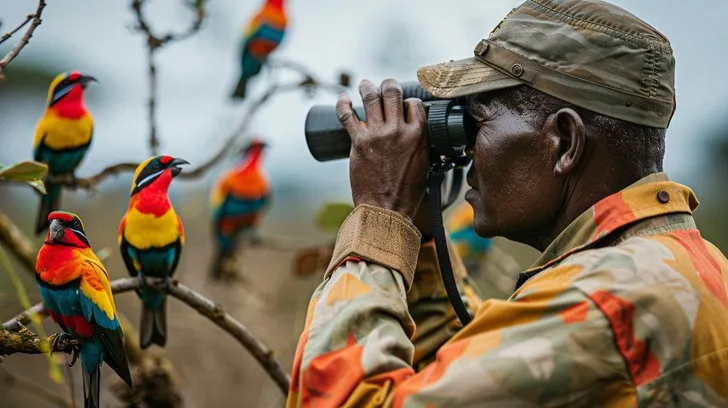
So, you're wondering, what is the difference between a spotting scope and binoculars? It's a common question for anyone looking to get a closer look at the world, whether it's for wildlife, sports, or target practice. While both tools magnify distant objects, they're designed with very different purposes and capabilities in mind.
Think of binoculars as your versatile everyday companions, ideal for a wide field of view and general observation. Spotting scopes, on the other hand, are specialized tools built for extreme magnification, letting you see incredible detail from far away. Manufacturer specifications confirm that binoculars typically offer magnification in the 7x to 10x range, while spotting scopes commonly go from 20x up to 60x or more.
What Is the Difference Between a Spotting Scope and Binoculars?
The main difference lies in their intended use and how they achieve magnification. Binoculars offer a moderate zoom with a wide field of view, making them great for general observation and tracking moving subjects. Spotting scopes provide much higher magnification but with a narrower field of view, prioritizing detailed examination of distant, static subjects.
Binoculars: Your Everyday Magnifier
Binoculars are those handy, usually handheld, devices with two eyepieces that you’ve likely seen or used. They're your all-around champs for general observation, offering a good balance of magnification and portability.
Key Features to Know
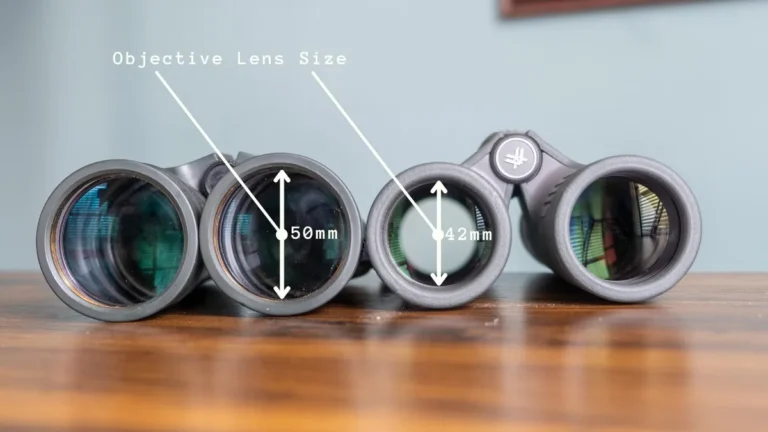
- Magnification & Objective Lens: Binoculars are often described by numbers like "8×42". The "8x" means 8x magnification (things appear 8 times closer), and "42" refers to the objective lens diameter in millimeters. A larger objective lens, like 50mm, gathers more light, leading to a brighter image, especially in low-light conditions. Per standards from organizations like the ISO 14132-1:2023, these specifications directly impact optical performance.
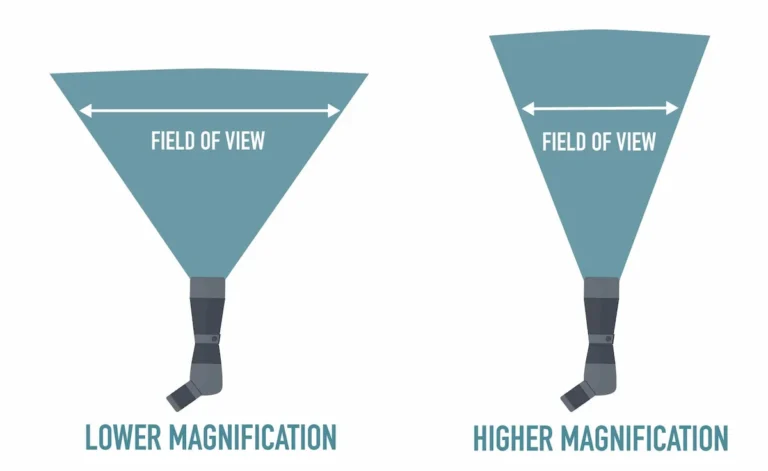
- Field of View (FOV): This is the width of the scene you can see at a specific distance, usually measured in feet at 1,000 yards. A wider FOV is beneficial for spotting fast-moving objects like birds or sports action.
- Portability: Most binoculars are designed to be compact and easily carried in a bag or around your neck, making them ideal for on-the-go use.
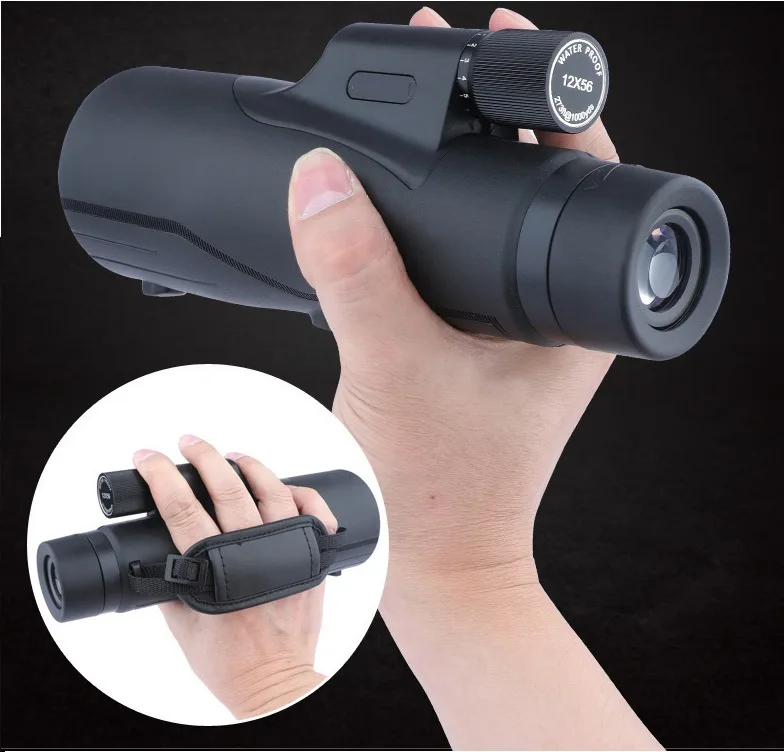
Image source: Web (Bing) / alibaba.com (Web image (fair-use with source credit))
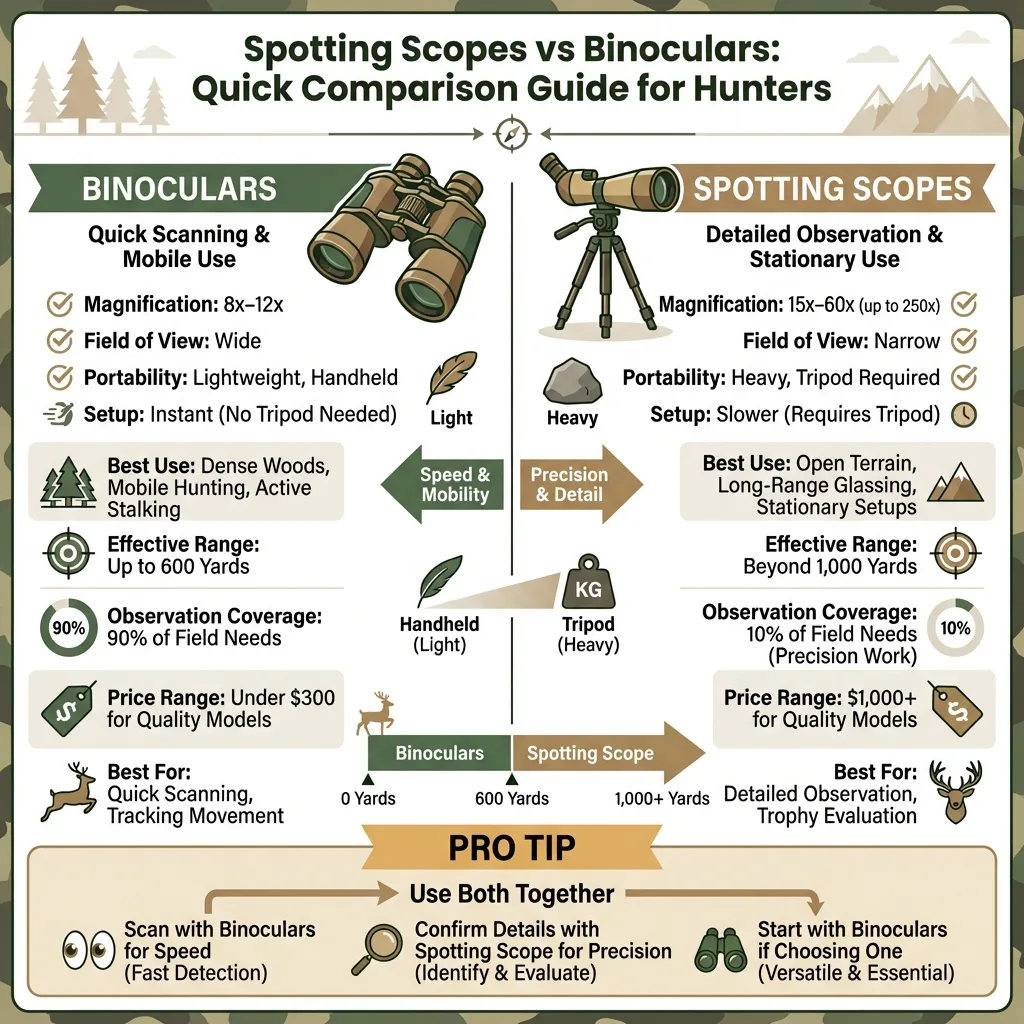
Image source: Web (Bing) / scopeitoutdoors.com (Web image (fair-use with source credit))
Spotting Scopes: The Deep Dive Specialist
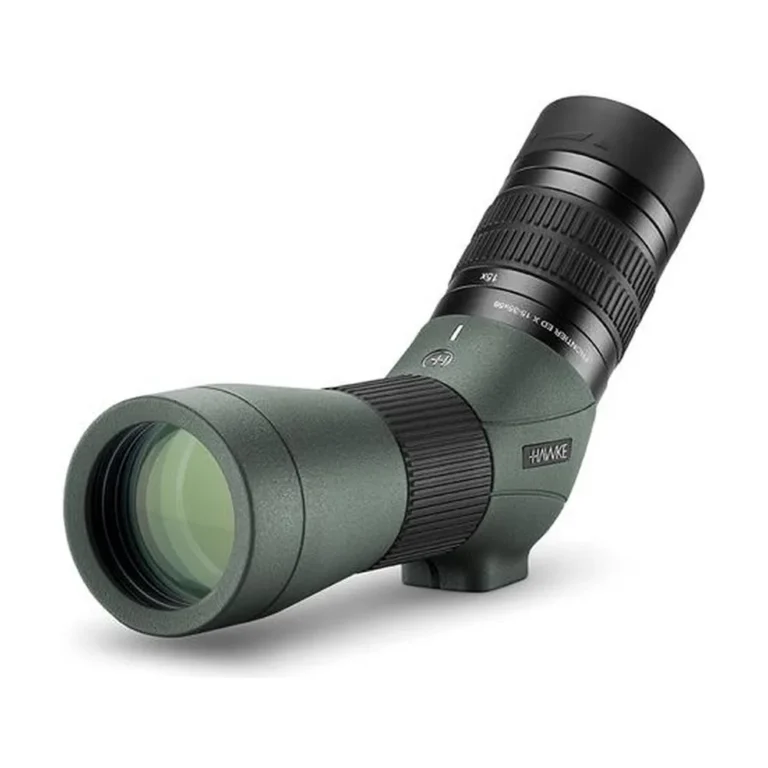
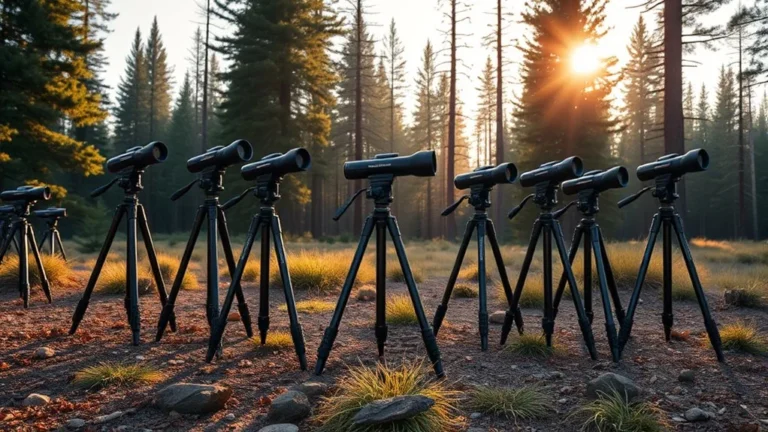
Spotting scopes are typically larger and have only one eyepiece, resembling a small telescope. Their primary function is to deliver significant magnification, allowing you to see fine details from very long distances.
Key Features to Know
- High Magnification: This is where spotting scopes excel, with common models offering zoom ranges like 20-60x or 25-75x. This allows for incredibly close views, though the sharpest image is usually at the lower end of the magnification range.
- Larger Objective Lens: To compensate for the high magnification and gather sufficient light, spotting scopes usually feature larger objective lenses, often ranging from 65mm to 80mm or even more.
- Tripod Required: Due to the extreme magnification, even the slightest hand tremor is amplified, making a stable tripod absolutely essential for clear viewing. Without one, the image will be unwatchably shaky.
- Narrower Field of View: As magnification increases on a spotting scope, the area you can see (the FOV) shrinks considerably.
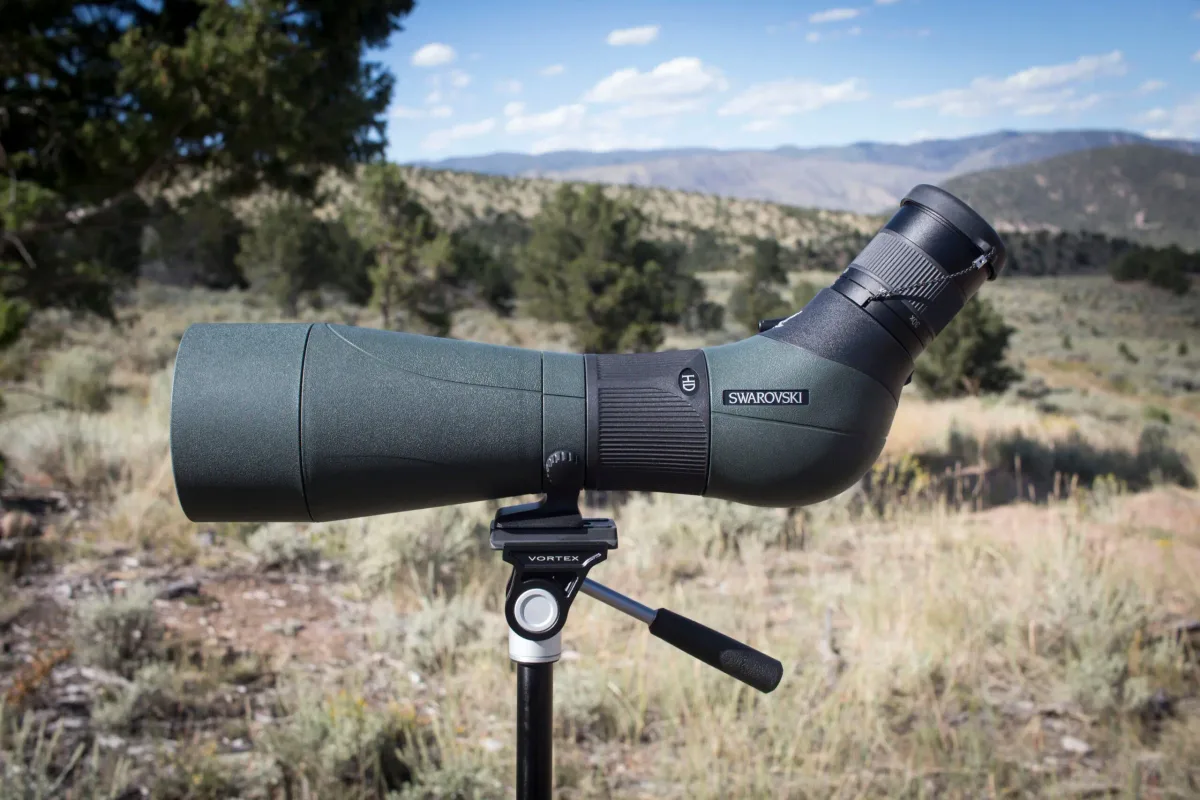
Image source: Web (Bing) / fieldandstream.com (Web image (fair-use with source credit))
What's the Real Difference?
The core distinction boils down to the level of detail you need and the environment you'll be using them in. Binoculars offer a balanced approach for general viewing, while spotting scopes are for situations demanding extreme zoom.
| Feature | Binoculars | Spotting Scope |
|---|---|---|
| Primary Use | General observation, wider views, portability | Extreme magnification, detailed observation at range |
| Magnification | Lower (e.g., 7x, 8x, 10x) | Much higher (e.g., 20x, 40x, 60x or more) |
| Eyepieces | Two | One |
| Portability | Excellent, handheld | Fair to Poor, requires tripod |
| Field of View | Wider | Narrower, especially at high power |
| Stability | Handheld (usually) | Requires tripod |
When to Choose Binoculars
You should reach for binoculars if your activities involve general observation where you need a broad view and easy handling. They're fantastic for casual nature walks, sporting events, and even general stargazing. If you're a budding birdwatcher or simply enjoy getting a better look at the world around you without being tied down by equipment, binoculars are your go-to choice.
They offer a comfortable viewing experience for extended periods, and their compact size makes them incredibly convenient to pack and use anywhere.
When to Choose a Spotting Scope
Opt for a spotting scope when your primary goal is to see incredibly fine details from a significant distance. This is crucial for activities like long-range target shooting, where reading bullet holes on a paper target at 300 yards or more is essential. They are also invaluable for serious wildlife enthusiasts who need to identify distant animals or distinguish between very similar bird species based on subtle plumage differences.
If you plan to attach a camera for digiscoping to capture detailed shots of wildlife, a spotting scope is indispensable. As of 2026, the technology in spotting scopes continues to improve, offering even sharper images at higher magnifications.
FAQs: Your Spotting Scope and Binocular Questions Answered
How do I choose the right magnification for binoculars?
Magnification depends on your primary use. For general birdwatching or sporting events, 7x or 8x is usually ideal for a stable, wide view. If you need to identify distant birds or details at a range, 10x can be effective, but hand-shake becomes more noticeable.
Do I really need a tripod for a spotting scope?
Yes, absolutely. Spotting scopes offer high magnification, meaning even slight hand movements are amplified, making the image blurry and unusable. A sturdy tripod is non-negotiable for achieving a clear, stable view with a spotting scope.
Can I use binoculars for stargazing?
Binoculars can be great for casual stargazing, offering a wider view of constellations and star clusters than a telescope. Look for models with larger objective lenses (e.g., 50mm or more) for brighter views of fainter celestial objects. For deep-sky objects, however, a telescope is generally better.
What does "fully multi-coated" mean on optics?
"Fully multi-coated" refers to all glass surfaces having multiple layers of anti-reflective coatings applied. This significantly reduces light reflection and increases light transmission, resulting in brighter, sharper, and more contrasty images. This is a key indicator of quality in both binoculars and spotting scopes.
Is a spotting scope useful for hunting?
Yes, spotting scopes are extremely useful for hunters, especially those hunting at long distances. They allow you to glass hillsides or distant fields to locate game, assess their size and condition, and plan your approach without disturbing the animals. Their high magnification is key for this application.