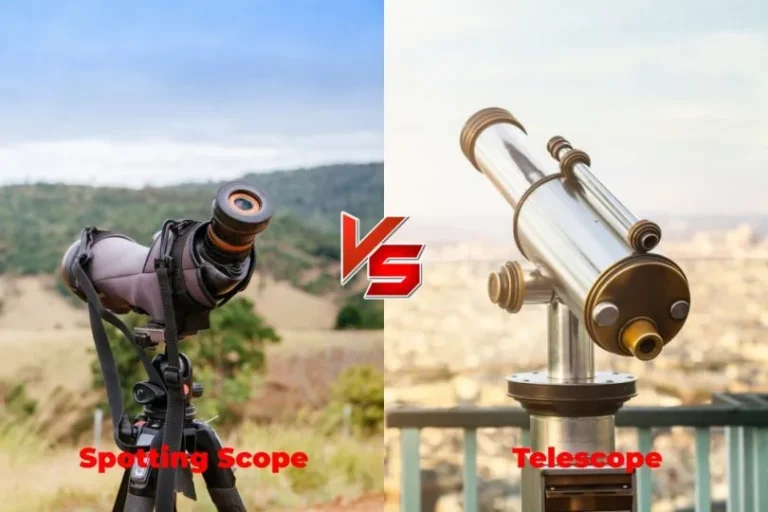
How to Store a Spotting Scope Properly?
Storing your spotting scope correctly is more than just putting it away; it's about protecting your investment and ensuring clear views for years to come. Improper storage can lead to scratches, dust accumulation, and even internal fogging that ruins an otherwise perfectly good optic. We've gathered insights to help you keep your spotting scope in prime condition, no matter how long it's stored.
Manufacturer specifications and expert recommendations often highlight the critical role of environmental control, particularly regarding humidity. For instance, maintaining relative humidity below 50% is often advised for long-term optical equipment storage to prevent mold and internal lens fogging, as outlined by general guidelines for sensitive optical instruments. This foundation of knowledge helps you make informed decisions for every storage scenario.
Why Proper Spotting Scope Storage Matters
Your spotting scope is a precision instrument designed to bring distant subjects close with incredible clarity. Every scratch on the lens, every speck of dust inside, and every instance of internal fogging degrades that performance. Think of it like a high-performance car, you wouldn't leave it uncovered in a storm or store it with a dirty engine.
Proper storage actively prevents damage that can be costly, sometimes impossible, to repair.
It’s about preserving the optical coatings that give you sharp images and protecting the delicate internal mechanisms. Manufacturer specifications consistently emphasize careful handling and storage to maintain the scope's intended optical path and resolution. Ignoring these precautions can shorten its lifespan significantly.
The Climate You Store In: Your First Big Decision
Where you store your spotting scope is arguably the most critical factor in its long-term health. Not all environments are created equal, and the wrong one can accelerate degradation far faster than simple neglect. Consider the typical conditions your scope will experience during its downtime.
Humid vs. Arid Climates
In humid regions, the primary concern is moisture. High humidity can lead to internal fogging and the growth of mold or fungus on lens elements, which can permanently etch coatings. Desiccant packs are a lifesaver here, but they need to be properly managed and replaced or recharged.
Arid climates are generally more forgiving, but extreme dryness can sometimes cause certain sealants or plastics to become brittle over time, though this is less common.
Cold vs. Hot Climates
Temperature extremes are tough on any precision instrument. Rapid and significant temperature fluctuations cause materials to expand and contract. This stress can compromise seals, leading to moisture ingress.
While most spotting scopes are designed to withstand a reasonable range, storing one in a freezing garage or a scorching attic for extended periods puts unnecessary strain on its components. Ideally, aim for a stable, moderate temperature.
Location Risks (Garage, Attic, Basement)
- Garages: Often experience wide temperature swings and high humidity, especially if uninsulated. They can also be dusty.
- Attics: Can get incredibly hot in the summer and very cold in the winter, leading to significant temperature fluctuations. Dust is also a major issue.
- Basements: Can be damp and prone to mold growth, especially if not well-ventilated. Some basements are temperature-stable but still carry a risk of water damage.
Research from the National Institute of Standards and Technology (NIST) on material stability under various environmental conditions highlights how consistent, controlled temperatures and humidity levels are key to preventing material degradation in sensitive equipment.
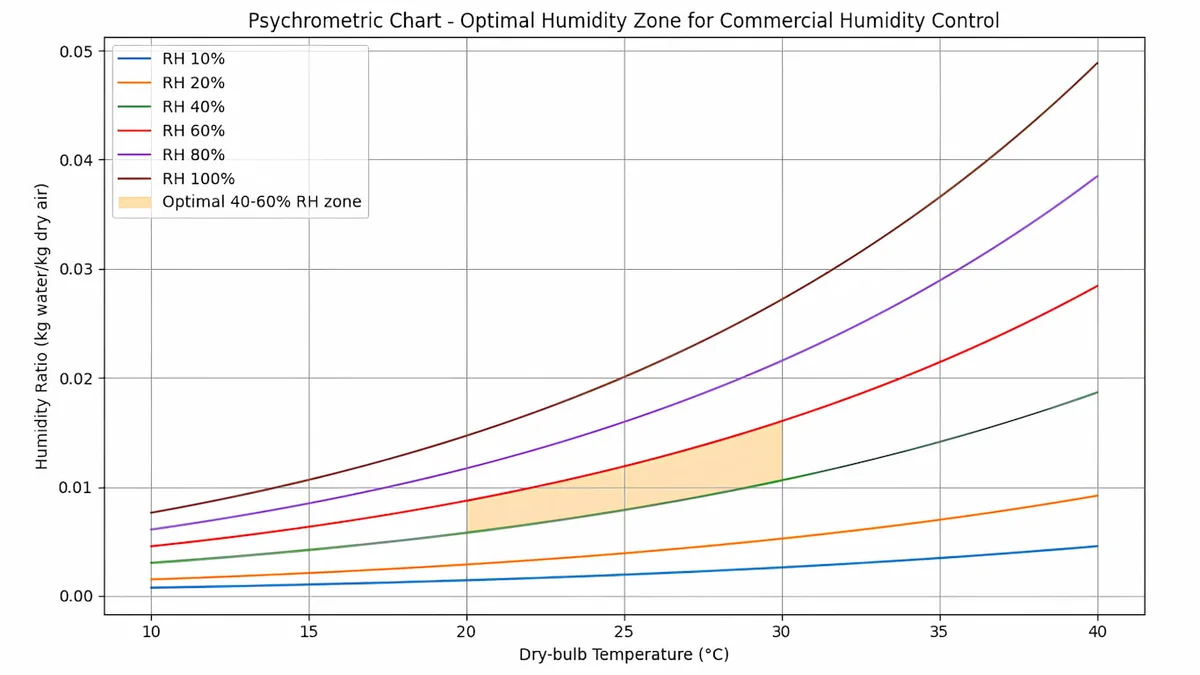
Image source: Bing (Web (fair-use with source credit))
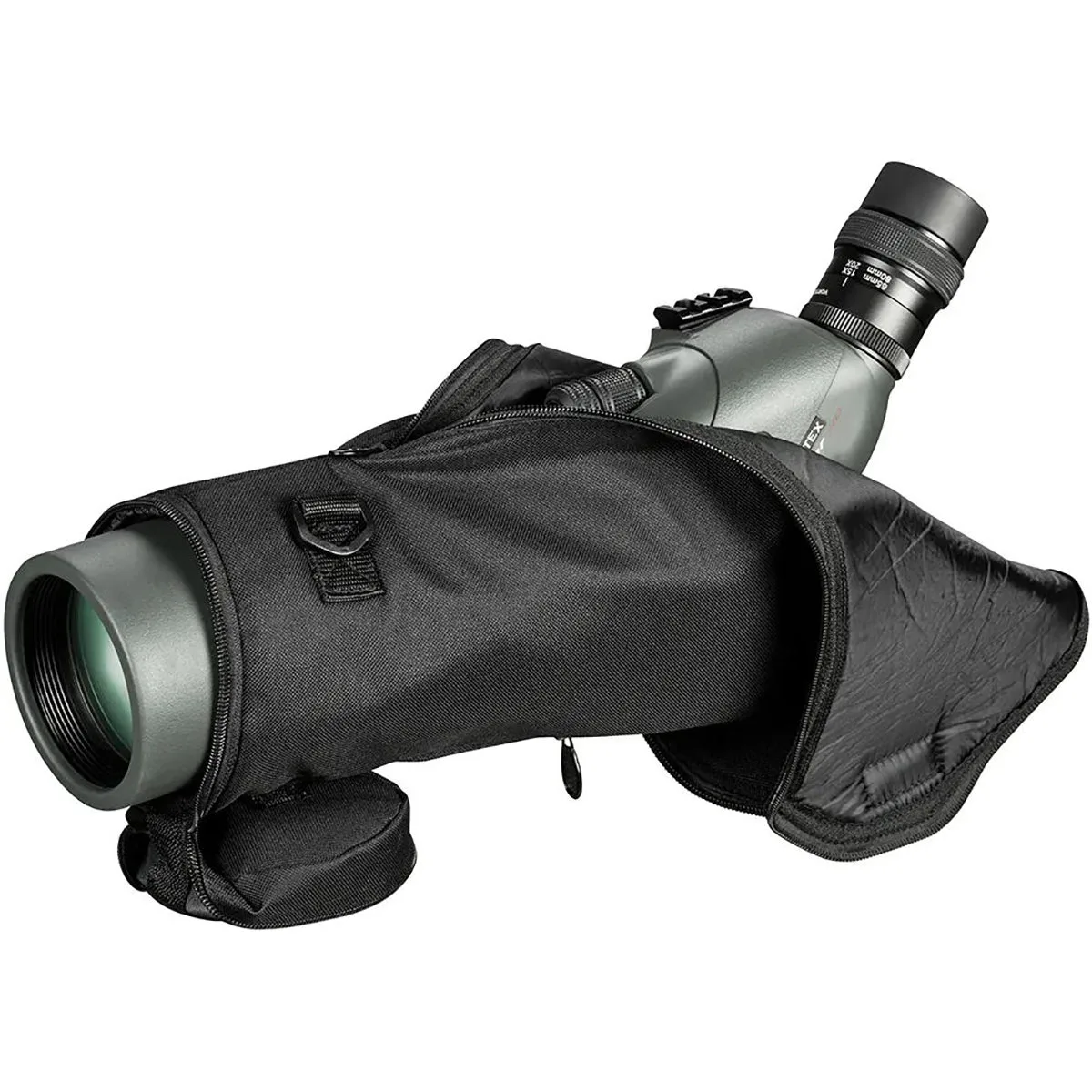
Image source: Web (Bing) / forzasports.com (Web image (fair-use with source credit))
Choosing the Right Storage Solution
Once you've considered your environment, selecting the right storage container is your next big step. This isn't just about a box; it's about creating a protective micro-environment for your scope.
Hard Cases: Maximum Protection for the Long Haul
Hard cases, often made from durable plastics like ABS or polycarbonate, offer the best protection against impacts, drops, and crushing forces. They are ideal for transport and long-term storage. Many high-quality hard cases are also designed to be waterproof and airtight, creating a significant barrier against environmental contaminants.
Look for models with custom-cut foam interiors that securely cradle your scope and accessories, preventing them from shifting.
Soft Field Cases: Everyday Convenience
Soft cases, typically made from padded nylon or polyester, are lighter and more flexible. They offer good protection against dust, minor bumps, and scratches. These are perfect for keeping your scope protected between outings or for carrying it on shorter trips where heavy impacts are less likely.
However, they generally lack the robust protection of a hard case against significant drops or extreme environmental exposure.
When deciding, think about how you’ll primarily use the scope. If it’s going to be in and out of a vehicle frequently, or if you’re concerned about accidental knocks, a hard case is your best bet. For casual use or quick trips where it will be carefully handled, a good soft case can be sufficient.
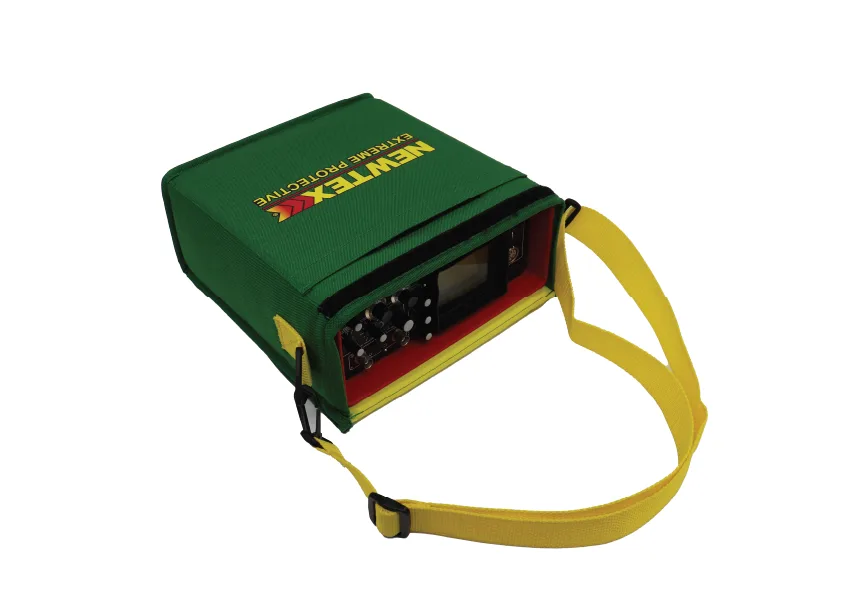
Image source: Web (Bing) / fieldtexcases.com (Web image (fair-use with source credit))
Essential Gear for Safe Storage
Beyond the main container, a few key items can make a huge difference in how well your spotting scope survives its storage period. These are small investments that pay big dividends in preserving your optic.
Protective Caps: Your First Line of Defense
Always put the lens caps back on your spotting scope before storing it. The objective lens cap protects the front element from dust, scratches, and accidental impacts. The eyepiece cap does the same for the part you look through.
Even during short breaks, capping your lenses prevents dust from settling and makes subsequent cleaning much easier.
Desiccant Packs: Battling Moisture
Desiccants, like silica gel packs, are crucial for absorbing excess moisture. They are invaluable in humid environments or when storing your scope in less-than-ideal locations like a basement or garage. You can buy reusable silica gel packs that can be recharged in an oven or microwave, or disposable ones.
Place a few packs inside the storage case alongside your scope. Be aware that desiccants have a saturation point; they need to be monitored and either replaced or recharged. Manufacturer guidelines for sensitive electronics often recommend maintaining humidity levels below 50% using desiccants, as verified by materials science research.
Lens Cleaning Kits: Essential Prep
Before you store your scope, give the lenses a good clean. This means removing any dust, fingerprints, or smudges. Use a dedicated lens cleaning solution and a microfiber cloth specifically designed for optics.
Never use household cleaners or paper towels, as they can scratch the delicate lens coatings. Ensure the lenses are completely dry before capping them.
The Step-by-Step Storage Process
Putting your spotting scope away isn't complicated, but following a clear process ensures you don't miss any critical steps. This routine protects your investment and guarantees your scope is ready for its next use.
Cleaning and Preparing Your Scope
Start by inspecting your spotting scope for any visible dust or debris. If it's been used outdoors, it likely needs a gentle clean.
- Brush off loose dust: Use a soft, clean brush or a blower bulb to remove surface dust from the exterior and lens elements.
- Clean the lenses: Apply a small amount of optical lens cleaning solution to a clean microfiber lens cloth. Gently wipe the objective lens and the eyepiece lens in a circular motion, starting from the center and working outwards. Avoid excessive pressure.
- Dry thoroughly: Ensure both lenses are completely dry. Any remaining moisture can lead to fogging or mildew issues during storage.
Packing for Short-Term vs. Long-Term Storage
The method varies slightly depending on how long the scope will be stored.
- Short-Term (Days to Weeks): Ensure lens caps are on. Place the scope in its dedicated field case or a padded compartment within a larger bag. Store in a stable indoor environment, away from direct sunlight and extreme temperatures.
- Long-Term (Months to Years): This requires more diligence. Clean the scope thoroughly. Attach lens caps. Place it in a hard, protective case. Add desiccant packs to the case. Seal the case tightly and store it in a climate-controlled environment.
Adding Desiccants Correctly
If you're using desiccant packs, follow these guidelines for maximum effectiveness.
- Use enough packs: For a standard spotting scope case, 2-4 medium-sized silica gel packs are usually sufficient. Check the pack manufacturer's recommendations for the volume they can protect.
- Placement: Place the packs inside the storage case but not directly touching the scope's body or lenses if possible. Ideally, place them in the foam or a small pouch within the case. This prevents direct contact with the optic itself.
- Monitor and Recharge: If using reusable packs, check their color indicator (if applicable) or periodically assess for moisture. Recharge them according to manufacturer instructions by drying them out (often in a low oven or microwave) until they are ready to absorb moisture again. This process typically involves heating them at around 250°F (120°C) for 1-2 hours, as per general silica gel desiccant guidelines.
Common Spotting Scope Storage Mistakes to Dodge
Even with the best intentions, some storage habits can inadvertently harm your spotting scope. Recognizing these pitfalls is key to preventing damage. A common error is relying solely on a soft case for long-term storage, offering insufficient protection against impacts or environmental extremes.
Another frequent mistake is neglecting to recharge or replace desiccant packs. Once saturated, they stop absorbing moisture, rendering them useless and potentially even contributing to a humid micro-environment if the desiccant itself becomes damp. Also, many people forget to put lens caps back on, leaving the delicate glass surfaces exposed to dust and potential scratches during storage.
Overlooking Moisture Control
Many users underestimate the damage humidity can cause. Even if a case seems sealed, micro-leaks can allow moisture in, especially in coastal or tropical regions. This moisture can lead to lens fogging or even mold growth on internal elements, which is difficult and expensive to rectify.
Cramming Gear In
Stuffing your scope and accessories into a case without proper arrangement is a recipe for disaster. This can lead to pressure points on the scope body or lenses, potentially causing misalignment or cracks. Accessories should also have their own secure spots within the case to prevent them from rattling around and damaging the scope.
Storing in Unstable Environments
Leaving your scope in a car trunk, a shed, or any location with wild temperature swings is detrimental. The constant expansion and contraction of materials can compromise seals and warp components over time. This instability creates a much higher risk of damage than simply storing the scope indoors in a stable setting.
Does Storage Affect Optical Clarity?
Absolutely. Improper storage directly impacts optical clarity. Dust and debris that settle on lenses over time, even if you clean them, can leave micro-scratches on the coatings if not handled carefully.
These scratches scatter light, reducing image sharpness and contrast.
More critically, moisture ingress can cause internal fogging or promote mold growth on lens elements. This creates a hazy or cloudy appearance that obstructs your view. Lens coatings themselves are designed for performance but can degrade or be permanently damaged by prolonged exposure to high humidity or corrosive elements, diminishing the vibrant colors and sharp details you expect.
How Does Humidity Damage Lenses?
High humidity, particularly above 60%, can create condensation on cooler lens surfaces. Over time, this moisture can seep into the air gaps between lens elements if seals are compromised. Inside these gaps, especially with organic contaminants present (like dust particles or residue from fingerprints), mold and fungus can begin to grow.
This growth manifests as fuzzy or web-like patterns on the lens, and it can etch the lens coatings, causing permanent optical degradation.
What About Temperature Extremes?
Extreme heat can cause lubricants within the scope's focusing mechanism to break down or even leak. Extreme cold can make plastics and rubber seals brittle, increasing the risk of cracking and subsequent seal failure. Both extremes stress the materials, potentially leading to misalignment of optical components or cracks in the housing, all of which directly affect image quality and the scope's functionality.
Should I Use Desiccants for Short-Term Storage?
For short-term storage, generally a few weeks to a couple of months, the necessity of desiccants depends heavily on your climate and where you're storing the scope. If you live in a very humid region, or if the storage location is even slightly damp (like a basement closet), using desiccants is a wise precaution. For drier climates and indoor storage in stable temperature conditions, they might not be strictly necessary but are still a good idea for added peace of mind.
If you do use them, remember they aren't a magic bullet. They need to be active and replaced or recharged. A common mistake is to place a saturated desiccant pack back into the case, which can do more harm than good by contributing to the very moisture problem you're trying to solve.
When Are Desiccants Absolutely Necessary?
- Storing in humid climates (coastal, tropical).
- Storing in damp locations (basements, unventilated closets).
- Storing for periods longer than a month in any environment.
- Transporting the scope through varying humidity levels.
How Often Should Desiccants Be Recharged?
This depends on the desiccant type, its capacity, and the ambient humidity. Reusable silica gel packs often have a color indicator that turns from blue to pink (or similar) when saturated. They typically need recharging after absorbing moisture for a few weeks to a few months.
Check the manufacturer's guidelines for your specific desiccant product.
What Are the Best Spotting Scope Storage Cases?
The "best" storage case really depends on your needs and budget. For maximum protection, especially for transport or long-term storage, a high-quality hard case is generally recommended. These cases, often made from durable materials like ABS plastic or rugged polymer, feature dense foam interiors that can be cut to perfectly fit your specific scope model and accessories.
For everyday use, a well-padded soft case offers portability and protection from dust and minor abrasions. Look for cases with durable zippers, robust stitching, and sufficient padding. Some field cases are designed to be used even when the scope is mounted on a tripod, offering convenience for quick setup and takedown.
Key Features to Look For in a Case:
- Durability: Robust outer shell and strong stitching.
- Padding: Thick, shock-absorbent foam or dense internal padding.
- Fit: Snug fit for the scope and accessories, preventing movement.
- Water Resistance: Protection against light rain or splashes.
- Portability: Comfortable handles or shoulder straps.
- Accessory Storage: Dedicated pockets or compartments for caps, cleaning tools, or adapters.
Can I Store My Spotting Scope Outdoors?
No, you should never store your spotting scope outdoors for any significant period, even in a shed or covered area. Outdoor environments expose your scope to far too many risks: fluctuating temperatures, humidity, dust, insects, potential water damage from rain or dew, and even direct sunlight.
Even if it's in a case, the materials of the case itself will be subjected to environmental extremes that can degrade them over time. Think about the heat a plastic shed can reach on a summer day, or the damp chill of a winter night in an uninsulated structure. These conditions are far too harsh for the sensitive optical and mechanical components of a spotting scope.
Always store your scope indoors in a climate-controlled environment.
Frequently Asked Questions
How do I clean my spotting scope lenses before storage?
Start by brushing off any loose dust with a soft brush or blower bulb. Then, use a dedicated optical lens cleaning solution applied to a microfiber cloth. Gently wipe the lenses in a circular motion from the center outwards, ensuring they are completely dry afterward.
What's the ideal temperature range for storing a spotting scope?
While exact specifications vary by manufacturer, a stable temperature range between 50°F and 75°F (10°C to 24°C) is generally considered ideal. Avoid extreme fluctuations or prolonged exposure to freezing or very high temperatures.
Can I store my spotting scope on its tripod?
Yes, you can often store your spotting scope with its tripod attached, especially if you have a hard case large enough to accommodate both. This can save time during setup and takedown, but ensure the combined unit fits securely without putting undue stress on the scope's mounting points.
How often should I check on a stored spotting scope?
For long-term storage, it's good practice to inspect your spotting scope at least every 6-12 months. Check for any signs of moisture, mold, or damage to the case, and ensure desiccant packs are still effective.