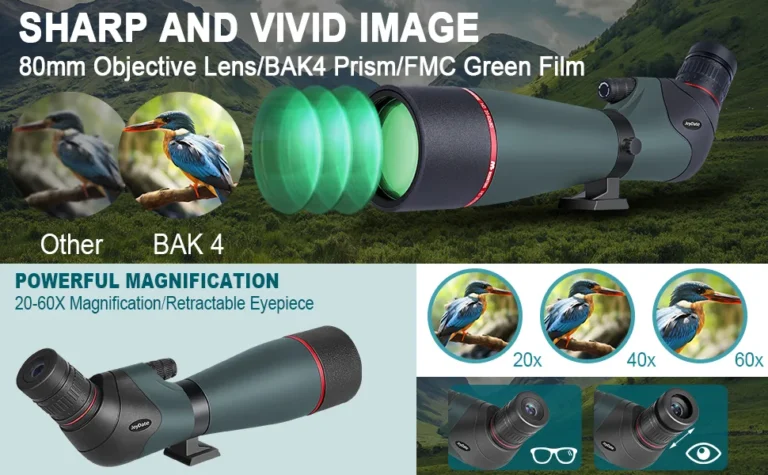
Why Does My Spotting Scope Fog Up?
Spotting scope fog can really put a damper on your outdoor adventures, whether you're trying to catch a glimpse of a rare bird or just enjoying the scenery. When condensation forms on or inside your lenses, that crystal-clear view you were expecting turns into a blurry mess. It’s a common frustration that usually has a straightforward explanation and fix.
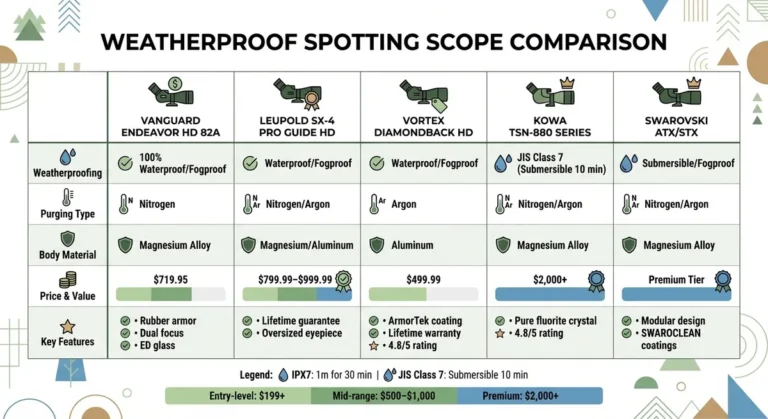
Our research indicates that fogging typically arises from simple temperature and humidity interactions, much like your car windows on a cold morning. Many higher-quality optics, like those meeting ISO 14132 standards for optical instrument quality, are nitrogen-purged to combat this, but even those can experience issues if not handled correctly. We'll break down exactly why this happens and what you can do about it.
Why Does My Spotting Scope Fog Up?
Spotting scopes fog up primarily due to condensation forming on their lenses. This happens when warm, moist air comes into contact with a cooler lens surface, causing water vapor to turn into liquid droplets. Whether the fog is on the outside, making the view hazy, or on the inside, indicating a seal issue, it's all about temperature and moisture exchange.
Outside Fogging: The Usual Suspects
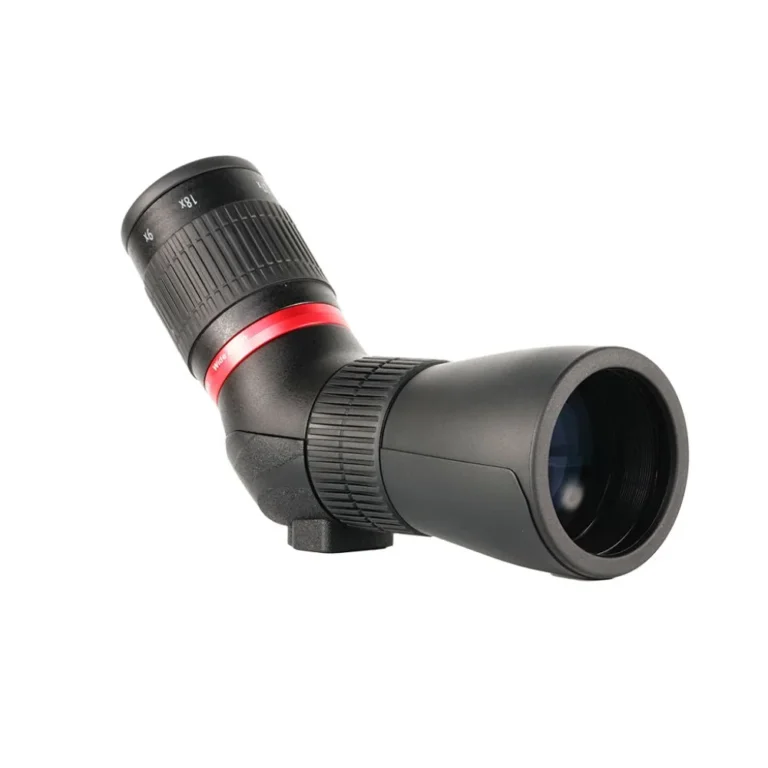
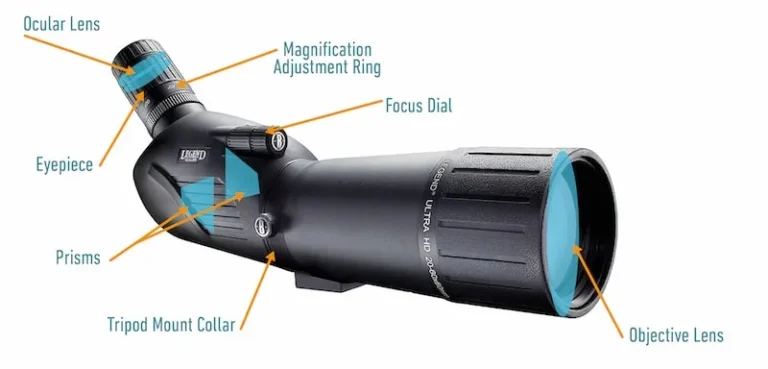
This is the most common type of fogging you'll encounter. It appears as a hazy or smeared layer on the outer surface of your objective lens (the big one) or your eyepiece. It feels and looks a lot like smudges but is actually tiny water droplets from the air.
When It Usually Happens
Several scenarios can trigger outside fogging, all related to rapid changes in temperature or high humidity:
- Transitioning from Indoors to Outdoors: If you bring a scope that's been stored in a warm house out into chilly air, the temperature difference is stark. The lenses will quickly cool down, and any moisture in the warmer outside air will condense on them.
- Damp, Humid Conditions: Misty mornings, foggy days, or just a generally muggy climate are prime conditions. The air is already saturated with moisture, making condensation more likely on any cooler surface, including your scope's lenses.
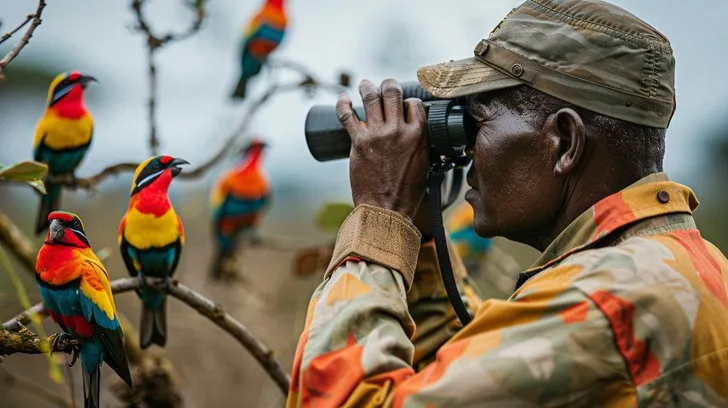
- Exertion and Breath: After a brisk walk or strenuous setup, your warm, moist breath can easily hit the eyepiece, causing immediate fogging right where you need to look.
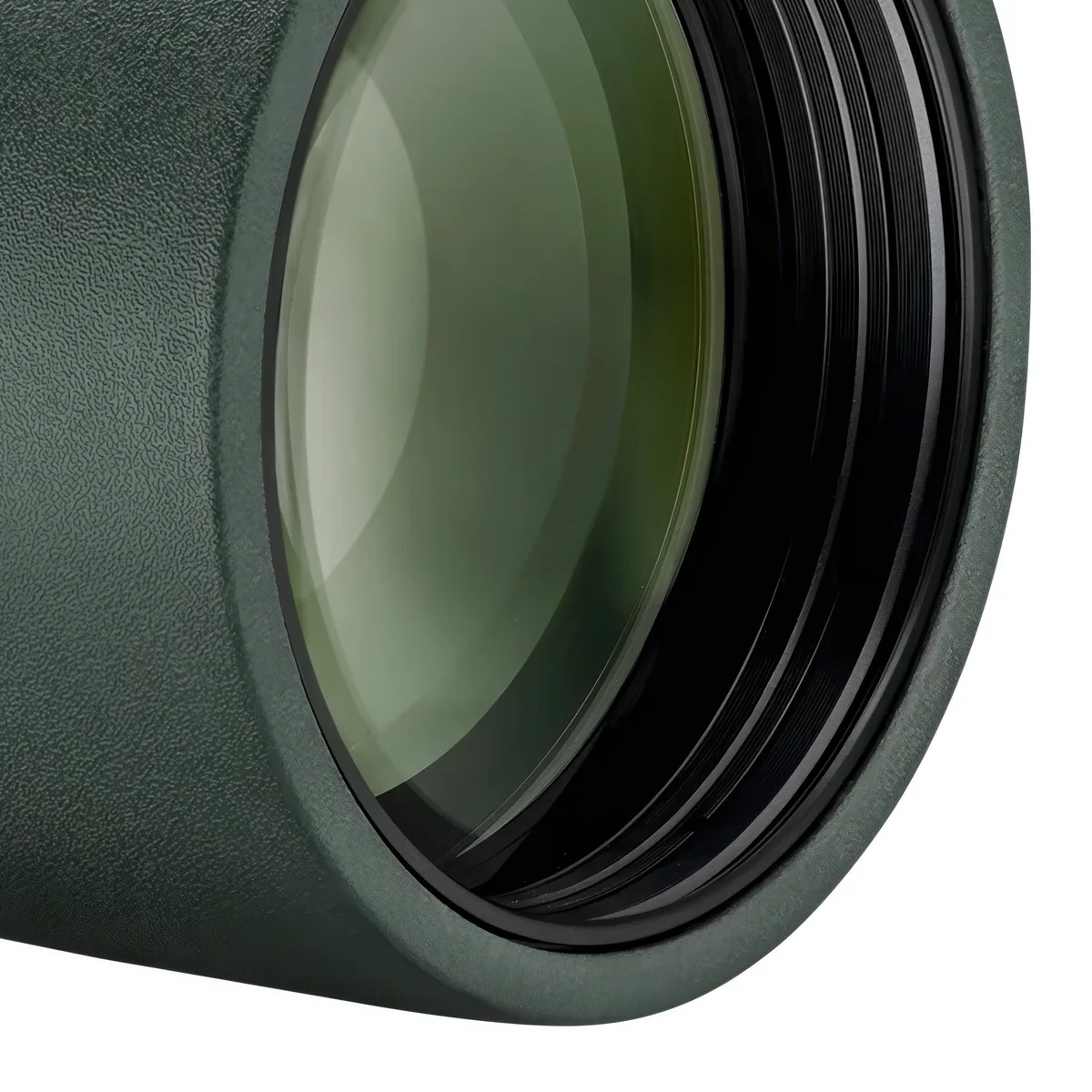
Image source: Web (Bing) / safarisa.net (Web image (fair-use with source credit))
Quick Fixes for Outside Fogging
Fortunately, outside fogging is usually easy to manage with a few simple steps:
- Acclimatize Your Scope: Before you head out, try to let your scope adjust to the outside temperature. Leaving it in an unheated car, garage, or on a porch for 20-30 minutes can make a big difference.
- Gentle Wiping: Use a clean, dry microfiber lens cloth specifically designed for optics. Gently wipe the lens in a circular motion. Avoid pressing hard, as you don't want to grind in any grit.
- Use a Scope Coat: A padded cover, often called a scope coat, acts as insulation. It helps buffer against rapid temperature changes and can shield the lenses from light moisture.
- Mind Your Breath: If you notice your breath is the culprit, try to keep your face a little further from the eyepiece when looking, especially in colder weather.
Image source: Bing (Web (fair-use with source credit))
Inside Fogging: A Little More Involved
If you spot condensation inside your spotting scope, it's a more significant issue than simple outside fogging. This usually means that moisture has found its way past the scope's seals.
What's Happening
This type of fogging indicates a breach in the scope's internal integrity. Here’s what’s likely going on:
- Not Nitrogen Purged (or Purge Failed): Many good-quality scopes are internally filled with dry nitrogen gas. This process, known as nitrogen purging, displaces any moisture and helps prevent internal fogging and lens element separation over time. If your scope wasn't purged, or if the nitrogen has leaked out over time, humid air can get inside.
- Compromised Seals: Over time, or after a drop or significant impact, the seals around the lenses, housing, or adjustment rings can degrade or crack. This allows ambient moisture to seep into the optical pathway.
How to Deal with Inside Fogging
Tackling internal fogging requires a bit more care since you're dealing with the scope's interior components.
- Check Manufacturer Guidance: If you own a premium scope, consult its manual or the manufacturer's website. They may have specific instructions for dealing with internal moisture. For example, some manufacturers like Celestron often provide detailed guides for their optics.
- Gentle Drying:
- Bring the scope indoors to a controlled, dry environment.
- Position the scope so the objective lens faces upward. Leave it in a warm, dry spot for at least 24-48 hours. Avoid direct sunlight or intense heat, which can damage coatings or internal parts.
- Another method is to place the scope in an airtight container with desiccant packs (those little silica gel packets). Ensure the packets aren't directly touching the scope, perhaps by placing them in a small breathable pouch. This helps draw out trapped moisture.
- Seek Professional Service: If the fogging persists after drying attempts, or if you suspect damaged seals, it's best to contact the manufacturer or a reputable optics repair specialist. They have the tools and expertise to properly reseal and re-purge your scope, often with dry nitrogen, restoring its optimal performance. Attempting to disassemble it yourself without proper knowledge can easily cause irreparable damage.
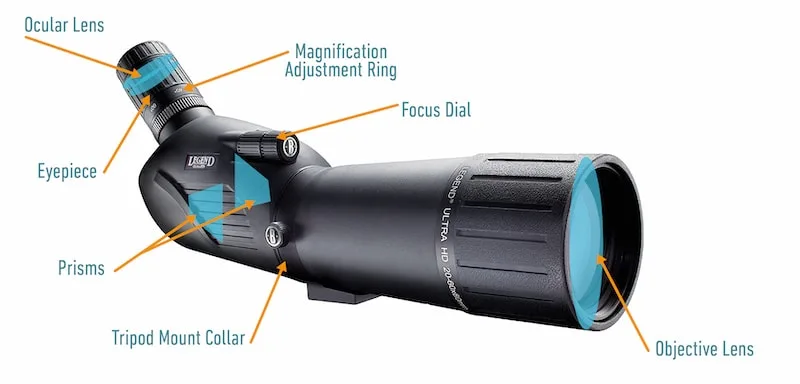
Image source: Web (Bing) / opticsmag.com (Web image (fair-use with source credit))
A Quick Troubleshooting Flow
When you notice fog on your spotting scope, the first and most crucial step is to identify where the fog is. This dictates the cause and the solution.
Is it OUTSIDE or INSIDE?
Think of this as your primary decision point. If you can see the condensation clearly on the glass surface, it’s outside fogging. If the haze seems to be within the scope itself, between lenses or on an inner surface, it’s inside fogging.
YES: Outside Fogging Actions
If your diagnosis is outside fogging, you’re usually looking at environmental factors like temperature and humidity. The good news is that these are typically quick fixes:
- Acclimatize: Let the scope sit outside for 20-30 minutes before use to match ambient temperature.
- Wipe Gently: Use a clean microfiber cloth.
- Use a Scope Coat: This insulation helps prevent rapid temperature shifts.
NO: Inside Fogging Actions
If you've determined the fog is internal, it points to a seal issue or a loss of nitrogen purge. Your action plan changes:
- Dry It Out: Place the scope in a warm, dry environment or use desiccants.
- Consult Manufacturer: Check their specific advice.
- Professional Repair: For persistent issues, this is often the best route.
Prevention is Key
The best strategy for dealing with fogging is to take steps that minimize its occurrence. Proactive care will save you frustration out in the field.
Store Properly
Always store your spotting scope in its case when not in use. This protects it from dust, impacts, and, importantly, environmental moisture. Keep it in a dry, temperature-controlled area of your home, away from basements, garages, or bathrooms where humidity can fluctuate.
Handle with Care
While you want to use your scope, try to avoid drastic temperature changes. If you're moving from a very cold environment to a warm, humid one, giving your scope time to adjust (acclimatize) will help prevent immediate outside fogging.
Invest in Quality
Higher-quality spotting scopes are often built with better sealing and are nitrogen-purged. While no optical instrument is entirely immune to fogging under extreme conditions, premium models tend to be more resilient to internal moisture intrusion. For instance, many professional-grade optics adhere to rigorous sealing standards to ensure water resistance up to certain depths, like IPX7 ratings, as specified by IEC 60529.
FAQs
How long does it take for fog to clear from the outside of my scope?
Usually, outside fog will dissipate within a few minutes once the temperature difference equalizes or the moisture source is removed. A gentle wipe with a microfiber cloth can speed this up considerably.
Can I use lens cleaner on my spotting scope?
Yes, but only use cleaners specifically designed for multi-coated camera or binocular lenses. Apply the cleaner to the cloth, not directly to the lens, and always use a clean microfiber cloth to avoid scratches. Aggressive cleaning can damage special coatings.
How often should a spotting scope be nitrogen purged?
Factory nitrogen purging is designed to last for the lifetime of the scope. However, if you suspect internal fogging, it indicates the seal may have failed, and a professional reseal and purge might be necessary, which is not typically a user-serviceable procedure.
What’s the difference between fogging and internal reflections?
Fogging is condensation that obscures the view with a milky or cloudy appearance. Internal reflections, on the other hand, manifest as ghost images, unwanted bright spots, or glare, often caused by light bouncing off internal lens surfaces or the edges of the optical elements.