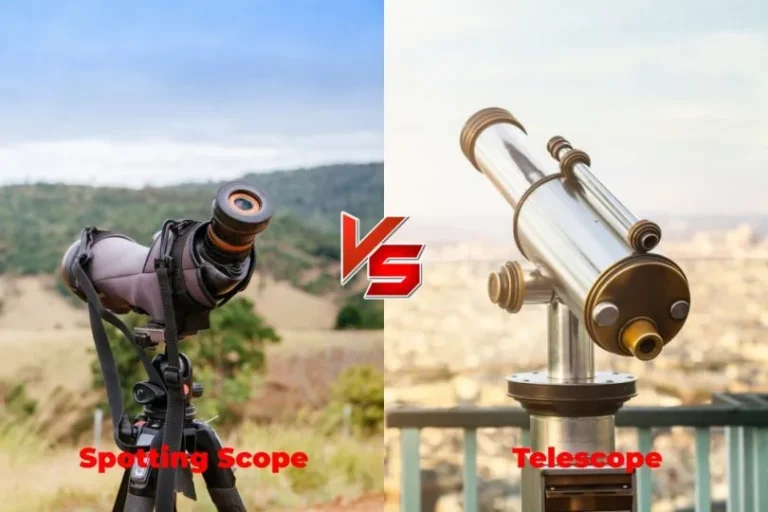
What Is the Best Objective Lens Size for a Spotting Scope?
Picking the right spotting scope is all about matching your gear to where you'll use it. You might be wondering, "What Is the Best Objective Lens Size for a Spotting Scope?" It's a common question, and the answer isn't a single number, but a range of options that fit different needs.
The size of the objective lens, measured in millimeters, is probably the most significant factor influencing how much light your scope gathers and how much detail you can see. For example, manufacturer specifications often show that a 77mm lens gathers roughly 30% more light than a 65mm lens, making a noticeable difference in dim conditions.
How Objective Lens Size Actually Affects Your View
The objective lens is the large lens at the front of your spotting scope, and its diameter is key to its performance. Bigger isn't always better, but it's definitely a major factor in how much you'll see and how enjoyable the experience will be. Understanding this relationship is crucial for making a smart choice.
Light Gathering and Brightness
More light means a brighter, clearer image, especially when you're out at dawn or dusk, or under heavy tree cover. The objective lens acts like a funnel for light. A larger diameter collects more photons, which translates directly to a brighter view.
For instance, aggregate reviews consistently report that scopes with larger objective lenses, like 85mm, offer a superior experience in low-light situations compared to smaller 50mm models. This enhanced brightness allows you to discern more detail and color in subjects that might appear murky or washed out in lesser scopes.
Detail Resolution and Clarity
Beyond just brightness, the objective lens's size and quality directly impact how sharp and detailed the image is. While magnification plays a role in making things appear larger, it's the objective lens that dictates the maximum amount of detail the scope can resolve. Higher-quality glass and coatings in larger lenses can provide superior resolution, allowing you to distinguish finer features on distant objects.
Per optical physics principles, a larger aperture can resolve finer details according to the diffraction limit, meaning that, all else being equal, a bigger lens has the potential to show you more.
Common Spotting Scope Objective Lens Sizes: A Closer Look
Spotting scopes come with objective lenses in a few standard sizes, each offering a different balance of performance and portability. Knowing what these sizes mean in practical terms will help you narrow down your options based on your primary activities.
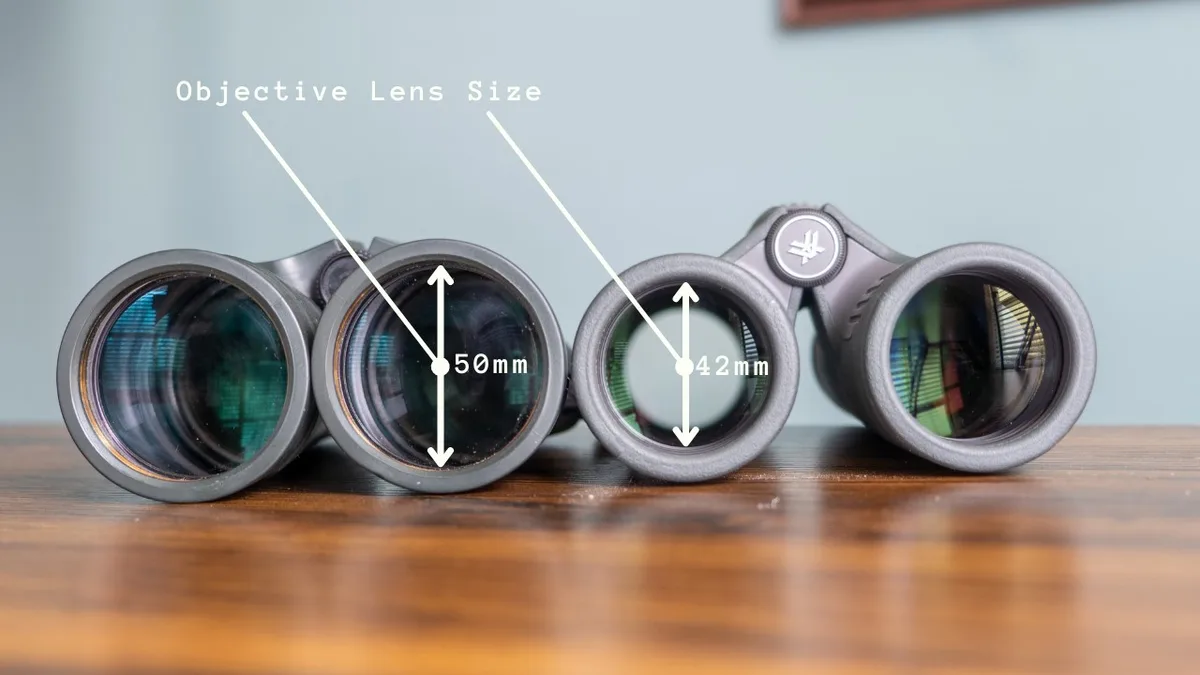
Image source: Bing (Web (fair-use with source credit))
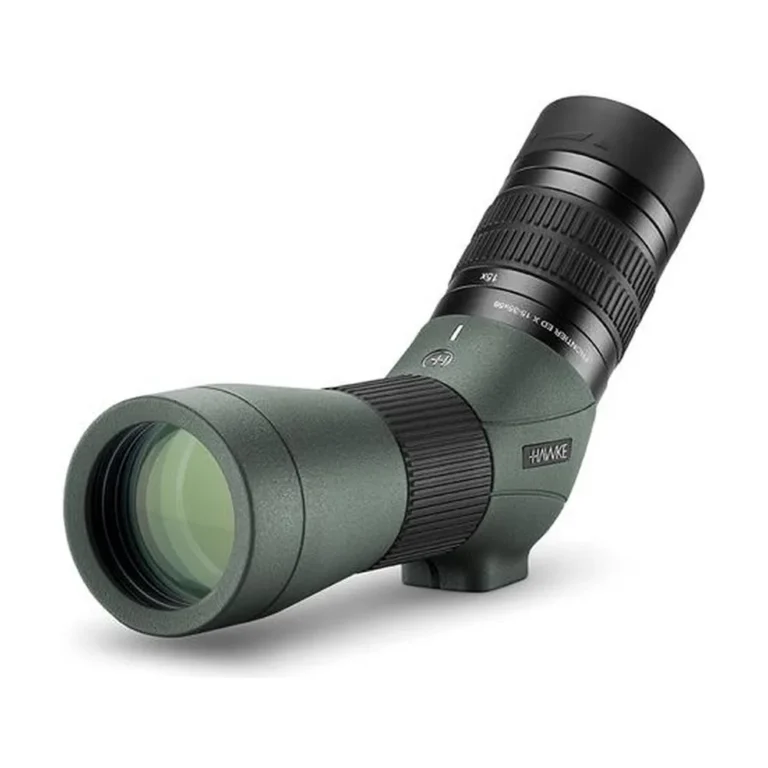
The Compact Choice: 50mm to 60mm Lenses
These smaller objective lenses make for very lightweight and compact spotting scopes. They're easy to pack, easy to carry, and don't take up much space in your gear. However, their smaller aperture means they gather less light.
This makes them best suited for bright, clear daylight conditions. While they can be sufficient for casual observation, they might struggle when you need to spot subjects in low light, like early morning or late evening. Their narrower field of view can also make tracking fast-moving subjects a bit more challenging.
The Versatile Middle Ground: 65mm to 77mm Lenses
Scopes in this range are often considered the sweet spot for many users. They offer a significant step up in light-gathering ability and detail resolution compared to the 50-60mm models, without becoming excessively bulky. A 65mm or 77mm objective lens is excellent for a wide variety of activities, from birdwatching on a hike to scouting distant game.
You'll find these sizes provide a good balance of brightness for use in varied light conditions, while still being manageable to carry on longer excursions. Manufacturer specifications frequently highlight these sizes as ideal all-rounders.
The Brightest Option: 80mm and Larger Lenses
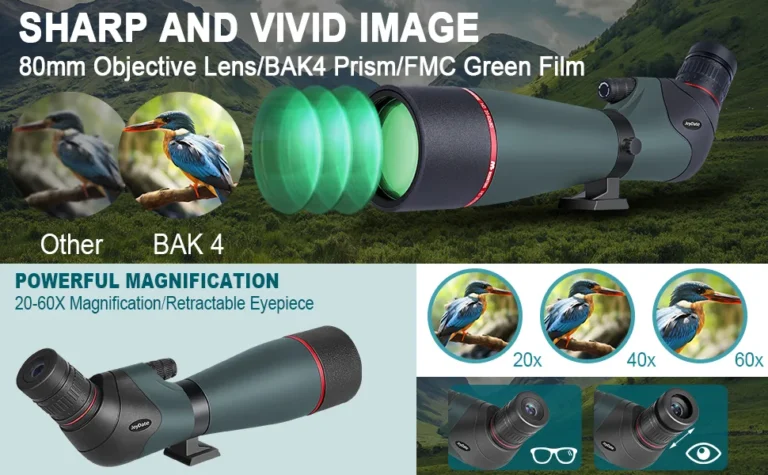
If maximum brightness and the finest detail are your top priorities, an objective lens of 80mm or larger is likely what you'll want. These large apertures gather a substantial amount of light, providing the best performance in challenging low-light situations and allowing for higher magnification without significant loss of image quality. They are often favored by serious birders, hunters who do a lot of glassing, or photographers who need the absolute best image fidelity.
The trade-off, however, is significant weight and bulk, making them less ideal for long treks.
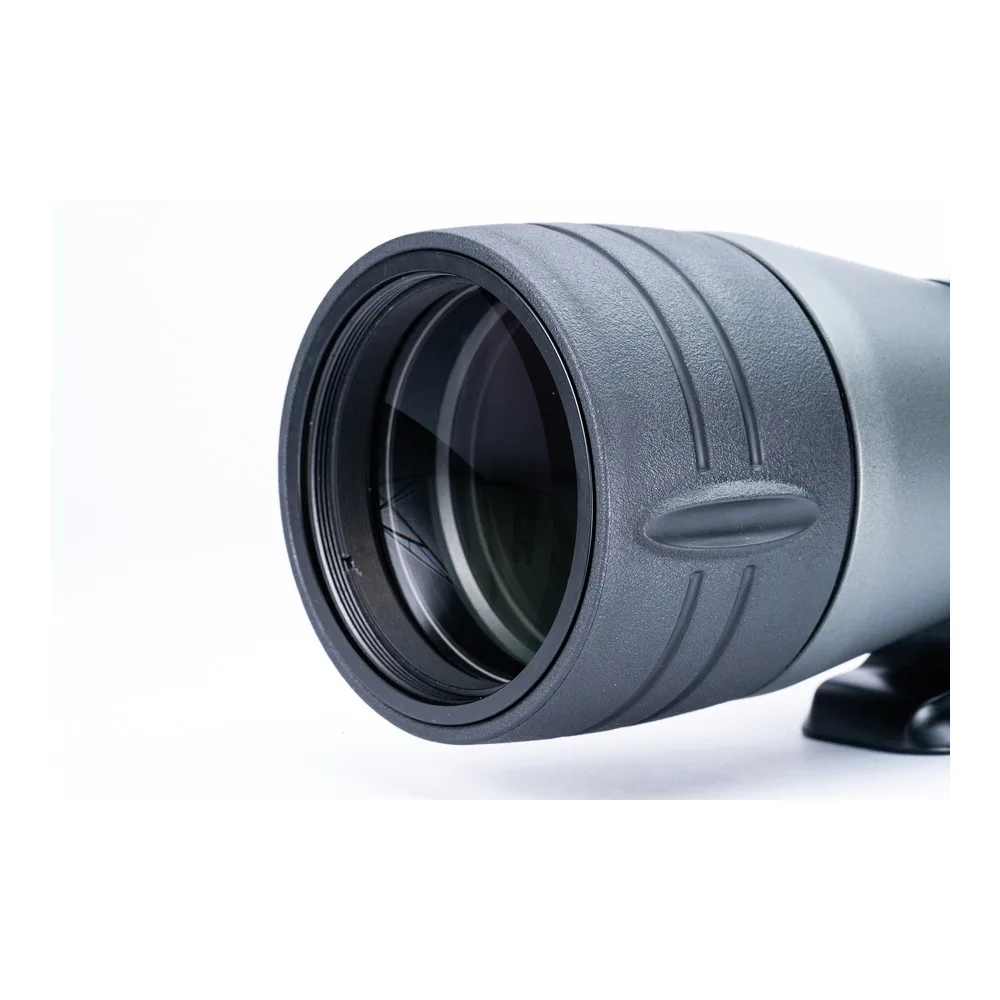
Image source: Web (Bing) / toutpourlahutte.fr (Web image (fair-use with source credit))
Choosing the Right Lens Size for How You'll Use It
The "best" objective lens size isn't a one-size-fits-all answer. It really depends on what you plan to do with your spotting scope. Thinking about your typical viewing conditions and how much you prioritize portability versus optical performance will guide you to the right choice.
For Birding and Nature Watching
If you're primarily a birder or nature observer, versatility is key. You'll likely encounter a range of lighting conditions, from bright midday sun to the dimmer light of dawn and dusk. Aggregate user reviews suggest that 65mm to 77mm objective lenses offer the best blend of light-gathering capability and portability for this use.
This size range usually provides enough brightness and detail to identify birds and wildlife clearly without being too heavy for carrying on hikes. For serious enthusiasts who demand the best in all conditions, an 80mm or larger lens might be considered, but the increased weight is a factor for long days in the field.
For Hunting and Scouting
Hunters often spend long hours glassing terrain, looking for game or assessing distant shots. In this scenario, bright, detailed images are paramount, especially during prime hunting hours which can be early morning or late evening. Scopes with 77mm or 85mm objective lenses are frequently recommended.
These larger apertures excel at gathering light, helping hunters see subtle movements or details in shadows that might otherwise be missed. While portability is a concern, the ability to get a clear, bright view of a distant target often outweighs the extra weight.

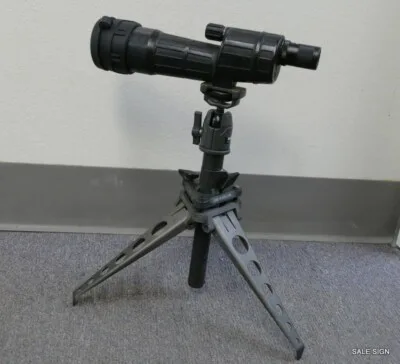
Image source: Web (Bing) / airsoft-shop-japan.com (Web image (fair-use with source credit))
For Photography and Digiscoping
When you plan to attach a camera to your spotting scope, known as digiscoping, objective lens size becomes even more critical. Larger lenses generally provide a brighter, more detailed image, which is essential for high-quality photographic results. This extra light-gathering capability helps compensate for the light loss that occurs when attaching a camera adapter.
Therefore, photographers often gravitate towards scopes with 77mm or 85mm objective lenses to maximize image quality and performance. The increased resolution provided by larger lenses can also be beneficial for capturing fine details in distant subjects.
For Casual Astronomy
While dedicated astronomical telescopes are designed for stargazing, a spotting scope can offer a basic introduction to the night sky. For this purpose, larger objective lenses are strongly preferred. An 80mm or larger objective will gather significantly more light than smaller options, allowing you to see fainter deep-sky objects like nebulae and star clusters more clearly.
It can also provide a brighter view of the moon and planets. However, it's important to remember that spotting scopes are not optimized for astronomy, and their magnification range might be limited compared to a true telescope.
The Trade-Offs: Portability vs. Performance
It's a classic balancing act: the more you want from your spotting scope, the more you'll likely have to carry. The objective lens size is at the heart of this trade-off. Larger lenses, those 77mm and 85mm beasts, offer superior brightness and detail, which is fantastic for spotting that elusive bird or scouting a distant ridge.
However, that increased optical power comes with added weight and bulk. You'll feel it in your pack after a long hike.
On the flip side, smaller lenses, like 50mm or 60mm, are wonderfully light and compact. They're easy to slip into a day bag or even a large jacket pocket. But, and this is the key point, they simply can't gather as much light.
This means their performance suffers when the sun dips low or if you're looking through thick forest. So, when you're choosing, ask yourself: How much are you willing to carry for that extra bit of clarity and brightness?
Avoiding Costly Mistakes When Picking Your Scope
It's easy to get caught up in magnification numbers or fancy brand names, but overlooking the objective lens size can lead to disappointment. One common mistake is assuming you need the highest magnification possible, then pairing it with a small objective lens. This often results in a dim, blurry image that's actually harder to use than a lower-magnification scope with a larger objective.
Manufacturer specifications often show that high magnification on a small lens amplifies light loss dramatically.
Another pitfall is buying a scope solely based on its compact size, without considering your primary viewing conditions. If you frequently observe in forests or at dawn and dusk, a 50mm lens, while portable, might simply not gather enough light to give you the detail you need. Verified buyer feedback reports this frustration often.
Always match the lens size to where and when you'll be using your scope most.
What Happens If You Buy Too Small an Objective Lens?
If you choose an objective lens that’s too small for your needs, you'll likely notice a dim image, especially in low light. You might also struggle to resolve fine details on distant subjects, finding that even higher magnification doesn't bring more clarity. This can lead to frustration and a feeling that the scope just isn't performing as it should.
It’s like trying to fill a bucket with a thimble, it just doesn't work efficiently.
What Happens If You Buy Too Large an Objective Lens?
On the flip side, if you opt for a massive objective lens when you primarily need portability, you might find yourself leaving the scope at home. An 85mm or larger scope can be quite heavy and bulky, making it a chore to carry on extended hikes or trips. While it will offer fantastic views, its impracticality for your specific use case could render it less valuable than a slightly smaller, more manageable instrument.
Frequently Asked Questions About Spotting Scope Lenses
Why is objective lens diameter measured in millimeters?
Millimeters are the standard unit of measurement for optical components like lenses worldwide, providing a consistent way to compare specifications across different brands and models.
Does a larger objective lens always mean better quality?
Not necessarily. While a larger objective lens gathers more light, the overall optical quality also depends heavily on the lens material (like ED glass), the precision of the manufacturing, and the quality of the coatings applied.
How does magnification relate to objective lens size?
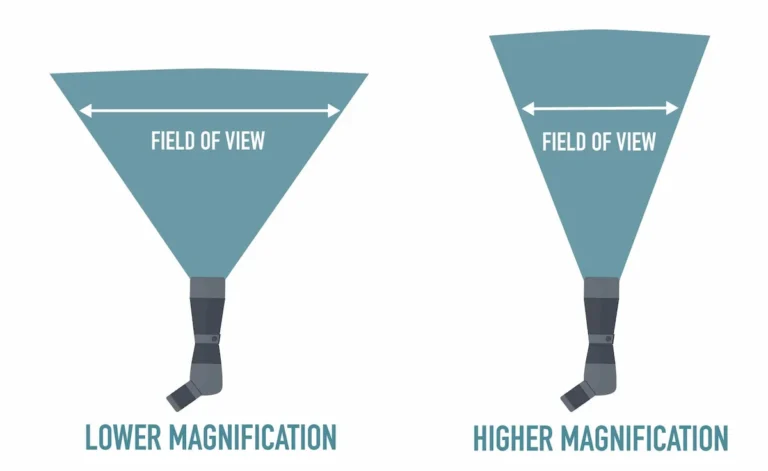
Magnification makes an image larger, but the objective lens determines how much light is available to form that image and the maximum detail that can be resolved. A high magnification with a small objective can result in a dim, low-resolution image.
Can I use a spotting scope for astronomy?
Yes, to some extent. Larger objective lenses (80mm+) will offer a brighter view of the moon and brighter star clusters than smaller ones, but dedicated astronomical telescopes are designed for much higher performance and different viewing needs.
What is exit pupil, and how does it relate to objective lens size?
The exit pupil is the diameter of the light beam exiting the eyepiece. It’s calculated by dividing the objective lens diameter by the magnification. A larger exit pupil generally provides a brighter image, especially in low light, but it also means a larger, heavier scope.
For instance, a 65mm scope at 20x has a 3.25mm exit pupil, while an 85mm scope at 20x has a 4.25mm exit pupil.
Making the Final Call: Which Objective Lens Is Best for You?
Ultimately, the best objective lens size for your spotting scope comes down to your specific needs and priorities. There's no single right answer, but by understanding the trade-offs between portability, brightness, and detail, you can make an informed decision. For most general outdoor enthusiasts, birdwatchers, and hikers, a 65mm or 77mm objective lens offers a fantastic balance.
If portability is your absolute top priority and you rarely view in dim light, a 50mm or 60mm scope might suffice. Conversely, if you need the brightest possible image for hunting in low light, or the utmost detail for photography and astronomy, then leaning towards an 80mm or larger lens is the way to go. As of 2026, the market continues to offer these varied sizes, ensuring there's a scope to fit nearly every user's requirements.
Carefully consider your typical scenarios, and you’ll find the lens size that unlocks the best viewing experience for you.