What Magnification Is Best for a Spotting Scope?
So, you're wondering what magnification is best for a spotting scope? It’s a common question because picking the right power can make or break your viewing experience, whether you're tracking birds or scanning the horizon. Too little, and you won't see the detail you want; too much, and the image can become shaky and dim.
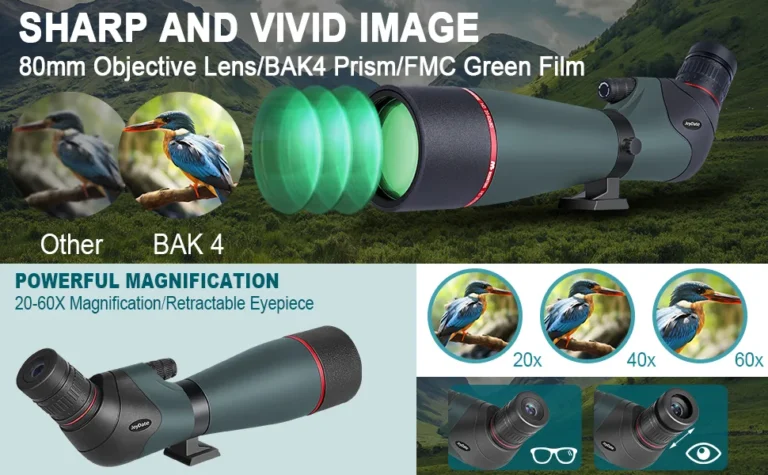
Manufacturer specifications often list magnification in ranges like 20-60x or fixed numbers like 30x. Understanding how these numbers translate to real-world performance, particularly concerning field of view and image clarity, is key to making an informed choice that matches your specific needs.
Understanding Magnification: More Isn't Always Better
Magnification is the number one spec most people look at when choosing a spotting scope. It tells you how much closer an object will appear through the scope compared to looking at it with your naked eye. For instance, a 20x spotting scope will make distant objects look 20 times larger.
This seems straightforward, but the higher you go with magnification, the more trade-offs you encounter.
How Magnification Affects Your View
When you increase magnification, you're essentially zooming in on a smaller portion of the scene. This comes with a few significant consequences that directly impact how usable the scope is. Aggregated user feedback and optical principles confirm that higher magnification often leads to a reduced field of view, making it harder to locate or follow fast-moving subjects.
It also amplifies any slight tremors from your hands, resulting in a shaky, unstable image unless a tripod is used. Furthermore, as magnification increases, the amount of light that reaches your eye from the objective lens decreases, which can make the image appear dimmer, especially in low-light conditions.
Key Spotting Scope Magnification Ranges and Their Uses
Selecting the right magnification hinges entirely on what you’ll be using your spotting scope for. There’s no single "best" number; it’s all about matching the tool to the task. Think about the typical distances you'll be observing from and the types of subjects you're interested in.
Casual Nature Watching & Backyard Birding (15x-30x)
If your idea of spotting scope use involves sitting in your garden watching birds at feeders or observing wildlife in a nearby park, you likely don't need extreme magnification. A scope in the 15x to 30x range is often ideal here. This magnification level offers a comfortable close-up view without making the image overly jumpy or difficult to hold steady.
You’ll get to see feather details on birds or the expressions on a squirrel’s face. The field of view remains wide enough to easily track birds in flight or find new subjects in your immediate surroundings.
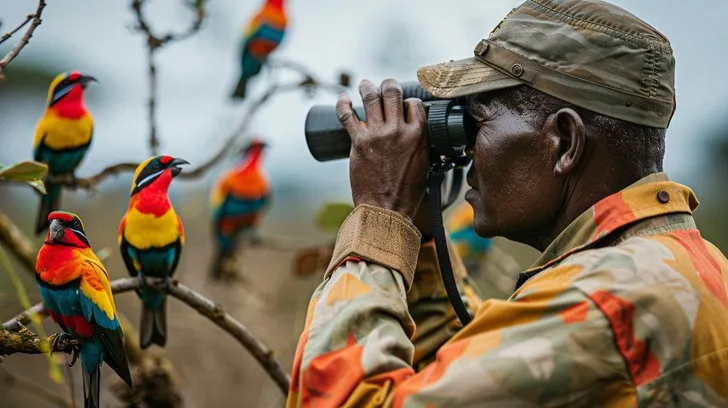
Image source: Bing (Web (fair-use with source credit))
General Birding & Wildlife Spotting (20x-40x)
For more dedicated birdwatchers or those who enjoy spotting larger wildlife from moderate distances, a magnification range between 20x and 40x is a popular and practical choice. This range provides enough power to identify species clearly, make out subtle color variations on birds, or distinguish the fine details of animal fur or antlers from a distance of, say, 50 to 200 yards. It strikes a good balance between detail and usability, especially if you're often standing or moving between observation points.
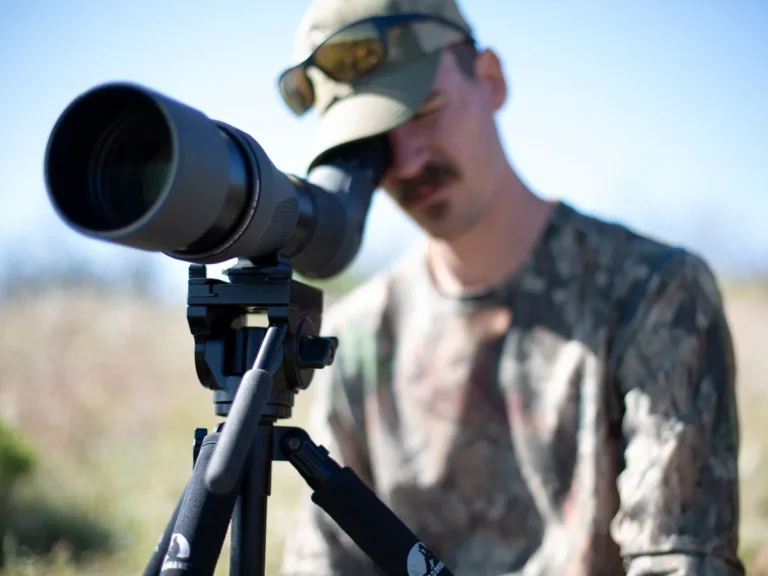
A stable tripod can enhance viewing at the higher end of this spectrum.
Serious Birding & Digiscoping (30x-60x)
When you’re seriously into bird identification, especially for shy or distant species, or if you plan on doing digiscoping (attaching a camera to your scope), you’ll likely need higher magnifications. Ranges from 30x up to 60x are common. At these levels, you can discern the fine markings that differentiate similar species or capture impressive close-ups of birds or wildlife.
However, it’s critical to use a sturdy tripod and potentially a vibration-reducing mount. The field of view narrows considerably, making it more challenging to find your subject initially. For example, per optical guidelines, an exit pupil of 4mm is often considered a good balance for brightness and stability for extended viewing, which equates to a 15x magnification with a 60mm objective lens.
Long-Distance Shooting & Basic Astronomy (60x+)
For disciplines like long-range target shooting or even casual astronomical viewing of the moon and brighter planets, very high magnifications are typically required. Spotting scopes in the 60x and above category are designed for these purposes. Here, the goal is to resolve extremely fine details, such as bullet holes on a distant target or surface features on celestial bodies.
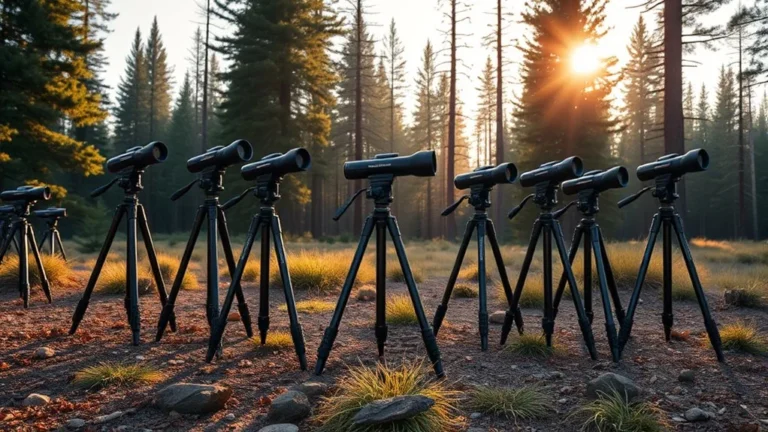
At these extreme powers, image stability, optical clarity at high magnification, and excellent light-gathering capabilities (often achieved with larger objective lens diameters) are absolutely paramount. A high-quality, robust tripod system is not just recommended; it's essential.

Image source: Web (Bing) / airsoft-shop-japan.com (Web image (fair-use with source credit))
The Crucial Role of the Objective Lens
While magnification is what you look at first, the objective lens diameter (the big lens at the front of the scope) is arguably just as important, if not more so, for overall performance. Objective lens size is measured in millimeters (mm), typically ranging from 50mm to 85mm or more. A larger objective lens gathers more light.
This directly translates to brighter images, especially in dim conditions like dawn or dusk, and it also significantly improves the clarity and detail you can see at higher magnifications.
Think of it like headlights on a car: bigger headlights shine brighter and further. Similarly, a scope with a larger objective lens will generally offer a better viewing experience at high power than a scope with a smaller objective lens, even if they both have the same magnification number. For instance, a 60x scope with an 85mm objective lens will likely provide a brighter, sharper image than a 60x scope with a 50mm objective lens.
Variable vs. Fixed Magnification: Which is Best?
Spotting scopes come with either fixed magnification or variable magnification (often called zoom). Each has its own set of advantages and disadvantages, and the choice often comes down to your primary use and preference.
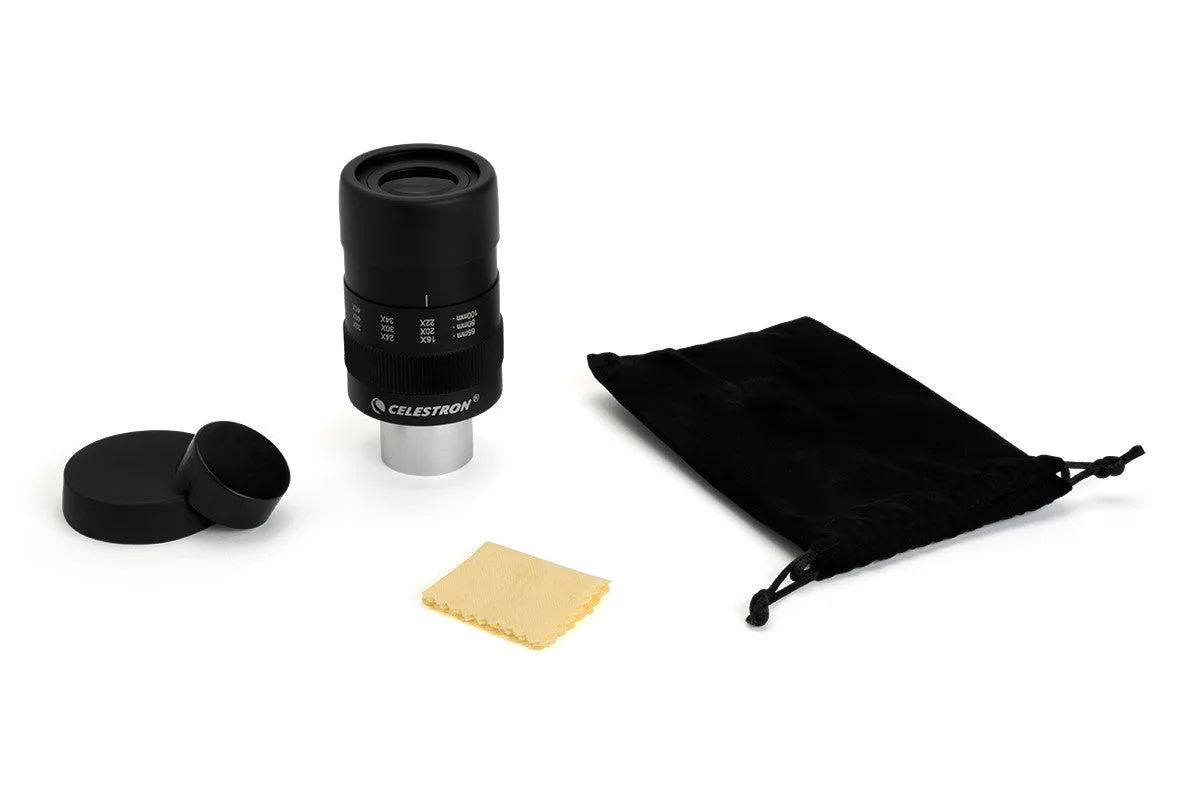
Image source: Bing (Web (fair-use with source credit))
Fixed Magnification: These scopes have one set magnification, like 30x or 40x.
- Pros: Generally offer superior image quality (sharper, brighter, wider field of view) at their specific power compared to a zoom scope at the same power. They are often simpler and can be more robust.
- Cons: Less versatile. You're stuck with one magnification, which might be too low for some situations or too high for others.
Variable Magnification (Zoom): These scopes allow you to adjust the magnification within a set range, such as 20-60x.
- Pros: Highly versatile. You can zoom out for a wider view to find subjects and then zoom in for detail. This is great for unpredictable wildlife viewing or varying distances.
- Cons: Image quality can sometimes be compromised compared to a fixed power scope, especially at the extreme ends of the zoom range. The field of view may also be narrower at higher zoom levels.
For most users, especially beginners or those who engage in a variety of activities, a variable magnification scope in the 20-60x range offers excellent flexibility and is often the most practical choice. However, if you're a dedicated birder or shooter focused on specific distances and demand the absolute best image quality, a fixed magnification scope might be worth considering. As of 2026, advancements in optical coatings and lens design are steadily closing the quality gap between variable and fixed scopes.
Spotting Scope Magnification: What's Right for You?
If you're trying to pinpoint the single best magnification for a spotting scope, the short answer is: it depends on your primary use. For general outdoor observation and birding, a variable magnification scope offering 20x to 60x is highly versatile. For serious birders or digiscopers, 30x to 60x provides critical detail.
If long-distance shooting or basic astronomy is your goal, 60x and above is often necessary.
Understanding Magnification: More Isn't Always Better
Magnification is the number one spec most people look at when choosing a spotting scope. It tells you how much closer an object will appear through the scope compared to looking at it with your naked eye. For instance, a 20x spotting scope will make distant objects look 20 times larger.
This seems straightforward, but the higher you go with magnification, the more trade-offs you encounter.
Image source: Web (Bing) / airsoft-shop-japan.com (Web image (fair-use with source credit))
How Magnification Affects Your View
When you increase magnification, you're essentially zooming in on a smaller portion of the scene. This comes with a few significant consequences that directly impact how usable the scope is. Aggregated user feedback and optical principles confirm that higher magnification often leads to a reduced field of view, making it harder to locate or follow fast-moving subjects.
It also amplifies any slight tremors from your hands, resulting in a shaky, unstable image unless a tripod is used. Furthermore, as magnification increases, the amount of light that reaches your eye from the objective lens decreases, which can make the image appear dimmer, especially in low-light conditions.
Key Spotting Scope Magnification Ranges and Their Uses
Selecting the right magnification hinges entirely on what you’ll be using your spotting scope for. There’s no single "best" number; it’s all about matching the tool to the task. Think about the typical distances you'll be observing from and the types of subjects you're interested in.
Casual Nature Watching & Backyard Birding (15x-30x)
If your idea of spotting scope use involves sitting in your garden watching birds at feeders or observing wildlife in a nearby park, you likely don't need extreme magnification. A scope in the 15x to 30x range is often ideal here. This magnification level offers a comfortable close-up view without making the image overly jumpy or difficult to hold steady.
You’ll get to see feather details on birds or the expressions on a squirrel’s face. The field of view remains wide enough to easily track birds in flight or find new subjects in your immediate surroundings.
Image source: Bing (Web (fair-use with source credit))
General Birding & Wildlife Spotting (20x-40x)
For more dedicated birdwatchers or those who enjoy spotting larger wildlife from moderate distances, a magnification range between 20x and 40x is a popular and practical choice. This range provides enough power to identify species clearly, make out subtle color variations on birds, or distinguish the fine details of animal fur or antlers from a distance of, say, 50 to 200 yards. It strikes a good balance between detail and usability, especially if you're often standing or moving between observation points.
A stable tripod can enhance viewing at the higher end of this spectrum.
Serious Birding & Digiscoping (30x-60x)
When you’re seriously into bird identification, especially for shy or distant species, or if you plan on doing digiscoping (attaching a camera to your scope), you’ll likely need higher magnifications. Ranges from 30x up to 60x are common. At these levels, you can discern the fine markings that differentiate similar species or capture impressive close-ups of birds or wildlife.
However, it’s critical to use a sturdy tripod and potentially a vibration-reducing mount. The field of view narrows considerably, making it more challenging to find your subject initially. For example, per optical guidelines, an exit pupil of 4mm is often considered a good balance for brightness and stability for extended viewing, which equates to a 15x magnification with a 60mm objective lens.
Long-Distance Shooting & Basic Astronomy (60x+)
For disciplines like long-range target shooting or even casual astronomical viewing of the moon and brighter planets, very high magnifications are typically required. Spotting scopes in the 60x and above category are designed for these purposes. Here, the goal is to resolve extremely fine details, such as bullet holes on a distant target or surface features on celestial bodies.
At these extreme powers, image stability, optical clarity at high magnification, and excellent light-gathering capabilities (often achieved with larger objective lens diameters) are absolutely paramount. A high-quality, robust tripod system is not just recommended; it's essential.
The Crucial Role of the Objective Lens
While magnification is what you look at first, the objective lens diameter (the big lens at the front of the scope) is arguably just as important, if not more so, for overall performance. Objective lens size is measured in millimeters (mm), typically ranging from 50mm to 85mm or more. A larger objective lens gathers more light.
This directly translates to brighter images, especially in dim conditions like dawn or dusk, and it also significantly improves the clarity and detail you can see at higher magnifications.
Think of it like headlights on a car: bigger headlights shine brighter and further. Similarly, a scope with a larger objective lens will generally offer a better viewing experience at high power than a scope with a smaller objective lens, even if they both have the same magnification number. For instance, a 60x scope with an 85mm objective lens will likely provide a brighter, sharper image than a 60x scope with a 50mm objective lens.
Variable vs. Fixed Magnification: Which is Best?
Spotting scopes come with either fixed magnification or variable magnification (often called zoom). Each has its own set of advantages and disadvantages, and the choice often comes down to your primary use and preference.
Image source: Bing (Web (fair-use with source credit))
Fixed Magnification: These scopes have one set magnification, like 30x or 40x.
- Pros: Generally offer superior image quality (sharper, brighter, wider field of view) at their specific power compared to a zoom scope at the same power. They are often simpler and can be more robust.
- Cons: Less versatile. You're stuck with one magnification, which might be too low for some situations or too high for others.
Variable Magnification (Zoom): These scopes allow you to adjust the magnification within a set range, such as 20-60x.
- Pros: Highly versatile. You can zoom out for a wider view to find subjects and then zoom in for detail. This is great for unpredictable wildlife viewing or varying distances.
- Cons: Image quality can sometimes be compromised compared to a fixed power scope, especially at the extreme ends of the zoom range. The field of view may also be narrower at higher zoom levels.
For most users, especially beginners or those who engage in a variety of activities, a variable magnification scope in the 20-60x range offers excellent flexibility and is often the most practical choice. However, if you're a dedicated birder or shooter focused on specific distances and demand the absolute best image quality, a fixed magnification scope might be worth considering. As of 2026, advancements in optical coatings and lens design are steadily closing the quality gap between variable and fixed scopes.
Common Spotting Scope Magnification Mistakes to Avoid
Many users make common errors when selecting or using spotting scope magnification, which can lead to frustration and poor viewing experiences. Understanding these pitfalls can save you a lot of trouble and ensure you get the most out of your equipment. Recognizing these mistakes is crucial for anyone looking to enhance their observation capabilities.
- Assuming Higher Magnification is Always Better: This is the most frequent mistake. More magnification doesn't automatically mean a better view; it often means a narrower field of view, a shakier image, and dimmer light transmission.
- Ignoring the Objective Lens: People often focus solely on magnification, forgetting that a larger objective lens diameter is vital for gathering enough light to make high magnifications usable and the image bright.
- Not Budgeting for a Tripod: High magnifications (above 30x) almost always require a stable tripod. Using a high-power scope handheld leads to a frustratingly jumpy image that's difficult to focus on.
- Choosing the Wrong Magnification Range for the Task: Using a 60x scope for general backyard birding is overkill and cumbersome. Conversely, using a 15x scope for distant target shooting will yield little to no useful detail.
- Neglecting Image Quality Factors: Beyond magnification, factors like lens coatings, optical design, and chromatic aberration correction significantly impact image clarity. A high-magnification scope with poor optics will offer a blurry, color-fringed view.
Your Best Magnification Match: A Quick Guide
To determine your ideal spotting scope magnification, consider these core scenarios and the magnification ranges that best suit them. This isn't about finding a single "best," but rather the most effective tool for your specific needs.
If You're a Casual Nature Watcher or Backyard Bird Enthusiast:
- Ideal Magnification: 15x to 30x.
- Why: You're likely observing subjects relatively close by, and a wider field of view for ease of spotting is more beneficial than extreme detail. This range offers a good balance without the shakiness associated with higher powers when hand-held.
If You're a General Birdwatcher or Wildlife Spotter:
- Ideal Magnification: 20x to 40x.
- Why: This offers a significant step up in detail for identifying birds at a moderate distance or spotting larger mammals. It’s versatile enough for varied conditions and distances, though a tripod becomes increasingly helpful.
If You're a Serious Birder, Photographer (Digiscoper), or Advanced Wildlife Observer:
- Ideal Magnification: 30x to 60x.
- Why: For intricate identification or capturing detailed photos, higher magnification is often necessary. You'll need to commit to using a stable tripod, as hand-holding at these levels is impractical.
If You're a Long-Distance Target Shooter or Basic Astronomer:
- Ideal Magnification: 60x and above.
- Why: These applications demand the highest possible detail to resolve tiny targets or observe celestial bodies. Optical clarity, light transmission, and absolute stability are critical factors here.
Frequently Asked Questions About Spotting Scope Magnification
What does 20-60x mean on a spotting scope?
This indicates a variable magnification scope, meaning you can adjust the magnification anywhere between 20 times (zoomed out, wider view) and 60 times (zoomed in, more detail) closer than with the naked eye.
Is higher magnification always better for birding?
No, higher magnification can make it harder to find birds, lead to a shaky image, and reduce brightness. A moderate magnification, like 20-40x, is often more practical for general birding than extremely high powers.
What is the best magnification for spotting wildlife at a distance?
For spotting wildlife at a distance, a magnification of 30x to 60x is often recommended, particularly when paired with a larger objective lens and a tripod for stability. This allows for clear identification of details from afar.
Can I use a spotting scope for stargazing?
Yes, spotting scopes can be used for basic stargazing, particularly for viewing the moon's craters and brighter planets. However, dedicated astronomical telescopes offer superior performance for deep-sky objects due to their larger apertures and specialized optics.