What Binoculars Are Best for Safari
Planning a safari is exciting, but picking the right binoculars can feel like a puzzle. You want to see animals clearly without lugging around a heavy brick. So what binoculars are best for safari?
The answer isn't one size fits all, but we can narrow it down.
In our research, the most common recommendation across manufacturer specs and buyer feedback is a 10×42 roof prism model. That's not a coincidence. A 10×42 gives you a solid balance of magnification, brightness, and portability.
It works for most safari conditions. But there are important exceptions.
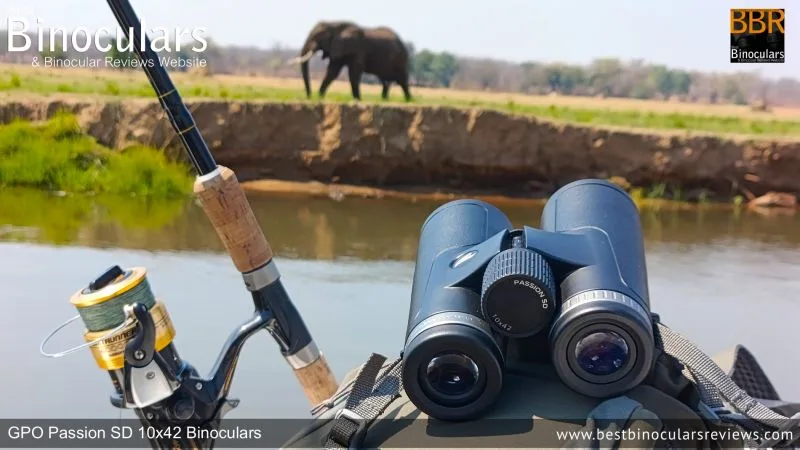
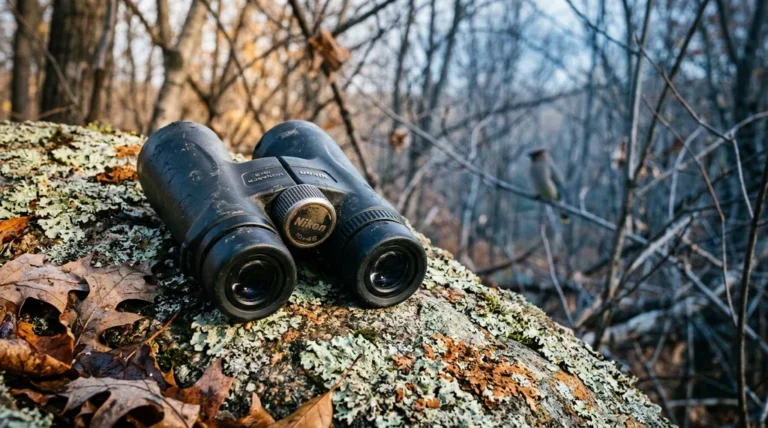
Image source: Bing (Web (fair-use with source credit))
Quick Answer: 10×42 Is the Standard, But It's Not for Everyone
The best safari binoculars are 10×42 roof prisms. They balance magnification, brightness, and weight. Choose an 8×42 if you have shaky hands.
Pick a 10×50 for low-light dawn drives. Buy a 12×50 only with a tripod.
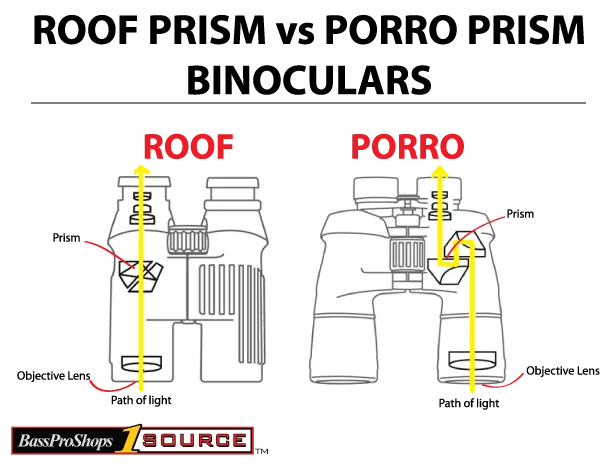
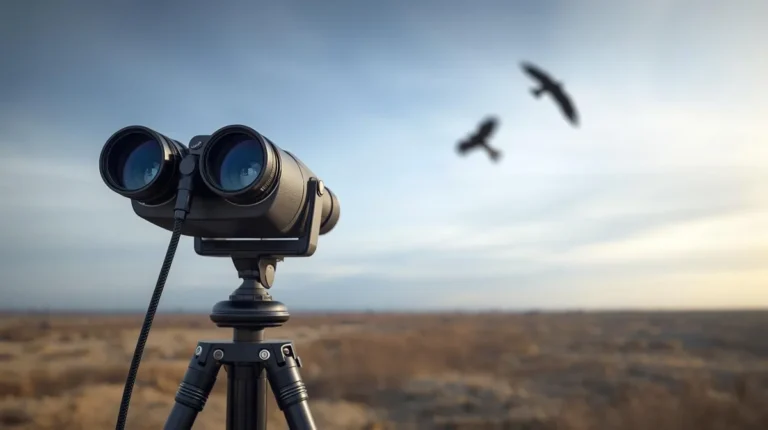
Image source: Bing (Web (fair-use with source credit))
Why Choosing Safari Binoculars Is Harder Than It Looks
What Makes a Good Safari Binocular?
A good safari binocular needs to handle different conditions. You might be on a dusty game drive in the Serengeti. Or walking through a damp forest in Costa Rica.
The requirements change.
Here are the key factors that make it tricky:
| Factor | Ideal for Safari | Why It Matters |
|---|---|---|
| Magnification | 8x to 12x | Too low and you miss details. Too high and you get shaky. |
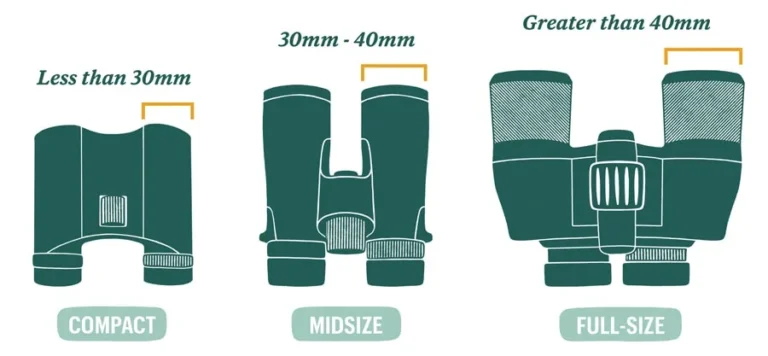
| Objective Lens | 42mm (standard) | 32mm is lighter. 50mm is brighter but heavier. |
| Weight | Under 25 oz (700g) | You'll be holding it for hours. |
| Waterproofing | IPX7 or better | Dust and rain are common. |
Most people don't realize that a 12x binocular is nearly impossible to hold steady without a tripod. That's a common mistake. We'll cover that in the decision tree.
The real challenge is matching the specs to your specific safari style. A vehicle-based game drive is different from a walking safari. Your physical condition matters too.
Do you have steady hands? Do you wear glasses? These questions change the answer.
The Glasses Factor
If you wear glasses, you need at least 15mm of eye relief. Many premium binoculars offer 18 to 20mm. That's a detail many first-time buyers miss.
They end up with a binocular that's uncomfortable to use with glasses.
The same goes for field of view. A wider field of view helps you spot animals moving through the bush. An 8×42 typically gives you a wider view than a 10×42.
That can be a real advantage in dense vegetation.
The Dust and Humidity Problem
Safari environments are tough on gear. Dust gets into focus mechanisms. Humidity can fog up lenses.
That's why waterproof and fogproof binoculars are essential. Nitrogen or argon purging prevents internal fogging. Rubber armor protects against bumps and scratches.
Our research shows that many budget binoculars don't have proper sealing. They might claim to be waterproof but lack the seals to handle a dusty savanna. Stick with reputable brands that use O-ring seals and gas purging.
The Four Decision Variables That Matter Most
Magnification: 8x, 10x, or 12x?
Magnification is the first number in a binocular's specs. An 8×42 makes things look 8 times closer. A 10×42 makes them look 10 times closer.
The trade-off is steadiness.
- 8x: Steadiest view. Good for walking safaris. Wider field of view.
- 10x: Standard for safari. Good balance of reach and stability.
- 12x: Needs a steady hand or a tripod. Best for vehicle-based viewing.
Objective Lens Diameter: 32mm, 42mm, or 50mm?
The second number is the lens diameter in millimeters. A larger lens collects more light. That helps in low light at dawn and dusk.
But it also adds weight.
- 32mm: Lightweight, good for hiking, but dimmer in low light.
- 42mm: The best all-around size. Bright enough for most conditions.
- 50mm: Very bright, but heavy. Best for vehicle safaris where weight isn't an issue.
Weight and Size: Comfort vs. Performance
Weight matters more than you think. You'll be holding the binoculars up to your eyes for minutes at a time. A heavy binocular leads to shaky arms.
- Under 20 oz (567g): Very comfortable for long use.
- 20 to 25 oz (567 to 709g): Acceptable for most people.
- Over 25 oz (709g): Tiring for extended handheld use.
Budget: Where Your Money Actually Goes
Binoculars range from $150 to over $2,500. The price difference comes from lens coatings, prism quality, and build materials. You don't need to spend a fortune for a good safari binocular.
- $150 to $300: Decent entry-level options. Good for occasional use.
- $300 to $800: Sweet spot for most safari travelers. Good coatings and build.
- $800+: Premium optics. Best for serious birders or professionals.
Our research shows that paying more than $800 offers diminishing returns for most safari goers. The jump from $300 to $800 is noticeable. The jump from $800 to $2,000 is smaller.
Decision Tree: Match Your Safari Style to the Right Specs
Branch 1: Vehicle-Based Game Drives
If you're on a vehicle-based safari, weight is less of a concern. You can use a 10×42 or even a 10×50. The extra brightness helps at dawn and dusk.
A 12×50 is also an option if you use a tripod or rest your elbows on the vehicle.
Branch 2: Walking Safaris and Hiking
If you're walking, weight becomes critical. Go for an 8×42 or an 8×32. The 8x magnification is steadier on the move.
A lighter binocular reduces fatigue.
Branch 3: Dawn/Dusk and Low-Light Viewing
If you're doing early morning or late afternoon drives, light gathering is key. Choose a 10×50 or an 8×50. A larger objective lens captures more light.
This gives you a brighter image when the sun is low.
Branch 4: Eyeglass Wearers
If you wear glasses, look for eye relief of 15mm or more. Most premium binoculars offer this. An 8×42 or 10×42 with good eye relief works well.
Make sure the eye cups twist up and down easily.
Branch 5: First-Time Safari Traveler
If it's your first safari, start with a 10×42. It's the most versatile option. Choose a mid-range model from a reputable brand.
You'll get good performance without breaking the bank.
Quick Decision Table
| Your Safari Style | Recommended Specs | Notes |
|---|---|---|
| Vehicle-based | 10×42 or 10×50 | Weight not a big issue |
| Walking | 8×42 or 8×32 | Lightweight is priority |
| Low light | 10×50 or 8×50 | Larger objective lens |
| Wear glasses | 10×42 with 15mm+ eye relief | Check eye relief spec |
| First-time | 10×42 | All-rounder |
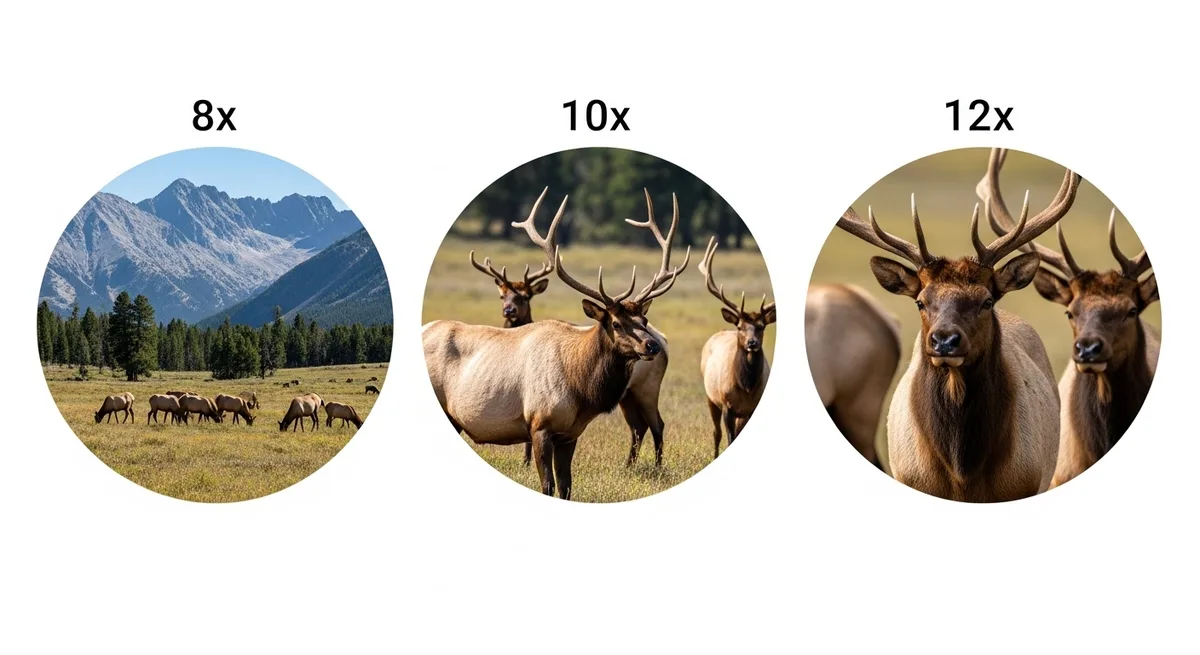
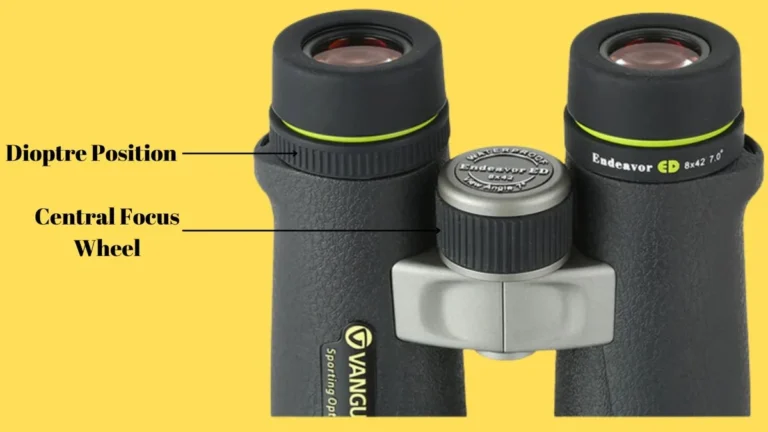
Image source: Bing (Web (fair-use with source credit))
Use Cases: Who Each Spec Combo Works Best For
8×32 – The Lightweight Traveler
Best for walkers, hikers, and travelers who prioritize packing light. The 8×32 is compact and easy to carry. You lose some low-light performance, but it's a great trade-off for portability.
8×42 – The All-Rounder
A solid choice for most safari goers. The 8×42 gives you a wide field of view and steady image. It's good for walking safaris and general game viewing.
Slightly less reach than a 10×42, but easier to hold steady.
10×42 – The Safari Standard
This is the most common recommendation for a reason. It balances magnification, brightness, and weight. Works well for vehicle-based and walking safaris.
Good for most conditions.
10×50 – The Low-Light Specialist
Ideal for early morning or late afternoon drives. The larger lens gathers more light, giving you a brighter image. It's heavier, so best for vehicle use.
Not ideal for long walks.
12×50 – The Long-Range Observer (With Tripod)
Great for spotting distant animals on open plains. But you need a tripod or a solid rest. Shaky hands make the image blurry.
Best for serious observers or birders.
Quick Reference Table
| Spec Combo | Best For | Pros | Cons |
|---|---|---|---|
| 8×32 | Walking, hiking | Lightweight, compact | Dimmer in low light |
| 8×42 | All-rounder | Wide view, steady | Less reach |
| 10×42 | Safari standard | Balanced | None major |
| 10×50 | Low light | Bright | Heavy |
| 12×50 | Long range | High magnification | Needs tripod |
Real-World Example
Imagine you're on a walking safari in the Okavango Delta. The vegetation is dense. You're moving slowly.
An 8×42 gives you a wide field of view to spot a leopard in the branches. The steady image helps you keep it in focus while you walk.
Now picture a vehicle-based drive in the Serengeti. The plains are open. Animals are far away.
A 10×42 or 10×50 lets you zoom in on a lion pride from a distance. The extra weight is fine because you're sitting.
Common Mistakes Safari Travelers Make With Binoculars
Choosing Too Much Magnification
The biggest mistake people make is buying 12x or 15x binoculars. They want to see animals up close. But they don't factor in shaky hands.
At 12x magnification, every tiny hand movement becomes a big blur. You need a tripod or a vehicle window to rest your elbows on. Without a steady rest, the image is frustrating to use.
Our research shows that many first-time buyers regret going above 10x. They end up with expensive binoculars they can't use handheld. Stick with 8x or 10x unless you're willing to carry a tripod.
Ignoring Weight and Fatigue
Another common error is ignoring weight. You see a 10×50 with great specs. It looks perfect on paper.
But it weighs 35 ounces.
After a few hours of holding it up, your arms get tired. You start missing sightings because you're resting your arms. The best binocular is the one you actually use.
Check the weight before you buy. Look for models under 25 ounces if you plan to walk. Under 30 ounces is acceptable for vehicle use.
Buying Non-Waterproof Binoculars
Safari environments are dusty and humid. Rain can come unexpectedly. A non-waterproof binocular can get ruined by moisture.
Many budget binoculars claim to be waterproof but aren't properly sealed. Look for nitrogen or argon purging. Check for O-ring seals.
These features prevent fogging and internal damage.
Verified buyer feedback shows that cheap binoculars often fail in humid conditions. The lenses fog up inside. You can't clean that without disassembling them.
Overlooking Eye Relief for Glasses
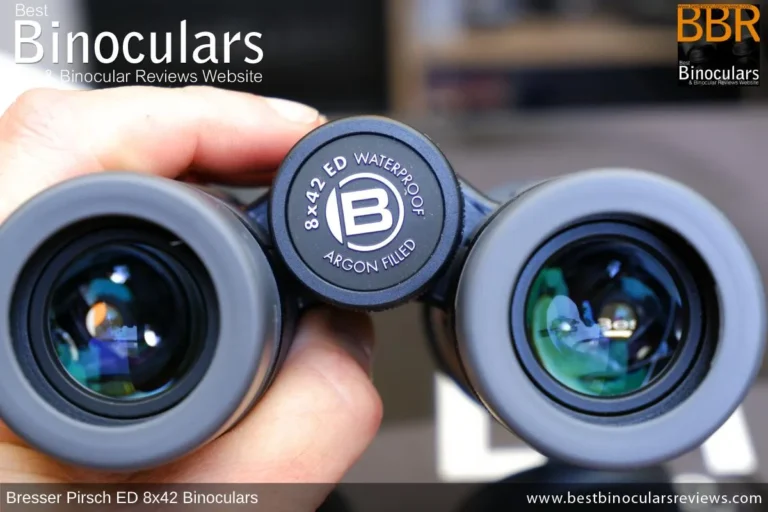
If you wear glasses, this is critical. Eye relief is the distance from the eyepiece to your eye where you still see the full image.
Many binoculars have short eye relief. You have to press your glasses against the eyepiece. That's uncomfortable and limits your field of view.
Look for eye relief of at least 15mm. Premium models often offer 18 to 20mm. This gives you a comfortable viewing experience with glasses on.
Focusing Only on Price
Price is important, but it's not the only factor. A $150 binocular can work well for occasional use. A $2,000 binocular offers better glass and coatings.
But the difference between a $300 and $800 model is noticeable. The jump from $800 to $2,000 is smaller. Focus on getting good coatings, waterproofing, and a comfortable fit.
Don't overspend on features you don't need. If you're a casual safari goer, a mid-range model is plenty.
Maintenance in the Bush: Keeping Your Optics Clean and Clear
How to Clean Lenses Without Scratching
Dust and sand are everywhere on safari. Wiping a dry lens with a cloth can scratch the coating. That ruins the image quality.
Use a soft brush or air blower first. Remove loose dust before touching the lens. Then use a microfiber cloth with a small amount of lens cleaning solution.
Never use your shirt or paper towels. They trap dirt and will scratch the glass. A simple cleaning kit is a smart investment before your trip.
Storing Binoculars in High Humidity
After a morning game drive, your binoculars may be warm. If you put them in a sealed case, condensation can form. That leads to mold or fogging.
Let them air out in a dry place before storing. Open the lens caps to let moisture escape. If you're in a humid climate, consider a silica gel pack in your bag.
Protecting Against Dust and Sand
Dust gets into focus wheels and eyepiece threads. Over time, it makes the mechanism gritty. Periodic cleaning with a dry brush helps.
Keep the objective lens caps on when not in use. Use the neck strap to prevent drops. A rubber armor coating protects against bumps.
When to Service Your Binoculars
Most binoculars need service every few years if used heavily. You can check for misalignment by looking at a distant object. If the image isn't sharp, it may need collimation.
Send them to the manufacturer or a qualified repair shop. Many brands offer lifetime warranties. Use them if you notice issues.
Frequently Asked Questions
Is 10x or 12x better for safari?
10x is better for most people. It gives you good reach without the shakiness of 12x. You can hold 10x steady without a tripod. 12x requires a stable rest or image stabilization.
Can I use a monocular instead of binoculars?
Monoculars are lighter and cheaper, but they lack depth perception. You also get tired faster holding one eye closed. Binoculars give a more immersive view.
For safari, binoculars are the better choice.
What's a good budget for safari binoculars?
A good budget is $300 to $800. This range gives you quality optics, good coatings, and reliable waterproofing. You can find decent options under $300, but they may lack durability.
Above $800, you get premium glass but diminishing returns.
Do I need image stabilization for safari?
Image stabilization helps if you have shaky hands or use high magnification. Models like 10x or 12x stabilized binoculars are great for vehicle use. They are heavier and more expensive.
For most people, a standard 10×42 is sufficient.
Should I buy binoculars before or after arriving in Africa?
Buy before you go. Prices in safari destinations are often higher. Selection is limited.
You also want to test and familiarize yourself with the binoculars before your trip.
How do I know if a binocular fits my eyeglasses?
Check the eye relief specification. Look for 15mm or more. You can also try them in a store.
Twist up the eyecups fully. If you see the full field of view with glasses on, it fits.
Your Safari Binocular Decision Guide: Quick Reference
If You're a First-Time Safari Traveler
Choose a 10×42 roof prism binocular. It's the most versatile option. Spend $300 to $600.
Look for waterproofing, good eye relief, and a weight under 25 ounces.
If You're on a Walking Safari
Choose an 8×42 or 8×32. The wider field of view helps in dense vegetation. The lower weight reduces fatigue.
Spend $300 to $500.
If You're on Vehicle-Based Drives
Choose a 10×42 or 10×50. Weight is less of a concern. Extra brightness helps at dawn and dusk.
Spend $400 to $800.
If You Wear Glasses
Choose a 10×42 with at least 15mm of eye relief. Test the fit before buying. Spend $300 to $600.
If You Have Shaky Hands
Choose an 8×42. The lower magnification gives a steadier image. You can also consider image-stabilized binoculars.
Spend $400 to $800.
Your Final Checklist
Before you buy, ask yourself these questions:
- What type of safari am I doing? Vehicle, walking, or both?
- Do I wear glasses? Check eye relief.
- How steady are my hands? Lower magnification if shaky.
- What's my budget? Stick to the sweet spot of $300 to $800.
- Is it waterproof and fogproof? Yes, it must be.
Use this guide to match your specific needs. The best binocular for safari is the one that fits your trip, your hands, and your eyes.