
Can You Cook on a Fire Pit
Here is the corrected, completed article.
Yes, you can cook on a fire pit. But the answer comes with a lot of "it depends." You need the right setup, a clean fuel source, and solid heat control. Without those, you'll end up with burnt outsides and raw centers.
Or worse, a safety hazard.
In our research, standard fire pit temperatures can hit 600°F (315°C) at the grate surface. That is more than enough to sear a steak. But airflow and heat distribution vary wildly between models.
A propane fire pit with a BTU rating of 40,000 or higher gives consistent heat. A wood fire pit depends on the age and type of the wood. As of 2026, more manufacturers design fire pits specifically for cooking.
Many still treat it as an afterthought. We'll walk you through what works, what doesn't, and how to stay safe.
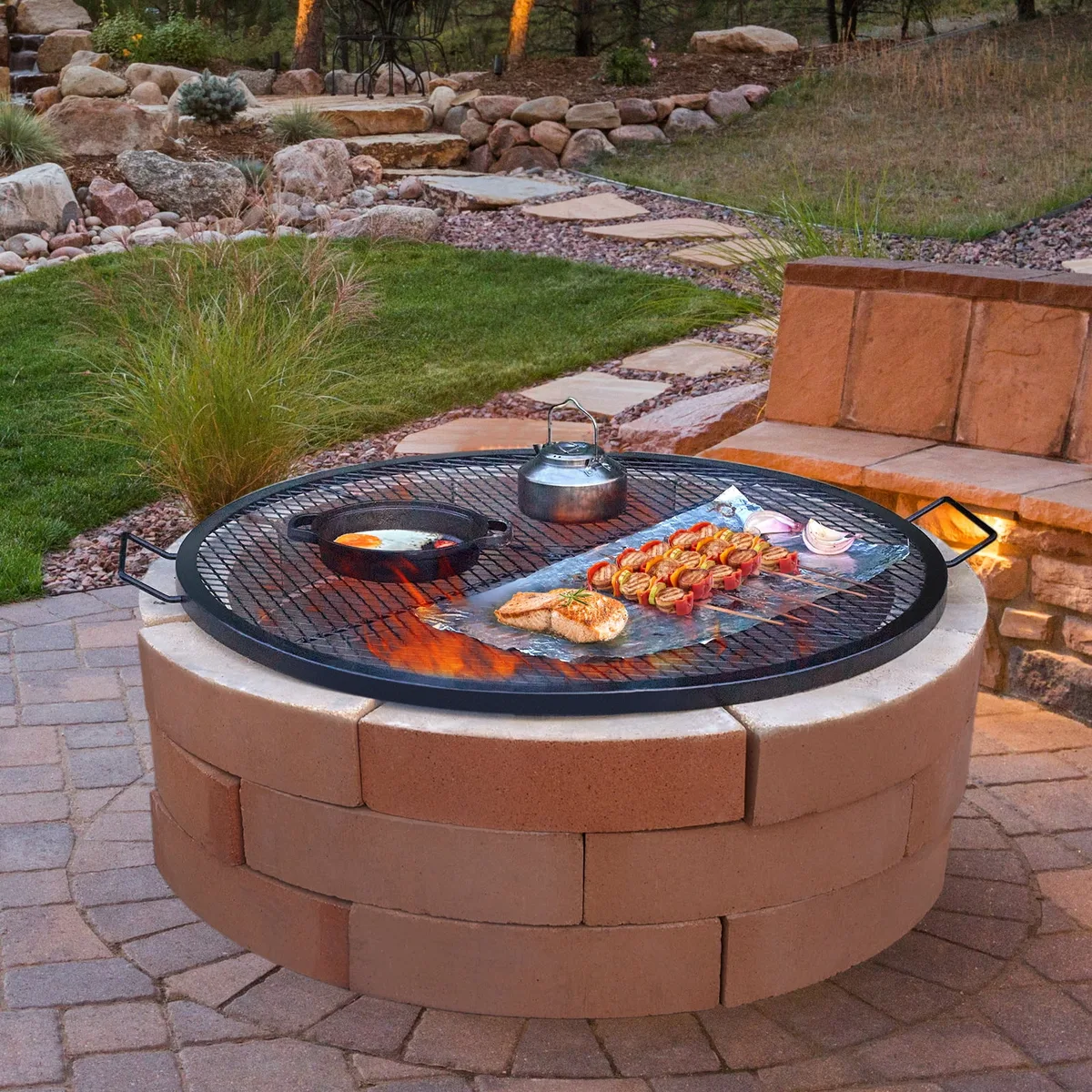
Image source: Bing (Web (fair-use with source credit))
Quick Answer
Yes, you can cook on a fire pit. Most fire pits work with the right accessories. You need a cooking grate, proper fuel, and safe placement.
Not all fire pits are designed for cooking. Check your manufacturer's instructions first. A wood fire pit works best with a deep bed of coals, not open flames.
Gas fire pits offer more temperature control. They need a dedicated cooking grate.
How Fire Pit Cooking Actually Works (And Doesn't)
Fire pit cooking is controlled heat transfer. You have a heat source below, a grate above, and food in between. The heat radiates upward.
The way that heat behaves depends on your fuel type and fire pit design.
Wood fire pits rely on burning logs to create a coal bed. The coals radiate steady, even heat. This is much better than open flames.
A common mistake is cooking over flames directly. Flames create intense, uneven heat that chars the outside and leaves the inside raw. The best time to cook is when the flames have died down and the coals are glowing red.
That is when you get consistent temperatures around 400, 600°F.
Propane and natural gas fire pits burn a clean, adjustable flame. You can dial in the temperature with a control knob. That is a big advantage over wood.
But gas fire pits often produce less intense radiant heat than a coal bed. You may need to preheat the grate longer. You may also need a slightly higher flame setting to get a good sear.
Many gas fire pits have a lower BTU rating than dedicated grills. They are better for slow cooking than for high-heat searing.
Charcoal fire pits are a hybrid option. You can use charcoal briquettes or lump charcoal. They burn hotter and more evenly than most firewood.
Charcoal fire pits are less common but popular among campers who want grill-like performance without a full grill setup.
Here is a quick comparison of the three main fuel types for cooking:
| Fuel Type | Heat Control | Temperature Range | Best For |
|---|---|---|---|
| Wood | Low (variable) | 300–600°F (coals) | Smoky flavor, slow roasting |
| Propane | High (adjustable) | 200–500°F | Even cooking, burgers, hot dogs |
| Charcoal | Medium (air control) | 350–700°F | High-heat searing, steak |
The design of the fire pit itself matters too. A deep bowl with high sides traps heat and makes cooking easier. A shallow, open fire pit loses heat to the wind.
It requires more fuel. If you want a fire pit that is genuinely good for cooking, look for models with a built-in cooking grate or an attachment system. Many low-smoke designs improve heat efficiency.
They direct secondary air into the fire, which burns off smoke and creates more heat for cooking.
The Real Risks: Fire, Fumes, and Food Safety
Cooking on a fire pit comes with real dangers. The most serious is carbon monoxide poisoning. Fire pits produce CO.
If you cook in a covered patio, garage, or any enclosed space, the gas can build up to lethal levels. The National Fire Protection Association (NFPA) explicitly warns against using any outdoor cooking device indoors or in partially enclosed areas NFPA fire pit safety guidelines. Always cook in an open, well-ventilated area.
Fire spread is another major risk. Sparks and embers can travel 10 feet or more, especially in windy conditions. Place your fire pit at least 10 feet from your house.
Keep it 3 feet from any combustible materials like dry grass or wood decking. Never place it under a low-hanging tree branch. A spark arrestor or fire screen helps, but it is not a substitute for safe placement.
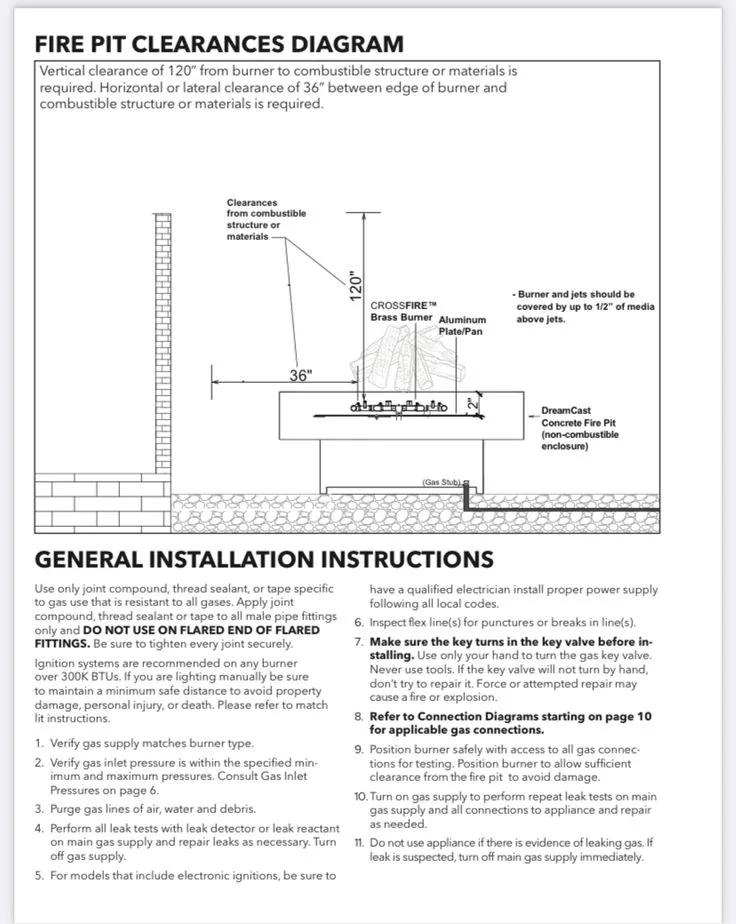
Image source: Bing (Web (fair-use with source credit))
Burns are the most common injury. The outer rim of a fire pit can reach 300°F even if the fire looks small. Children and pets can easily touch the hot metal.
Keep a 3-foot "no-go zone" around the fire pit when it is lit. Use long-handled tools for cooking. Never leave the fire unattended.
Food safety also matters. Undercooked meat from uneven heat is a real concern. The only way to know if food is safe is to use a meat thermometer.
Ground beef needs to reach 160°F. Chicken needs 165°F. Avoid cooking on fire pits that have been painted or coated with chemicals.
The paint can burn off and contaminate your food. Stick to raw steel, cast iron, or stainless steel cooking surfaces.
Do not use treated wood, pallet wood, or driftwood for a cooking fire. They release toxic fumes when burned. The U.S.
Consumer Product Safety Commission (CPSC) has issued warnings about the dangers of burning treated wood. It can contain arsenic and other chemicals.
Step-by-Step: How to Cook Safely on a Wood or Gas Fire Pit
Getting a good meal off a fire pit comes down to preparation. Follow these steps for safe, consistent results.
Step 1: Choose your location. Pick a flat, non-flammable surface like concrete, gravel, or bare dirt. Clear a 10-foot radius of dry leaves, grass, and debris. If you are using a portable fire pit, make sure the ground is level so it does not tip.
Step 2: Set up your cooking grate. If your fire pit doesn't have a built-in grate, you can buy an adjustable cooking grate that sits over the fire. Adjust it so the cooking surface is 4, 6 inches above the fuel. For wood fires, you want the grate above the coal bed, not the flames.
Step 3: Build your fire. For wood, start with kindling and small logs. Let the fire burn for 30, 45 minutes until you have a deep bed of glowing coals. For gas, turn the burner to medium-high and let the grate heat up for 10 minutes.
Step 4: Preheat the grate. A cold grate sticks to food. Let it heat for 5, 10 minutes. Then brush it clean with a wire brush.
For gas fire pits, you can do this while the burner is on.
Step 5: Cook your food. Place food directly on the grate. Use tongs to flip, not a fork. A fork pierces the meat and lets juices escape.
Keep an eye on the heat. If flames flare up, move the food to a cooler part of the grate or raise the grate height.
Step 6: Check temperature. Use a meat thermometer to verify doneness. Don't rely on timing alone. Fire pit temperatures vary too much.
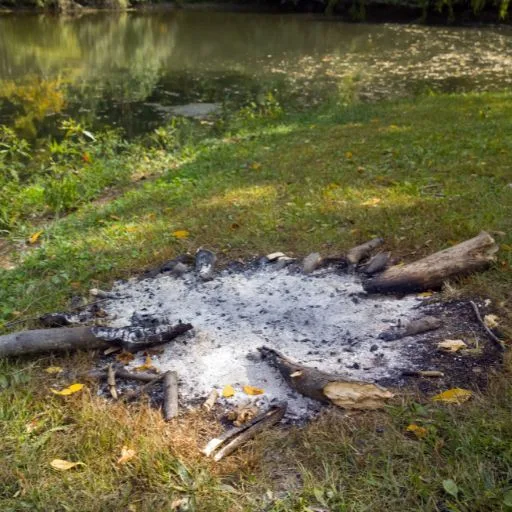
Step 7: Extinguish the fire. For wood fires, spread the coals and let them cool completely. Then douse with water. For gas, turn off the burner and let the pit cool.
Never leave hot coals unattended.
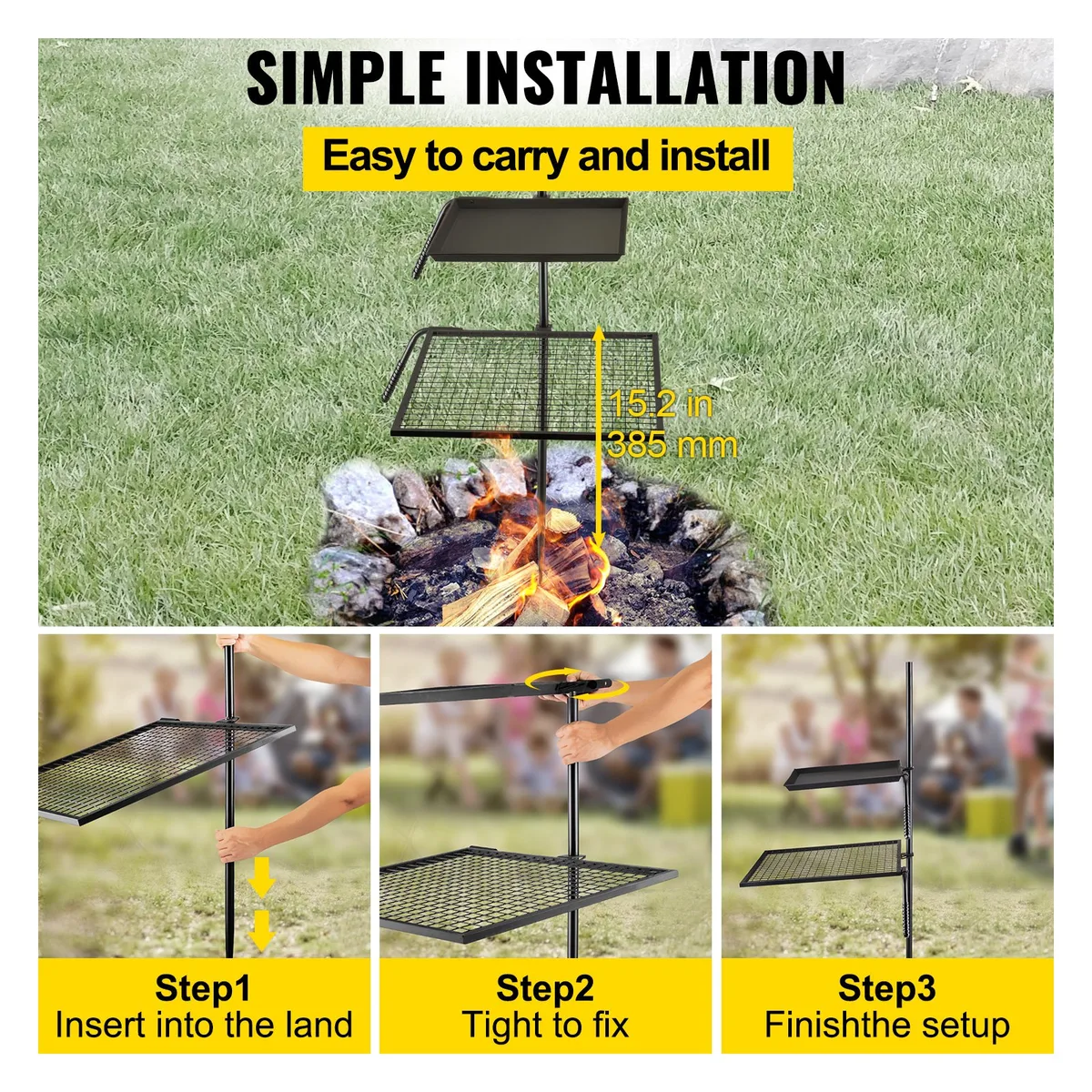
Image source: Bing (Web (fair-use with source credit))
If you are new to fire pit cooking, starting with a model that has a built-in cooking grate and simple controls makes the learning curve much gentler. Many of the top picks for 2026 include these features as standard.
Mistakes That Will Ruin Your Meal (Or Your Safety)
Even experienced outdoor cooks make mistakes when switching to a fire pit. Here are the most common ones and how to avoid them.
Cooking over open flames. This is the number one mistake. Flames produce intense, uneven heat. They char food on the outside and leave it raw inside.
Wait for the flames to die down. Cook over glowing coals for wood or a steady, medium flame for gas.
Using the wrong wood. Green or wet wood creates a lot of smoke and very little heat. It also produces creosote, which coats your food and gives it a bitter taste. Always use seasoned hardwood.
Avoid softwoods like pine. They burn too fast and produce resin that ruins food.
Not preheating the grate. A cold grate causes sticking. Food tears apart when you try to flip it. Give the grate 5, 10 minutes to heat up.
Brush it clean before cooking.
Overcrowding the grate. Too much food at once drops the temperature of the cooking surface. You end up steaming instead of searing. Leave space between pieces for heat to circulate.
Ignoring wind direction. Wind can blow the fire toward one side, creating hot spots. Position your fire pit so the wind is at your back. Use a wind guard if needed.
If the fire is too erratic, postpone cooking.
Forgetting to check for local burn bans. Many areas prohibit open fires during dry seasons. Cooking on a fire pit can still be considered an open fire. Check your local regulations before lighting up.
Affordable options are available, but they don't exempt you from local rules.
Using a fire pit that's not designed for cooking. Some fire pits have painted or coated surfaces that can release toxic fumes when heated. Others are too shallow to hold a coal bed. If your fire pit doesn't have a cooking grate or a heat-resistant surface, don't use it for cooking.
Look for a multi-fuel model if you want to switch between wood and gas.
Best Fire Pit Types for Cooking — And What to Avoid
Not every fire pit works well for cooking. Here is what to look for and what to skip.
Cast iron fire pits. These retain heat exceptionally well. They offer even cooking temperatures. The downside is weight.
They are heavy and hard to move. If you have a permanent spot, cast iron is a great choice.
Steel fire pits with cooking grates. These are the most common option. They are lightweight, durable, and affordable. Look for powder-coated or stainless steel models.
They resist rust better. Many come with a removable cooking grate. If you cook on a concrete patio, or a gravel surface, or a deck, check the specific requirements for your setup first.
Stone or concrete fire pits. These look great in a backyard. They are terrible for cooking. They absorb heat and take forever to warm up.
The heat is uneven and hard to control.
Propane fire pits with lava rocks or glass rocks. These work well for even heat. The rocks distribute the flame. But they require a dedicated cooking grate.
You cannot just set food on the rocks. The glass can shatter under direct heat.
Smokeless fire pits. These are designed for low smoke output. They use a secondary burn system that creates more heat. That extra heat makes them excellent for cooking.
Many models come with a cooking grate as an accessory.
What to avoid. Skip any fire pit with painted interior surfaces. The paint will burn off and may contaminate food. Avoid fire pits that are too shallow to hold a coal bed.
Avoid any model that doesn't have a stable, level base. A tipping fire pit is a serious safety hazard.
Frequently Asked Questions
Can you cook directly on a propane fire pit?
No, you should not cook directly on the lava rocks or glass rocks of a propane fire pit. You need a cooking grate that sits above the flame. The rocks are not a cooking surface and can shatter or release toxins when heated directly.
What is the best fire pit for cooking?
A steel fire pit with a built-in adjustable cooking grate is the best all-around option. Cast iron is excellent for heat retention but heavy. Smokeless fire pits also work very well because they produce more heat and less smoke.
Can you use a regular fire pit as a grill?
Yes, but you need a cooking grate. Most regular fire pits are not designed for cooking. You can buy an aftermarket cooking grate that fits over the top.
Make sure the grate is stainless steel or cast iron and rated for high heat.
Is it safe to cook on a fire pit in the rain?
No. Cooking in the rain is dangerous. Water can cause the fire to flare up unpredictably.
It can also create steam burns. Wait for dry weather. If you must cook, use a covered patio with good ventilation.
Never cook in an enclosed space.
Do you need a special fire pit for cooking?
You don't need a specialized fire pit, but it helps. A fire pit with a built-in cooking grate, adjustable height, and good airflow makes cooking much easier. Without those features, you will need to buy accessories and manage the heat more carefully.
How do you clean a fire pit cooking grate?
Let the grate cool completely. Scrub it with a wire brush to remove food residue. For stubborn buildup, use warm soapy water and a stiff sponge.
Rinse and dry thoroughly. Apply a thin layer of vegetable oil to prevent rust. Store the grate in a dry place.




One Comment