Can You Use a Fire Pit as a Grill
So you've got a fire pit in your backyard, and you're staring at those flames wondering if you can throw a steak on there. The short answer is yes, you can use a fire pit as a grill, but only under specific conditions. Most fire pits are built for ambiance, not for cooking food safely.
Manufacturer specs for fire pits under $300 often warn against cooking directly on the fire bowl. As of 2026, even popular fire pit brands state in their manuals that their units are for decorative use only. Let's start with the straight answer.
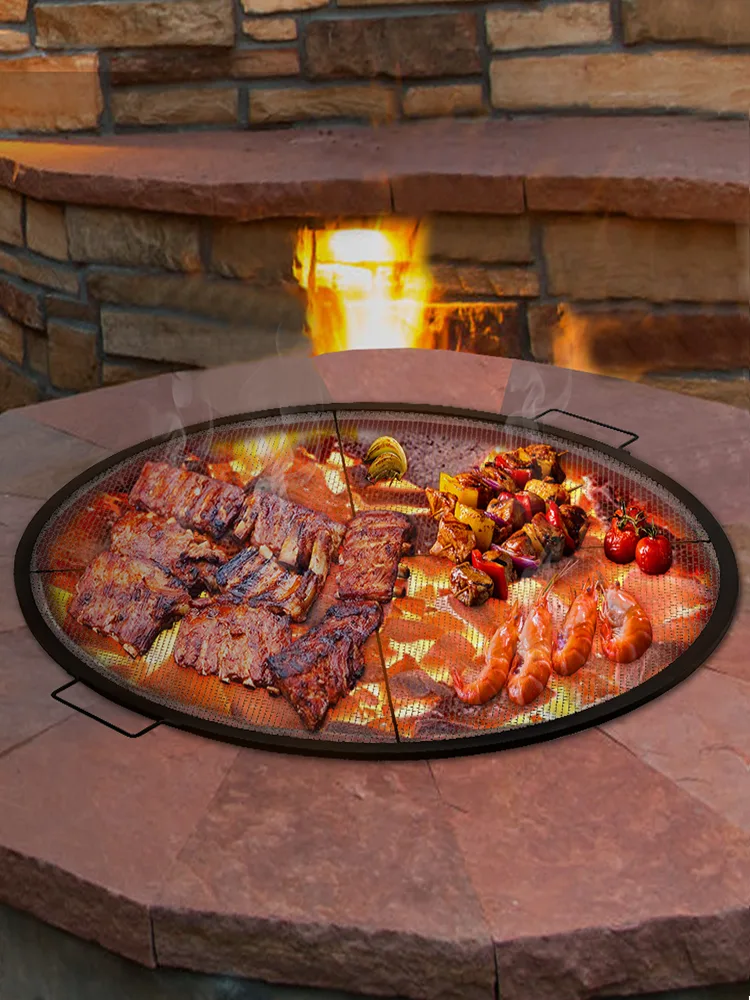
Image source: Bing (Web (fair-use with source credit))
Quick Answer
Yes, you can use a fire pit as a grill. Only if it is made from safe materials like bare steel or cast iron. Gas fire pits rarely reach safe cooking temperatures, and you must check the coating first.
What Makes a Fire Pit Safe for Grilling? (Materials, Coatings, Design)
The biggest factor is the fire pit's material and finish. Not all metals are safe to cook over, and the coating matters just as much.
Materials That Are Safe for Cooking
Bare steel and cast iron are the gold standards. Both materials can withstand high heat without releasing harmful chemicals. Cast iron holds heat evenly, which means fewer hot spots on your food.
Bare steel heats up fast and cools quickly, making it more responsive to temperature changes.
Stainless steel is safe, but it needs to be food-grade 304 or 316 stainless. Cheaper stainless alloys can contain nickel or chromium that may leach at high temperatures. If you see "304" or "316" stamped on the fire pit, you are good to go.
Copper fire pits are safe for cooking too, but only if they are uncoated. Copper conducts heat beautifully, but it is expensive and can react with acidic foods like tomatoes or citrus.
Materials and Coatings to Avoid
| Material or Coating | Why It's Unsafe | What Happens When Heated |
|---|---|---|
| Galvanized steel | Zinc coating | Releases toxic zinc oxide fumes that cause "metal fume fever" |
| Painted or powder-coated steel | Paint or polymer coating | Burns off and contaminates food with chemicals |
| Enameled cast iron | Glass-like coating | Can chip and crack, sending glass into food |
| Chrome-plated grates | Chrome coating | Releases chromium compounds at high heat |
Many affordable fire pits use painted or galvanized steel. These are fine for sitting around the flames, but they are not safe for cooking. Inexpensive models with painted finishes should never come in contact with food.
Design Features That Matter
Depth is a big deal. A fire pit that is too deep makes it hard to reach the coals with a cooking grate. You want a fire bowl that is 6 to 10 inches deep.
Anything deeper and you will struggle to get enough heat to the grate.
Airflow is another factor. Fire pits with good ventilation burn cleaner and produce less smoke. That means less soot on your food.
Models with adjustable air vents give you more control over the temperature.
The best fire pits for grilling have a flat bottom or a flat ring that can support a cooking grate. Some fire pits have a rounded bottom that makes it impossible to place a grate securely. If your fire pit has a rounded bowl, you will need a tripod or a standalone cooking grate that sits above the flames.
The Big Safety Risks: Toxic Fumes, Grease Fires, and Carbon Monoxide
This is not a section to skim. Cooking over a fire pit introduces real risks that most people do not think about.
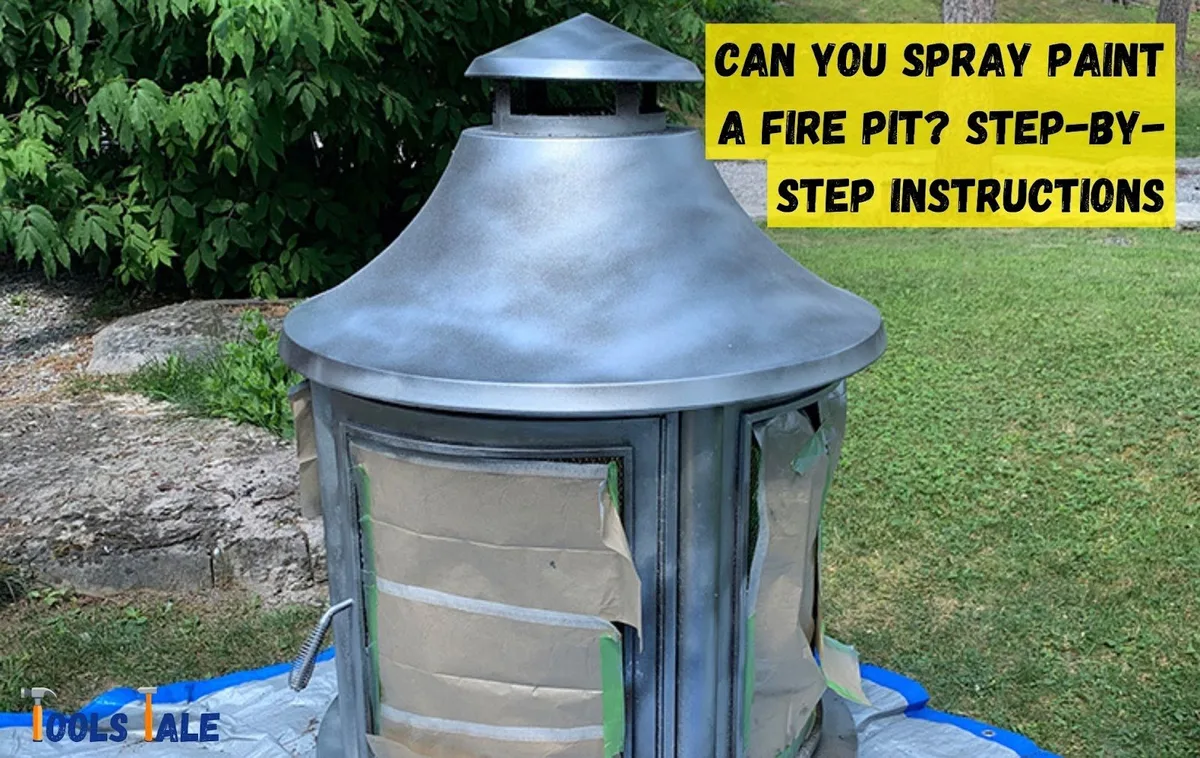
Image source: Bing (Web (fair-use with source credit))
Toxic Fumes from Coatings
The number one risk is breathing in toxic fumes from the fire pit coating. Galvanized steel is the worst offender. When heated above 400°F, the zinc coating vaporizes and creates zinc oxide fumes.
Inhaling these fumes causes metal fume fever, which feels like a bad case of the flu. Symptoms include chills, fever, nausea, and chest tightness.
Painted and powder-coated fire pits are nearly as dangerous. The paint burns off and releases volatile organic compounds (VOCs) directly into the air and onto your food. You can see the paint bubbling and smoking as it burns.
If you see that, stop cooking immediately.
Grease Fires and Flare-Ups
When you grill meat, fat drips down onto the fire. In a standard grill, the grease hits the heat source and burns off quickly. In a fire pit, the fat drips onto wood, coals, or lava rocks.
This causes sudden, intense flare-ups that can burn your food or catch nearby objects on fire.
Grease fires in fire pits are harder to control than in grills. Fire pits rarely have lids or dampers to smother the flames. If a grease fire gets out of control, your only option is to let it burn out or use a fire extinguisher.
Carbon Monoxide Poisoning
Carbon monoxide (CO) is an invisible, odorless gas produced by burning wood and charcoal. Cooking over a fire pit in an enclosed space like a garage, screened porch, or even a covered patio can lead to dangerous CO buildup.
The National Fire Protection Association (NFPA) warns that CO poisoning from outdoor cooking equipment is more common than most people realize. Per NFPA guidelines, never use a fire pit for cooking indoors or in any partially enclosed area. Keep the fire pit at least 10 feet away from your house, deck railings, and overhanging branches.
Burn Risks
Fire pits get hotter than standard grills in some areas. The edges of the fire pit can reach 500°F to 800°F. Children and pets are especially at risk of touching the hot metal.
Always keep a safe zone around the fire pit and never leave it unattended while cooking.
How to Safely Use a Fire Pit as a Grill (Step-by-Step)
If you have confirmed that your fire pit is made from safe materials, follow these steps to cook on it safely.
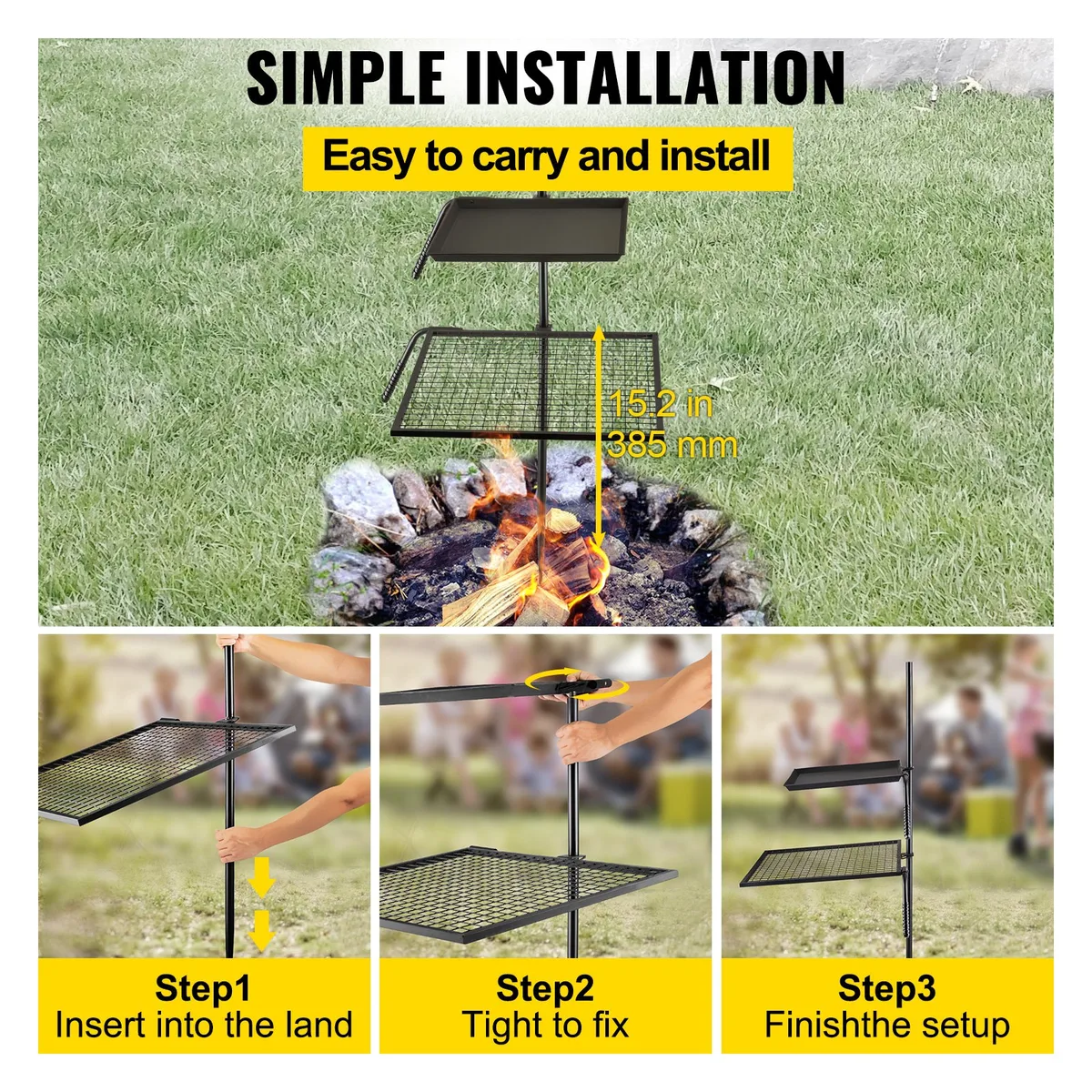
Image source: Bing (Web (fair-use with source credit))
Step 1: Check the Fire Pit
Confirm the material is bare steel, cast iron, or food-grade stainless steel. Check for any painted or coated surfaces. If the fire pit has a coating, do not cook on it.
Step 2: Clean the Fire Bowl
Remove any ash, debris, or leftover wood from previous fires. Wash the fire bowl with soap and water to remove any residue. Rinse thoroughly and let it dry completely.
Step 3: Build a Fire for Cooking
Do not cook over direct flames. You want a bed of hot coals, not open fire. Build your fire and let it burn for 30 to 45 minutes until the wood has broken down into glowing coals.
Spread the coals evenly across the bottom of the fire bowl.
Step 4: Set Up the Cooking Grate
Place your cooking grate 4 to 6 inches above the coals. If your fire pit does not have a built-in grate, use a standalone grill grate or a campfire cooking tripod. The grate needs to be level and stable.
Do not use a grate that wobbles.
Step 5: Test the Temperature
Hold your hand about 6 inches above the grate. If you cannot hold it there for more than 2 seconds, the fire is too hot. Wait for the coals to cool down slightly.
You want a medium heat, around 350°F to 400°F.
Step 6: Cook and Manage Heat
Place your food on the grate. Keep an eye on flare-ups. If fat drips and causes flames, move the food to a cooler spot on the grate.
Use a spray bottle with water to control small flare-ups, but be careful not to spray the coals directly.
Step 7: Remove and Serve
Use long-handled tongs and a heat-resistant glove to remove the food. Lift the grate carefully using heat-resistant tools. The fire bowl and grate will stay hot for a long time after cooking.
Step 8: Extinguish the Fire
Let the fire burn down naturally. When you are done, spread the coals and ash with a shovel. Douse with water and stir until all embers are out.
Never leave hot coals unattended.
Common Mistakes That Can Ruin Your Food or Hurt Someone
Even experienced grillers make mistakes when they switch to a fire pit. Here are the most common ones and how to avoid them.
Cooking Over Open Flames
The most common mistake is cooking over direct flames. Direct flames char the outside of the food while leaving the inside raw. You get a burnt exterior and undercooked meat.
Always wait for the coals. The fire should be mostly glowing embers, not yellow flames.
Using the Wrong Grate Height
If the grate is too high, the food takes forever to cook. If it is too low, the food burns on the outside. The sweet spot is 4 to 6 inches above the coals for most foods.
For thicker cuts like steaks, go with 4 inches. For burgers and vegetables, 5 to 6 inches works better.
Ignoring the Coating
Do not trust a fire pit that has paint, powder coating, or galvanized finish. Even if you burn off the coating first, the metal underneath may have absorbed chemicals. Some budget-friendly fire pits come with a painted finish that looks like bare steel.
Check the manufacturer's description carefully.
Cooking in a Windy Spot
Wind makes the fire unpredictable. It can blow ash onto your food and cause uneven cooking. If you are cooking in a breezy area, set up a windbreak using stones or a portable barrier.
Just make sure the barrier is not flammable and does not block airflow to the fire.
Not Cleaning the Grate Between Uses
Residue from previous cooking sessions builds up and creates bitter flavors. It can also harbor bacteria. Clean the grate thoroughly after each use.
Use a wire brush and hot soapy water. For cast iron grates, dry them immediately and apply a thin coat of oil to prevent rust.
Using Lighter Fluid or Accelerants
Lighter fluid gives food a chemical taste. It also causes flare-ups that are hard to control. Use a chimney starter or natural fire starters instead.
If you need to restart a fire, use kindling and small dry sticks.
Overloading the Fire Pit
A fire pit is not a grill. It does not have the same cooking surface area. Trying to cook too much food at once leads to crowding and uneven cooking.
Cook in batches if needed. Give each piece of food space on the grate.
Cooking Without a Fire Extinguisher Nearby
Keep a fire extinguisher or a bucket of sand within reach. If a grease fire flares up, water will not help. You need to smother the flames with sand or a fire extinguisher rated for grease fires.
Frequently Asked Questions
Can I use a gas fire pit as a grill?
Most gas fire pits are not designed for cooking. The burners rarely reach high enough temperatures to sear meat. Gas fire pits also lack the heat control needed for grilling.
If you want to cook over a gas fire pit, look for a model specifically rated for cooking.
How do I know if my fire pit is safe for cooking?
Check the manufacturer's label or manual. Look for the material type. Bare steel, cast iron, and food-grade stainless steel are safe.
If the fire pit has a painted, powder-coated, or galvanized finish, do not cook on it. When in doubt, contact the manufacturer directly.
Can I cook on a painted fire pit if I burn off the paint first?
No. Burning off the paint releases toxic fumes into the air and onto your food. The metal underneath may also have absorbed chemicals from the paint.
It is not worth the risk. Buy a fire pit designed for cooking instead.
What is the best fire pit for grilling?
The best fire pits for grilling are made from bare steel or cast iron with no coating. They should have a flat bottom and a stable cooking grate. Models with adjustable airflow give you better temperature control.
Look for a fire pit with a depth of 6 to 10 inches.
Can I use a fire pit as a grill on a wooden deck?
Yes, but only with extreme caution. Place a fireproof mat under the fire pit. Keep the fire pit at least 10 feet from the house and any railings.
Never leave the fire unattended. Check local regulations, as some areas restrict open fires on decks.
Final Verdict: When It's a Good Idea and When It's Not
Using a fire pit as a grill works well if you have the right equipment. A bare steel or cast iron fire pit with a flat bottom and a stable cooking grate is a solid choice. You get a rustic, smoky flavor that is hard to replicate on a standard gas grill.
It is a bad idea if your fire pit has a painted, powder-coated, or galvanized finish. It is also a bad idea if you are cooking in an enclosed space or if you need precise temperature control. For quick weeknight grilling, a standard charcoal or gas grill is easier and safer.
If you want both a fire feature and a cooking option, consider a fire pit that is specifically designed for grilling. Many models on the market now come with integrated cooking grates and food-safe materials. They are a great investment for backyard cooking enthusiasts who want the best of both worlds.