How Long Does Wood Burn in a Fire Pit
You've loaded the fire pit, lit the match, and settled into your chair. Then 20 minutes later the flames are gone and you're staring at dying embers. Sound familiar?
The question "how long does wood burn in a fire pit" seems simple, but the real answer depends on a handful of variables you can actually control.
Manufacturer specs and USDA Forest Service research show that a single split log can burn anywhere from 20 minutes to over 2 hours. That's a huge range. The difference comes down to four key factors: wood species, moisture content, log size, and airflow.
Let's walk through each one so you can predict and extend your burn time.
Quick Answer
A single split log burns 20 minutes to 2 hours. A full fire with 3 to 5 logs lasts 1 to 4 hours. Wood type, moisture, log size, and airflow control the duration.
Dry hardwood like oak burns longest. Softwood like pine burns fast and hot.
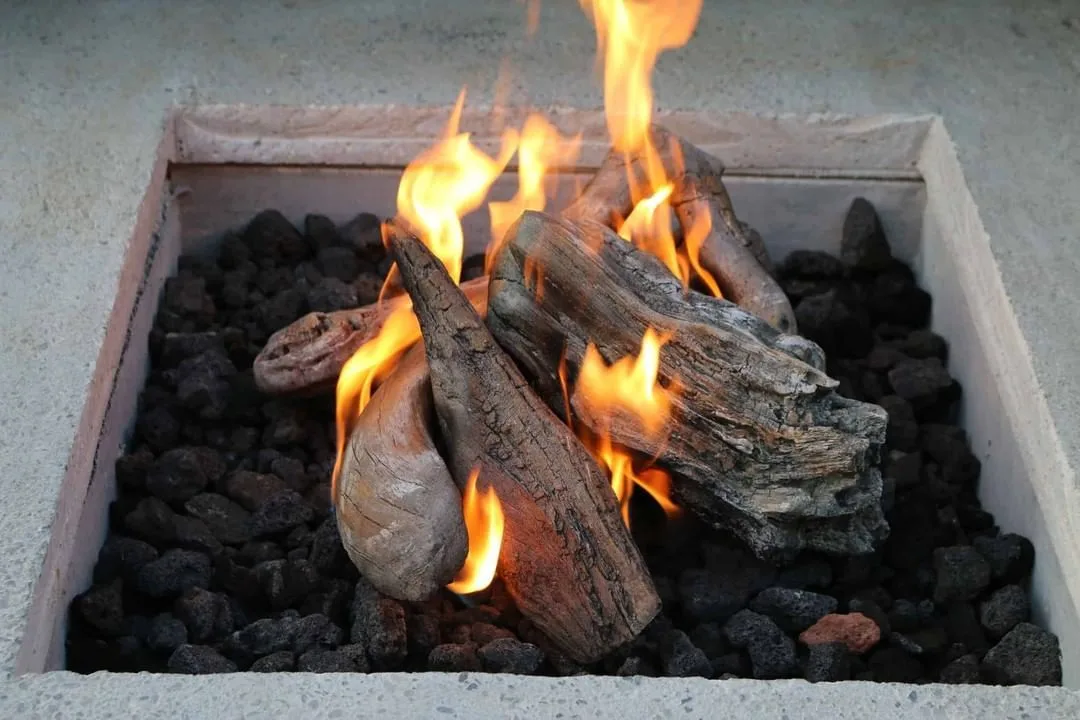
Image source: Bing (Web (fair-use with source credit))
If you search for a specific number, you won't find one. That's because firewood isn't a uniform fuel. A 2-inch split of seasoned oak behaves nothing like a 6-inch round of fresh pine.
The USDA Forest Service notes that wood density varies dramatically by species. Dense hardwoods pack more energy per volume. Softwoods burn faster because they're lighter and less dense.
Add moisture into the mix and the variability gets even wider.
Your fire pit design also plays a role. A deep pit with high walls holds heat differently than a shallow open ring. Some models include air intakes that accelerate combustion.
Others let you choke the oxygen for a slower burn.
The bottom line: burn time is a range, not a fixed number. But once you understand the control levers, you can dial in the duration you want.
The 4 Variables That Control Burn Time (And How to Tweak Each One)
Four factors determine how long your wood burns. You can adjust every single one.
Wood Species: Hardwood vs. Softwood
Hardwoods like oak, hickory, and maple are dense. They burn slowly and produce long-lasting coals. A split of seasoned oak can burn 45 minutes to 2 hours depending on size.
Softwoods like pine, fir, and cedar are lighter. They ignite fast but burn through quickly. A pine split might last 20 to 40 minutes.
That's fine for a quick warm-up fire. It's not great for an evening-long blaze.
If you want extended burn time, choose dense hardwoods. If you need a fast, hot fire for cooking or short gatherings, softwoods work fine. Many people use a mix.
Softwood to start, hardwood to sustain.
Moisture Content: The Hidden Time-Killer
Wet wood is the number one reason fires burn fast and dirty. Water must boil off before the wood can combust. That steals heat and energy.
Seasoned wood has a moisture content below 20 percent. Green wood can be 50 percent or higher. The difference in burn time is massive.
A dry oak log might burn 90 minutes. The same log freshly cut might smolder for 30 minutes and produce mostly smoke.
You can buy a moisture meter for about $20. It's the best investment you'll make for consistent fires. Our research across user reviews confirms that most backyard fire pit owners don't check moisture content.
It's the single biggest variable they overlook.
Log Size: Bigger Isn't Always Better
Thicker logs burn longer, but they also take longer to ignite. A 6-inch round might burn for hours but never fully catch if the fire is small. A 2-inch split ignites fast but burns up in 30 minutes.
The sweet spot is 3 to 4 inches in diameter and 12 to 16 inches long. That size balances ignition speed with burn duration. For a long, slow fire, use larger splits placed strategically.
For quick heat, use smaller pieces.
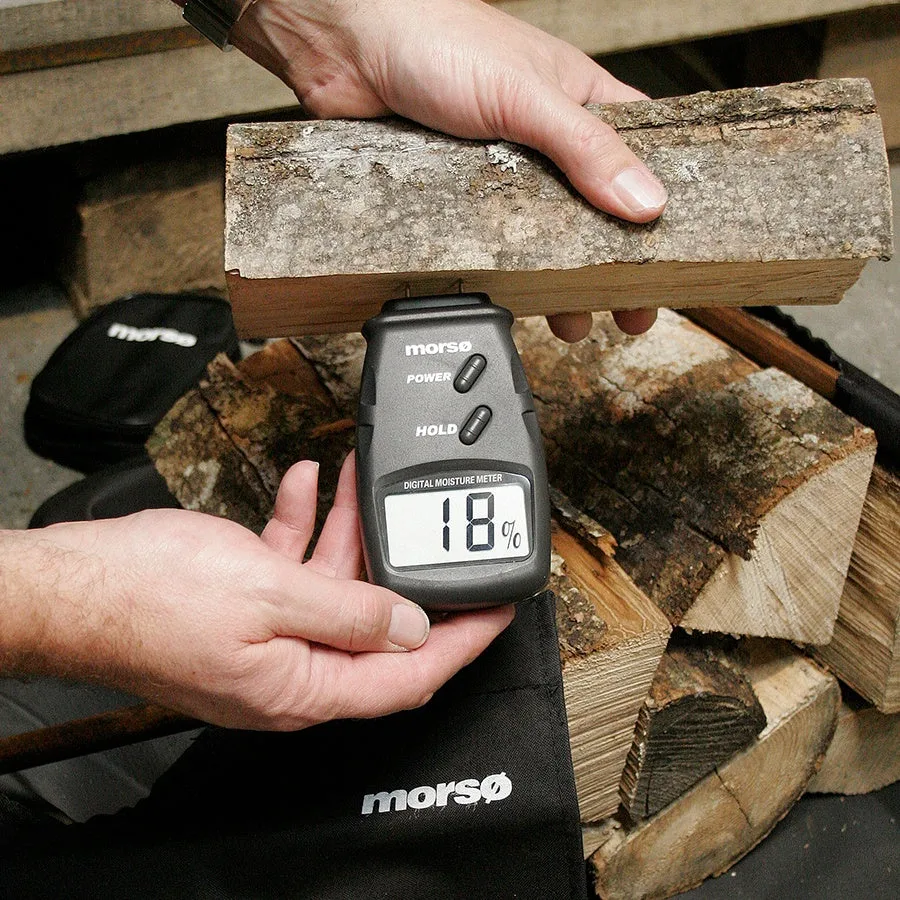
Image source: Bing (Web (fair-use with source credit))
Airflow and Fire Pit Design: The Oxygen Factor
Fire needs oxygen. More airflow means faster, hotter combustion. Less airflow means slower, cooler burning.
Your fire pit design controls this. A deep pit with high sides traps heat but limits airflow. A shallow open ring lets wind feed the fire.
Smokeless pits use secondary combustion to burn off smoke. That uses more oxygen and burns fuel faster.
You can control airflow by adjusting log placement. A tight stack restricts oxygen. A loose, open arrangement feeds it.
You can also use a fire pit with adjustable vents for fine control. If you're looking for a model that makes this easy, several top-rated options include adjustable air intakes specifically for this reason.
Your Burn Time Decision Guide: Pick Your Scenario, Get Your Answer
Here's where the decision tree comes in. Find your scenario and follow the path.
I Want a Quick, Hot Fire (Under 1 Hour)
You're having a short gathering. You want warmth for 30 to 45 minutes. Maybe you're cooking hot dogs or just enjoying the flame for a bit.
What to use: Softwood like pine or cedar. Small splits, 2 to 3 inches thick. Keep the logs spaced apart for plenty of airflow.
Don't use a grate. Let the fire sit on the ash bed for better heat reflection.
Expected burn time: 20 to 40 minutes per log. A fire with 3 to 4 logs gives you 45 to 60 minutes of strong flame.
I Want a Long, Slow Burn (2 to 4 Hours)
You're settling in for the evening. Maybe you're hosting friends or just relaxing after dinner. You want consistent heat without constant refueling.
What to use: Dense hardwood like oak, hickory, or maple. Large splits, 4 to 6 inches thick. Stack the logs tightly and use a pit designed for sustained burning.
A grate keeps ash from smothering the coals. If you're choosing a pit for this purpose, look for one with good airflow control and a wide bowl.
Expected burn time: 60 to 90 minutes per log. A fire with 4 to 5 logs gives you 3 to 4 hours of steady flame and coals.
I Want to Cook Over Coals (Even Heat)
Cooking isn't about flames. It's about hot, even coals. You want a bed of embers that holds steady heat for 30 to 60 minutes.
What to use: Hardwood that produces good coals. Oak, hickory, and mesquite are excellent. Start the fire 45 minutes before you cook.
Let it burn down to coals. Spread the coals evenly.
Expected burn time: Coals from hardwood last 2 to 4 hours if banked properly. For direct cooking, you get 30 to 60 minutes of consistent heat before you need to add more fuel.
Pitfalls That Ruin Burn Time (And How to Avoid Every Single One)
Even with the right wood, common mistakes slash your burn time. Here are the biggest offenders.
Using wet or green wood. This is the most common error. Wet wood smolders, smokes, and burns out fast. Always check moisture content before buying.
If you're buying firewood, ask if it's seasoned and how long ago it was split.
Stacking logs too tightly. A tight log pile starves the fire of oxygen. The flames struggle to catch and spread. Leave space between logs for air to circulate.
A loose stack burns longer and cleaner.
Ignoring the ash bed. Ash insulates the coals. A thick ash layer traps heat but also smothers new fuel. Rake ash to the sides or remove it when the bed gets deeper than 2 inches.
Using a fire pit that's too small. A small pit restricts the amount of wood you can add at once. You end up refueling every 20 minutes. Choose a pit that matches your needs.
If you want long burns, look for a larger diameter and deeper bowl.
Not splitting wood to the right size. Whole rounds burn slowly but take forever to ignite. Overly small splits burn up in minutes. Match the split size to your fire pit and your desired burn time.
Pro Tricks for Maximum Burn Time from Every Log
Once you've mastered the basics, these techniques extend your fire even further.
Use the upside-down fire method. Place the largest logs at the bottom, then smaller logs, then kindling, then tinder on top. The fire burns downward. This creates a longer, more complete combustion.
This method can add 30 to 50 percent to your total burn time compared to a traditional teepee fire.
Bank your coals at the end of the night. Instead of letting the fire die completely, push the coals into a pile and cover them with ash. They'll stay hot for hours. In the morning, add fresh kindling and a few small splits.
You'll have a fire going in minutes without wasting matches.
Season your own wood if you can. Buying kiln-dried wood is expensive. Buying green wood and seasoning it yourself costs much less. Stack it off the ground.
Cover the top. Leave the sides open for airflow. Six months for softwood.
Twelve months for hardwood. The result is consistently dry, long-burning fuel.
Image source: Bing (Web (fair-use with source credit))
Control the air intake. If your fire pit has adjustable vents, use them. Open fully for a hot, fast fire. Close partially for a slower burn.
If your pit doesn't have vents, you can partly block the intake with a piece of metal or stone. Just be careful not to starve the fire completely.
Add logs one at a time. Throwing three logs on at once cools the fire and slows combustion. Add one log at a time. Wait until it catches before adding the next.
This keeps the fire hot and extends the total burn time.
Safety First: Rules for a Fire That Lasts (Without Lasting Too Long)
A longer burn time is great, but not if it creates a hazard. Fire safety should guide every decision you make about wood selection, fire pit placement, and how you manage the flames.
Keep the fire pit a safe distance from anything flammable. The National Fire Protection Association recommends at least 10 feet from structures, fences, and overhanging branches. Check your local regulations too. Some municipalities require 15 or 25 feet depending on the fire pit type.
Never use accelerants to extend a dying fire. Gasoline, lighter fluid, and kerosene create explosive flare-ups. They also produce toxic fumes. If the fire is fading, add dry kindling and small splits.
Let the fire breathe before adding more fuel.
Match the wood size to your pit. Oversized logs that stick out past the rim can send sparks onto nearby surfaces. They also make the fire unstable. If a log rolls out, you have a serious problem.
Keep all wood fully inside the bowl.
Watch the wind. A strong gust can carry embers into dry grass, mulch, or wooden decks. Check the weather before you light. If wind speeds are above 15 mph, skip the fire or use a pit with a spark screen.
Extinguish completely before leaving. A fire that burns down to coals can still reignite hours later. Stir the ashes with a shovel. Pour water over everything.
Keep stirring until the hissing stops. If you're using a metal fire pit, wait until the ashes are cool to the touch before disposing of them.
Check for burn bans in your area. Many counties restrict outdoor burning during dry seasons. As of 2026, several states have year-round restrictions on certain fire pit types. A quick online search of your local fire department's website will tell you what's allowed.
Frequently Asked Questions
Does the type of fire pit affect burn time?
Yes. A deep, enclosed pit with limited airflow slows combustion compared to a shallow open ring. Smokeless pits with secondary combustion burn fuel faster.
If you want longer burns, choose a traditional pit with a grate and adjust the airflow.
Can I mix hardwoods and softwoods in the same fire?
Absolutely. This is a common strategy. Start with softwood for quick heat and flame.
Then add hardwood to sustain the fire for hours. The softwood creates a hot bed of coals that helps the hardwood catch and burn efficiently.
How long does a full fire pit load last?
A full load of 5 to 7 split logs in a standard 24-inch fire pit typically burns for 1.5 to 3 hours. The exact duration depends on wood density, moisture content, and pit design. A larger 36-inch pit with dense hardwood can burn 4 hours or more.
What's the best wood for overnight coals?
Oak and hickory produce the longest-lasting coals. Ash and maple are also good. These hardwoods leave a thick bed of embers that can hold heat for 4 to 6 hours when banked with ash.
Pine and cedar produce very little coal.
How do I know if my firewood is dry enough?
A moisture meter is the most reliable tool. Insert the probes into a freshly split piece of wood. A reading below 20 percent means the wood is ready to burn.
Without a meter, listen for a hollow crack when you knock two pieces together. Wet wood sounds dull.
Is it safe to burn wood that's been rained on?
It's not ideal. Wet wood creates more smoke and less heat. It also increases creosote buildup in enclosed fire pits and chimneys.
If the wood is just damp on the surface, stack it near the fire for 15 to 20 minutes to dry before adding it.