How Hot Does a Fire Pit Get
You're sitting around a fire pit, and you wonder just how hot that thing actually gets. Maybe you're roasting marshmallows, or maybe you're trying to figure out if it's safe to place it on your deck. The short answer is: a fire pit can get hot enough to melt aluminum, ignite nearby vegetation, and cause serious burns in under a second.
But the full answer depends on fuel type, design, and where you measure.
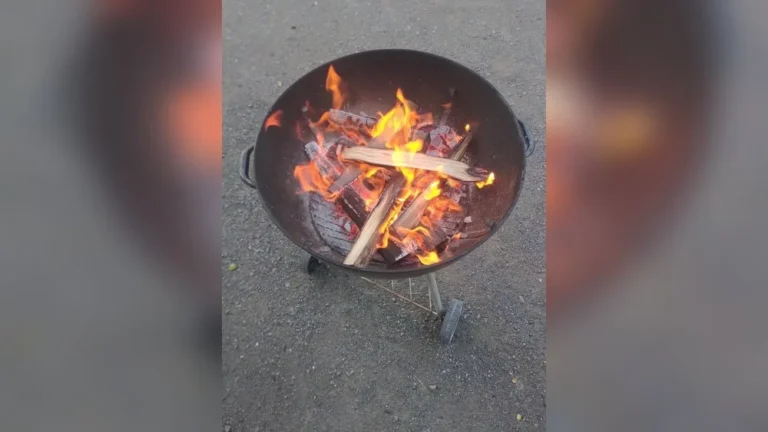
Manufacturer specifications indicate that a typical wood-burning fire pit reaches flame temperatures between 1,000°F and 1,200°F, while the coal bed underneath can exceed 2,000°F. Gas fire pits are more controlled, with flame temperatures ranging from 800°F to 1,200°F depending on the BTU rating. The surface of the fire pit itself, the rim, the bowl, the lava rocks, can hold dangerous heat for hours after the fire is out.
Let's dig into what those numbers really mean for you.
Quick Answer
A wood-burning fire pit reaches 1,000°F to 1,200°F at the flame. The coal bed can hit 2,000°F. Gas fire pits range from 800°F to 1,200°F.
The metal rim can exceed 500°F. These temperatures can cause serious burns instantly. Always check manufacturer clearance requirements before lighting.
Why Fire Pit Temperature Actually Matters
Temperature determines how close you can sit, what materials are safe nearby, and whether your fire pit can double as a cooking surface. The National Fire Protection Association (NFPA) notes that radiant heat can ignite combustible materials at distances most people don't expect.
The biggest risk is the surface temperature of the fire pit itself. The rim, the bowl, and the decorative glass or lava rocks can reach 400°F to 800°F. A hand or arm resting against that rim for even a second causes a serious burn.
Children and pets are especially vulnerable because they don't instinctively recognize the danger.
The heat also affects your deck or patio. If you're using a fire pit on a wooden deck, you need a heat barrier underneath. Many manufacturers specify a minimum 10-foot clearance from structures.
But that guideline changes based on the BTU output and design. Some models throw heat outward more than others, which changes the safe zone. If you're setting up on a deck, choosing a model designed for that surface is essential.
This is why understanding the actual temperature matters. It's not trivia. It's the difference between a safe evening and a trip to the burn unit.
The Real Numbers: Flame, Coal Bed, and Surface Temperatures
Let's get specific. The numbers vary by fuel type and where you measure. Here are the general ranges you can expect from a standard fire pit.
| Measurement Point | Wood-Burning Pit | Propane Gas Pit | Natural Gas Pit |
|---|---|---|---|
| Flame tip | 1,000°F – 1,200°F | 800°F – 1,100°F | 800°F – 1,100°F |
| Coal bed / embers | 1,500°F – 2,000°F | N/A | N/A |
| Metal rim | 400°F – 800°F | 300°F – 600°F | 300°F – 600°F |
| Lava rock / glass | 500°F – 900°F | 400°F – 700°F | 400°F – 700°F |
| Cooking grate | 500°F – 700°F | 400°F – 600°F | 400°F – 600°F |
The flame temperature for a wood fire peaks during the full burn phase, about 30 to 60 minutes after lighting. The coal bed stays hot for hours. Even after the flames are gone, the embers can reignite if you add fuel.
Gas fire pits are more predictable. The temperature is controlled by the BTU rating and the valve setting. A 50,000 BTU fire pit on high puts out less heat than a 100,000 BTU model on low.
The burner type, the size of the bowl, and the airflow all affect how that heat distributes.
The surface temperature of the fire pit itself is often the most dangerous. The U.S. Consumer Product Safety Commission (CPSC) identifies contact burns from fire pit rims and glass as a recurring injury pattern.
The glass rocks in particular can get hot enough to pop and send hot fragments outward.
What Those Temperatures Mean for Safety and How to Stay Safe
Water boils at 212°F. A baking oven runs at 350°F. The surface of your fire pit can be twice as hot as a pizza oven.
That's not a surface you want to touch.
The NFPA specifies a minimum clearance of 10 feet from any structure. That's a baseline. Many manufacturers recommend 15 to 25 feet for high-BTU models.
The reason is radiant heat. Even if the flame doesn't touch the wood siding of your house, the heat radiating from the fire pit can dry out the wood and lower its ignition temperature over time.
The same principle applies to your clothing. Synthetic fabrics like polyester and nylon melt at around 400°F to 500°F. Sitting too close to a fire pit where the radiant heat hits that range can melt clothing onto your skin.
That's a specific injury that emergency rooms see every year.
The coal bed in a wood fire is the most dangerous area. It can reach 2,000°F, which is hot enough to melt steel. If you're poking at the fire and a log rolls, you can get a burn that goes deep into the tissue within seconds.
Always use a long poker and keep a fire extinguisher or water source nearby.
Here's a practical safety checklist for any fire pit setup:
- Check the clearance distance. The NFPA says 10 feet minimum from structures. For high-BTU gas pits, go to 15 or 25 feet.
- Use a heat barrier on wood decks. Composite decking can melt or ignite from sustained radiant heat.
- Keep children and pets at least 3 feet from the fire pit at all times.
- Never leave a fire pit unattended. Not even for a minute.
- Have a fire extinguisher or garden hose within reach before you light the fire.
- Check your local burn bans and fire restrictions. Many counties have seasonal rules.
- Use a spark screen for wood fires to prevent embers from escaping.
- Store propane tanks upright and away from the fire pit when not in use.
If you're setting up on a concrete patio, you have fewer surface concerns. But the clearance to structures still applies. If you're on a deck, you need to be much more careful.
Choosing a model that's specifically rated for your surface is a smart move.
How Fuel Type and Design Change the Heat Output
The fuel you burn determines the maximum temperature. The design determines how that heat spreads. A wood fire burns hotter at the center of the coal bed because the combustion is more concentrated.
A gas fire burns more evenly across the burner surface.
Wood fires have a secondary factor: moisture content. Wet wood burns cooler and produces more smoke. The flame temperature drops, but the radiant heat can still be dangerous because the fire burns longer and less efficiently.
Dry, seasoned wood burns hotter and cleaner. That's why campers and backyard users alike prefer wood that has been seasoned for at least six months.
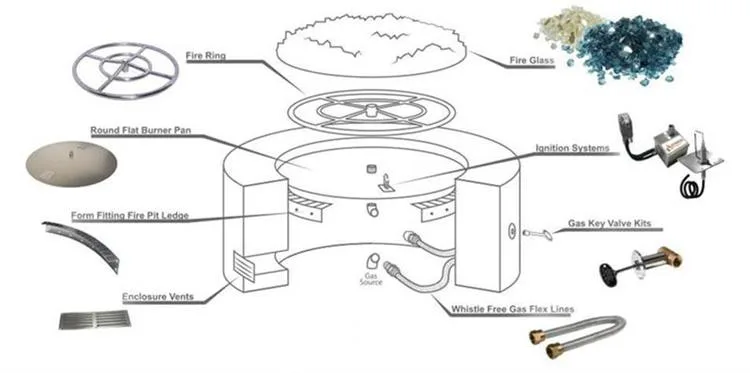
Propane and natural gas fire pits use a burner system. The BTU rating is the key number. A 40,000 BTU gas fire pit produces about 40,000 BTUs of heat per hour at full output.
That's roughly equivalent to a small home furnace. The flame temperature stays consistent, but the radiant heat output depends on the burner and bowl design.
Smokeless fire pits use a secondary combustion system. They burn the smoke and volatile gases before they leave the fire pit. This means the flames are hotter and cleaner.
The trade-off is that the fire pit itself gets hotter. The double-wall design can reach surface temperatures of 600°F or more on the outer wall. That's a design feature that requires careful placement and handling.
If you're interested in this type, models with a low-smoke design are worth looking into.
The fuel choice changes the temperature profile and the safety considerations. For a backyard setup, a gas fire pit with a push-button ignition is convenient and predictable. For a camping trip, a portable wood-burning pit might be better.
Each type has its own temperature behavior and risk profile.
Measuring Your Fire Pit's Temperature (And Why You Should)
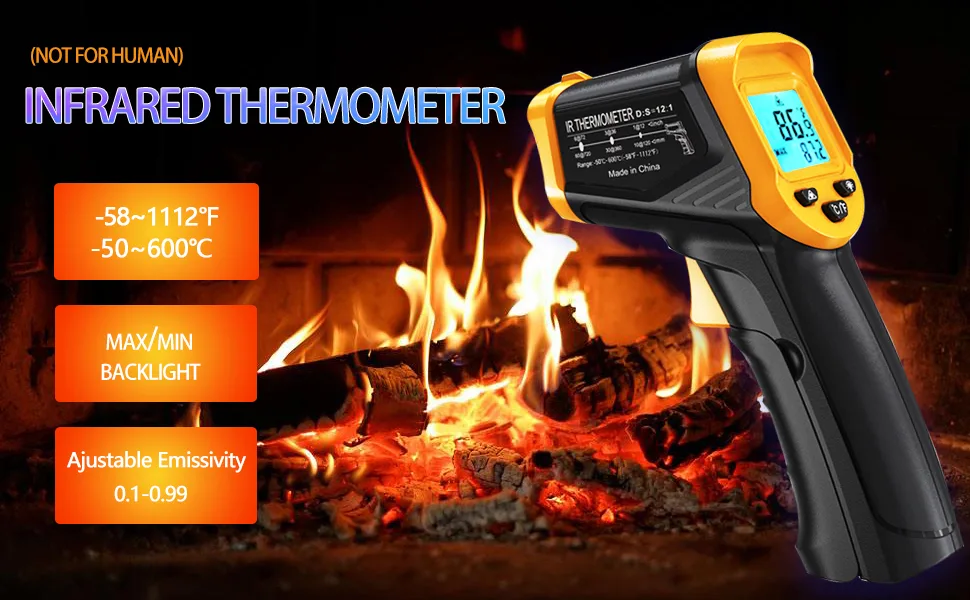
You can't tell the exact temperature of your fire pit by looking at it. Your eyes and skin are terrible thermometers. The only reliable way to measure is with an infrared thermometer.
These devices cost about $20 to $50 and give you an instant readout of surface temperature.
Why measure? Because the numbers change. A gas fire pit on a windy day loses heat faster, so the flame temperature drops.
A wood fire that's been burning for an hour has a hotter coal bed than one that was just lit. The surface temperature of the rim can vary by 100 degrees depending on whether the wind is blowing the flame toward it or away from it.
The hand test is a rough guide. Hold your hand palm-down about 12 inches above the rim. If you can't hold it there for more than five seconds, the surface is too hot to touch.
But that's not precise. An infrared thermometer gives you a real number.
The most useful measurement is the surface temperature of the rim and the bowl. These are the parts people touch. If the rim is over 400°F, it will cause a burn on contact.
If you have children or pets, you need to know that number before you light the fire.
The flame temperature itself is less important for safety. What matters is the heat radiating from the fire pit. A 1,000°F flame inside a deep bowl radiates less heat outward than an 800°F flame in a shallow bowl.
The design matters more than the raw flame temperature.
If you're planning to cook on your fire pit, the cooking grate temperature is the key number. You want it between 500°F and 700°F for searing meat. Lower temperatures work for slower cooking.
An infrared thermometer lets you dial in the right heat by adjusting the fuel or the airflow.
Frequently Asked Questions
How hot does the metal rim of a fire pit get?
The metal rim of a fire pit typically reaches 400°F to 800°F for wood pits and 300°F to 600°F for gas pits. Direct contact causes a burn in under one second. Always warn children and pets to stay away from the rim.
How hot does lava rock get in a fire pit?
Lava rock in a fire pit can reach 500°F to 900°F for wood pits and 400°F to 700°F for gas pits. The rocks absorb heat and radiate it outward. They stay hot for 30 to 60 minutes after the fire is out.
How hot does a propane fire pit get?
A propane fire pit reaches flame temperatures of 800°F to 1,100°F. The surface temperature of the rim and bowl ranges from 300°F to 600°F. The exact temperature depends on the BTU rating and the valve setting.
How far away should a fire pit be from a house?
The NFPA recommends a minimum of 10 feet from any structure. Many manufacturers recommend 15 to 25 feet for high-BTU gas fire pits. Always check local fire codes and your specific fire pit's manual.
Can a fire pit melt a deck?
Yes. A fire pit can melt composite decking and ignite wood decking. The radiant heat from the fire pit can dry out the wood and lower its ignition temperature.
Always use a heat barrier and choose a fire pit rated for deck use.
How hot does a fire pit need to be for cooking?
For searing meat, you want the cooking grate between 500°F and 700°F. For slower cooking, lower temperatures work. An infrared thermometer is the best way to check the grate temperature before you start cooking.
The Bottom Line: What These Numbers Mean for You
A fire pit gets hot enough to cause serious harm. The numbers are not abstract. A 2,000°F coal bed, a 500°F rim, and a 900°F lava rock are all real temperatures that can burn you, your children, your pets, and your property.
The safest approach is to know the numbers for your specific fire pit. Measure the surface temperature. Check the clearance distances.
Use the right fuel for your setup. And never leave the fire unattended.
If you're in the market for a fire pit, choose one that matches your surface and your needs. A model designed for your specific setup will have the right safety features built in. The right choice keeps you warm without putting you at risk.