Can You Burn Charcoal in a Fire Pit
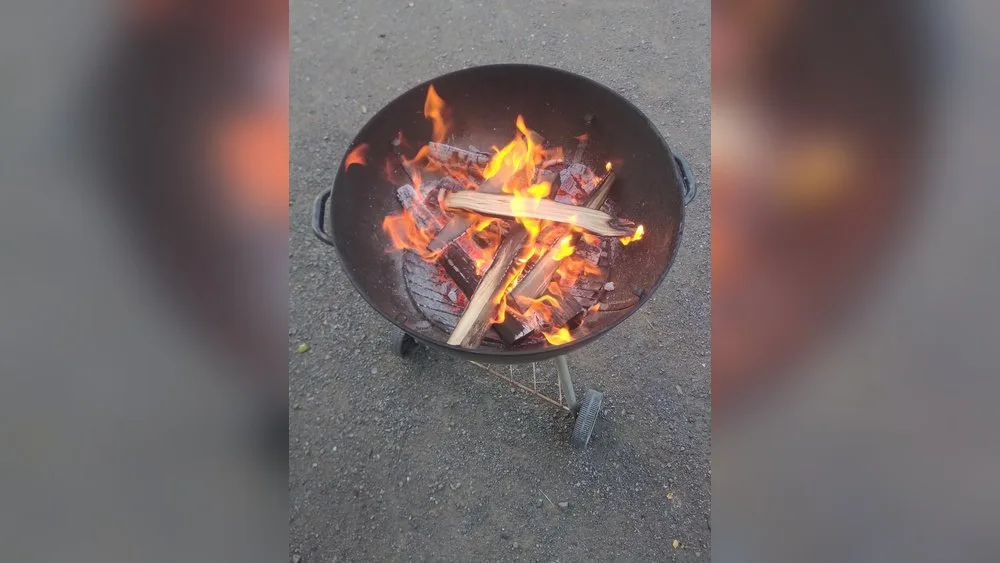
Image source: Bing (Web (fair-use with source credit))
Can you burn charcoal in a fire pit? Yes, but it's not as simple as dumping briquettes into your backyard bowl. The answer depends on what your fire pit is made of and how you plan to use it.
Many people assume that if wood burns safely in a fire pit, charcoal will too. That assumption can lead to cracked fire pits, damaged patios, or worse.
Manufacturer specifications for most fire pits assume you will burn seasoned firewood, not charcoal. Charcoal burns roughly 200 to 300 degrees hotter than a typical wood fire. That extra heat can damage fire pits made from thin steel, ceramic, or stone.
Plus, charcoal produces significantly more carbon monoxide per pound of fuel than wood does. Let's break down what you need to know before lighting that first batch.
Quick Answer
Yes, you can burn charcoal in a fire pit. But it depends on the fire pit's material. Heavy-gauge steel fire pits handle heat best.
Ceramic and stone bowls may crack. Never use charcoal indoors or in enclosed spaces.
The Short Answer: Yes, You Can Burn Charcoal in a Fire Pit
The deciding factor is your fire pit's construction material. Thick, heavy-gauge steel fire pits are the safest option for charcoal. Cast iron and stainless steel also perform well.
They can handle sustained high temperatures without warping or cracking.
Thin steel bowls are a different story. Many budget-friendly portable fire pits use thin-gauge metal that can warp under the intense heat of a charcoal fire. Once the bowl distorts, it becomes unstable and harder to clean.
Check your fire pit's user manual or look for a stamp on the bottom that lists the steel thickness. Anything under 1.5 millimeters is risky for regular charcoal use.
Ceramic and stone fire pits carry the highest risk. These materials can crack from thermal shock when exposed to charcoal's concentrated heat. A wood fire spreads heat more evenly across the surface.
Charcoal, especially when piled in a mound, creates a hot spot that can fracture a ceramic bowl in under 30 minutes.
If you are shopping for a new fire pit specifically for charcoal use, look for models that are rated for multiple fuel types. These are designed for the higher heat output and airflow needs of charcoal. They typically have thicker walls, reinforced bottoms, and adjustable vents.
You can also find budget-friendly options that work well with charcoal if you stick to heavy-gauge steel.
| Fire Pit Material | Charcoal Safe? | What to Watch For |
|---|---|---|
| Heavy-gauge steel | Yes | Best choice, handles high heat |
| Cast iron | Yes | Durable, but can rust over time |
| Stainless steel | Yes | Good heat resistance |
| Thin steel | Conditional | May warp under sustained heat |
| Ceramic | No | High risk of cracking |
| Stone / concrete | No | Spalling and cracking risk |
| Copper | No | Too soft, heat damage likely |
Why Charcoal Burns Differently Than Wood in a Fire Pit
Charcoal is wood that has been processed to remove most of its moisture and volatile compounds. The result is a fuel that burns hotter, longer, and with less visible smoke than raw firewood. That sounds great, but it also means charcoal behaves differently inside a fire pit.
The key difference is temperature. A typical wood fire burns between 500 and 800 degrees Fahrenheit depending on the wood species and how well it is seasoned. Charcoal, by contrast, burns between 700 and 1000 degrees Fahrenheit.
That extra heat is why charcoal is the preferred fuel for grilling steaks. But it is also why some fire pits cannot handle it.
Charcoal also has a higher energy density. A pound of charcoal contains roughly 12,000 to 13,000 BTUs. A pound of seasoned firewood contains about 7,000 to 8,000 BTUs.
That means a single load of charcoal will produce more total heat than the same weight of wood. For a fire pit designed for wood, that extra heat can stress the material and the surrounding surface.
Another difference is airflow. Charcoal needs oxygen from below to burn efficiently. Wood can burn with airflow from the sides.
Many fire pits have solid bottoms or small air intake holes that work fine for wood but starve a charcoal fire. The result is a smoldering, smoky fire that produces even more carbon monoxide. If you plan to burn charcoal regularly, choose a fire pit with an ash pan and adjustable vents at the bottom.
Finally, charcoal produces less visible smoke but more carbon monoxide. You might think a fire is safe because you see little smoke. But carbon monoxide is odorless and colorless.
You cannot see it or smell it. That makes it far more dangerous than the smoke from a wood fire, which at least gives you a visual warning.
The Real Risks: Carbon Monoxide, Heat Damage, and Fire Hazards
This is the section that matters most. Burning charcoal in a fire pit introduces risks that many people do not consider until it is too late.
Carbon monoxide poisoning is the most serious danger. Charcoal produces carbon monoxide at a higher rate than wood. When you burn charcoal in a fire pit placed inside a garage, under a covered patio, in a screened porch, or inside a tent, the CO can build up to lethal levels in minutes. The Centers for Disease Control and Prevention reports that hundreds of people die each year from accidental CO poisoning related to charcoal use.
Never use a charcoal fire pit indoors or in any partially enclosed space. Always place your fire pit at least 10 feet from your house, garage, or any structure.
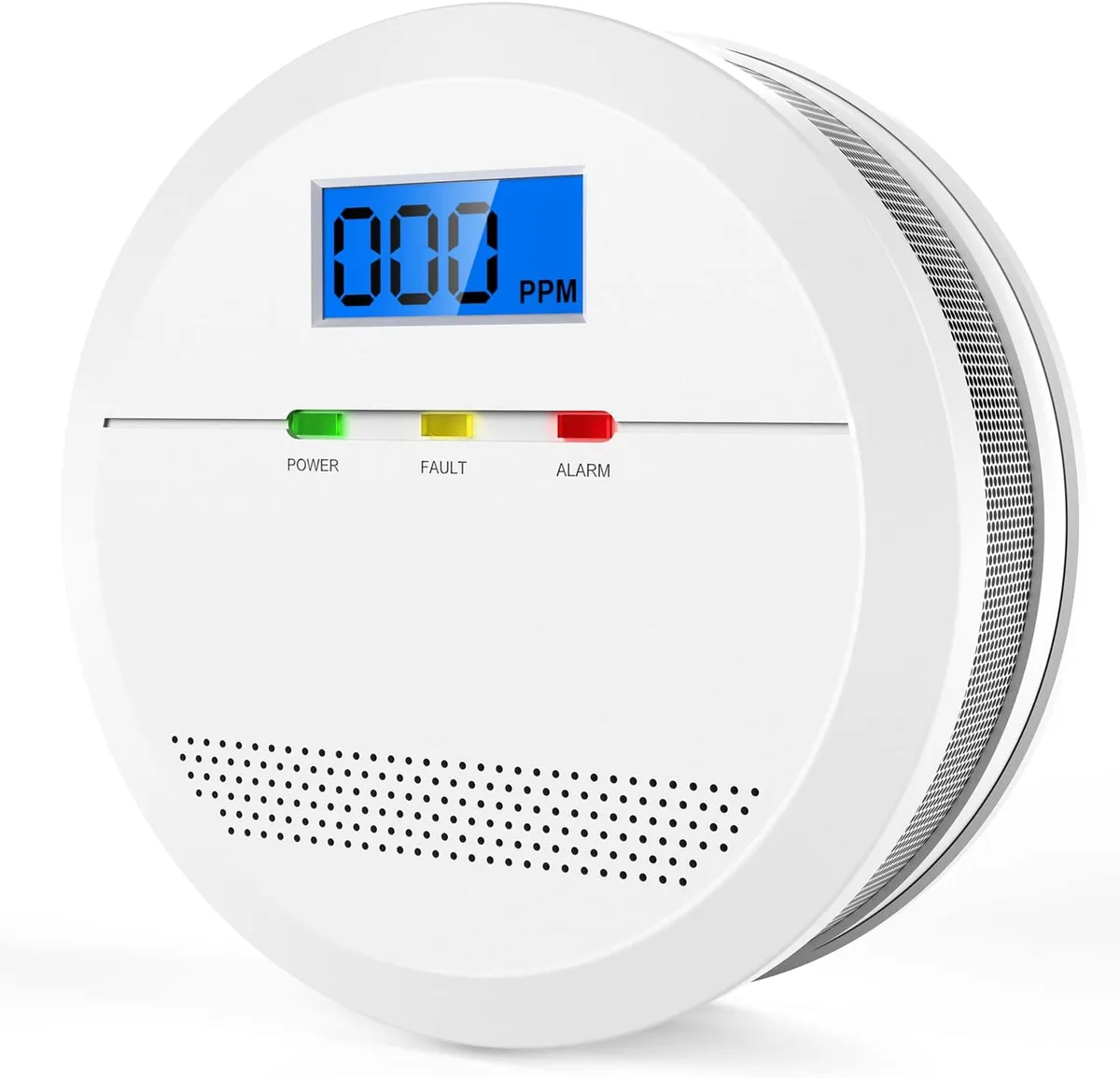
Image source: Bing (Web (fair-use with source credit))
Symptoms of carbon monoxide poisoning start with headache, dizziness, and nausea. Continued exposure leads to confusion, loss of consciousness, and death. If you or anyone near the fire pit feels lightheaded, move to fresh air immediately and call emergency services.
Do not wait for symptoms to improve on their own.
Heat damage to the fire pit itself is the second major risk. As we covered earlier, charcoal's higher temperature can warp thin steel bowls and crack ceramic or stone fire pits. But the damage does not stop there. The intense heat can also damage the surface underneath the fire pit.
Concrete patios can spall and crack when exposed to sustained high heat from a charcoal fire. Grass underneath a portable fire pit can dry out and catch fire. Always place your fire pit on a non-flammable surface like gravel, brick, or a fire-resistant mat.
Fire hazards from improper ash disposal are another risk. Charcoal embers can stay hot for 12 to 24 hours after the visible flame is gone. Never dump charcoal ash into a plastic trash can, a cardboard box, or a paper bag. Use a metal container with a tight-fitting lid.
Wet the ash down before sealing the container. Store the container away from your house, deck, or garage.
Which Fire Pits Can Handle Charcoal and Which Ones Cannot
Not all fire pits are created equal when it comes to charcoal. Let's go through the most common types.
Heavy-gauge steel fire pits are your best bet. These are typically made from steel that is 2 millimeters thick or more. They are designed to handle high heat without warping. Many of the best-rated fire pits for outdoor living spaces use heavy-gauge steel.
They also tend to have better airflow systems, which helps charcoal burn cleanly.
Multi-fuel fire pits are specifically designed for charcoal. These models are built to burn wood, charcoal, or sometimes pellets. They have reinforced bowls, adjustable vents, and ash pans that make charcoal use safe and convenient. If you plan to burn charcoal regularly, a multi-fuel model is worth the investment.
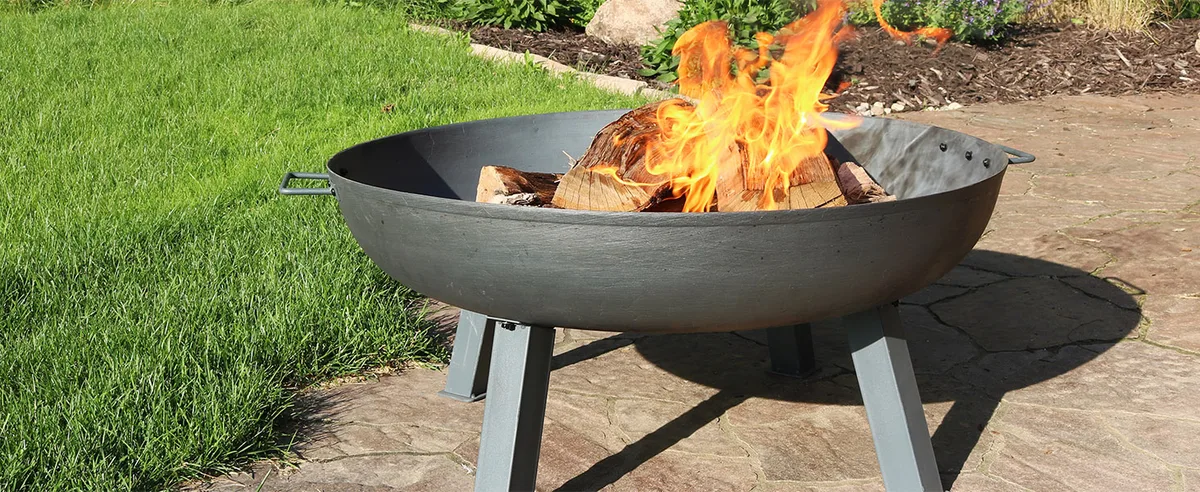
Image source: Bing (Web (fair-use with source credit))
Smokeless fire pits can work with charcoal, but check the manufacturer's specs first. Some smokeless fire pits use a double-wall design that creates a secondary combustion. This design works well with wood but can overheat with charcoal if the airflow is too restricted. One popular smokeless fire pit brand explicitly states that using charcoal voids the warranty.
Always read the fine print before lighting charcoal in a smokeless fire pit.
Ceramic chimineas and fire pits are a hard no. These are beautiful and great for wood fires. But they cannot handle the concentrated heat of charcoal. The thermal shock of a charcoal fire can crack a ceramic bowl in a single use.
Do not risk it.
Stone and concrete fire pits are also risky. The heat from charcoal can cause moisture trapped inside the stone to expand rapidly. This leads to spalling and cracking. If you have a built-in stone fire pit, stick to wood.
Portable folding fire pits are usually too thin. These lightweight fire pits are great for camping. But they are not designed for charcoal's heat. The thin metal can warp, and the legs can become unstable.
Use only wood in a portable folding fire pit.
How to Burn Charcoal in a Fire Pit Safely, Step by Step
If you have confirmed your fire pit can handle charcoal, follow these steps.
Step 1: Check your fire pit's material and warranty. Look at the user manual or the manufacturer's website. If the manual says "wood only," do not use charcoal. Using charcoal in a fire pit that is not rated for it can void your warranty and create a safety hazard.
Step 2: Place the fire pit on a non-flammable surface. Concrete, brick, gravel, or a fire-resistant mat all work. Never place a charcoal fire pit directly on grass, a wooden deck, or dry leaves. The heat from the bottom of the fire pit can ignite the surface underneath.
Step 3: Use a chimney starter or electric starter to light the charcoal. Never use lighter fluid, gasoline, or kerosene. These accelerants create large, unpredictable flames. They can also leave chemical residues that taint your food if you plan to cook.
A chimney starter is cheap, safe, and lights charcoal in about 15 minutes without any chemicals.
Step 4: Arrange the charcoal for even airflow. Spread the charcoal in a single layer with small gaps between the briquettes. Do not pile them into a mountain. Good airflow means less smoke and more complete combustion.
If your fire pit has adjustable vents, open them fully during the lighting phase.
Step 5: Wait for the charcoal to develop a thin layer of gray ash. This usually takes 15 to 20 minutes. The gray ash means the charcoal is at its peak temperature and ready for cooking or heating. Do not add more charcoal until the existing batch has burned down significantly.
Step 6: Add more charcoal as needed, but do not overfill. A fire pit is not a charcoal grill. You do not need a deep bed of charcoal. Two to three inches is plenty for most fire pits.
Adding too much charcoal can create a dangerously hot fire that damages the bowl and the surface underneath.
Step 7: Extinguish the fire completely when you are done. The safest method is to pour water over the charcoal and stir it with a metal tool until all embers are out. You can also use sand to smother the fire. Do not leave a charcoal fire to burn out on its own.
Embers can stay hot for hours and can reignite if the wind picks up.
Step 8: Dispose of the ash in a metal container with a tight lid. Let the ash cool for at least 24 hours before moving the container. Wet the ash down before sealing it. Store the container away from your house.
Step 9: Wait 24 hours before covering or moving the fire pit. Even after the fire is out, the metal can still be hot enough to cause burns or ignite nearby materials. Give it a full day to cool down completely.
Common Mistakes That Can Ruin Your Fire Pit or Worse
Using lighter fluid or gasoline to start charcoal. This is the most common mistake, and it is also the most dangerous. Lighter fluid creates a sudden flare-up that can reach 1500 degrees Fahrenheit. That burst of heat can crack a ceramic bowl or warp thin steel before the fire even settles down.
The chemical residue also taints the air and any food you might cook. Use a chimney starter instead. It costs about 15 dollars and eliminates the need for accelerants entirely.
Burning charcoal in a fire pit that says "wood only." Some manufacturers explicitly prohibit charcoal because the higher heat can damage the fire pit or void the warranty. If you cannot find the manual, check the manufacturer's website. A quick search will tell you whether your specific model is rated for charcoal.
Ignoring this warning can lead to a cracked bowl, a warped grate, or a fire that spreads beyond the pit.
Leaving the fire unattended. Charcoal fires can reignite hours after they appear to be out. A gust of wind can blow embers onto dry grass, leaves, or a wooden deck. Never leave a charcoal fire burning when you go inside.
Extinguish it completely before walking away. This is a fire safety rule that prevents thousands of house and wildland fires every year.
Dumping hot ash directly into a trash can. Charcoal embers can stay hot for 12 to 24 hours. When you mix hot ash with paper, plastic, or other trash, you create a fire hazard. Use a metal ash bucket with a tight lid.
Store it away from your house. Wait at least 24 hours before disposing of the ash in your regular trash.
Burning charcoal in a fire pit placed on a wooden deck. Charcoal generates intense heat from the bottom of the fire pit. That heat can dry out the wood underneath and eventually cause it to ignite. If you must use a fire pit on a deck, place a fire-resistant mat underneath.
Even then, check the mat regularly for signs of heat damage. The safest surface for a charcoal fire pit is gravel, brick, or concrete.
Frequently Asked Questions About Burning Charcoal in a Fire Pit
Can I use charcoal briquettes in any fire pit?
No. Only fire pits made from heavy-gauge steel, cast iron, or stainless steel can safely handle the higher heat of charcoal. Thin steel, ceramic, stone, and copper fire pits are not recommended.
Always check the manufacturer's specifications before lighting charcoal.
How much charcoal should I use in a fire pit?
Two to three inches of charcoal is enough for most fire pits. That is about half a standard 8-pound bag. Overfilling creates dangerously high heat that can damage the fire pit and the surface underneath.
Start with less and add more if needed.
Is charcoal safer than wood in a fire pit?
No. Charcoal burns hotter and produces more carbon monoxide than wood. It also requires more careful disposal because embers stay hot longer.
Wood is the safer fuel for most fire pits, especially if you are using a model that is not specifically rated for charcoal.
Can I cook food over charcoal in a fire pit?
Yes, but you need a cooking grate that fits securely over the fire pit. Charcoal reaches grilling temperatures faster than wood. Allow the charcoal to develop a gray ash layer before placing food on the grate.
This takes about 15 to 20 minutes.
How do I put out a charcoal fire in a fire pit?
Pour water over the charcoal and stir it with a metal tool until all embers are out. You can also use sand to smother the fire. Never leave a charcoal fire to burn out on its own.
Embers can stay hot for hours and can reignite.
Can I use charcoal in a smokeless fire pit?
Some smokeless fire pits are rated for charcoal, but many are not. Check the manufacturer's specifications before lighting charcoal. Using charcoal in a fire pit that is not designed for it can void the warranty and create a safety hazard.