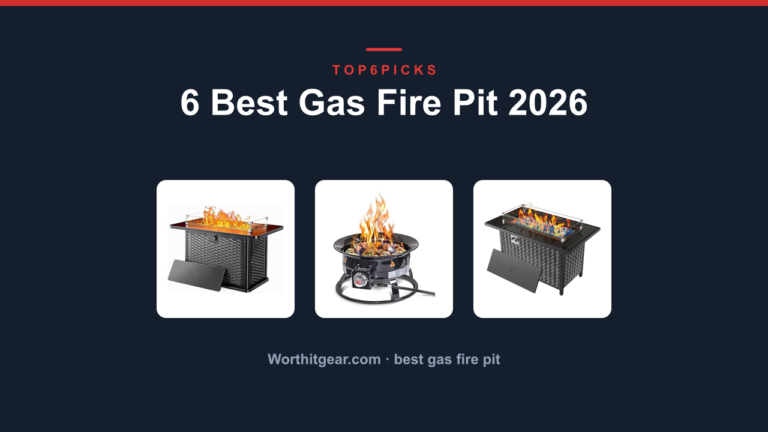
What Is the Best Fuel for a Fire Pit
If you've ever stood in the fire pit aisle wondering what is the best fuel for a fire pit, you're not alone. The answer depends on how you plan to use it, where you live, and what kind of experience you want.
Your choice of fuel directly affects burn time, heat output, and safety. Per NFPA standards, a standard 20-pound propane tank holds about 4.7 gallons of fuel and delivers roughly 91,500 BTUs per gallon. A cord of seasoned hardwood averages around 20 million BTUs total.
Let's break down the three main options.
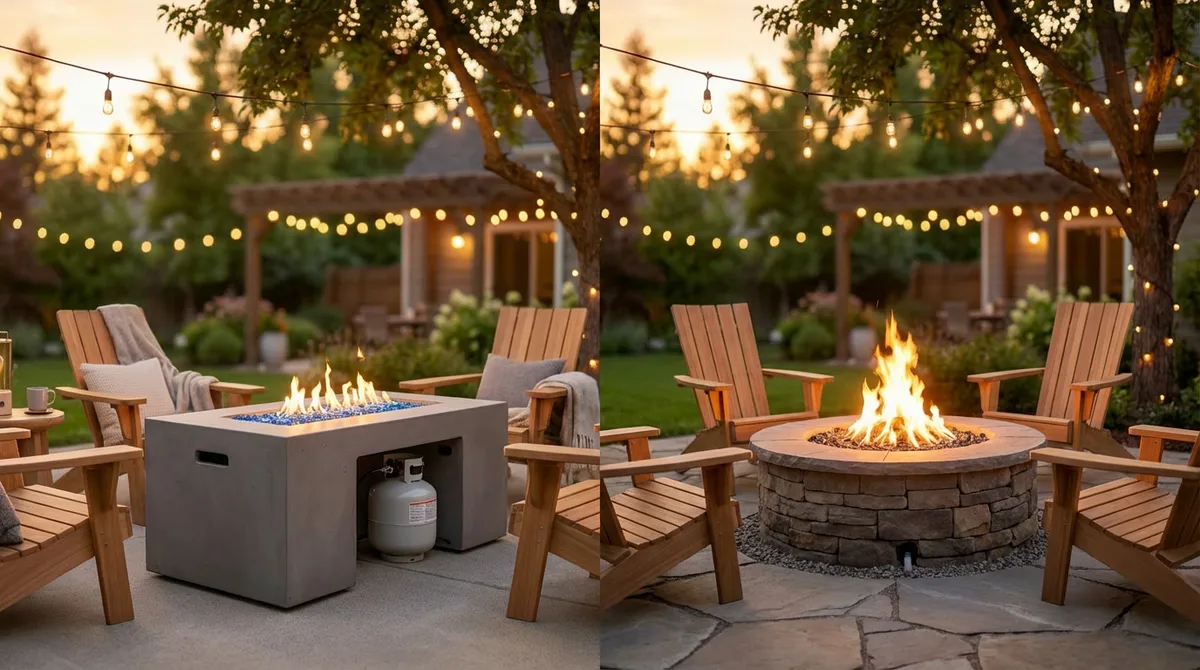
Image source: Bing (Web (fair-use with source credit))
Quick Answer
The best fuel depends on your priorities. For convenience and instant heat, choose propane or natural gas. For the classic campfire experience at the lowest cost, pick seasoned hardwood.
Natural gas gives unlimited runtime if you have a permanent line. Propane is portable and safe for decks. Wood is messy but rewarding.
Why Picking the Right Fuel Actually Matters
Most people think a fire pit is just a fire pit. The fuel seems like a minor detail. But your choice will shape every session around that flame.
Convenience is the biggest hidden cost. A wood fire takes 15 to 30 minutes of prep. You need kindling, matches, and patience. Gas fires light in seconds.
One push of a button gives you a steady flame. That difference matters when you want to relax after a long day.
The cleanup difference is huge. Wood leaves ash, soot, and sometimes creosote residue. You shovel out the ash after every few burns. Propane and natural gas leave nothing behind.
No ash. No smoke smell on your clothes. No mess to deal with the next morning.
Safety changes with the fuel too. A wood fire throws sparks and embers. That is a real risk on a wooden deck or near dry grass. Gas fires burn clean without flying embers.
That is why many HOAs and apartment buildings only allow gas fire pits.
Your total cost adds up fast. A cord of seasoned hardwood costs $200 to $400 depending on where you live. A propane tank refill runs about $15 to $20 and lasts 8 to 15 hours. If you burn every weekend, those costs stack up.
We break down the exact numbers in the next section.
The Three Main Contenders: Wood, Propane, and Natural Gas
You have three real options for fueling a fire pit. Each one works differently, costs differently, and fits a different lifestyle.
Wood
Wood is the original fire pit fuel. You stack split logs, light them, and enjoy the crackling sound and campfire smell. It is the most traditional experience you can get.
Seasoned hardwood is the gold standard. Wood that has been split and dried for 6 to 12 months has a moisture content below 20 percent. It lights easier, burns hotter, and produces far less smoke than green wood.
Kiln-dried wood is even better, with moisture content around 10 to 15 percent, but it costs more.
The downsides are real. You need a dry place to store wood. You have to haul it to the fire pit.
You have to clean up ash afterward. Wood fires produce smoke, which can bother neighbors or trigger burn bans in dry seasons.
Propane
Propane is the most popular alternative to wood. It comes in portable tanks, usually the 20-pound grill tanks you see at every gas station. You connect the tank to the fire pit with a hose and regulator, and the flame is ready in seconds.
Propane burns clean. No smoke, no ash, no sparks. That makes it perfect for deck use, patio use, or anywhere you want a fire without the mess.
You can control the flame height with a simple valve. Turn it down for warmth. Crank it up for a party.
The main drawback is fuel management. You need spare tanks on hand. Running out mid-session is annoying.
In cold weather, propane tanks lose pressure, so the flame gets weaker. Per ANSI testing standards, a 20-pound tank delivers about 430,000 BTUs total. That gives you 8 to 15 hours of burn time depending on your fire pit's BTU rating.
Natural Gas
Natural gas is the king of convenience. You connect your fire pit directly to your home's gas line. No tank to refill.
No fuel to haul. No running out mid-session.
The flame is steady and clean. Natural gas burns at about 1,000 BTUs per cubic foot, so you get consistent heat output every time. The cost per hour is usually lower than propane, often around $0.50 to $1.50 per hour depending on your local utility rates.
The trade-off is the upfront cost. You need a gas line run to the fire pit location. That means trenching, permits, and a plumber.
The installation can cost several hundred to over a thousand dollars. But once it is in, you never think about fuel again.
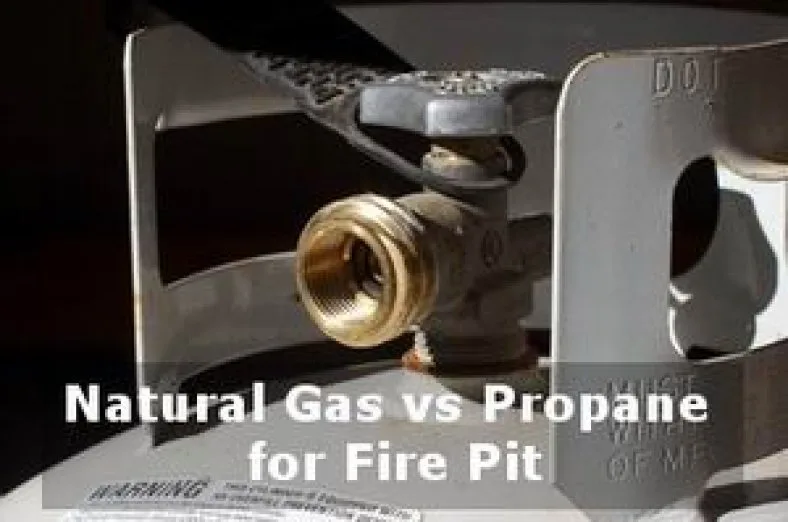
Image source: Bing (Web (fair-use with source credit))
Side-by-Side: Cost, Heat, Convenience, and Cleanup
Here is how each fuel stacks up for a typical fire pit session.
| Factor | Wood (Seasoned Hardwood) | Propane (20 lb Tank) | Natural Gas (Permanent Line) |
|---|---|---|---|
| Fuel cost per hour | $0.50 – $2.00 | $1.50 – $3.00 | $0.50 – $1.50 |
| Typical BTUs per hour | 50,000 – 80,000 | 40,000 – 60,000 | 30,000 – 60,000 |
| Burn time per fuel unit | 3–5 hours per load | 8–15 hours per tank | Unlimited (continuous supply) |
| Smoke production | Moderate to heavy | None | None |
| Ash cleanup | Yes, after each use | None | None |
| Setup time | 15–30 minutes | 1–2 minutes | Instant |
| Portability | Low (fire pit stays put) | High (tank goes with you) | None (fixed installation) |
| Best for | Ambiance, cooking, low cost | Convenience, decks, no mess | Permanent setup, no refueling |
The heat output varies by design. A wood fire can push out more BTUs per hour than a typical gas fire pit. Wood burns hotter and you can add more logs. But gas fire pits are more efficient.
They direct all the heat upward, while wood fires lose some heat to the air around the logs.
The cost difference is real. If you burn for 4 hours every weekend for a season, wood costs about $60 to $160 per season. Propane costs about $120 to $240. Natural gas costs about $40 to $120.
Over a few years, natural gas pays for the installation cost if you burn frequently.
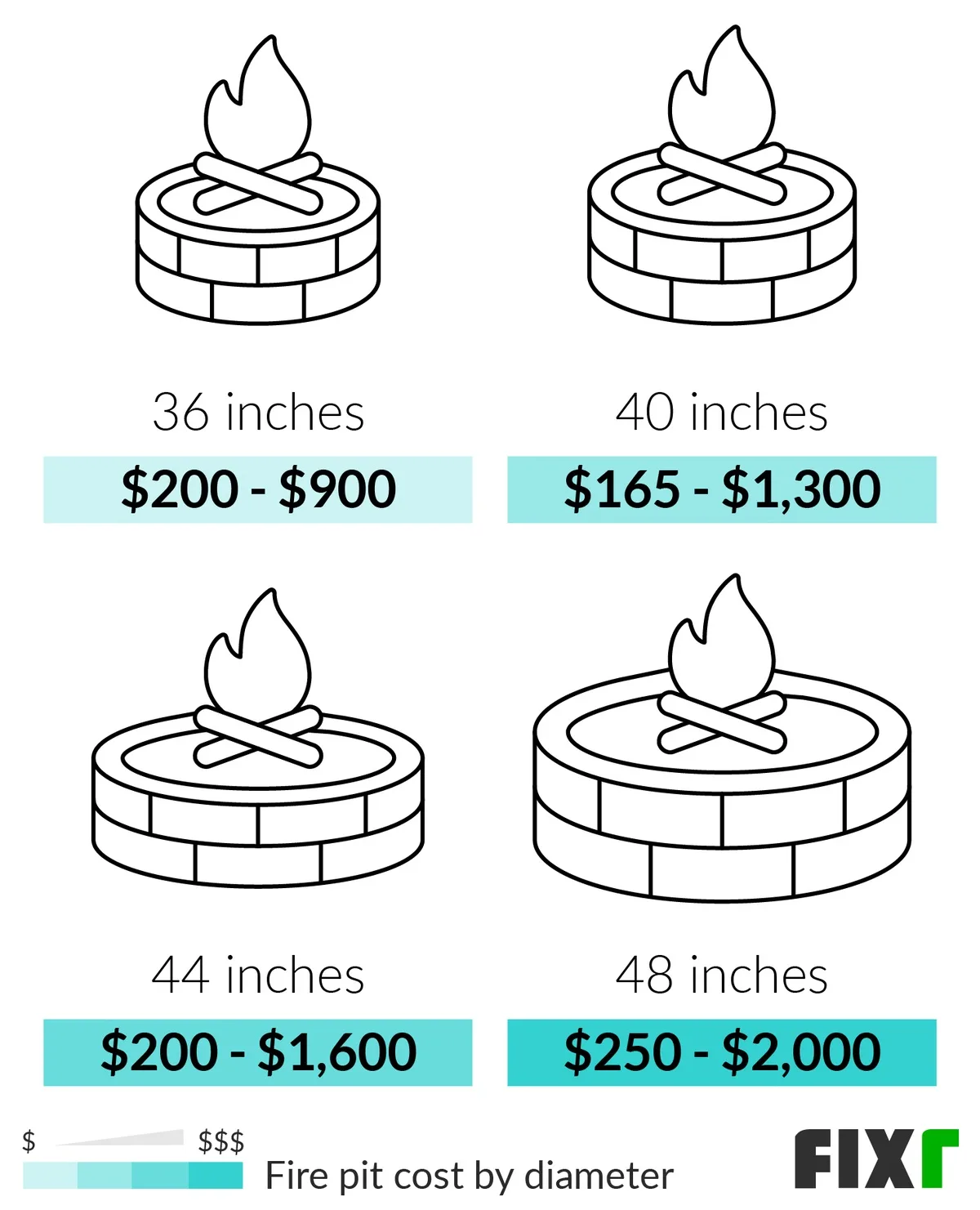
Image source: Bing (Web (fair-use with source credit))
Which Fuel Wins for Your Specific Situation
There is no single best fuel for everyone. The right choice depends on your lifestyle, your property, and your tolerance for maintenance.
Choose wood if you want the authentic campfire experience. You do not mind the prep work and cleanup. You have a place to store seasoned hardwood.
You enjoy the smell and the crackling sound. You plan to cook over the fire. You do not have HOA restrictions or burn bans in your area.
Choose propane if you want convenience without the mess. You have a deck, patio, or balcony where smoke and sparks are a problem. You want to move the fire pit around.
You do not want to deal with ash. You are okay with refilling tanks every few weeks. Our research of aggregate reviews indicates this is the most popular choice for casual backyard users.
Choose natural gas if you want the ultimate convenience. You have a permanent outdoor living space. You want to use the fire pit frequently without thinking about fuel.
You are willing to pay for the initial installation. You never want to run out of fuel mid-session.
If you are still unsure, start with propane. You can buy a propane fire pit for a low price and see if you like the experience. If you love it and want to upgrade later, you can convert it to natural gas or buy a dedicated natural gas unit. Many models are designed for dual fuel use.
Common Mistakes People Make and How to Avoid Them
Even experienced fire pit owners make mistakes. Here are the most common ones and how to skip them.
Using wet or green wood. This is the number one mistake with wood fire pits. Green wood has a moisture content above 30 percent. It smokes heavily, burns poorly, and creates creosote buildup in your fire pit.
Always use seasoned or kiln-dried wood. Check the moisture content with a meter if you can.
Letting the propane tank freeze. Propane tanks lose pressure in cold weather. Below 40 degrees Fahrenheit, the vapor pressure drops significantly. The flame gets smaller and weaker.
Keep the tank upright and protect it from wind. If you are planning a multi-day backyard setup, look into models designed for consistent performance.
Skipping the gas line leak test. Every time you connect a propane tank to a fire pit, check for leaks. Mix a little dish soap with water. Brush it on the connection points.
If you see bubbles, you have a leak. Tighten the connection or replace the hose.
Burning treated or painted wood. Never burn scrap wood from a construction site. Treated lumber contains chemicals that release toxic fumes when burned. Stick to natural hardwood or manufactured fire logs designed for outdoor use.
Ignoring local burn bans and HOA rules. Many areas restrict wood fires during dry seasons. Some HOAs ban wood fires entirely. Always check your local regulations before you buy.
A gas fire pit solves most of these restrictions.
Safety and Legal Stuff You Can't Ignore
Fire pits are enjoyable but carry real risks. Here is what you need to know before you light that first flame.
Propane tank storage matters. Per NFPA 58 guidelines, you must store propane tanks upright and outdoors. Never bring a tank inside your home or garage. Even a small leak can create a serious hazard.
Keep tanks away from heat sources and direct sunlight.
Check for gas leaks every time. It takes 30 seconds. Mix a teaspoon of dish soap with a cup of water. Brush it on all connection points.
Bubbles mean a leak. Tighten the fitting or replace the hose before lighting.
Carbon monoxide is silent and deadly. Never use a propane or natural gas fire pit indoors or in an enclosed space. That includes garages, screened porches, and tents. Even with the door open, CO can build up fast.
Per CDC guidelines, symptoms of CO poisoning include headache, dizziness, and nausea.
Respect local burn bans. Many counties issue burn bans during dry seasons. Wood fires are usually prohibited. Gas fires are often allowed because they produce no sparks or embers.
Check with your local fire marshal before you buy.
Mind your distance from structures. Your fire pit should sit at least 10 feet from your house, deck railings, and overhanging branches. Check your local building codes for exact requirements. Some areas require 15 feet or more.
Keep a fire extinguisher nearby. A garden hose is not enough. Keep a rated fire extinguisher within reach. For wood fires, a bucket of sand or water works too.
Just never use water on a grease fire if you are cooking.
Frequently Asked Questions
Can I use a regular propane tank for a fire pit?
Yes. Standard 20-pound propane tanks work with most gas fire pits. You just need a compatible hose and regulator.
Make sure the tank is upright and the connection is tight. Always perform a leak test before lighting.
How long does a 20-pound propane tank last?
A 20-pound tank holds about 4.7 gallons of propane. At a typical 40,000 BTU per hour burn rate, you get roughly 10 to 12 hours of continuous use. Higher BTU settings drain it faster.
Lower settings can stretch it to 15 hours.
Is natural gas cheaper than propane?
Yes, usually. Natural gas costs about $0.50 to $1.50 per hour of burn time. Propane costs about $1.50 to $3.00 per hour.
The exact numbers depend on your local utility rates. Natural gas requires a permanent gas line installation.
Can I convert my propane fire pit to natural gas?
Yes, most fire pits can be converted. You need a conversion kit that includes a new orifice and regulator. The process is straightforward but requires careful attention.
Always follow the manufacturer's instructions. If you are unsure, hire a licensed plumber.
What is the best fuel for a smokeless fire pit?
Propane or natural gas. They produce zero smoke. Wood smokeless fire pits use a secondary combustion system to reduce smoke, but they still produce some.
Gas is the only truly smokeless option.
How do I store firewood for a fire pit?
Keep it off the ground. Use a firewood rack or pallet. Stack it loosely to allow airflow.
Cover the top to keep rain off, but leave the sides open for ventilation. Let it season for 6 to 12 months before burning.