What Wood Is Best for a Fire Pit
You ask that question and you probably expect a single name. Oak, right? Or maybe hickory.
The real answer is more useful than that. The best wood depends entirely on what you need from the fire. Are you cooking a steak over the coals?
Warming your hands on a cold night? Or just watching the flames with a drink in hand?
Per the USDA Forest Service, a single cord of oak delivers roughly 24 million BTUs of heat. That is nearly 60 percent more than the same volume of pine. However, heat output is just one factor.
Smoke, sparks, aroma, and burn time all matter. Let's walk through the decision step by step.
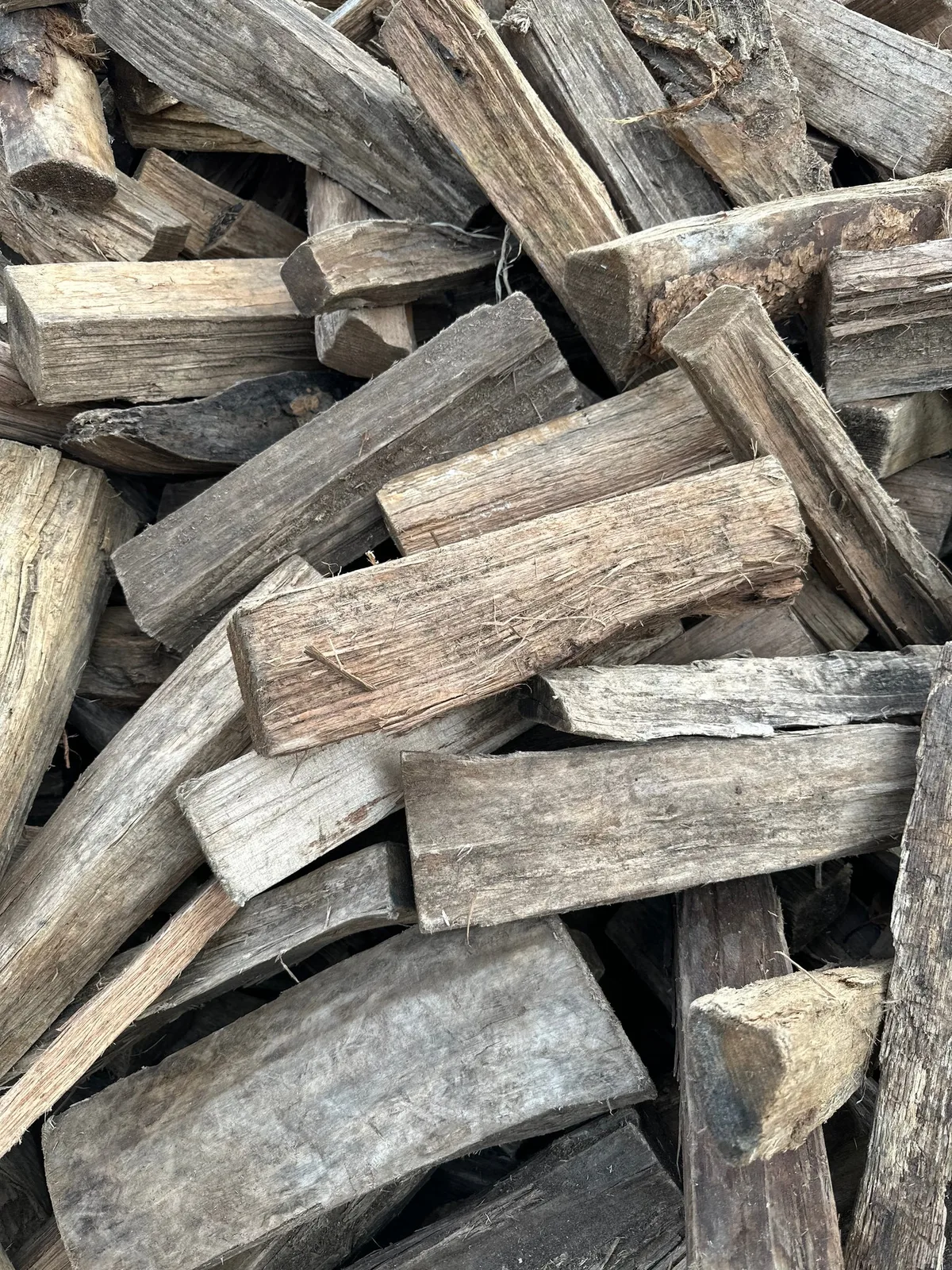
Image source: Bing (Web (fair-use with source credit))
The Short Answer (And Why You Can't Memorize One Wood Name)
For heat, use dense hardwoods like oak or hickory. For cooking, choose hardwoods that produce good coals. For ambiance, pick low-smoke hardwoods.
Always burn wood with moisture under 20 percent. Seasoned wood burns hotter and cleaner. It also produces less creosote.
The reason you cannot memorize one best wood is simple. Your fire pit is not the same as your neighbor's. Your goals are different.
The wood available in your area is different. The best choice depends on three factors. What you are doing with the fire.
Whether you are burning hardwood or softwood. And how dry the wood is.
Let's work through those three factors one by one.
Step One: What's Your Fire Pit Actually For?
The first question is not about wood. It is about your fire pit. What are you trying to do with it?
If you are cooking, you want wood that produces a long-lasting bed of hot coals. You also want minimal smoke. Too much smoke ruins the flavor of your food.
Hardwoods like oak, hickory, and mesquite are excellent for cooking. They burn hot and steady. They also create a nice bed of coals for even heat.
If you have a dedicated fire pit for cooking, a model built for your patio handles these woods well.
If you are just gathering for ambiance, smoke is your enemy. You want a clean burn with low smoke and a pleasant smell. Fruit woods like apple and cherry are great for this.
They burn with a mild fragrance and produce very little smoke. They also create a nice flame. Softwoods like cedar can work too, but they spark more.
If smoke bothers you, consider a cleaner burning option.
If you are heating a space, BTUs are your priority. You want the densest hardwood you can find. Oak, hickory, and beech are top choices.
They burn for hours and throw off serious heat. Softwoods like pine burn fast and hot but do not last. You will need to reload the fire pit constantly.
If you have a flexible fuel design, you have more options. Many of these models can handle both wood and charcoal. This gives you room to switch between fuel types.
The best multi-fuel units are designed to handle different fuels efficiently.
Step Two: Hardwood or Softwood — The Real Difference
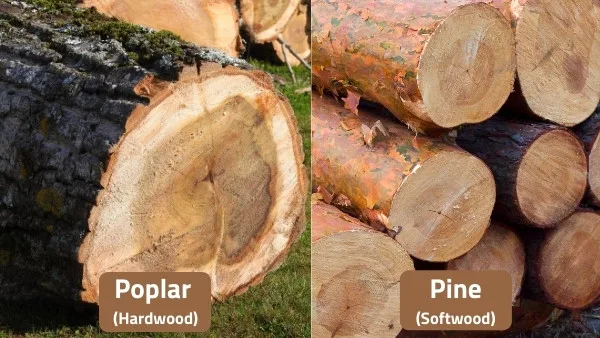
Image source: Bing (Web (fair-use with source credit))
This is the most important distinction in firewood. Hardwoods come from deciduous trees. Softwoods come from conifers.
The difference is not actually about hardness. It is about density and resin content.
Hardwoods are denser. They contain less resin. They burn longer and produce more heat per log.
They also produce less smoke and less creosote. Creosote is the sticky residue that builds up in chimneys and fire pits. It is flammable and dangerous.
Hardwoods produce far less of it.
Softwoods are less dense. They contain more resin. They burn faster and produce more smoke.
They also spark more. Pine and fir are notorious for throwing embers. This can be a problem if you are sitting close to the fire.
However, softwoods are easier to light. They make excellent kindling.
Here is a quick comparison.
| Factor | Hardwood (Oak, Hickory, Maple) | Softwood (Pine, Fir, Cedar) |
|---|---|---|
| BTU per cord | 20-26 million | 15-18 million |
| Burn time per log | 2-4 hours | 1-2 hours |
| Smoke production | Low to moderate | Moderate to high |
| Sparking | Low | High |
| Creosote buildup | Low | High |
| Ease of lighting | Harder | Easier |
| Aroma | Mild to pleasant | Resinous, sometimes strong |
| Best for | Heat, cooking, ambiance | Kindling, quick fires |
If you want a fire that lasts all evening, choose hardwood. If you want a quick fire for a short gathering, softwood is fine. Fire pits with all-season performance often handle both types, but they perform better with hardwood.
Step Three: The Moisture Factor That Changes Everything
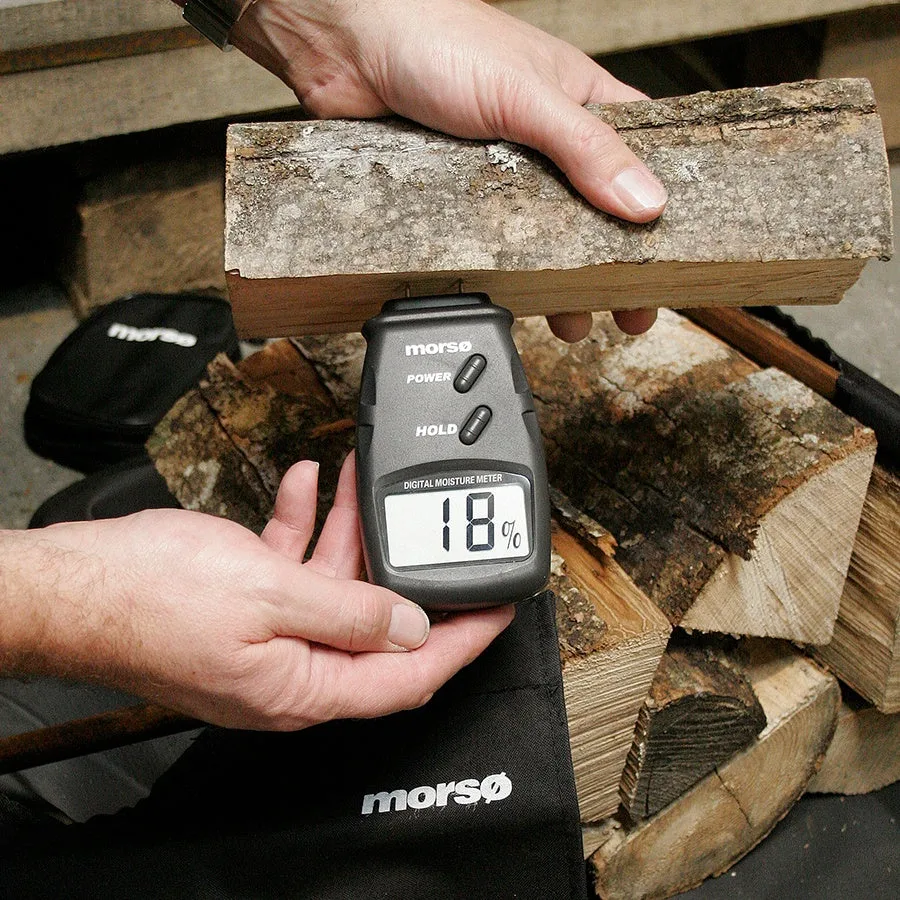
Image source: Bing (Web (fair-use with source credit))
You can buy the best hardwood in the world. If it is wet, it will perform terribly. Moisture content is the single biggest factor in fire quality.
Wet wood produces massive amounts of smoke. It burns at a lower temperature. It creates more creosote.
It is harder to light.
The ideal moisture content for firewood is under 20 percent. You can measure this with a moisture meter. They cost around 20 dollars and are worth every penny.
Simply split a log and insert the probes into the fresh split. If the reading is above 20 percent, the wood needs more time to dry.
Seasoning is the process of drying wood. It takes time. For most hardwoods, you need at least 6 to 12 months of seasoning.
Softwoods dry faster, usually 6 to 9 months. The wood needs to be split, stacked off the ground, and covered on top. The sides should be open to let air circulate.
Here is a rough guide for seasoning times.
| Wood Type | Seasoning Time |
|---|---|
| Oak | 12-18 months |
| Hickory | 12-18 months |
| Maple | 9-12 months |
| Birch | 6-9 months |
| Ash | 6-9 months |
| Pine | 6-9 months |
| Cedar | 6-9 months |
Burning green wood is a common mistake. It creates a smoky, smoldering fire. It also leaves a lot of ash.
If you have a model with simple ash removal, you will still have to empty it more often. The best easy-clean designs handle ash well, but they cannot fix wet wood.
You can also buy kiln-dried wood. This wood has been dried in a kiln to reduce moisture quickly. It is more expensive but ready to burn immediately.
It also produces less smoke and more heat. If you want a clean fire with minimal effort, kiln-dried hardwood is the best choice.
The Best Wood for Each Situation (Pulled Together)
Now we can pull everything together. Based on your fire pit type and your goals, here are the best wood choices.
For cooking and grilling
Use oak, hickory, mesquite, or apple. These woods produce good coals and add flavor. Avoid softwoods completely.
They produce resin that can ruin your food.
For maximum heat
Use oak, hickory, or beech. These are the densest hardwoods. They burn for hours and produce the most BTUs.
A cord of oak can heat a fire pit for a full winter season.
For low smoke and ambiance
Use cherry, apple, or alder. These burn cleanly with a pleasant smell. They produce a nice flame without excessive smoke.
Your guests will not smell like a campfire.
For a quick fire
Use pine or birch. These light easily and burn hot. They are great for a short gathering.
Just watch for sparks. Use a spark screen if you have one.
For budget-friendly fires
Use whatever hardwood is local to your area. In the Northeast, that is often oak or maple. In the Southeast, it is oak and hickory.
In the West, it is pine and fir. Local wood is cheaper. It also supports your local economy.
If you have a fire pit on a gravel surface, you have more flexibility with wood types. The gravel provides a non-combustible surface. You can burn hotter fires without worrying about damage.
The best fire pits for gravel surfaces are designed for this.
If you are on a budget, you can still get good wood. Ask local tree services for free wood. They often drop off logs for free.
You just need to split and season it yourself. A budget-friendly design works fine with any seasoned hardwood.
Mistakes That Kill Your Fire (Or Your Safety)
You can pick the perfect wood. You can season it for a year. One wrong move and the whole thing goes sideways.
Here are the most common mistakes we see.
Burning green wood. This is mistake number one. Wet wood smolders. It produces thick, acrid smoke.
It also creates a lot of creosote. That sticky residue coats your fire pit and any nearby surfaces. It can even become a fire hazard in enclosed pits.
Always check moisture content before you burn.
Burning treated or painted wood. Never burn construction scraps. Pressure-treated lumber, pallets, and painted wood release toxic chemicals. These include arsenic and chromium.
You do not want those in your lungs or your food. Stick to natural, untreated wood only.
Using softwoods for cooking. Pine and fir contain resin. That resin burns and creates a sticky soot. It also produces a strong, unpleasant taste.
Your steak will taste like turpentine. Use hardwoods for cooking. Save the softwood for kindling or quick fires.
Overloading the fire pit. A fire needs air to breathe. If you stack too many logs, you smother the flames. You get a smoky, low-temperature fire.
Start with a small fire and add logs gradually. Give each log room to breathe.
Ignoring spark screens. Some woods throw more sparks than others. Pine, cedar, and fir are notorious for this. If you are using softwoods, always use a spark screen.
This prevents burns and accidental fires. It also keeps your patio furniture safe.
Storing wood wrong. Wet wood stored on the ground will rot. It will also attract pests. Stack your wood off the ground.
Cover the top but leave the sides open. This allows air to circulate and moisture to escape.
Frequently Asked Questions
How long does it take to season firewood?
Most hardwoods need 6 to 12 months. Oak and hickory can take up to 18 months. Softwoods dry faster, usually 6 to 9 months.
The key is splitting the wood first. Whole logs take much longer to dry.
Can I burn pine in my fire pit?
Yes, but with caution. Pine burns hot and fast. It also produces a lot of smoke and sparks.
Use it for kindling or quick fires. Do not use it for cooking. Always use a spark screen with pine.
What is the best wood for cooking over a fire pit?
Hardwoods are best for cooking. Oak, hickory, mesquite, and apple are top choices. They produce good coals and add flavor.
Avoid softwoods completely. They contain resin that ruins food.
How do I know if my firewood is dry enough?
Use a moisture meter. Split a log and insert the probes into the fresh split. The reading should be under 20 percent.
Dry wood also sounds hollow when you knock two pieces together. It has cracks in the ends.
Is kiln-dried wood worth the extra cost?
Yes, if you want convenience. Kiln-dried wood is ready to burn immediately. It produces less smoke and more heat.
It costs more than seasoned wood. But it saves you the time and effort of drying it yourself.
What wood produces the least smoke?
Hardwoods produce the least smoke. Oak, ash, and beech are excellent choices. Cherry and apple also burn cleanly.
The key is dry wood. Even the best hardwood will smoke if it is wet.