
What Can You Burn in a Fire Pit
If you're wondering what can you burn in a fire pit, the short answer is: dry, natural wood. But the real answer depends on your fire pit type, your local laws, and whether you care about smoke, safety, and your neighbors' patience.
The U.S. Environmental Protection Agency reports that burning unseasoned wood releases up to 40 percent more particulate matter than dry, seasoned wood. That extra smoke isn't just a nuisance.
It's a health concern and a fire hazard. Getting your fuel right is the first step to a safe, enjoyable fire.
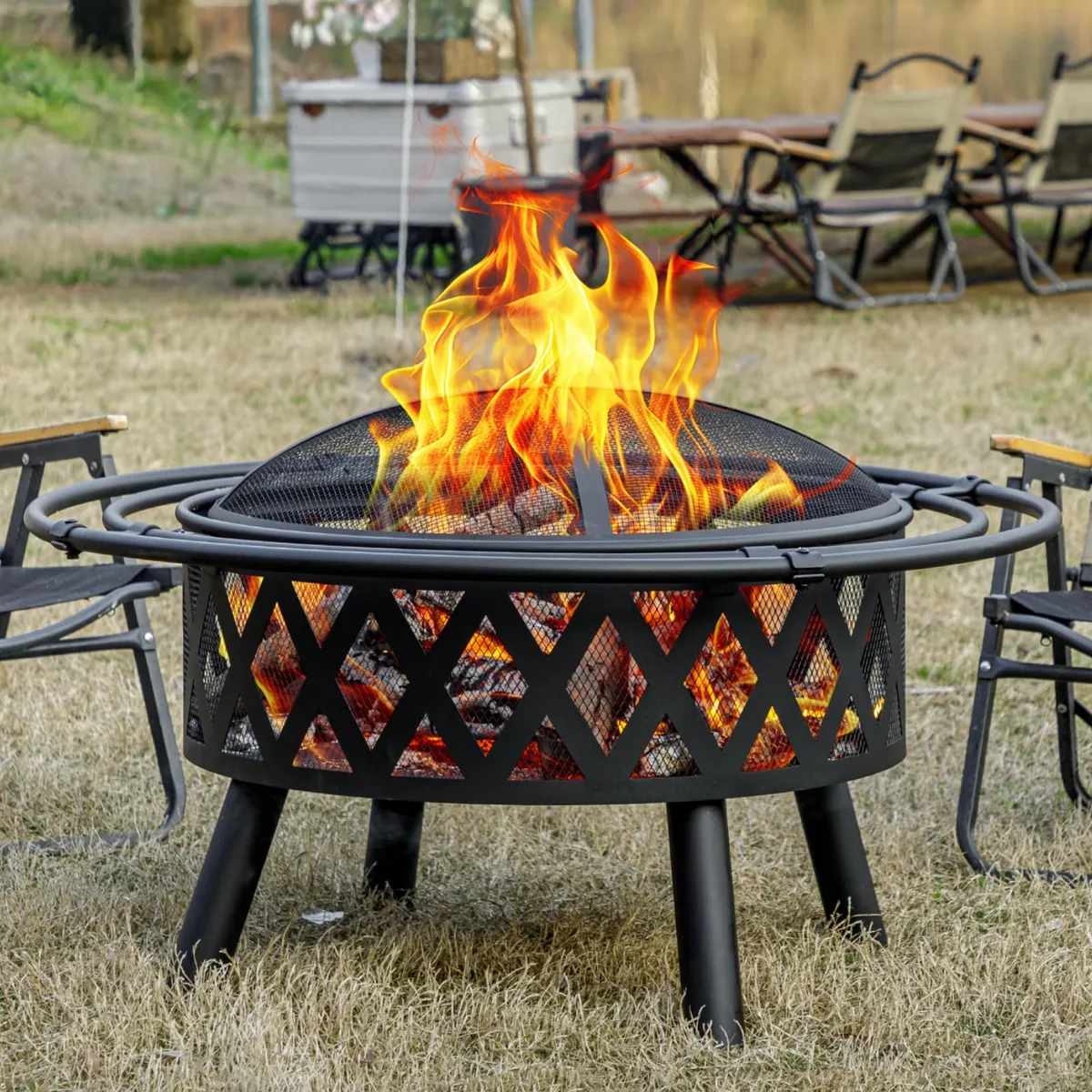
Image source: Bing (Web (fair-use with source credit))
Quick Answer
Burn only seasoned hardwood, kiln-dried firewood, or manufactured fire logs. Never burn treated lumber, trash, plastic, or wet wood. Always check local burn bans before lighting a fire.
A clean, safe fire starts with dry, natural fuel.
The Real Stakes: Why It Matters What You Burn
A fire pit is a source of warmth, light, and good company. But the fuel you feed it determines whether you get a cozy evening or a smoky disaster. The wrong materials can release toxic fumes, damage your fire pit, or create a fire hazard that spreads beyond your patio.
When you burn wood that's too wet, the fire smolders instead of burning cleanly. That produces creosote, a sticky, flammable residue that builds up in your fire pit and chimney. Over time, creosote can ignite inside the structure, causing a chimney fire that can spread to your home.
The National Fire Protection Association has clear guidelines about fire pit placement and fuel. They recommend keeping a fire pit at least 10 feet from any structure, and using only dry, natural wood. As of 2026, these standards remain the baseline for safe outdoor burning.
The stakes go beyond your property. Toxic smoke from burning treated wood or trash can harm your neighbors and the environment. And in some areas, the wrong fuel can land you a fine.
The choice matters more than most people think.
What You Can Burn in a Fire Pit (The Safe List)
The safest and most reliable fuel for a wood-burning fire pit is seasoned hardwood. Oak, hickory, maple, ash, and birch all burn hot and clean when properly dried. These woods produce a steady flame, minimal smoke, and a pleasant aroma that doesn't overpower your backyard.
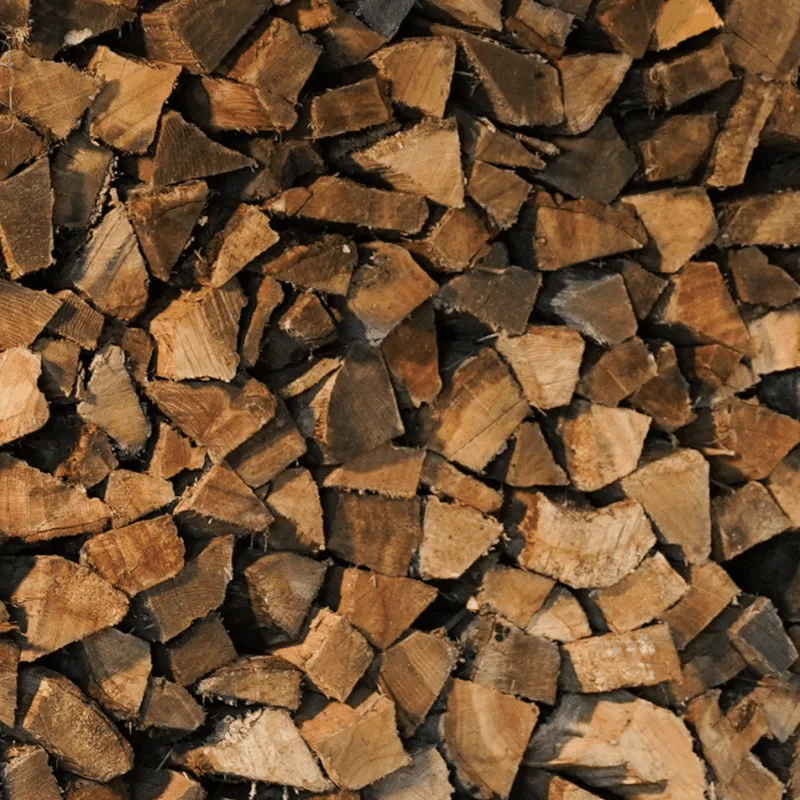
Image source: Bing (Web (fair-use with source credit))
Here's what you can safely burn in a standard fire pit:
- Seasoned hardwood. Split, dried for at least 6 to 12 months, with moisture content under 20 percent.
- Kiln-dried firewood. Dries faster and burns even cleaner than air-seasoned wood. It costs more but produces less smoke.
- Manufactured fire logs. Pressed sawdust and wax logs designed for fireplaces. They burn consistently and produce minimal ash.
- Hardwood lump charcoal. Great for cooking over a fire pit. It burns hotter than regular wood with less smoke.
- Natural tinder. Fatwood, birch bark, pine needles, or dried leaves for starting the fire.
- Wood pellets. Only if your fire pit is designed for them. They feed a controlled burn and produce very little ash.
If you prefer a gas fire pit, you're limited to propane or natural gas. These are clean-burning fuels that produce no smoke and require no seasoning. They're the easiest option for a no-fuss, instant fire.
For a setup that keeps things simple, look into models with push-button ignition. They make lighting a fire as easy as turning on a stove.
Aim for wood that is dry, split, and free of bark where possible. The bark holds moisture and produces more smoke. The drier the wood, the cleaner the burn.
What You Should Never Burn in a Fire Pit (The Danger List)
Some materials are dangerous to burn in any fire pit. They release toxic fumes, damage your equipment, or create fire hazards that can get out of control fast.
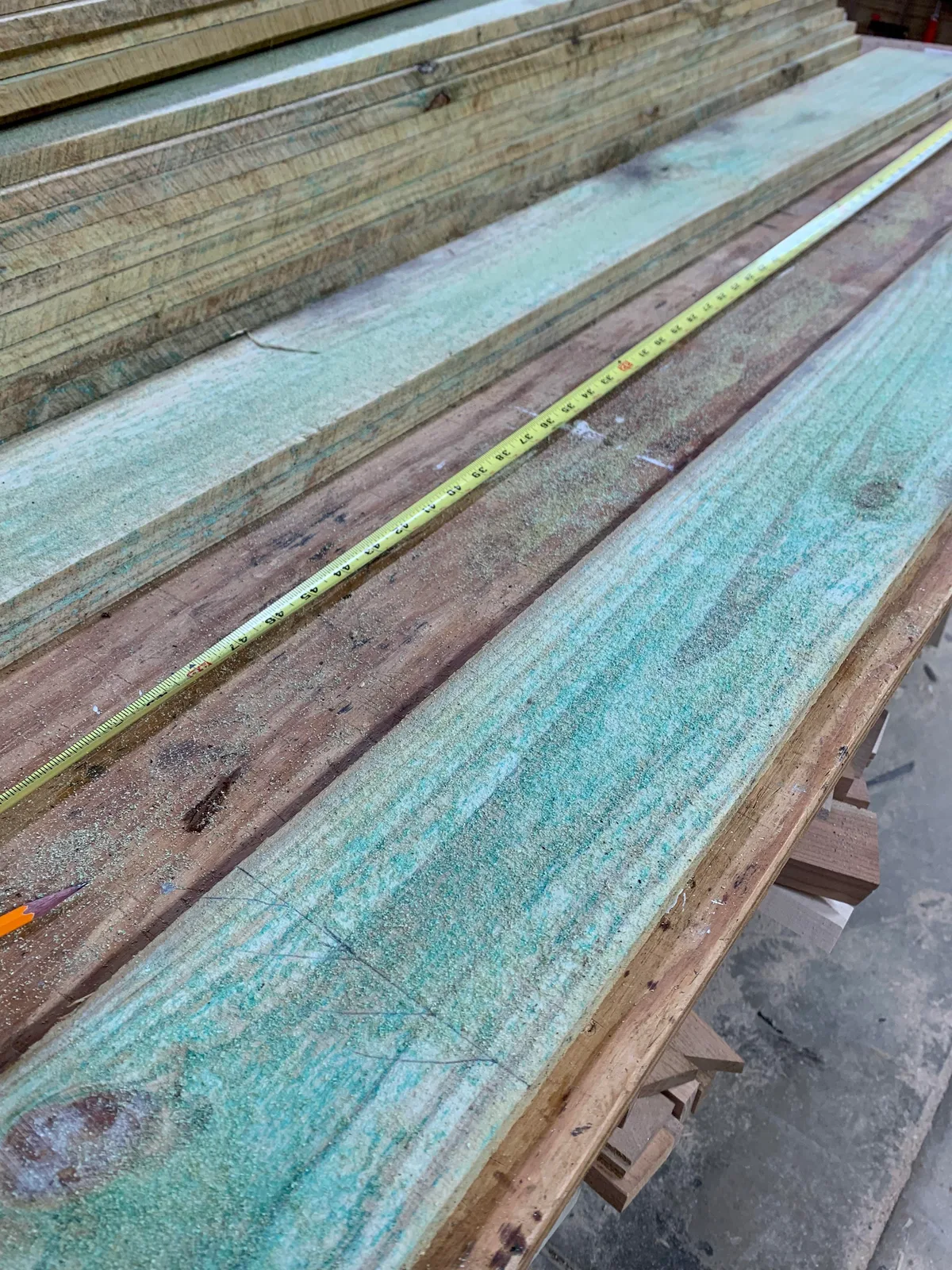
Image source: Bing (Web (fair-use with source credit))
Here's what you should never put in a fire pit:
- Treated lumber, pallets, or railroad ties. Pressure-treated wood contains arsenic, chromium, and copper. Burning it releases toxic heavy metals into the air. The ash is also hazardous.
- Plywood, particleboard, or MDF. These are held together with glues and resins that release formaldehyde and other carcinogens when burned.
- Trash or garbage. Plastic, foam, rubber, coated paper, and food packaging all produce poisonous gases. Never burn household waste in a fire pit.
- Cardboard with colored ink. The colored inks and coatings contain heavy metals. Burning them releases toxic fumes. Plain brown cardboard is safer but still produces lots of fly ash.
- Yard waste. Leaves, grass clippings, and pine needles create dense, acrid smoke and burn unpredictably with lots of sparks. Leaves can also contain pesticides.
- Green or unseasoned wood. Wood cut less than 6 months ago has high moisture content. It smolders, produces heavy smoke, and creates creosote buildup.
- Oleander, poison ivy, or poison oak. Burning these plants releases airborne toxins that can cause severe respiratory reactions. Avoid them entirely.
- Accelerants like gasoline or lighter fluid. These cause flash fires and explosions. Use a chimney starter, fire starter cubes, or a propane torch instead.
If you're shopping for a new fire pit, consider one that's built for easy maintenance. Models with a simple clean-out system can make ash removal safer and more convenient.
How to Pick, Season, and Store Firewood for a Clean Burn
The quality of your fire starts with the wood you choose. Here's how to get it right.
Selecting firewood. Look for wood that is dry, dense, and free of rot. Hardwoods like oak and hickory are the best choices. Avoid softwoods like pine for regular use, because they burn fast and produce more creosote.
That said, pine is fine for kindling or a short fire if you're willing to clean your fire pit more often.
Seasoning your own wood. If you cut your own wood, you need to season it. Split the logs to expose the inner wood. Stack them off the ground in a single row with good airflow.
Cover the top to keep rain off, but leave the sides open. Seasoning takes 6 to 12 months depending on your climate. A moisture meter is the only reliable way to know when it's ready.
Aim for under 20 percent.
How to tell if wood is dry. Dry wood has cracks in the end grain. It feels light for its size. When you knock two pieces together, they make a clean, sharp sound.
Wet wood thuds. Dry wood also has dark, grayish bark that peels away easily.
Storing firewood. Keep your firewood stacked off the ground on a rack or pallet. Store it in a dry, covered area but not sealed tight. Airflow is important.
Don't stack wood directly against your house, because it can attract termites and other pests. A covered woodshed or a simple tarp on top works well.
A note on manufactured fire logs. These are convenient and burn cleanly. But they need to be used according to the manufacturer's instructions. Some fire pits aren't designed for them.
Check your fire pit's manual before using manufactured logs.
If you're looking for a fire pit that handles different fuel types well, a multi-fuel model gives you flexibility. You can switch between wood, charcoal, and even pellets depending on your mood.
Local Laws, Burn Bans, and Fire Pit Setup Rules
Before you light a fire, you need to check your local regulations. They vary widely by city, county, and even neighborhood.
Burn bans. Many areas issue burn bans during dry or windy conditions. These bans prohibit any open flame, including fire pits. Violating a burn ban can result in a fine and liability if a fire spreads.
Check your local fire department website or call them before you light up.
HOA rules. If you live in a neighborhood with a homeowners association, your fire pit may be restricted or banned outright. Some HOAs prohibit fire pits entirely. Others require minimum distances from property lines or structures.
Check your HOA documents before buying a fire pit.
Fire pit placement. The NFPA recommends keeping a fire pit at least 10 feet from any structure, including your house, deck, and fence. Some local codes require 15 or 25 feet. You also need to consider overhanging trees and dry vegetation.
Keep a fire extinguisher or a garden hose nearby.
Permits. Some municipalities require a permit for a fire pit. This is more common in dense urban areas. The permit process usually involves an inspection of your setup and a fee.
Check with your local fire marshal.
Clearance and safety. Your fire pit should sit on a non-flammable surface like concrete, gravel, stone, or brick. Never place it directly on grass, wood decking, or dry leaves. A spark screen is essential for open pits.
It prevents embers from escaping and starting a wildfire.
If you're planning a fire pit for a specific patio surface, make sure the model you choose is compatible. Concrete and gravel require different bases and clearances. A fire pit designed for a gravel patio will have a different heat shield than one meant for a concrete patio.
The rules exist to keep everyone safe. Follow them, and you'll enjoy your fire pit without worry.
Common Fire Pit Mistakes (and How to Fix Them)
Even experienced fire pit owners make errors. Here are the most common ones and how to avoid them.
Burning wood that's too wet. This is the number one mistake. Wet wood smolders, creates thick smoke, and leaves heavy creosote deposits. The fix is simple: use a moisture meter.
Anything above 20 percent moisture content stays out of the fire pit. Plan ahead and buy or split your wood at least six months before you plan to burn it.
Overloading the fire pit. Stacking too many logs at once smothers the flame. A fire needs oxygen to burn cleanly. Start with a small fire and add logs one at a time.
Leave space between each piece for air to circulate. A crowded fire pit produces more smoke and less heat.
Using accelerants. Gasoline, lighter fluid, and kerosene cause dangerous flare-ups. They can ignite unexpectedly and burn out of control. Use a chimney starter, fire starter cubes, or a propane torch instead.
These are safe and reliable.
Ignoring the wind direction. Wind can carry embers into dry grass, shrubs, or your neighbor's yard. Always check the forecast before lighting a fire. Position yourself so the smoke blows away from seating areas and structures.
If the wind is strong, skip the fire entirely.
Neglecting ash cleanup. Ash buildup restricts airflow and makes fires harder to light. It also traps moisture, which can rust your fire pit. Clean out the ash after every few uses.
Leave a thin layer to protect the bottom, but remove the rest.
Not having a fire extinguisher nearby. A bucket of water or a garden hose works, but a fire extinguisher is better. Keep one within reach. Make sure everyone knows where it is.
If you're looking for a fire pit that's easy to maintain, models with a simple clean-out system make the job much faster.
Fire Pit Fuel FAQs (Quick Answers to Common Questions)
Can I burn pine in a fire pit?
Yes, but with caution. Pine burns fast and hot. It also produces more creosote than hardwoods.
Use pine for kindling or a short fire. Clean your fire pit more often if you burn pine regularly.
Can I burn charcoal in a fire pit?
Yes, if your fire pit is designed for it. Hardwood lump charcoal works well for cooking. Briquettes produce more ash and may contain additives.
Check your fire pit manual before using charcoal.
Can I burn pallet wood in a fire pit?
No. Most pallets are made from untreated wood, but you can't be sure. Some are treated with chemicals or have been exposed to spills.
The risk of toxic fumes is too high. Stick to firewood or manufactured logs.
Can I burn leaves in a fire pit?
Not recommended. Leaves produce dense, acrid smoke and burn unpredictably. They also create lots of sparks.
Compost them instead of burning them.
How do I know if wood is dry enough to burn?
Use a moisture meter. Dry wood reads under 20 percent. You can also check by knocking two pieces together.
Dry wood makes a sharp, clean sound. Wet wood thuds. Dry wood has cracks in the end grain and feels light.
What's the best wood for a low-smoke fire?
Oak, hickory, maple, and ash are the best choices. Kiln-dried wood produces even less smoke. For a nearly smoke-free experience, consider a propane or natural gas fire pit.
These models are designed for year-round use and produce no smoke at all.