6 Best Binoculars for Outdoor Enthusiasts 2026
The best best binoculars for outdoor enthusiasts is the Vortex Triumph HD 10×42, the only one here that pairs true HD optics with a waterproof, fogproof, and shockproof build under a fully transferable lifetime warranty. It’s the pick for anyone who wants a serious, go-anywhere tool without stepping into enthusiast pricing.
Want a lighter, more compact option instead? The Occer 12×25 gets you there, as long as you’re willing to trade a bit of low-light performance for a pocket-friendly size.
As an Amazon Associate, I earn from qualifying purchases.
This guide breaks down the six best binoculars on the market right now, sorted by what they actually do best. We’ll also cover who should absolutely skip this category entirely (yes, there’s a whole section for that).
Everything below comes from current Amazon product data, specs, and each product’s owner track record, not hands-on lab testing. We’re here to help you buy with confidence, not guesswork.
Quick Answer: The Best Binoculars for Outdoor Enthusiasts
The Vortex Triumph HD 10×42 is the top overall pick for its combination of HD optics, rugged build, and an unbeatable warranty. Here are the rest of the best, ranked:
- Occer 12×25 Compact Binoculars Adults Kids (Best Budget Compact): Tiny, light, and surprisingly sharp for the price.
- Vortex Triumph HD 10×42 Binoculars (Best Overall): HD clarity, waterproof, and a lifetime warranty.
- Athlon Optics 8×42 Midas UHD Gray (Best Optical Quality): ED glass delivers unmatched color and contrast.
- Vortex Crossfire HD 10×42 Binoculars (Best Value HD): HD optics at a more accessible price point.
- 15×52 HD Binoculars Adults High Powered (Best High Power): 15x magnification for long-range viewing.
- 20×50 High Powered Binoculars Adults (Best for Long-Distance): Maximum reach for stargazing and wide-open landscapes.
Thinking about a monocular or a spotting scope instead? Jump to Who Should NOT Buy below before you spend anything.
Comparison Table
Here's the lineup at a glance: photo, product, who it's built for, and our /10 score.
| Photo | Product | Best for | Score | Buy |
|---|---|---|---|---|
 | Occer 12×25 Compact | Budget-Friendly Travel | 7.8/10 | Check price → |
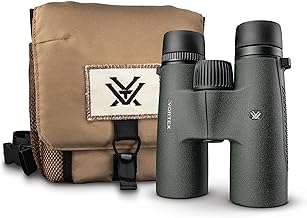 | Vortex Triumph HD 10×42 | All-Around Performance | 9.1/10 | Check price → |
 | Athlon Midas UHD 8×42 | Premium Optics | 8.9/10 | Check price → |
 | Vortex Crossfire HD 10×42 | Best Value HD | 8.6/10 | Check price → |
 | 15×52 HD Binoculars | High-Power Viewing | 7.5/10 | Check price → |
 | 20×50 High Powered | Maximum Reach | 7.2/10 | Check price → |
Scroll sideways on small screens to see every column.
Occer 12×25 Compact Binoculars Adults Kids: Best Budget Compact for Travelers
Vortex Triumph HD 10×42 Binoculars: Best Overall for All-Around Use
Athlon Optics 8×42 Midas UHD Gray: Best for Optical Purists
Vortex Crossfire HD 10×42 Binoculars: Best Value HD Option
15×52 HD Binoculars Adults High Powered: Best High Power for Long-Range Viewing
20×50 High Powered Binoculars Adults: Best for Maximum Reach
Buying Guide: Magnification, Objective Lens, Build Quality, and Your Specific Use Case
Picking the right binocular comes down to a few key specs that directly affect what you’ll see and how comfortable you’ll be using them. Here’s what to focus on.
How much magnification do you really need?
The first number in a binocular’s name (like 8x, 10x, or 15x) is the magnification. An 8x binocular makes an object appear 8 times closer. A 10x makes it 10 times closer.
The trade-off is that higher magnification means a narrower field of view and more image shake. For most outdoor enthusiasts, 8x or 10x is the sweet spot. The 8x models like the Athlon Midas UHD 8×42 offer a wider, steadier view.
The 10x models like the Vortex Triumph HD 10×42 give you more reach. If you plan to use a tripod, the 15x and 20x options become viable.
What’s the deal with the objective lens size?
The second number (like 25mm, 42mm, or 50mm) is the diameter of the objective lens in millimeters. A larger lens gathers more light, which means a brighter image, especially in low light conditions like dawn or dusk. The 42mm lenses on the Vortex and Athlon models are a great all-around size.
The 25mm lens on the Occer is fine for daytime use but struggles in dim light. The 50mm and 52mm lenses on the high-power models help compensate for the dimmer image that comes with their higher magnification.
How important is weatherproofing?
If you’ll be using your binoculars outdoors in any weather, waterproofing and fogproofing are critical. The Vortex models and the Athlon Midas UHD are all fully sealed and nitrogen or argon purged, meaning they won’t fog up internally and can handle rain, snow, and splashes. The Occer 12×25 is not fully waterproof, so it’s best for fair-weather use.
If you live in a wet climate or plan to use them in variable conditions, the investment in a sealed model is worth it.
What about the warranty?
A good warranty is a sign of confidence from the manufacturer. Vortex’s VIP warranty is the gold standard: it’s unlimited, unconditional, and transferable. If you break them, they fix or replace them.
Athlon offers a similar lifetime warranty. The other brands generally offer a standard limited warranty, which is fine but less reassuring. For a product you’ll rely on outdoors, a strong warranty is a real peace of mind.
Who Should NOT Buy Best Binoculars for Outdoor Enthusiasts
Binoculars are a specific tool, and they’re not the right choice for every outdoor scenario. Here are the types of buyers who should skip this category entirely.
You Need Extreme Long-Range or High-Magnification Viewing
If you’re trying to observe detailed features on distant mountains, identify birds at extreme range, or do serious astronomy, a spotting scope or a telescope is a better tool. Spotting scopes offer higher magnification (typically 20x to 60x) and a larger objective lens for better light gathering. They also mount on a tripod, which is essential for high-power viewing.
Binoculars top out at 20x, and even then, they require a tripod. A dedicated spotting scope will give you a sharper, brighter image at those long distances.
You Need to Take Photos or Video
While some binoculars include phone adapters (like the 15×52 model), the results are never as good as a dedicated camera with a telephoto lens. The adapter alignment is finicky, and the image quality through the binocular’s optics is rarely as sharp as a camera lens. If capturing high-quality photos or videos of wildlife is your primary goal, a camera with a long lens is the right tool.
Binoculars are for seeing, not for documenting.
You’re a Casual User Who Only Needs a Basic View
If you only need to see a bit further at a sports event or a concert, a pair of compact binoculars like the Occer 12×25 might be enough. But for many people, a monocular is a simpler, lighter, and cheaper alternative. A monocular gives you a single-eye view that’s often easier to use quickly, and it’s much more portable.
If you don’t need the binocular effect of depth perception, a monocular is worth considering.
Final Verdict
The Vortex Triumph HD 10×42 is the best all-around binocular for outdoor enthusiasts. Its HD optics, rugged build, and unbeatable lifetime warranty make it the clear winner for anyone who wants a reliable, high-performance tool for hiking, wildlife watching, and general outdoor use.
Want the best possible image quality? The Athlon Midas UHD 8×42 is your pick. Its ED glass delivers stunning color and contrast, though it’s a bit heavier.
Need a budget-friendly option that still offers HD performance? The Vortex Crossfire HD 10×42 is a fantastic value. For long-range viewing, the 15×52 HD Binoculars or 20×50 High Powered are your best bets, but they require a tripod.
And for pure portability, the Occer 12×25 Compact is a great travel companion.
Before you buy, make sure binoculars are the right tool for your needs. If you’re after extreme magnification or photography, check the Who Should NOT Buy section above. Otherwise, you’re ready to enjoy the view.
FAQ
What's the best Binoculars for Outdoor Enthusiasts overall?
The Vortex Triumph HD 10×42 is the best overall pick. It offers a perfect balance of HD image quality, rugged weatherproofing, and a lifetime warranty at a reasonable price.
What’s the difference between 8x and 10x binoculars?
An 8x binocular makes objects appear 8 times closer, while a 10x makes them appear 10 times closer. The 8x offers a wider, steadier field of view, making it easier to track moving subjects. The 10x gives you more reach but is slightly more sensitive to hand shake.
For most people, 8x or 10x is ideal.
Are more expensive binoculars worth it?
Yes, up to a point. Higher-priced binoculars typically use better glass (like ED glass), better coatings, and more precise construction. This results in a sharper, brighter, and more color-accurate image.
The Athlon Midas UHD is a great example of where the extra money goes. However, the law of diminishing returns applies. The Vortex Triumph HD offers excellent performance for its price.
Do I need a tripod for binoculars?
For 8x and 10x binoculars, a tripod is optional but helpful for long viewing sessions. For 15x and 20x binoculars, a tripod is mandatory. The higher the magnification, the more you’ll notice every tiny movement.
A tripod transforms a shaky image into a rock-solid one.
What does “waterproof” mean for binoculars?
Waterproof binoculars are sealed with O-rings and purged with nitrogen or argon gas to prevent moisture from getting inside. This means they can be used in rain, snow, and even submerged in shallow water without fogging up internally. The Occer 12×25 is not waterproof, while the Vortex and Athlon models are.
Can I use binoculars for stargazing?
Yes, binoculars are a great tool for stargazing. The 10×42 models offer a good balance of magnification and brightness for viewing the moon, star clusters, and the Andromeda Galaxy. For more detailed views of planets or deep-sky objects, a telescope is better.
The 20×50 model is specifically suited for stargazing, but it requires a tripod.