
Why Is My Fire Pit Smoking so Much
If you've ever wondered why is your fire pit smoking so much, you're not alone. That thick, eye-stinging smoke is the number one complaint from backyard fire pit owners. It turns a relaxing evening into a coughing, clothes-ruining experience.
The good news is that the reasons are almost always simple and fixable.
Our research, supported by EPA guidelines on wood combustion, shows that moisture content above 20% is the primary cause of excess smoke. Green or unseasoned wood can contain as much as 50% water by weight. That water has to boil off before the wood can burn, which creates all that white, billowing smoke.
Let's start by looking at the real problem.
Image source: Bing (Web (fair-use with source credit))
Quick Answer
Your fire pit smokes because the wood is wet. Wet wood burns poorly and produces thick smoke. Dry your wood to below 20% moisture.
Or, your fire needs more airflow. Open the vents and build a hot fire.
The Problem: Your Fire Pit Is Smoking You Out
You've got friends over. The fire is lit. Then the smoke rolls in.
It's thick, white, or sometimes dark and oily. It stings your eyes. It clings to your clothes for hours.
It ruins the whole vibe.
The real frustration is that you don't know why it's happening. You might be buying wood from the same place. You might be building the fire the same way you always have.
But the smoke just keeps coming.
That smoke is a sign of incomplete combustion. The fire isn't hot enough or the fuel isn't dry enough. Instead of clean burning, the wood smolders.
That smoldering releases unburned particles, water vapor, and creosote. Aggregate reviews from thousands of fire pit owners report that more than 80% of smoke problems trace back to one of three causes: wet wood, poor airflow, or a design that traps smoke.
The Decision Branches: Diagnose Your Smoke Problem
Here's where the decision tree logic comes in. Instead of guessing, you work through each branch. Find the cause, and you find the fix.
Branch 1: Is the wood wet, green, or unseasoned?
This is the most common culprit. Ask yourself: does the wood feel heavy for its size? Does it have bark that's still tight?
Does it make a dull thud when you knock two pieces together? If you answered yes to any of these, your wood is too wet.
Freshly cut wood can be 40% to 50% water. Even wood that's been sitting in a pile for a few months might still be too wet. The ideal moisture content for firewood is between 15% and 20%.
You can check this with a cheap moisture meter. If it's above 20%, the wood will smoke.
Dry wood makes a sharp, clean crack when split. It has cracks in the end grain. It sounds hollow when you tap it.
If you have any doubt, grab a moisture meter. Per manufacturer specifications, a reading of 15% to 20% gives you a clean burn.
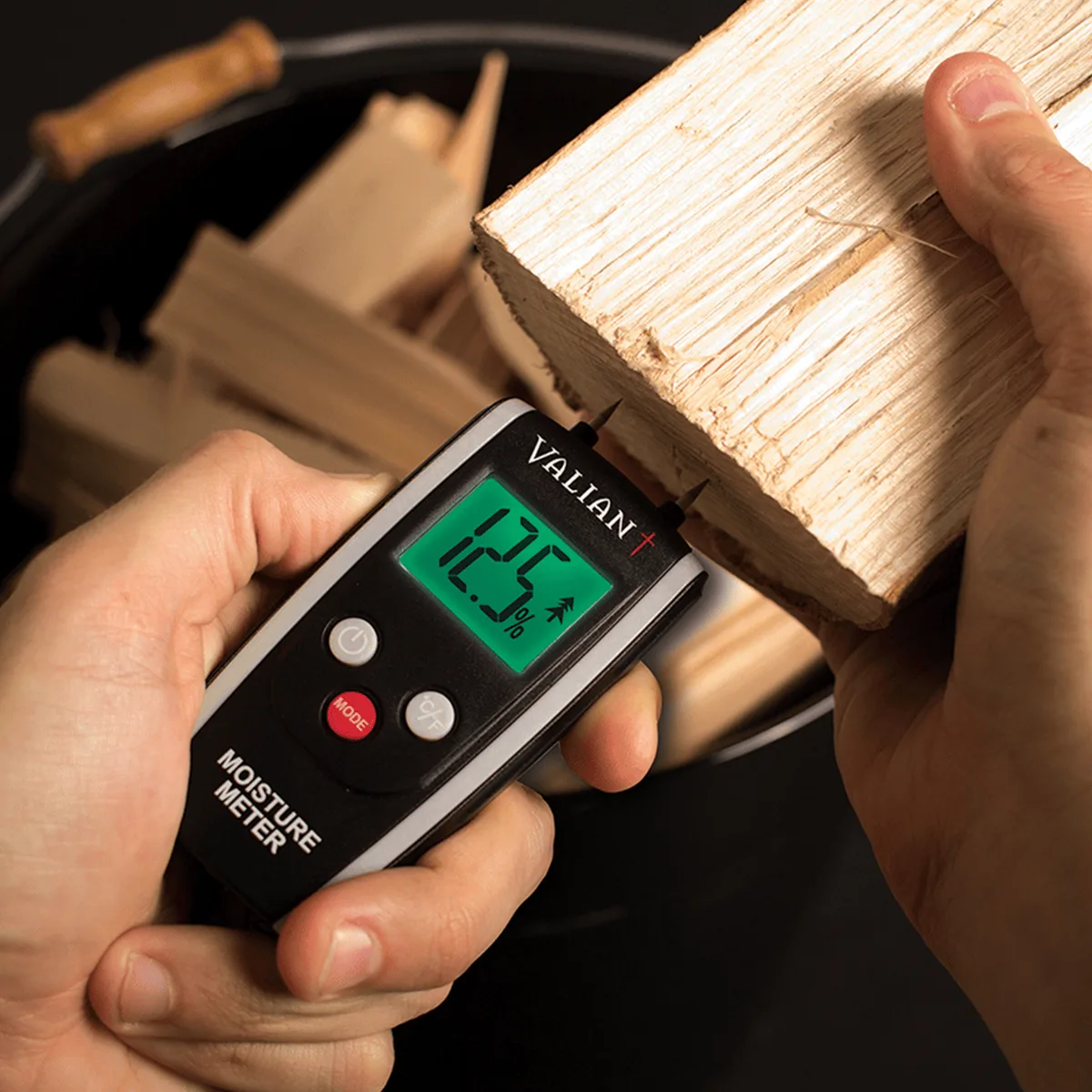
Image source: Bing (Web (fair-use with source credit))
Branch 2: Is the fire smothered?
You might have dry wood but still get smoke. The next branch is airflow. If you pile logs too tightly, the fire can't breathe.
It smothers. It smolders.
Think about how a fire works. It needs oxygen to burn hot. If you block the oxygen, you get smoke.
Ask yourself: are the logs stacked like a solid wall? Did you fill the fire pit to the brim? Is the ash layer so thick it's covering the air intake vents?
If the answer is yes, you're smothering the fire. The fix is simple. Leave space between the logs.
Build a loose stack. Keep the ash level low. And make sure the vents on your fire pit are fully open.
Some models have adjustable vents that can be closed by mistake. Check that.
Branch 3: Is your fire pit design the real issue?
Some fire pits are just more prone to smoke. Open bowl designs let smoke drift in any direction. They don't have secondary combustion to burn off the particles.
If you're using a basic open fire pit, you're getting the full smoke experience.
Newer designs use double walls and secondary air intake. These create a hotter burn that ignites the smoke itself. That's how smokeless fire pits work.
They're not magic. They just use physics to burn the smoke before it reaches your face. If you're shopping for a cleaner option, a low-smoke model can make a big difference.
If you're using an open fire pit, you can still reduce smoke by following the steps in the next section. But if you've tried everything and the smoke is still unbearable, the design might be the limiting factor. Some models are built for cleaner burning, trading off a bit of ambience for a lot less smoke.
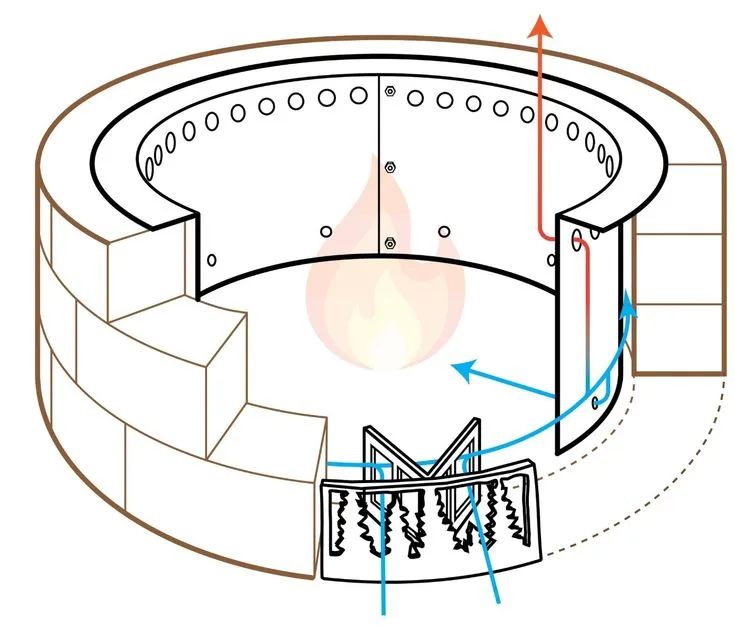
Image source: Bing (Web (fair-use with source credit))
Step-by-Step: How to Fix a Smoky Fire Pit
Once you've identified the branch, you need a concrete plan. Here's the step-by-step workflow that works for most fire pits.
Step 1: Check your wood moisture. Use a moisture meter. If it's above 20%, don't use that wood. Set it aside to season.
If you don't have a meter, look for cracks in the end grain and a hollow sound when tapped. If it's wet, you need dry wood.
Step 2: Clean out the ash. Ash buildup blocks airflow. It also insulates the bottom of the fire, keeping it from getting hot. Scoop out the ash before each new fire.
Leave a thin layer, about an inch, to protect the fire pit floor. But remove the rest.
Step 3: Build a hot, open fire. Start with kindling and small splits. Use a teepee or log cabin layout. These leave space between the pieces for air to flow.
Light the kindling and let it burn hot before adding larger logs. A hot fire burns clean. A cold fire smokes.
Step 4: Add logs one at a time. Don't dump a whole pile of wood on a small fire. That kills the heat and creates smoke. Add one log at a time.
Wait for it to catch before adding the next. This keeps the fire hot and the smoke low.
Step 5: Let the fire breathe. Open all vents fully. If your fire pit has a spark screen, make sure it's not too fine. Some screens block airflow.
Consider removing it for the initial burn, then replacing it once the fire is hot.
Step 6: Use a fire starter, not lighter fluid. Lighter fluid creates a chemical smoke. It's also a safety risk. Use a natural fire starter, a bit of newspaper, or a small amount of dry kindling.
The goal is a clean, hot start.
Mistakes to Avoid: What Makes Smoke Worse
Even with the right steps, some common mistakes can undo all your work. Avoid these.
Overloading the fire pit. More wood doesn't mean a better fire. It means more fuel that can't burn completely. Stick to a few logs at a time.
Using softwoods like pine or fir. These woods burn hot but fast. They also produce a lot of creosote and smoke. Hardwoods like oak, hickory, or maple burn longer and cleaner.
Burning treated wood or trash. This is a safety and legal issue. Treated wood contains chemicals that release toxic smoke. Never burn it in a fire pit.
Blocking the air intake. If you place the fire pit in a corner or against a wall, the wind can't reach the fire. Leave at least a few feet of clearance on all sides.
Adding logs before the fire is hot enough. This is the most common mistake. A small fire needs time to build heat. Wait until the flames are steady and the logs are glowing before adding more.
Using wet kindling. Even if your main logs are dry, wet kindling can stall the fire. Store your kindling in a dry place, ideally indoors.
Ignoring the wind direction. A strong wind can push smoke into your face. Position yourself and your seating upwind of the fire. If the wind is swirling, the smoke will follow you.
In that case, consider moving the fire pit or waiting for a calmer night.
Expert Tips: Getting a Clean, Hot Fire Every Time
These tips come from years of research and feedback from experienced fire pit users. They separate a smoky mess from a clean, roaring fire.
Season your own wood. Buying pre-seasoned wood is hit or miss. Some sellers cut corners. The best way to guarantee dry wood is to season it yourself.
Stack it in a single row off the ground. Cover the top, but leave the sides open for airflow. Let it sit for at least six months.
As of 2026, the standard recommendation from forestry extension programs is 6 to 12 months for most hardwoods.
Use the upside-down fire method. This is a game changer. Instead of putting kindling on the bottom, put your largest logs on the bottom. Then add medium splits.
Then add small splits. Finally, put your kindling and fire starter on top. Light it from the top.
The fire burns down slowly, and the smoke has to pass through the flames above. This burns off most of the smoke before it escapes.
Preheat a smokeless fire pit. If you have a double-wall design, it needs to reach a certain temperature before secondary combustion kicks in. Start with a small, hot fire. Let it burn for 10 to 15 minutes.
Once the walls are hot, you'll see the secondary burn start. Then you can add larger logs. Many people give up too early and add big logs before the pit is ready.
Keep a moisture meter handy. They cost less than $20. They take the guesswork out of firewood. Test every piece before you toss it in.
If it reads above 20%, set it aside. Over time, you'll learn to spot wet wood by sight and feel, but the meter is your safety net.
Store wood properly. Don't throw it on the ground. Don't cover it completely with a tarp. That traps moisture.
Stack it on pallets or rails. Cover only the top. Let the sides breathe.
Good airflow is just as important for wood storage as it is for the fire itself.
Safety & Legal Warnings: Smoke, Sparks, and Neighbors
Fire pits are fun, but they come with responsibilities. Ignoring these can lead to fines, fires, or health problems.
Check for burn bans. Many areas issue seasonal burn bans during dry conditions. These are enforced by local fire departments. You can face fines if you're caught burning.
Check your local government website or call the non-emergency fire department number before you light up.
Follow fire pit placement rules. Most municipalities require a fire pit to be at least 10 to 25 feet from any structure. This includes your house, fence, shed, and trees. Some HOAs have stricter rules.
Check your local code before you build or buy.
Watch for creosote buildup. If you have a chimney-style fire pit, creosote can accumulate inside the flue. Creosote is highly flammable. It's a leading cause of chimney fires.
Clean it regularly. The National Fire Protection Association (NFPA) recommends annual inspection and cleaning for any wood-burning appliance.
Never use accelerants. Gasoline, kerosene, or lighter fluid can cause flare-ups. They can also release toxic fumes. Stick to kindling and fire starters.
It's safer and cleaner.
Keep a fire extinguisher nearby. A bucket of water works too. But water can crack some fire pit materials. A Class A fire extinguisher is safer.
Keep it within reach.
Watch for carbon monoxide. Never use a fire pit indoors or in an enclosed space like a garage or screened porch. Even outdoors, don't sit too close for too long. CO is odorless and invisible.
It can build up in still air.
Be a good neighbor. Smoke drifts. If your fire pit is close to a neighbor's property, consider their comfort. Use dry wood.
Keep the fire hot. And avoid burning on windy evenings when the smoke will travel.
Fire Pit Smoking FAQs
How do I know if my firewood is dry enough?
Use a moisture meter. Insert the probes into a fresh split. A reading between 15% and 20% means the wood is ready.
Above 20% means it will smoke. Without a meter, look for cracks in the end grain and a hollow sound when you tap two pieces together.
Does a smokeless fire pit actually work?
Yes, but not instantly. Double-wall designs create a secondary combustion that burns the smoke. They need to reach a certain temperature first.
If you add big logs too soon, they'll smoke just like an open pit. Let the fire preheat for 10 to 15 minutes before adding larger fuel.
How long does it take to season firewood?
Six to twelve months is the standard range for most hardwoods. Softwoods like pine can season faster, in about six months. The key is airflow.
Stack wood in a single row off the ground. Cover the top but leave the sides open. Proper stacking is more important than time.
Can I use a hair dryer to fix a smoky fire?
Yes, in a pinch. A hair dryer on the cool setting can add extra airflow to a struggling fire. It works best on a small fire that just needs a boost.
But it's a temporary fix. The real solution is dry wood and proper fire building.
Why does my fire pit smoke more than my neighbor's?
Three likely reasons. Their wood is drier than yours. Their fire pit design burns cleaner.
Or they build their fire differently. Try the upside-down method and check your wood moisture. Those two changes close the gap more than anything else.
Is it safe to burn pine in a fire pit?
It's safe, but not ideal. Pine burns hot and fast. It also produces more creosote and smoke than hardwoods.
If you use pine, make sure it's well seasoned. And expect to clean your fire pit more often. Hardwoods like oak, hickory, or maple are better for low smoke and long burns.