
Is Garmin Rally RS200 Power Meter Pedals Worth It? Honest Review
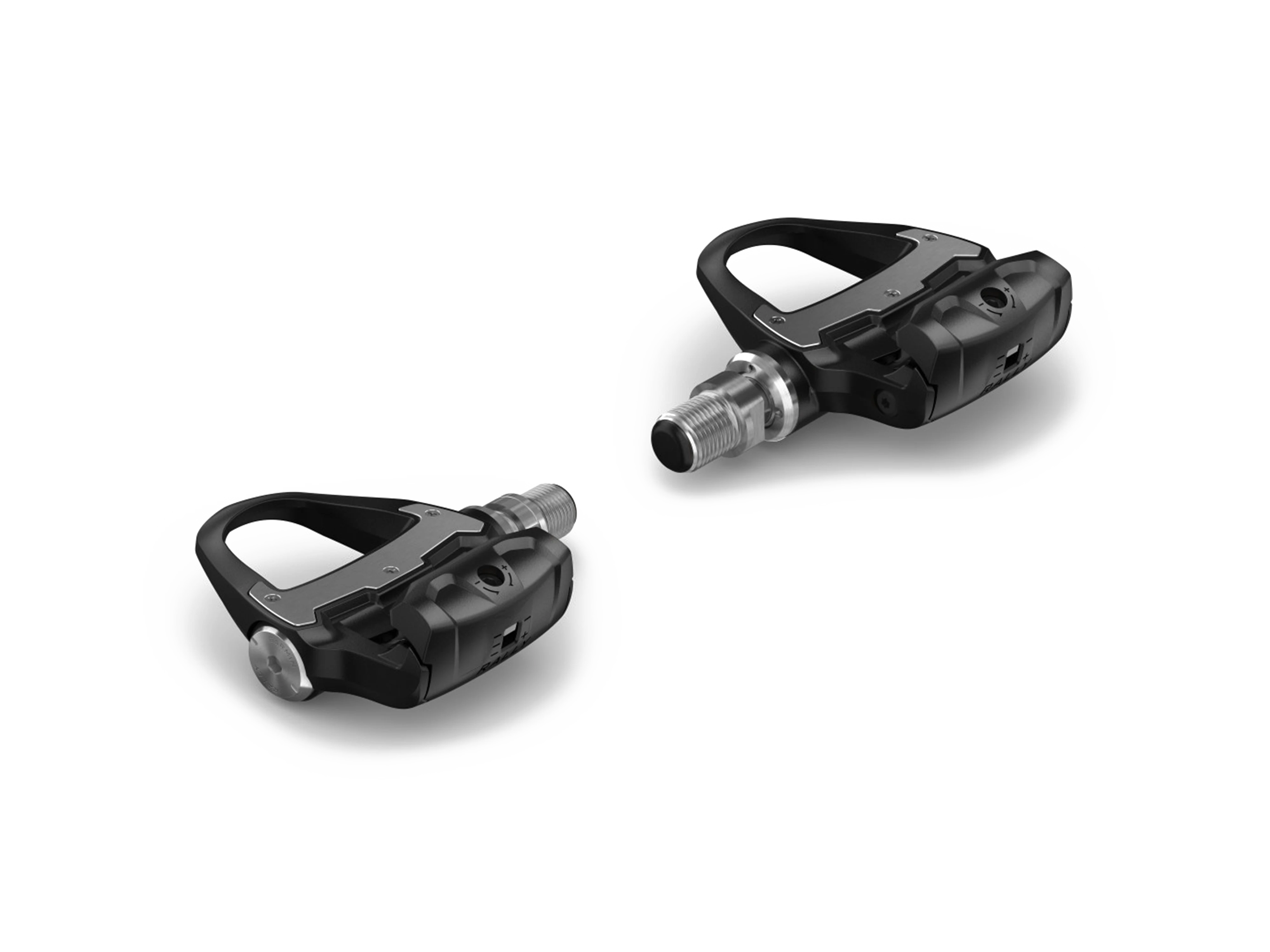
If you ride a road bike and want to get stronger, you’ve probably heard about power meters. These small devices show how much force you put on the pedals. The Garmin Rally RS200 power meter pedals are popular among cyclists who want accurate, dual-sided data. But are they really worth the price? Let’s take a careful, practical look at what you get, how they compare with other options, and whether they are a good investment for you.

What Makes Power Meter Pedals Special?
A power meter helps you measure your real effort—not just speed or heart rate. With this data, you can train smarter. Pedal-based power meters like the Garmin Rally RS200 are especially interesting because:
- They fit almost any bike with standard cranks.
- You don’t need a mechanic to install them.
- They can measure power from each leg separately (dual-sided).
These features make them simple for both beginners and advanced riders. Plus, you can swap them between bikes in minutes, which is a big advantage for people with more than one bike.
Key Features Of Garmin Rally Rs200
The Garmin Rally RS200 stands out in a few important ways:
- Dual-sided measurement: It measures power from both left and right pedals.
- Accuracy: Claimed +/- 1% accuracy.
- Shimano SPD-SL compatibility: Works with popular road cleats.
- Easy installation: Installs like any other pedal.
- ANT+ and Bluetooth: Connects to most bike computers and smartwatches.
- Battery life: Up to 120 hours per battery (standard AAAA).
These features make it attractive for both serious racers and data-loving hobbyists.
Real-world Performance
Accuracy is the main reason people buy power meters. In testing, the Rally RS200 shows high consistency—almost always within the promised 1% margin. The dual-sensor design gives you left/right balance, which helps spot weaknesses or imbalances.
For example, a rider training for a time trial can see if one leg is weaker and adjust their training. Cyclists who want to improve their pedal stroke (how smoothly you pedal) also benefit from the extra data.
One less obvious benefit is how quickly you can switch the pedals between bikes. If you own a training bike for indoors and a racing bike for weekends, you can move the pedals in 5 minutes, saving time and money.
Installation And Setup
The Rally RS200 is designed for simple setup. You just screw the pedals onto your bike like any other pedal. Then, pair them with your Garmin Edge, Wahoo, or smartphone app using ANT+ or Bluetooth.
- No need for torque wrenches (though using one is good practice).
- No wires or magnets.
- Easy firmware updates via the Garmin app.
A common mistake for beginners is not tightening the pedals enough, which can lead to inaccurate readings or even damage. Always follow the included instructions.
Comfort And Build Quality
Garmin uses high-quality materials for the Rally RS200. The pedals feel solid, and the bearings spin smoothly. They are built to handle rain, dust, and dirt. The battery compartment is well-sealed, so you don’t have to worry about water damage in normal riding conditions.
Some riders say the stack height (distance from the pedal axle to your shoe) is a bit higher than some regular pedals. This is something to check if you are sensitive to changes in fit, but most people adjust quickly and notice no major difference.
Pros And Cons
It’s important to look at both sides before you invest in a power meter pedal system.
Pros:
- Accurate dual-sided data
- Easy to install and move between bikes
- Reliable and weather-resistant
- Pairs with most bike computers and apps
Cons:
- Higher price than single-sided or crank-based meters
- Slightly taller stack height
- Uses less common AAAA batteries (not always at local stores)
A less obvious downside: If you damage a pedal in a crash, repairs may cost more than with a crank-based power meter.
How Does The Rs200 Compare To Other Options?
There are several types of power meters, including crank, spider, and hub-based systems. Each has its own benefits and drawbacks. Here’s a brief comparison:
| Type | Installation | Accuracy | Price Range | Bike Compatibility |
|---|---|---|---|---|
| Pedal (RS200) | Very easy | +/- 1% | High | Any road bike |
| Crank Arm | Medium | +/- 1-2% | Medium | Limited to crank type |
| Spider | Hard | +/- 1% | High | Limited |
| Hub | Medium | +/- 1.5% | Medium | Wheel specific |
Pedal-based meters like the RS200 are the most universal. Other options may be cheaper, but often lock you into one bike or one crank type.
Who Should Buy The Garmin Rally Rs200?
These pedals suit different riders:
- Serious cyclists who want detailed, left/right data.
- People with more than one bike who want to share a power meter.
- Tech-savvy riders who love data and want to improve technique.
- Riders who use Shimano SPD-SL cleats and don’t want to switch pedal systems.
But if you only ride casually or are on a tight budget, a cheaper single-sided or crank-based power meter might make more sense.
Cost Vs. Value
The Rally RS200 is not cheap. At the time of writing, it costs about $1,100 USD. That’s more than most crank-based or single-sided meters.
But you get several things for the price:
- Full dual-sided data: Many cheaper meters only measure one leg, then double the value (which can hide imbalances).
- Portability: Move between bikes without tools.
- Shimano cleat compatibility: No need to switch shoes or pedals.
If you want accurate training data for years, and plan to use it on multiple bikes, the value is clear. For casual riders, the extra features may not justify the cost.
Battery Life And Maintenance
Garmin claims up to 120 hours per battery. In real use, this can mean a few months for most people. AAAA batteries are small and light, but you should keep spares handy—especially on long trips.
Changing the battery is simple: unscrew the cap, replace the battery, and re-seal. The design is waterproof, but always check the seal after changing batteries.
A tip for beginners: If the pedals stop showing up on your computer, try new batteries first. Weak batteries can cause dropouts or connection issues.

Advanced Features And Data
With the RS200, you get more than just power numbers. Garmin’s system also tracks:
- Pedal smoothness: How evenly you apply power through the pedal stroke.
- Torque effectiveness: How much of your force is used to turn the cranks (not wasted).
- Seated vs. standing power: If you have a compatible Garmin device, you can see how your power changes when sitting or standing.
- Left/right balance: Spot weaknesses or fatigue in one leg.
This data helps advanced riders and coaches find small areas to improve. For most people, the basic power number is enough, but the extra metrics are there if you want them.
Durability And Weather Resistance
The RS200 is designed for tough conditions. The pedals are sealed against rain and mud. Metal parts resist corrosion, and the electronics are protected inside the pedal body.
One thing to remember: While the pedals are tough, they can still be damaged in a crash or by over-tightening. Always use a pedal wrench and follow torque recommendations.
A less obvious point: The cleat interface is also very durable, so you don’t have to worry about early wear or loose connections.
Software And App Integration
Garmin’s app ecosystem is one of its strengths. The RS200 works with:
- Garmin Connect: For data analysis and firmware updates.
- TrainingPeaks, Strava, and Zwift: For sharing and tracking progress.
- Wahoo, Stages, and other major bike computers: Using ANT+ or Bluetooth.
Firmware updates add new features or fix bugs. You can do these wirelessly with the Garmin Connect app, which is easier than many rival systems.
Common Mistakes And Troubleshooting
New users often make these mistakes:
- Not tightening the pedals enough: Leads to movement and bad readings.
- Forgetting to calibrate: Always do a zero offset/calibration before your first ride and after moving the pedals to a new bike.
- Using worn cleats: This can cause noise or inaccurate data.
- Ignoring firmware updates: Updates can fix problems or add new functions.
If you have connection issues, check for battery life, update firmware, and re-pair the pedals.
How Do They Feel When Riding?
Most users say the RS200 feels much like a normal pedal. The release tension can be set to match your preference. Some people notice a slightly higher stack height, but after a few rides, this is rarely a problem.
A non-obvious insight: Some riders report smoother pedaling after using left/right data to fix imbalances—something you can’t do with single-sided meters.
Warranty And Customer Support
Garmin offers a one-year warranty on the RS200. Customer support is generally good, with fast replacements for faulty units. However, damage from crashes or improper installation is not covered.
A tip: Register your pedals with Garmin right away. This makes warranty claims faster and easier.
Real User Feedback
Feedback from cyclists who use the RS200 is mostly positive:
- Accuracy and ease of use are the top praises.
- Many like the ability to move pedals between bikes.
- Some note the cost is high but feel the quality and data justify it.
- Negative comments usually mention the price and the need for AAAA batteries.
For more user stories, check out discussions on cycling forums and reviews from trusted sources like DC Rainmaker or BikeRadar.
Should You Buy The Garmin Rally Rs200?
If you are a cyclist who cares about data and wants to improve, the RS200 is one of the best options. The ability to move the pedals between bikes, combined with accurate, dual-sided data, is hard to beat. While the price is high, the value is clear for riders who will use its features.
However, if you only want basic power data, or are new to training, a single-sided or crank-based meter is a better value.
The Garmin Rally RS200 power meter pedals are a top choice for serious road cyclists who want flexibility, precision, and long-term durability.
Frequently Asked Questions
How Accurate Are The Garmin Rally Rs200 Pedals?
The RS200 pedals are rated to be accurate within +/- 1%. In real-world tests, they match or beat this claim, making them one of the most precise options available.
Can I Use The Rs200 Pedals With Non-garmin Bike Computers?
Yes, the pedals use ANT+ and Bluetooth, so they work with most major bike computers, including Wahoo and Sigma. Just make sure your device supports power meter data.
How Often Do I Need To Change The Batteries?
The AAAA batteries last up to 120 hours of riding. For most cyclists, this means several months. Always carry a spare on long trips, as AAAA batteries are not as common as AA or AAA.
Are The Rs200 Pedals Waterproof?
Yes, they are designed to handle rain, puddles, and mud. Just be sure to check the battery cap after changing batteries to keep the seal tight.
Where Can I Find More Technical Information?
You can read more detailed specs and updates on the official Garmin Rally RS200 product page.
With the right setup, the Garmin Rally RS200 pedals can transform your training and racing. For those who demand top-level data and flexibility, they are a smart and reliable investment.