Is Sawyer Squeeze Water Filter Worth It? Honest Review & Guide
Backpackers, hikers, and travelers know that clean water is not always easy to find. Many outdoor lovers want a simple and reliable way to make water safe to drink anywhere. The Sawyer Squeeze Water Filter has become one of the most popular choices for purifying water on the go. But is it really worth your money and space in your backpack? Or are there better options?
This article will give you a clear, honest look at the Sawyer Squeeze. We’ll explore how it works, what makes it stand out, and where it might fall short. You’ll see how it compares to other filters, learn about real-life experiences, and get practical advice for deciding if it fits your needs.
Whether you’re planning a thru-hike, traveling abroad, or just want emergency water safety, you’ll find everything you need to know right here.
What Is The Sawyer Squeeze Water Filter?
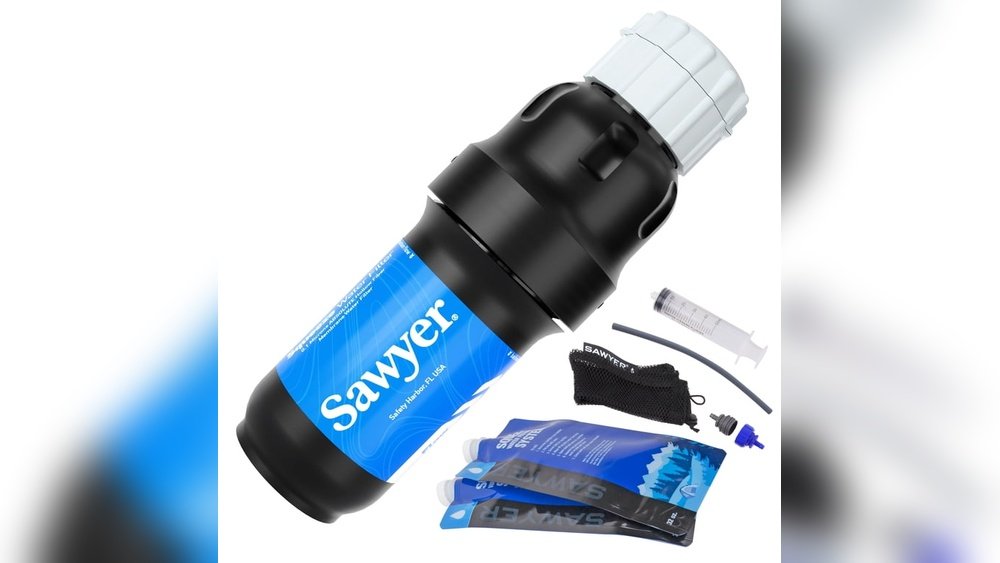
The Sawyer Squeeze is a compact, lightweight water filtration system designed for outdoor use. It fits in your hand, weighs just about 3 ounces (85 grams), and can filter water from almost any natural source—rivers, lakes, puddles, or streams.
It uses a hollow fiber membrane filter that removes bacteria, protozoa, and microplastics. The filter screws onto a soft pouch or a standard water bottle. You fill the pouch with dirty water, attach the filter, and then squeeze the pouch to push clean water out. It’s fast, simple, and doesn’t need batteries or chemicals.
Key Features And Specifications
Here are the main features that make the Sawyer Squeeze stand out:
- Weight: 3 ounces (85 grams) for the filter only
- Size: 5 inches x 2 inches (12.7 x 5 cm)
- Filter life: Up to 100,000 gallons (378,541 liters) if maintained
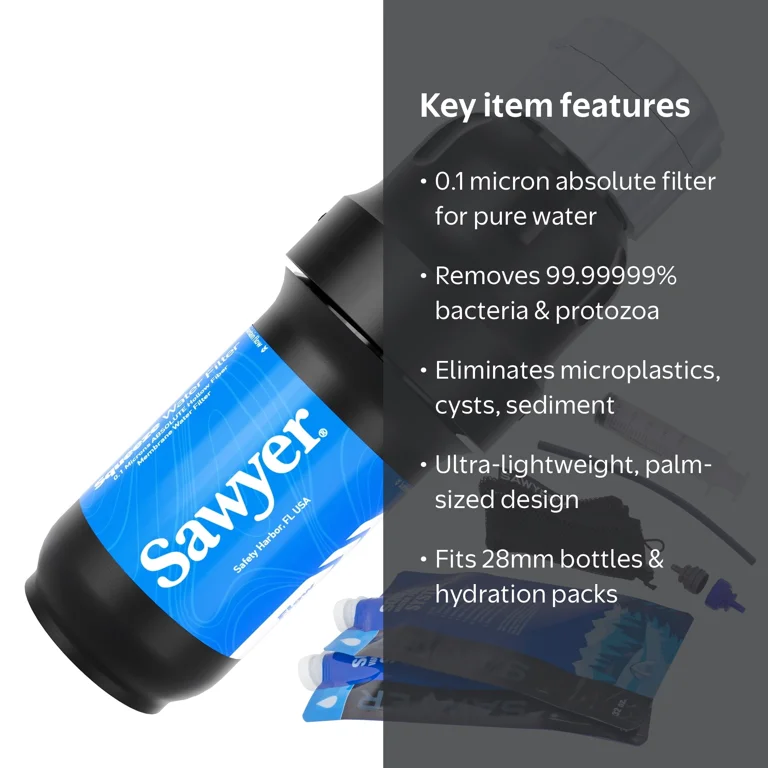
- Pore size: 0.1 micron absolute filter
- Removes: 99.99999% of bacteria (like E. coli), 99.9999% of protozoa (like Giardia, Cryptosporidium), and 100% of microplastics
- Flow rate: About 1.7 liters per minute (depends on squeeze pressure)
- No chemicals needed: No taste or odor change
- Includes: Filter, two 32 oz (1L) pouches, cleaning plunger, spare gasket, inline adapter, and drinking straw
These specs make the Sawyer Squeeze a strong option for anyone who needs clean water outdoors.
How The Sawyer Squeeze Works
The Sawyer Squeeze uses hollow fiber technology. Inside the filter are thousands of tiny tubes with microscopic holes (0.1 micron). Water can pass through, but bacteria and protozoa are too big to fit. This makes it highly effective against common waterborne diseases.
You simply:
- Fill the pouch (or a standard water bottle) with dirty water.
- Screw the filter onto the top.
- Squeeze the pouch or bottle, forcing water through the filter.
- Clean water flows out the other side, ready to drink.
No waiting for chemicals to work. No batteries. You can drink straight from the filter or squeeze water into another bottle.
Real-world Performance: How Does It Hold Up?
Many filters look great on paper but struggle outside. The Sawyer Squeeze, however, has earned its reputation with thru-hikers, international travelers, and emergency preppers. Let’s break down its performance in real-life situations.
Durability And Longevity
The Sawyer Squeeze is known for being tough. The filter itself can last for thousands of liters if you backflush it often (using the included syringe). Many thru-hikers on the Appalachian Trail and Pacific Crest Trail have used a single Sawyer Squeeze for 2,000+ miles. The filter’s body is strong and resists breaking even after drops and rough use.
However, the included pouches are a weak point. They can crack or split after repeated use—especially if you squeeze too hard or in freezing weather. Many users switch to third-party pouches (like the CNOC Vecto) or use smartwater bottles, which fit the threads perfectly and are more durable.
Filtration Speed And Ease Of Use
The Sawyer Squeeze has a good flow rate out of the box. You can fill a 1L bottle in under a minute with a strong squeeze. But as the filter clogs (especially with silty or dirty water), the flow slows down.
Regular backflushing keeps it fast.
Some beginners make the mistake of not backflushing often enough. If you do, the filter can get almost unusable. It’s smart to backflush every day or after filtering dirty water, using clean water and the plunger.
Water Quality And Safety
The Sawyer Squeeze is trusted for removing bacteria and protozoa, the main causes of waterborne illness in North America and much of the world. It does not remove viruses, which are rare in most wilderness water in the US and Canada but more common in some developing countries.
Taste is another plus. Because it uses no chemicals, water tastes natural. There’s no chemical aftertaste like with iodine or chlorine tablets.
Versatility
You can use the Sawyer Squeeze in several ways:
- Squeeze into a clean bottle for storage
- Drink straight from the filter with the straw
- Use as an inline filter on a hydration bladder
- Gravity feed (hang the dirty bag and let gravity pull water through—slower, but no squeezing)
This flexibility is a key reason for its popularity.

Comparing Sawyer Squeeze To Other Water Filters
To decide if the Sawyer Squeeze is worth it, you need to see how it stacks up against other popular filters. Here’s a direct look at key competitors:
| Filter | Weight | Filter Life | Pore Size | Removes Viruses? | Typical Price (USD) |
|---|---|---|---|---|---|
| Sawyer Squeeze | 3 oz (85 g) | 100,000 gal | 0.1 micron | No | $40–$45 |
| Katadyn BeFree 0.6L | 2 oz (59 g) | 264 gal | 0.1 micron | No | $45–$50 |
| LifeStraw Personal | 2 oz (57 g) | 1,000 gal | 0.2 micron | No | $20 |
| Platypus QuickDraw | 2.4 oz (69 g) | 1,000 gal | 0.2 micron | No | $40 |
| Sawyer Mini | 2 oz (57 g) | 100,000 gal | 0.1 micron | No | $25–$30 |
As you can see, the Sawyer Squeeze is not the lightest, but it offers the best filter life. The Katadyn BeFree is much lighter and has a faster flow, but its filter life is much shorter. The LifeStraw is cheap and light but less versatile and less durable for high-volume use.
What Makes The Sawyer Squeeze Stand Out?
There are a few things that set the Sawyer Squeeze apart from other filters:
- Extremely long filter life: If you maintain it, it can last for years. Most competitors need replacing after a season or two.
- Backflushable: Cleaning the filter restores the flow rate and keeps it working well.
- Universal threading: It fits standard water bottles (like smartwater or soda bottles) and many other pouches.
- No chemicals or batteries: You don’t need to carry extra supplies.
- Flexibility in use: Squeeze, inline, or gravity—one filter, many setups.

Downsides And Common Complaints
No product is perfect. Here are the most common issues users face with the Sawyer Squeeze:
Weakness Of Included Pouches
The main complaint is the durability of the soft pouches. They can split after dozens of uses, especially when squeezed hard or rolled. Many users buy stronger aftermarket pouches or bottles.
Flow Rate Drops Over Time
If you don’t backflush the filter regularly, the flow slows down. This is a common mistake for beginners. Silty or muddy water clogs the filter faster.
Freezing Danger
If the filter freezes after being used (with water inside), the fibers can crack, and it might stop working properly—even if you can’t see the damage. In freezing conditions, you must keep the filter warm (carry it in your pocket or sleeping bag).
Doesn’t Remove Viruses
The Sawyer Squeeze doesn’t filter out viruses. In most North American and European wilderness areas, this isn’t a problem. But for travel in some countries or after disasters, you might need a purifier that removes viruses too.
Squeezing Can Be Hard
When the filter starts to clog, squeezing a full pouch can take real effort—especially with cold hands or for people with weak grip.
Who Is The Sawyer Squeeze Best For?
The Sawyer Squeeze is ideal for:
- Long-distance hikers who need a durable, lightweight filter
- Backpackers and campers in North America, Europe, or similar environments
- Emergency preparedness kits (for boil water advisories, disasters, etc.)
- Travelers in areas where bacteria/protozoa are the main risk (not viruses)
It’s less perfect for:
- People traveling to places with high virus risk
- Ultralight hikers who want the absolute lightest filter
- Users who dislike squeezing or have hand injuries
How To Use The Sawyer Squeeze For Best Results
Getting the most out of the Sawyer Squeeze takes a little know-how. Here are some practical tips:
- Backflush regularly: After every day of use, or more often if the water is silty. This keeps the flow fast.
- Use clear water if possible: The less dirt and grit, the longer your filter lasts.
- Warm in cold weather: Don’t let the filter freeze after use. Keep it in your jacket at night.
- Replace pouches as needed: Consider carrying a backup or using a smartwater bottle instead.
- Practice at home first: Learn how to fill the pouch, backflush, and set up your system before your trip.
Practical Examples: How Real Users Rely On The Sawyer Squeeze
Let’s look at a few real-life scenarios where the Sawyer Squeeze excels—and where it has challenges.
Thru-hiking The Appalachian Trail
Many hikers on the Appalachian Trail use a Sawyer Squeeze for months at a time. They value the long filter life and the ability to clean the filter easily. Most switch to smartwater bottles for squeezing, since they’re stronger and easy to find in trail towns.
Flow rate drops if you don’t backflush, but most hikers carry the plunger and make it part of their daily routine.
International Backpacking
Travelers in areas with uncertain water quality often pack the Sawyer Squeeze. In most cases, it’s great for filtering tap water or well water that might be contaminated with bacteria. But in places where viruses are common, users may add chemical drops (like chlorine dioxide) after filtering.
Emergency Kits
Many preppers keep the Sawyer Squeeze in their home or car emergency kits. The long shelf life, no need for batteries, and easy maintenance make it a reliable choice for boil water advisories or natural disasters.
Common Beginner Mistakes And How To Avoid Them
Many new users run into the same problems. Here’s how to avoid them:
- Not backflushing often enough: Don’t wait until the filter is slow. Backflush daily with clean water.
- Squeezing too hard: If the pouch doesn’t flow, don’t force it—backflush instead. Over-squeezing can break the pouch.
- Letting the filter freeze: A frozen filter can fail. Keep it warm after use in cold weather.
- Using muddy water: Always look for the clearest source. If you must use dirty water, let it settle or pre-filter with a bandana.
- Not carrying a spare pouch or bottle: If your only pouch splits, you’ll have a tough time.
Is The Sawyer Squeeze Worth The Money?
For most backpackers and hikers, the answer is yes. The Sawyer Squeeze offers excellent value because:
- It can last for years with proper care (much longer than most filters)
- It’s affordable compared to buying new filters every season
- It’s light enough for long hikes but tough enough for daily use
- Spare parts (o-rings, pouches) are easy to find or replace
The main cost is replacing pouches, but many people just use smartwater bottles. If you travel where viruses are a risk, you’ll need extra treatment.
Cost Breakdown: Filter Vs. Long-term Use
Let’s see how the Sawyer Squeeze compares over the long term.
| Filter | Initial Cost | Replacement Cost (Per 1,000L) | Estimated Filter Life | Total Cost Over 5 Years |
|---|---|---|---|---|
| Sawyer Squeeze | $45 | $0 (if maintained) | 100,000 gal | $45 + pouches ($10–$20) |
| Katadyn BeFree | $50 | $30 | 1,000L (264 gal) | $200 (if used heavily) |
| Platypus QuickDraw | $40 | $30 | 1,000L (264 gal) | $200 |
The Sawyer Squeeze wins clearly for heavy use. For casual users, the cost difference is less dramatic, but it’s still cheaper in the long run.
Environmental Impact
The Sawyer Squeeze is also a more eco-friendly choice compared to many disposable filters. Because the filter lasts so long, you create less plastic waste. Many users re-use bottles or buy tougher pouches, which further reduces trash.
One insight many miss: you can use the Sawyer Squeeze for years, while other filters or chemical tablets create more garbage and cost more over time.
When The Sawyer Squeeze Is Not The Best Choice
While the Sawyer Squeeze is a great fit for most, it’s not perfect for everyone. Here are times when you might want something else:
- Ultralight hikers: If every ounce counts, the Katadyn BeFree or Sawyer Mini is even lighter.
- Travel to high-virus areas: Consider a filter that also removes viruses, like the Grayl Geopress or a UV purifier, or add chemical drops.
- Freezing cold trips: If you can’t keep the filter warm, a chemical treatment or ceramic filter may be safer.
- If you need instant, hands-free filtration: Gravity filters or pump systems might be better for large groups or basecamp use.
Maintenance And Care Tips
Maintaining your Sawyer Squeeze is easy, but important for long life:
- Backflush with clean water after each trip or daily on long hikes. Use the included plunger or a clean water bottle.
- Dry it before storage: Shake out as much water as possible and let air dry to prevent mold.
- Inspect o-rings and gaskets for leaks. Replace if worn.
- Never let it freeze with water inside.
- Store in a cool, dry place when not in use.
For detailed instructions, see the official Sawyer Squeeze product page.
Frequently Asked Questions
How Long Does The Sawyer Squeeze Really Last?
If you backflush and care for it, the Sawyer Squeeze can last for years—the filter is rated up to 100,000 gallons. Most users never reach that limit. The pouches wear out much faster, but the filter itself is highly durable.
Can The Sawyer Squeeze Filter Saltwater?
No, the Sawyer Squeeze cannot turn saltwater into fresh water. It only removes bacteria, protozoa, and microplastics from freshwater sources. Salt and chemicals pass through. For seawater, you need a desalinator.
Is The Sawyer Squeeze Safe For International Travel?
The Sawyer Squeeze is safe for most wilderness and rural travel where bacteria and protozoa are the main risks. However, it does not remove viruses. In places where waterborne viruses are common (some developing countries), add a chemical treatment after filtering.
What Should I Do If My Sawyer Squeeze Freezes?
If the filter freezes after use (with water inside), the internal fibers may crack, and it might not filter safely—even if it looks fine. The safest approach is to replace the filter. Always keep the filter warm in freezing conditions.
How Do I Backflush The Sawyer Squeeze?
Fill the provided plunger or a clean bottle with clean water, attach it to the filter’s output end, and push water backward through the filter. This dislodges trapped dirt and restores flow. Do this often for best performance.
—
The Sawyer Squeeze Water Filter is a trusted tool for outdoor adventures, long hikes, and emergency kits. It offers a rare mix of long life, low cost, and reliable water safety. While it has a few weak points—mainly the included pouches and lack of virus protection—its strengths make it a top pick for most outdoor users.
If you keep it clean, use it wisely, and know its limits, the Sawyer Squeeze is an investment that pays off trip after trip.