Is Giant Talon 1 Worth It: Honest Review And Value
Yes, Giant Talon 1 is worth it for riders who want a capable, dependable hardtail at a fair price.
If you are asking whether the Giant Talon 1 is worth it, the honest answer depends on how and where you ride. I have spent enough time around entry-level mountain bikes to know that this one stands out for its balanced build, modern geometry, and real trail-friendly feel. In this article, I’ll break down where the Giant Talon 1 shines, where it falls short, and who should buy it so you can make a smart choice with confidence.
What Is the Giant Talon 1?
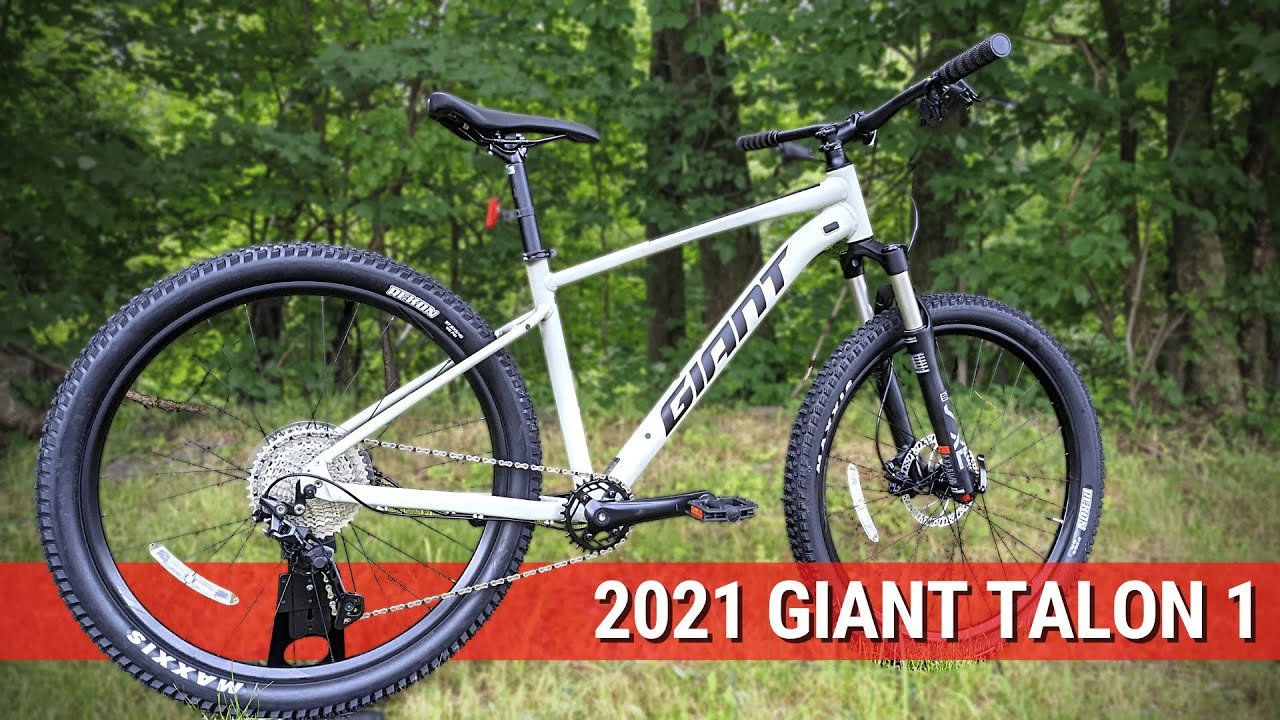
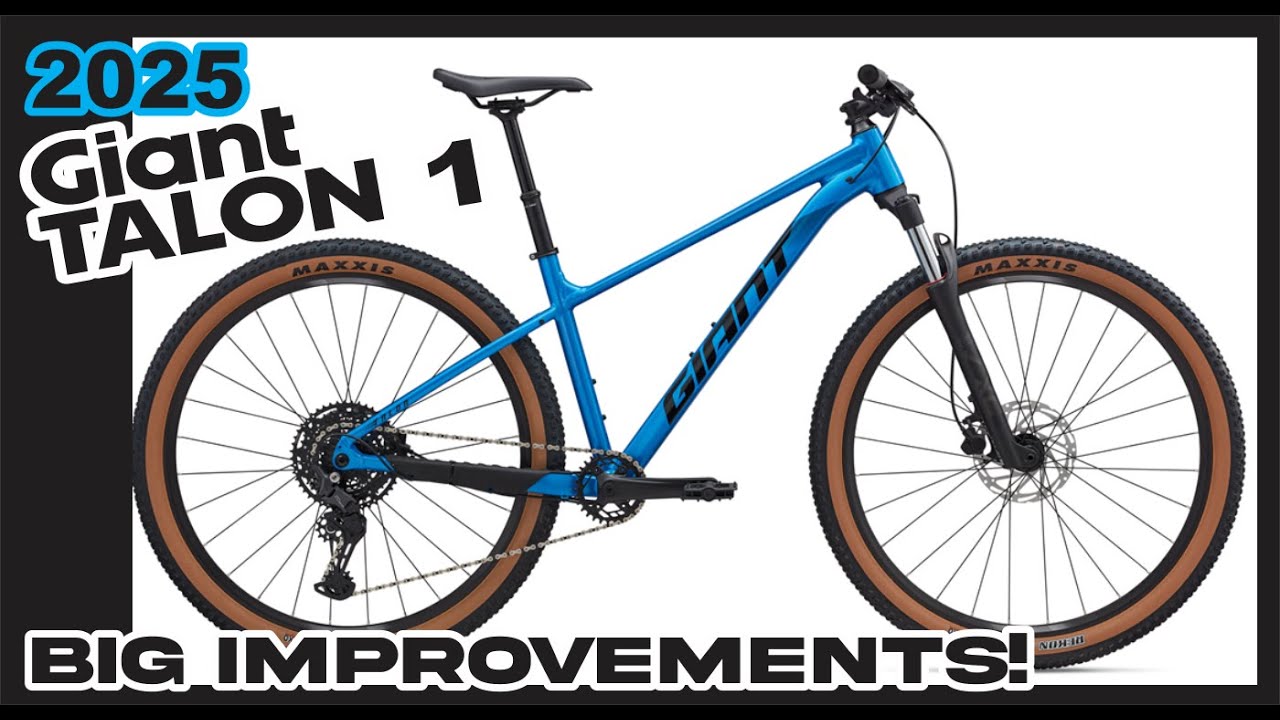
The Giant Talon 1 is a hardtail mountain bike made for riders who want a solid entry into trail riding without jumping into premium pricing. It usually comes with an aluminum frame, front suspension, wide-range gearing, and disc brakes, which gives it the basics most new mountain bikers need.
A hardtail like the Talon 1 has suspension in the front only. That keeps the bike lighter, simpler, and easier to maintain than a full-suspension model. For many riders, that makes the Giant Talon 1 a practical choice for dirt paths, light trails, fitness rides, and even commuting.
<figcaption style=”font-size: 14px; color: #555; margin-top: 8px;”>
Source: youtube.com
Is Giant Talon 1 Worth It for Most Riders?
For most beginners and casual trail riders, yes, the Giant Talon 1 is worth it. It gives you a mix of control, comfort, and reliability that feels better than many low-cost bikes in the same category. In my experience, that matters more than chasing flashy features you may never use.
The value comes from how well the bike is put together for its price. You are not just paying for a frame with parts slapped on top. You are getting a bike that feels thought out for real-world use, especially if your rides include mixed terrain, park paths, gravel, or beginner trails.
That said, “worth it” depends on your goal. If you want a bike for aggressive downhill riding, big jumps, or rough technical terrain, the Giant Talon 1 may feel limited. But if you want a dependable hardtail that can grow with you, it is a strong buy.
Giant Talon 1 Key Features That Add Value
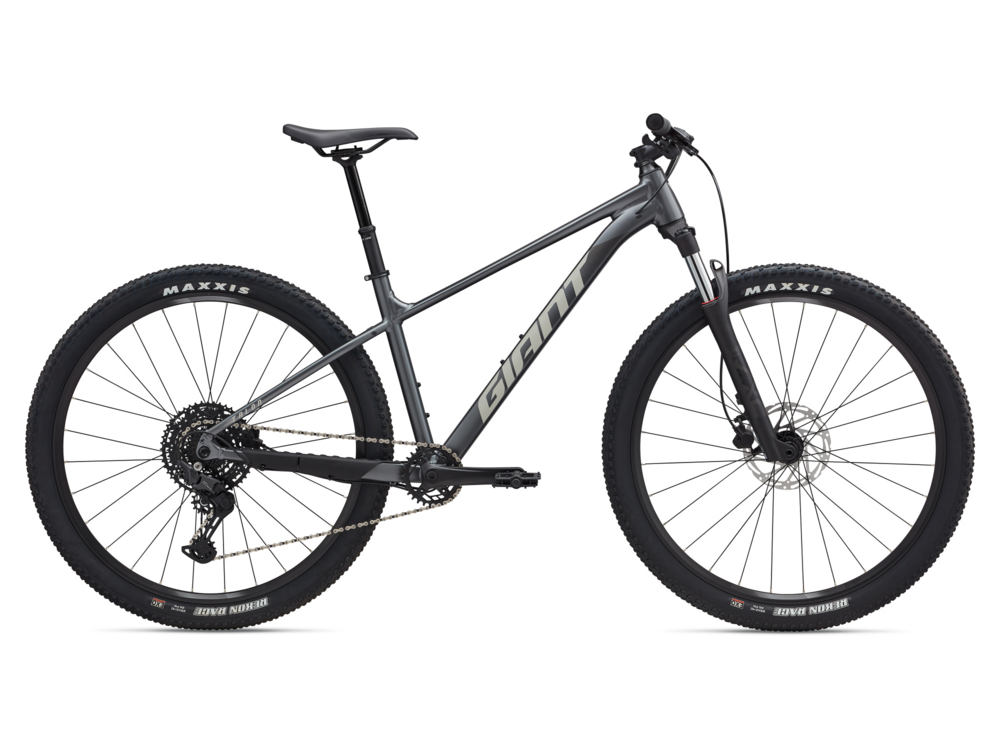
The Giant Talon 1 earns its reputation because it focuses on the essentials. It does not try to be everything. Instead, it gives you a practical setup that works well for many riders.
Aluminum frame
The aluminum frame keeps the bike light enough for climbing and everyday riding, while staying durable. I like bikes in this category that do not feel flimsy, and the Talon 1 usually lands in that sweet spot.
Front suspension fork
The front suspension helps smooth out roots, bumps, and small rocks. It is not meant for big hits, but it makes rough roads and light trails much easier to handle.
Disc brakes
Disc brakes give better stopping power than old rim brakes, especially in wet or dusty conditions. That adds confidence on descents and during sudden stops.
Wide gearing range
A broad gear range helps on climbs and flats. For new riders, that means less strain and fewer moments where the bike feels like it is working against you.
Modern trail geometry
Giant has updated the Talon line over time to feel more stable and easier to control. A bike that handles well can make a big difference when you are building confidence on the trail.
Who Should Buy the Giant Talon 1?
The Giant Talon 1 makes the most sense for certain riders. If you fit one of these groups, it is probably worth considering seriously.
- Beginners who want a real mountain bike, not a department-store bike
- Casual riders who do mixed use on trails, paths, and neighborhood roads
- Commuters who want a tough bike with a sporty feel
- Fitness riders who want a comfortable way to build endurance
- New trail riders who want a bike that can handle light off-road use
If that sounds like you, the Giant Talon 1 is likely worth it. It gives you enough performance to enjoy the ride without overwhelming you with expensive parts or complex maintenance.
Where the Giant Talon 1 Falls Short
No bike is perfect, and the Giant Talon 1 has limits. Knowing those limits helps you avoid buyer’s regret.
One thing to remember is that a hardtail is not as forgiving as a full-suspension bike on rough trails. If your local terrain is very rocky, steep, or technical, you may notice more vibration and fatigue.
Another point is that some riders may outgrow the stock setup. If you get more serious about mountain biking, you may want to upgrade wheels, tires, or drivetrain parts later. That is not a flaw, exactly, but it is something to plan for.
Here are the main tradeoffs:
- It is less comfortable on rough terrain than a full-suspension bike
- It is not ideal for aggressive downhill riding
- Stock components may feel basic to experienced riders
- Some riders may want upgrades after building skills
In other words, the Giant Talon 1 is a strong starter bike, but it is not a dream machine for advanced trail work.
Giant Talon 1 vs Other Bikes in the Same Range
When people ask whether the Giant Talon 1 is worth it, they are often comparing it to other entry-level hardtails. That is the right way to shop.
Compared with many budget bikes, the Talon 1 often feels more refined in frame design and overall ride quality. That can make a big difference on long rides, where comfort and control matter more than people expect.
Compared with higher-end hardtails, the Talon 1 will not match lighter parts, better suspension, or sharper handling. But those upgrades come with a higher price tag. If you are new to mountain biking, paying extra for advanced parts may not give you much real-world benefit yet.
A good rule of thumb:
- Choose the Giant Talon 1 if you want solid value and easy trail use
- Choose a higher-end hardtail if you already ride hard and want better parts
- Choose a full-suspension bike if your trails are rough and technical
Real-World Riding Experience: What the Talon 1 Feels Like
From a rider’s point of view, the Giant Talon 1 usually feels stable, predictable, and easy to trust. That is a big deal for newer cyclists. A bike that behaves nicely makes learning much less stressful.
I have seen riders make the same mistake many times: they buy a bike based on parts alone and ignore fit and ride feel. Then they end up with a bike that looks good on paper but feels awkward on the trail. The Talon 1 tends to avoid that trap because it is built around practical use, not just spec-sheet bragging.
On smoother trails, it feels lively enough to be fun. On rougher terrain, it reminds you that it is still an entry-level hardtail, so line choice matters. That is normal, and honestly, it is part of what makes you a better rider.
Things to Check Before You Buy
Before buying the Giant Talon 1, make sure it fits your needs, your body, and your trails. That is where a lot of smart purchases are made.
- Check frame size carefully so the bike fits your height and reach
- Think about the type of trails you ride most often
- Decide whether you need a bike for fitness, commuting, or trail use
- Compare the current build kit, since component specs can change by year and region
- Factor in pedals, helmet, tubeless setup, and other extras you may need
A bike can look like a great deal until you add the real cost of getting it trail-ready. I always tell people to leave room in the budget for accessories and setup.
Is the Giant Talon 1 Good for Beginners?
Yes, the Giant Talon 1 is a very good beginner mountain bike for many riders. It is simple enough to use without a steep learning curve, but capable enough to keep you interested as your skills improve.
Beginners often need three things most:
- A frame that feels stable
- Brakes that inspire confidence
- Components that are easy to understand and maintain
The Talon 1 checks those boxes well. It is the kind of bike that lets you focus on riding instead of worrying about constant issues.
Is the Giant Talon 1 Good for Commuting Too?
It can be, especially if your commute includes rough streets, bike paths, or mixed surfaces. The tires and upright position give you comfort and control, and the frame is sturdy enough for daily use.
That said, it is not as fast as a dedicated road or hybrid bike on pavement. If your commute is mostly smooth roads and you care about speed, a hybrid may be a better fit. If your route is a mix of road and light trail, the Giant Talon 1 makes a lot of sense.
Maintenance and Ownership Costs
One reason the Giant Talon 1 is worth it for many riders is that maintenance is usually manageable. Hardtails are simpler than full-suspension bikes, and that often means fewer headaches over time.
Basic care includes:
- Keeping the chain clean and lubed
- Checking tire pressure often
- Inspecting brake pads and cable or hydraulic performance
- Wiping down the bike after muddy rides
- Servicing the fork when needed
This is where ownership becomes more affordable. You do not need a big shop budget to keep the bike running well, and that adds to the long-term value.
Who Should Skip the Giant Talon 1?
The Giant Talon 1 is not the best pick for everyone. If you fit one of these categories, you may want to look elsewhere.
- Riders who want to hit advanced downhill trails
- Riders who need full suspension for comfort and control
- Riders who already know they will upgrade quickly
- Riders who prefer lightweight performance over value
- Riders who want the plushest fork and highest-end parts
If your riding is intense, the Talon 1 may feel like a stepping stone rather than a final bike. That is fine, but it helps to be honest about it before buying.
FAQ
Is Giant Talon 1 worth it for beginners?
Yes, it is worth it for most beginners because it offers good control, simple maintenance, and strong value. It gives new riders a real mountain bike feel without a huge price jump.
Can the Giant Talon 1 handle rough trails?
It can handle light to moderate trails well, but it is not built for very rough or aggressive terrain. For technical downhill riding, a full-suspension bike would be a better choice.
Is Giant Talon 1 good for daily use?
Yes, it can work well for commuting and everyday riding, especially on mixed surfaces. It is durable, comfortable, and versatile enough for many day-to-day needs.
Does the Giant Talon 1 need upgrades?
Not right away for most riders. You may eventually want to upgrade contact points, tires, or drivetrain parts if your riding becomes more serious, but the stock setup is usually fine to start.
How does Giant Talon 1 compare to other hardtails?
It often compares well because it balances price, frame quality, and ride feel. Some bikes may offer better parts at the same price, but the Talon 1 usually feels well-rounded and dependable.
Conclusion
The Giant Talon 1 is worth it if you want a reliable, beginner-friendly hardtail that can handle real riding without a steep price. It is not the most advanced bike in the room, but it does the important things well: it rides smoothly, handles predictably, and keeps maintenance simple.
If your goal is to get outside, build confidence, and enjoy the trail without overspending, the Giant Talon 1 is a smart choice. Take a close look at your riding style, compare sizes, and think about where you want to ride most. If you are ready to keep learning, explore more bike guides and share your own experience in the comments.