Is NEMO Tensor All-Season Sleeping Pad Worth It: 2026 Review
Yes, the NEMO Tensor All-Season Sleeping Pad is worth it for cold-weather campers who want comfort and reliable insulation.
If you spend real nights outside in shoulder season or winter, the NEMO Tensor All-Season Sleeping Pad stands out for one big reason: it tries to balance warmth, packability, and sleeping comfort without feeling like a brick in your pack. I’ve spent enough nights on “almost good enough” pads to know that a bad sleep system can ruin an otherwise great trip, so let’s look closely at whether this one truly earns its price.
What the NEMO Tensor All-Season Sleeping Pad Is Designed to Do
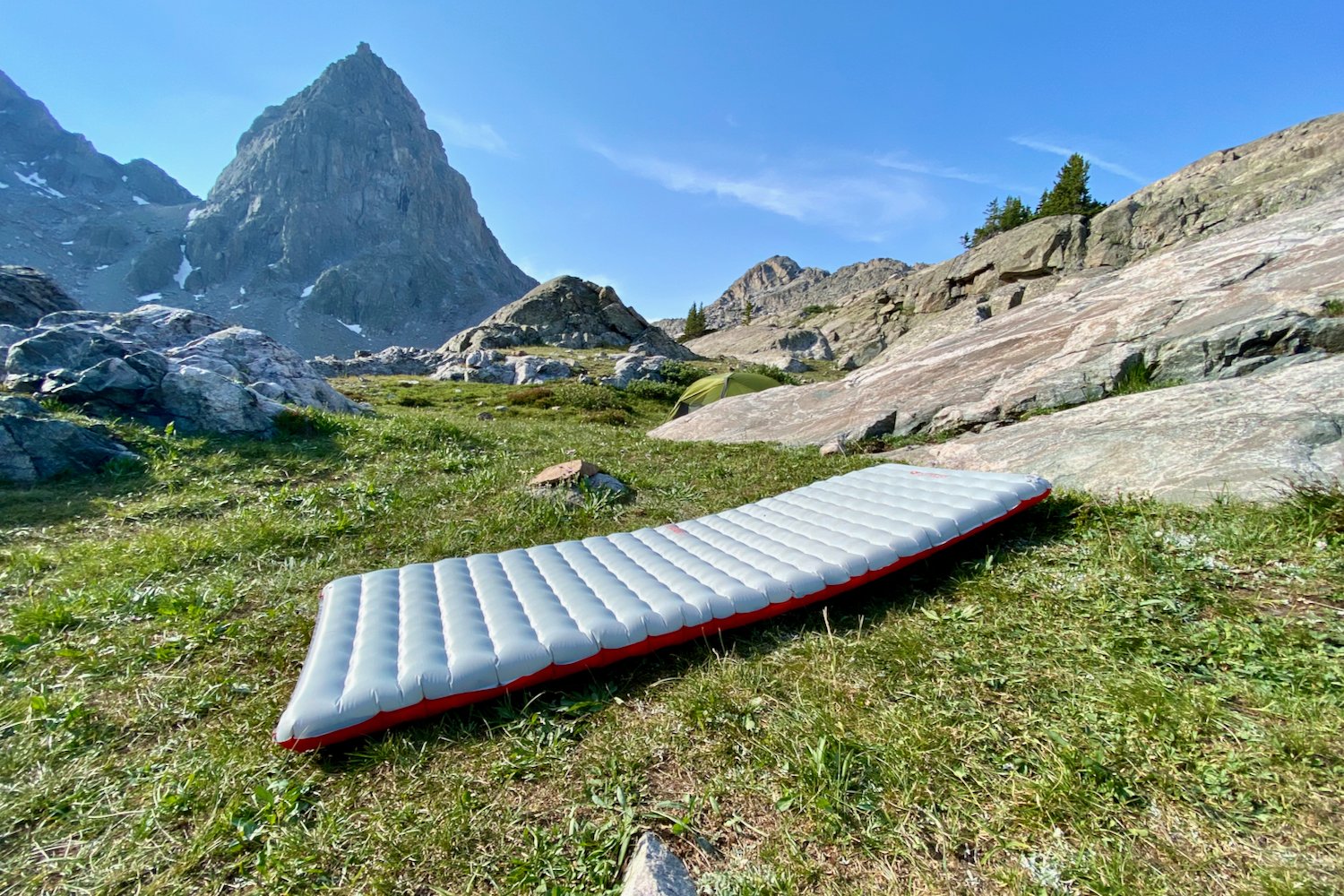
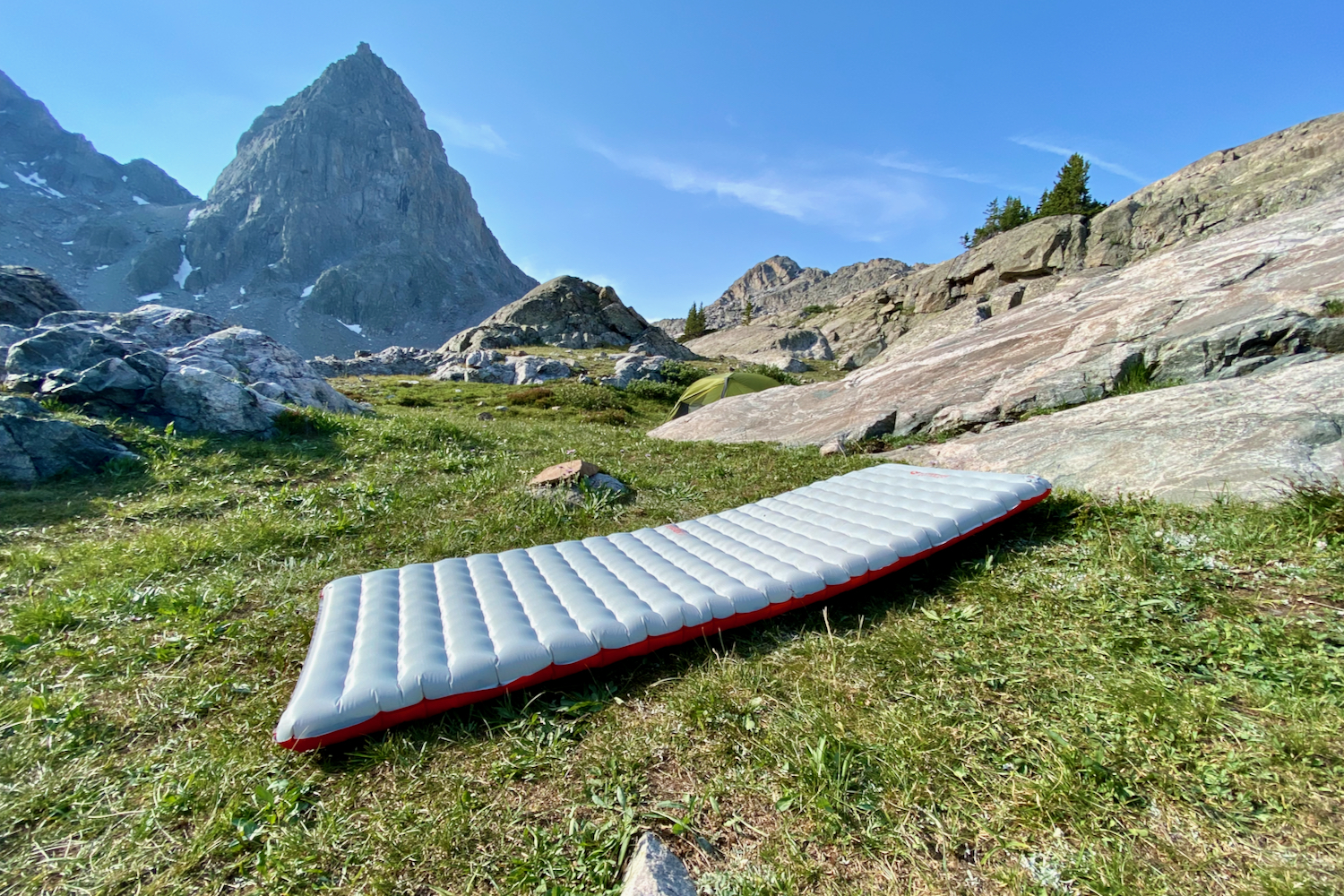
The NEMO Tensor All-Season Sleeping Pad is built for campers who need a warm, lightweight, inflatable pad with strong four-season performance. It is part of NEMO’s Tensor line, which is known for quiet materials, good cushioning, and compact packing size.
What makes the all-season version different is its higher insulation value, often listed around an R-value of 5.4. That matters because R-value measures resistance to heat loss through the pad. In plain terms, the higher the number, the better the pad helps keep your body heat from draining into cold ground.
This pad is aimed at backpackers, alpine campers, and anyone who expects cold nights. It is not just for deep winter. It can also make sense for spring and fall trips when the ground still feels cold even if the air does not.
 display: block; margin: 0 auto;”
loading=”lazy”
/>
Is the NEMO Tensor All-Season Sleeping Pad Worth It?
For many buyers, yes, but only if warmth and comfort matter more than the lowest price. The NEMO Tensor All-Season Sleeping Pad is one of those products that feels expensive until you compare it with a bad night of sleep in freezing temps.
In my experience, the biggest value is consistency. Some pads feel fine in the store but turn noisy, slick, or cold after a full night outdoors. The NEMO Tensor All-Season Sleeping Pad is better than average at avoiding those problems, especially for side sleepers and people who hate the “bag of chips” sound some air pads make.
That said, it is not the cheapest option, and it is not the lightest winter pad on the market. If your trips are mostly summer weekends, you may be paying for warmth you rarely use. But if you camp in cold weather often, the comfort-to-weight balance is very hard to ignore.
Key Features That Matter Most
The NEMO Tensor All-Season Sleeping Pad has a few features that make it stand out in a crowded market. These are the ones most buyers should pay attention to.
• R-value of about 5.4, which makes it suitable for cold ground and colder nights
• Lightweight build for a warm pad, which helps backpackers manage pack weight
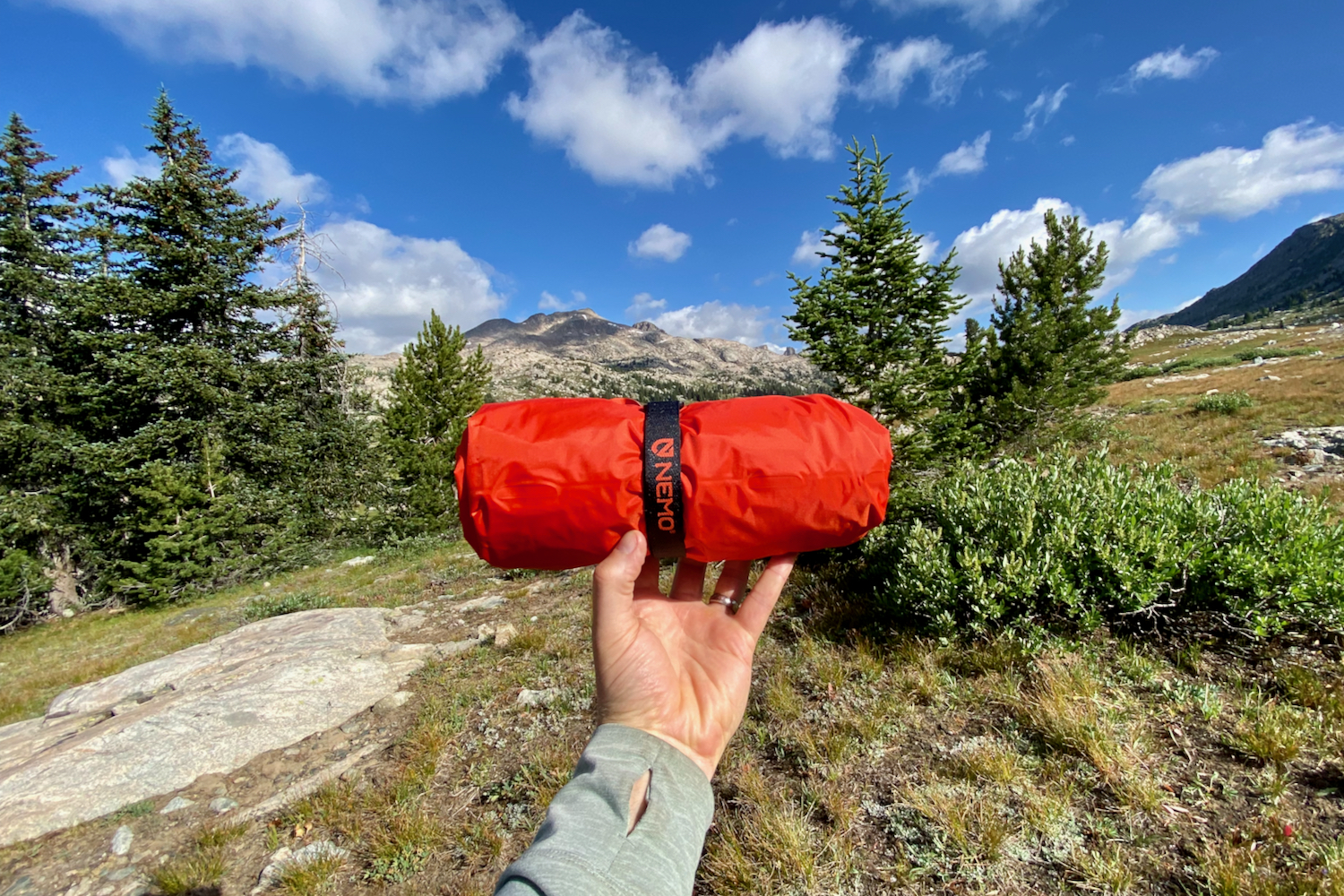
• Compact packed size, so it fits better in smaller backpacks than many foam or bulky winter pads
• Quiet fabric design, which helps reduce the crinkly noise common in inflatable pads
• Flat sleeping surface, which improves comfort for back and side sleepers
• Body-mapped internal baffles, which help support you more evenly
The real win here is that NEMO did not just chase warmth. It also tried to make the pad feel livable. That matters because a warm pad that feels like sleeping on a pool float is not much help after mile 12.

Warmth and Insulation Performance
Warmth is the main reason people look at the NEMO Tensor All-Season Sleeping Pad. With an R-value around 5.4, it is designed for cold-weather use and should perform well for most three-season plus light winter conditions.
That R-value is in the range many backpackers want for shoulder season and winter camping. Industry testing now uses the ASTM F3340 standard, which is helpful because it gives buyers a more reliable way to compare pads across brands. That makes the Tensor All-Season easier to evaluate than older pads with vague warmth claims.
From a real-world point of view, R-value is only part of the story. Ground type, sleeping bag quality, tent floor insulation, and your own cold tolerance all matter. But if you are sleeping on frozen dirt, snow, or cold rock, this pad gives you a much better chance of staying comfortable through the night.
Comfort on the Trail and at Camp
Comfort is where the NEMO Tensor All-Season Sleeping Pad earns a lot of fans. It has a stable, even feel that works well for side sleepers, which is not always true for ultralight pads.
The pad does a good job of keeping pressure off hips and shoulders. I have found that a flatter sleep surface tends to matter more than people think, especially after a long hike when your body is already tired and sore. A pad that shifts you into the center or makes you feel like you are balancing on air can break sleep fast.
Another nice point is noise. Many inflatable pads sound loud in a tent, especially if you move around a lot. The Tensor line is usually quieter than many rivals, and that can be the difference between light, broken sleep and a decent night.
Weight, Packed Size, and Backpacking Use
For backpackers, weight and pack size are never small details. The NEMO Tensor All-Season Sleeping Pad sits in a useful middle zone: warm enough for cold trips, but still compact enough to carry on longer hikes.
It is not the absolute lightest sleeping pad in its class, and that is worth saying clearly. If shaving every ounce is your top priority, some ultralight options may look better on paper. But many of those lighter pads give up warmth, durability, or comfort.
This is where the Tensor All-Season feels practical. It is the kind of gear that does not force you to choose between sleep and savings on weight. For me, that is often the sweet spot for real trips, not just gear lists.
Durability and Build Quality
Durability is a fair concern with inflatable sleeping pads, because any air pad can fail if treated badly. The NEMO Tensor All-Season Sleeping Pad is not indestructible, but its construction is generally viewed as strong for a lightweight pad.
The outer fabric is meant to handle normal backcountry use, but you still need basic care. Clear sharp sticks from your sleeping area. Use a ground sheet if the terrain is rough. And never inflate or store it carelessly near hot surfaces or sharp gear.
One lesson I learned the hard way with inflatable pads is this: even good gear can feel fragile if you rush setup. A careful camp routine extends pad life more than most people expect. With the Tensor All-Season, that habit pays off because you are investing in a premium pad.
Who Should Buy It
The NEMO Tensor All-Season Sleeping Pad makes the most sense for specific campers. It is not a one-size-fits-all product, and that is actually a good thing.
It is a strong fit for:
• Backpackers who camp in cold or mixed weather
• Side sleepers who want more cushion and stability
• Campers who want a quiet inflatable pad
• People who value warmth but still care about packability
• Winter or shoulder-season hikers who need reliable ground insulation
It may not be the best choice for:
• Budget shoppers who only camp a few warm nights each year
• Ultralight purists who care more about grams than comfort
• Car campers who do not need a compact pad
• Users who want the lowest possible cost per use
If your trips often involve cold ground, the pad earns its keep quickly. If your camping life is mostly summer and easy weather, the value drops.
How It Compares to Other Sleeping Pads
The NEMO Tensor All-Season Sleeping Pad sits in a competitive field. Many pads promise warmth, but fewer combine that warmth with a quiet feel and compact pack size.
Compared with many budget inflatable pads, it usually feels more refined and comfortable. Compared with some winter-focused pads, it may be a bit less specialized, but easier to carry. Compared with foam pads, it gives better comfort and packability, though foam can win on durability and simplicity.
Here is the simplest way to think about it:
• Choose the Tensor All-Season if you want warm, quiet, comfortable sleep in a compact package
• Choose a cheaper pad if your main goal is saving money
• Choose a foam or self-inflating pad if you want a lower-maintenance, more rugged setup
• Choose a heavier winter pad if your trips are extreme and weight matters less
That tradeoff is why the NEMO Tensor All-Season Sleeping Pad often ends up in “best for comfort and warmth” conversations. It is a polished product, not a bargain one.
Real-World Tips Before You Buy
Before buying the NEMO Tensor All-Season Sleeping Pad, think through how you actually camp. Gear regrets usually come from buying for a fantasy trip instead of your normal trips.
A few practical tips:
• Check the packed dimensions to make sure it fits your pack
• Match the pad to your sleeping bag or quilt temperature rating
• Consider a wider version if you move a lot in your sleep
• Use a repair kit and learn how to patch a leak before your first big trip
• Inflate it at home once to confirm comfort and make sure there are no defects
One mistake I see often is people buying a warm pad but using it with a weak sleep bag. The pad can only protect you from ground cold. If the rest of your sleep system is underbuilt, you still get cold.
Value for Money
The value question is where the decision gets personal. The NEMO Tensor All-Season Sleeping Pad is not cheap, but good sleep gear rarely is. If you camp enough to care about sleep quality, the higher cost can make sense over time.
Think of it like buying better shoes for a long hike. A cheap pair can work for a while, but if they leave you miserable, the savings vanish fast. The same logic applies here. A warmer, quieter, more comfortable pad can improve the entire trip, not just the night.
The best value case is for frequent cold-weather campers. The weakest value case is for casual summer campers who will never use the full insulation potential.
Frequently Asked Questions
Is the NEMO Tensor All-Season Sleeping Pad good for winter camping?
Yes, it is a solid choice for winter camping in many conditions, especially for backpackers who want a balance of warmth and packability. Its R-value is high enough for cold ground, though very harsh winter conditions may call for extra insulation or a higher-end system.
Is the NEMO Tensor All-Season Sleeping Pad noisy?
It is generally quieter than many inflatable sleeping pads. The quieter fabric helps reduce rustling sounds, which is a big plus if you move around a lot at night.
Is the NEMO Tensor All-Season Sleeping Pad comfortable for side sleepers?
Yes, many side sleepers find it comfortable because it has good cushioning and a stable sleeping surface. If you are sensitive to pressure on your hips and shoulders, this pad is a strong candidate.
How durable is the NEMO Tensor All-Season Sleeping Pad?
It is durable for normal backpacking use, but like all inflatable pads, it should be treated with care. Sharp rocks, sticks, and poor storage habits can shorten its life, so careful setup matters.
Is the NEMO Tensor All-Season Sleeping Pad worth the price?
For campers who sleep in cold weather often, yes, it can be worth the cost. If you only camp a few times a year in mild weather, the price may be harder to justify.
Can you use the NEMO Tensor All-Season Sleeping Pad in summer?
Yes, you can use it in summer, but you may be carrying more warmth than you need. That is not a problem if you camp in mixed seasons, but summer-only campers may prefer a lighter, less insulated pad.

Conclusion
The NEMO Tensor All-Season Sleeping Pad is worth it if you want real warmth, good comfort, and a packable design for cold or mixed-weather trips. It is not the cheapest choice, but it solves the exact problems that keep many campers awake: cold ground, noisy fabric, and poor pressure relief.
If you camp in shoulder season or winter, this pad can be a smart upgrade that improves every night outside. If you only camp occasionally in warm weather, you may be better off saving money for a simpler pad. Take a close look at your camping style, compare a few options, and choose the sleep system that fits your real life, not just your gear wish list.