Is Goal Zero Lighthouse 600 Lantern Worth It? Honest Review
When you’re searching for a portable lantern, especially for camping or emergency use, the options can be overwhelming. Among the many choices, the Goal Zero Lighthouse 600 Lantern often stands out. Some people praise its features, while others question if the price matches the performance. If you’re wondering whether the Lighthouse 600 is worth your money, this article will give you a detailed, unbiased look. We’ll explore how it works, its strengths and weaknesses, and how it compares with other popular lanterns. By the end, you’ll know if the Lighthouse 600 is the right choice for your needs.
What Is The Goal Zero Lighthouse 600 Lantern?
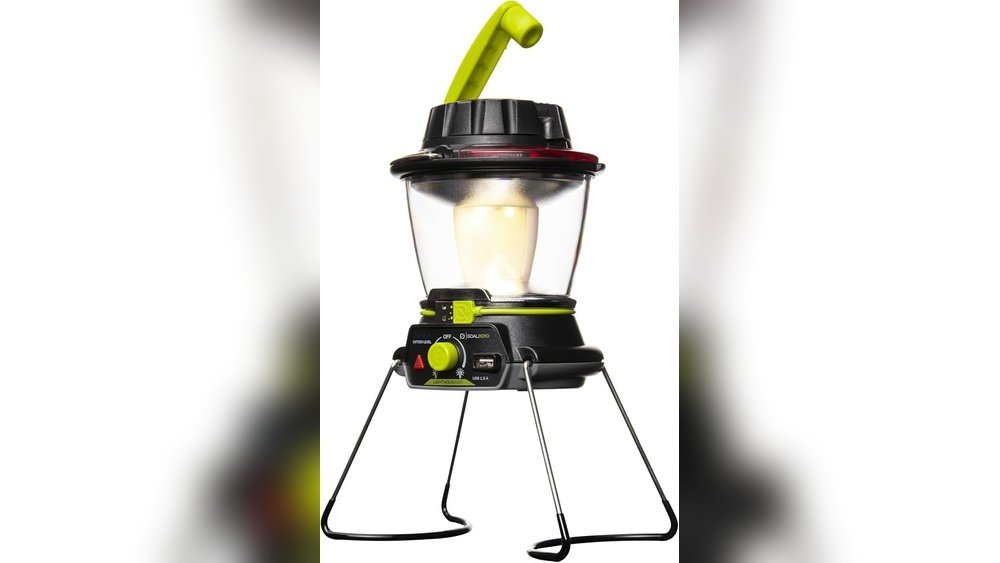
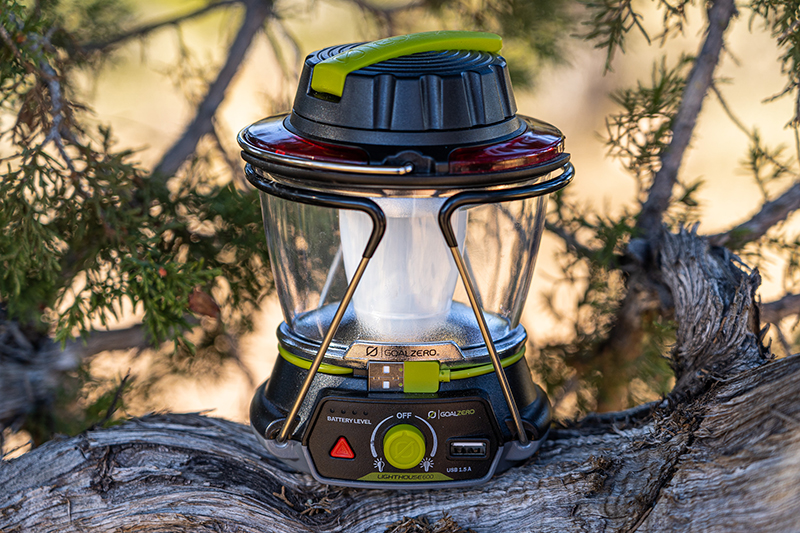
The Lighthouse 600 is a rechargeable LED lantern made by Goal Zero, a company known for its portable power solutions. It’s designed for both outdoor adventures and emergency situations at home. The “600” in the name refers to its maximum lumen output, which is bright enough to light up a small campsite or room. The lantern features a built-in handle, collapsible legs, adjustable brightness, and the ability to charge your devices through a USB port.
Key Features At A Glance
- 600 lumens maximum brightness
- Rechargeable battery (5200mAh, lithium-ion)
- USB output for charging phones and small devices
- Collapsible legs for stability and storage
- Crank handle for emergency power generation
- Multiple light modes (full, half, and directional)
- Hanging hook and integrated handle

Design And Build Quality
The Lighthouse 600 feels sturdy in hand. It’s made of tough plastic with rubberized corners, offering some protection from bumps. The collapsible legs fold out to keep the lantern steady on uneven surfaces. When not in use, the legs tuck under the body, making the lantern more compact for packing.
The lantern weighs about 1. 1 pounds (498 grams), so it’s not ultra-light, but it’s manageable for most people. The handle and hanging hook add to its versatility. You can hang it inside a tent or carry it like a flashlight.
The simple, twist-style knob controls the brightness and direction of the light, making it easy for anyone to use—even kids.
Brightness And Lighting Modes
You get up to 600 lumens, which is more than enough for most camping and emergency situations. At maximum brightness, it can light up a 10–12 person tent or a small room. If you use only one side or reduce the brightness, you can extend battery life.
There are three main lighting modes:
- Full 360° – All LEDs on, for maximum brightness
- 180° half – Only half the LEDs on, to save power
- Directional – Focuses light to one side, further conserving energy
This flexibility means you can adjust for reading, cooking, or simply creating a softer mood.
Battery Life And Charging
The internal battery is rated at 5200mAh. How long it lasts depends on your settings:
- Full brightness (600 lumens): Around 2.5 hours
- Half brightness: 5–6 hours
- Low setting: Up to 48 hours
You recharge the lantern using a USB cable (included). It takes about 6 hours to fully charge from a wall charger or power bank. If you have a Goal Zero solar panel, you can connect it directly (solar panels sold separately).
One unique feature is the hand crank. In an emergency, 1 minute of cranking gives you about 10 minutes of light on the low setting. This is helpful if you forget to charge before a storm or lose power for several days.
Device Charging Capability
The Lighthouse 600 acts as a power bank. You can charge your phone, GPS, or camera with the USB-A output. With 5200mAh, you’ll get about 1–2 full charges for most smartphones. Charging is slower than with a wall outlet, but it’s a lifesaver in the wild or during blackouts.
Just remember: using the lantern to charge devices will drain its battery faster. If you need to charge multiple devices, consider bringing a separate power bank.
Durability And Weather Resistance
This lantern is not waterproof, but it is rated as weather-resistant. It handles light rain and humidity, but you shouldn’t leave it out in a downpour. The rubberized edges protect against small drops and bumps, making it suitable for camping and hiking.
If you need a lantern for frequent use in harsh weather, you might look for something with a higher IP (Ingress Protection) rating. For most users—campers, RV owners, and home emergency kits—the Lighthouse 600 offers enough durability.
Real-world Performance
Using the Lighthouse 600 is simple. Twist the knob to control brightness and direction. The light is warm (not harsh white), which makes it easy on the eyes at night. The legs give stability on dirt or gravel, and the hook helps hang it from tree branches or tent poles.
Campers like the lantern for its even light spread and the ability to run for days at low brightness. Emergency preppers value the hand crank and the option to charge phones. Families appreciate that it’s intuitive for kids.
A common tip: If you want the battery to last longer, keep the brightness low or use the half-light setting. This small change can stretch battery life from a single night to several days.
Comparing The Goal Zero Lighthouse 600 With Similar Lanterns
To see if the Lighthouse 600 is worth it, it helps to compare it with other top lanterns. Here’s a quick look at how it stacks up against two popular models: the Black Diamond Apollo Lantern and the BioLite BaseLantern XL.
| Feature | Goal Zero Lighthouse 600 | Black Diamond Apollo | BioLite BaseLantern XL |
|---|---|---|---|
| Max Brightness | 600 lumens | 225 lumens | 500 lumens |
| Battery Capacity | 5200mAh | 2600mAh (replaceable AA) | 12000mAh |
| USB Output | Yes | No | Yes |
| Recharge Time | 6 hours (USB) | 6-8 hours (USB) | 4 hours (USB) |
| Hand Crank | Yes | No | No |
| Weather Resistance | Weather-resistant | Water-resistant (IPX4) | Weather-resistant |
| Weight | 1.1 lbs | 0.8 lbs | 1.3 lbs |
| Price (approx.) | $70 | $60 | $100 |
This table highlights some differences. The Lighthouse 600 is brighter than both competitors and includes a hand crank for emergencies. The BioLite offers a larger battery but costs more. The Apollo is lighter, but not as bright and lacks USB output.
Who Should Buy The Lighthouse 600?
The Lighthouse 600 fits people who need:
- Bright, adjustable lighting for camping, RVing, or home emergencies
- A rechargeable battery with USB output
- The option to generate emergency power by hand
- A lantern with stable legs and a hanging hook
- Simple controls suitable for all ages
It’s not the best choice if you need:
- A waterproof lantern for kayaking or extreme weather
- The lightest possible lantern for ultralight backpacking
- A device to charge tablets or multiple phones every day
Value For Money: Is It Too Expensive?
At around $70, the Lighthouse 600 sits in the middle of the market for rechargeable lanterns. It’s not the cheapest, but it offers features that budget models skip—like the hand crank and USB charging.
Here’s what you get for the price:
- Reliable emergency lighting
- Power for small devices
- Rugged, camp-ready build
- Trusted brand support
Some users find the price high compared to basic LED lanterns. But if you value versatility and emergency readiness, the cost is easier to justify. For many, the peace of mind is worth a little extra.
Unique Insights And Overlooked Details
- Hand Crank Output Is Modest: Some beginners expect the hand crank to fully recharge the lantern. In reality, it’s only for short bursts of light. Cranking for 10 minutes gives about 1–2 hours on the lowest setting—not enough for all-night use, but enough to read a map or find your way.
- Solar Panel Compatibility: If you own a Goal Zero solar panel (like the Nomad 7 or 10), you can charge the Lighthouse 600 directly. This isn’t true for all lanterns, and it’s a big plus for off-grid use.
- Battery Maintenance: Lithium-ion batteries last longer if you don’t leave them fully discharged for weeks or months. Recharge the lantern every few months, even if you haven’t used it. This small step can extend battery life by years.
- USB Output Limitation: The USB port gives 1.5A (not 2.1A or higher). It’s fine for phones, but will charge tablets slowly, and may not work with some larger devices.
- Light Temperature Is Comfortable: The LEDs are warm-toned, which is gentler on the eyes than the blue-white light of some cheaper lanterns. This matters for long nights or reading.
Pros And Cons
Here’s a summary to make your decision easier:
Pros:
- Bright, even lighting (up to 600 lumens)
- Rechargeable battery with USB output
- Hand crank for emergency use
- Sturdy, stable design
- Multiple lighting modes
- Solar panel compatible
Cons:
- Not waterproof
- Heavier than some alternatives
- Hand crank is slow for full recharging
- USB output is not the fastest
How To Get The Most Out Of Your Lighthouse 600
- Use lower brightness for longer battery life.
- Recharge after every trip—don’t store it empty.
- Pair with a solar panel for long off-grid adventures.
- Test the hand crank before you need it in an emergency.
- Clean the lens and charging port regularly to avoid dirt build-up.
Common Mistakes To Avoid
- Relying only on the hand crank: It’s for emergencies, not daily charging.
- Storing the lantern fully discharged: This can shorten battery life.
- Using high brightness all the time: Drains battery quickly.
- Exposing to heavy rain: It’s weather-resistant, not waterproof.
Real User Experiences
Many campers, hikers, and homeowners share positive stories. One user described using the lantern during a three-day power outage—charging phones, lighting their kitchen, and keeping kids calm. Another praised its performance during hurricane season, especially the hand crank when their generator failed.
A few users wish the lantern was lighter, or that it charged faster. Some found the legs a bit tricky on very soft ground, but most agree the stability is better than flat-bottom lanterns.
How The Lighthouse 600 Stands Out
While there are many lanterns on the market, the Lighthouse 600 is unique because it combines emergency features (hand crank, USB output) with high brightness and adjustable lighting. Most lanterns only offer one or two of these features.
For people who want a do-it-all lantern for camping, home, and emergencies, it’s hard to find a better mix.
Alternatives To Consider
If you’re not sure the Lighthouse 600 fits your needs, here are three other models worth looking at:
- BioLite BaseLantern XL – Higher battery capacity, app control, but heavier and pricier.
- Black Diamond Apollo – Lighter, water-resistant, but dimmer and no USB output.
- Fenix CL30R – Waterproof, very bright, but more expensive and heavier.
These alternatives each have their own strengths. If you want more data, check the manufacturer’s official pages or reviews from trusted sources like Outdoor Gear Lab.

Data Table: Quick Feature Comparison (top 3 Lanterns)
| Model | Brightness | Battery Size | Rechargeable | USB Output | Weight | Hand Crank |
|---|---|---|---|---|---|---|
| Goal Zero Lighthouse 600 | 600 lumens | 5200mAh | Yes | Yes | 1.1 lbs | Yes |
| BioLite BaseLantern XL | 500 lumens | 12000mAh | Yes | Yes | 1.3 lbs | No |
| Black Diamond Apollo | 225 lumens | 2600mAh | Yes | No | 0.8 lbs | No |
Practical Scenarios: Is It Worth It For You?
- For Family Camping: The Lighthouse 600 is bright enough for large tents and easy for kids to use. The device charging feature helps if someone forgets their phone charger.
- For Emergency Kits: The hand crank and long battery life make it a strong choice. It’s better than basic battery lanterns that need frequent battery changes.
- For Solo Backpackers: It’s on the heavy side. If weight is your top concern, look for lighter options. But for car camping or RV travel, the weight isn’t an issue.
- For Power Outages: Great for lighting rooms, reading, or charging phones. Just remember to keep it charged or pair with a solar panel.
Final Verdict: Is The Goal Zero Lighthouse 600 Lantern Worth It?
If you want a lantern that covers most situations—camping, power outages, emergencies—the Goal Zero Lighthouse 600 is a solid investment. It combines high brightness, backup charging, and emergency features in a rugged package. While not the cheapest, its reliability and flexibility make it a favorite for many outdoor and home users. If you need a lighter or waterproof lantern, there are better options. But for most people, the Lighthouse 600 is a smart, dependable choice.
Frequently Asked Questions
How Long Does The Goal Zero Lighthouse 600 Last On One Charge?
On the lowest setting, it can last up to 48 hours. At full brightness, expect about 2.5 hours. The actual time depends on brightness level and how much you use the USB charging feature.
Can The Hand Crank Fully Recharge The Lantern?
No. The hand crank is for short-term emergency use. Cranking for 1 minute gives about 10 minutes of light on low. It would take hours of cranking to fully recharge the battery.
Is The Lighthouse 600 Waterproof?
It is weather-resistant, which means it can handle light rain and humidity. However, it is not waterproof and should not be submerged or left in heavy rain.
Can I Use Solar Panels To Charge The Lighthouse 600?
Yes. The lantern works with Goal Zero Nomad solar panels (sold separately). This is useful for long trips or off-grid use.
How Does The Lighthouse 600 Compare To Cheaper Led Lanterns?
The Lighthouse 600 offers higher brightness, USB device charging, and a hand crank for emergencies. Cheaper lanterns may lack these features and often use disposable batteries instead of a rechargeable pack.