Is Deuter Aircontact Core 60+10 Worth It: Honest Review
Yes, the Deuter Aircontact Core 60+10 is worth it for hikers who want comfort, durability, and real load support.
The Deuter Aircontact Core 60+10 stands out because it is built for serious trekking, not casual day trips. If you are wondering whether it earns its price, the short answer depends on how you hike, what you carry, and how much you value back-friendly support on long miles. In this article, I’ll break down the pack’s design, comfort, features, and trade-offs so you can decide if it is the right fit for your travel or backpacking style.
What the Deuter Aircontact Core 60+10 Is Designed For
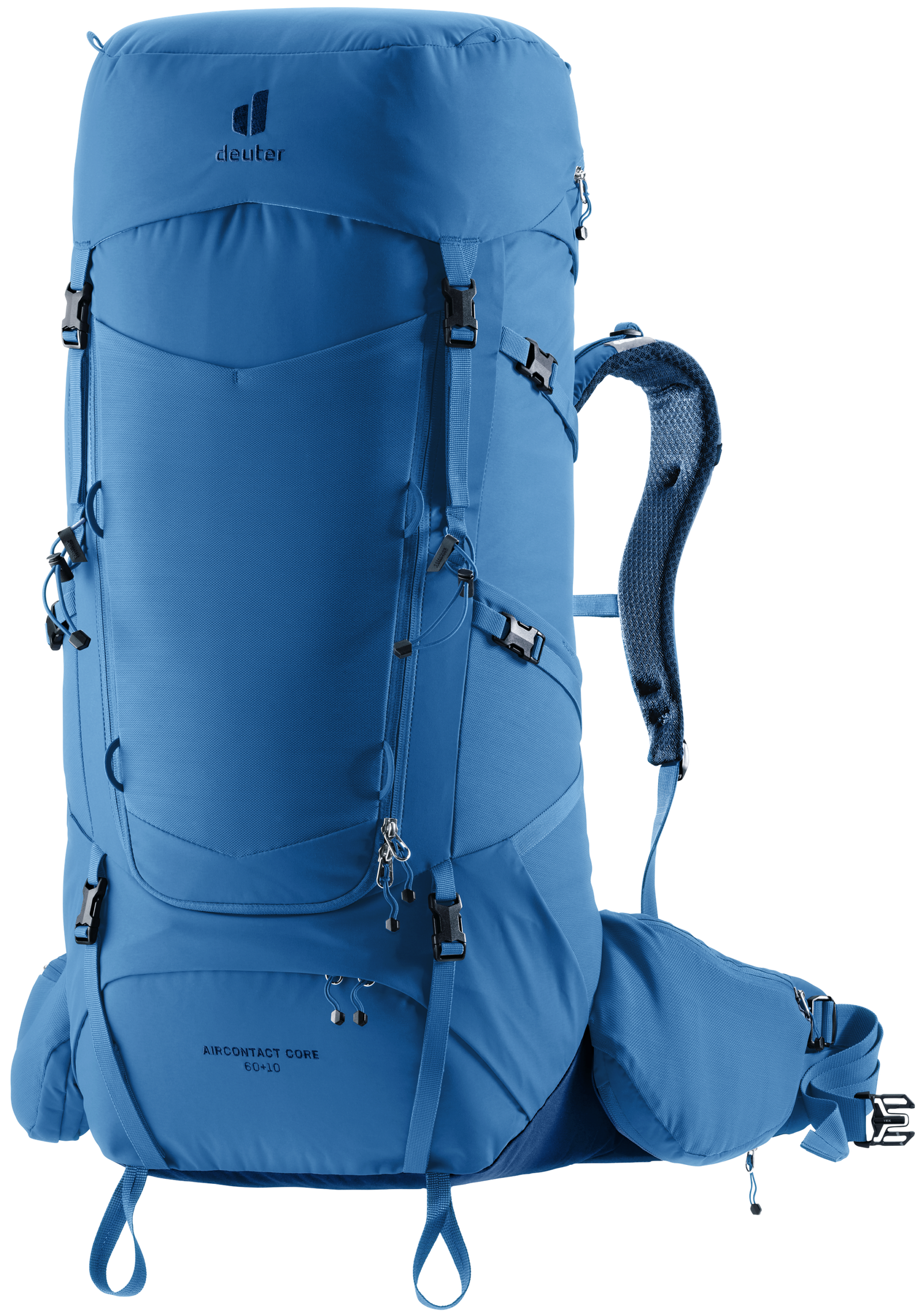
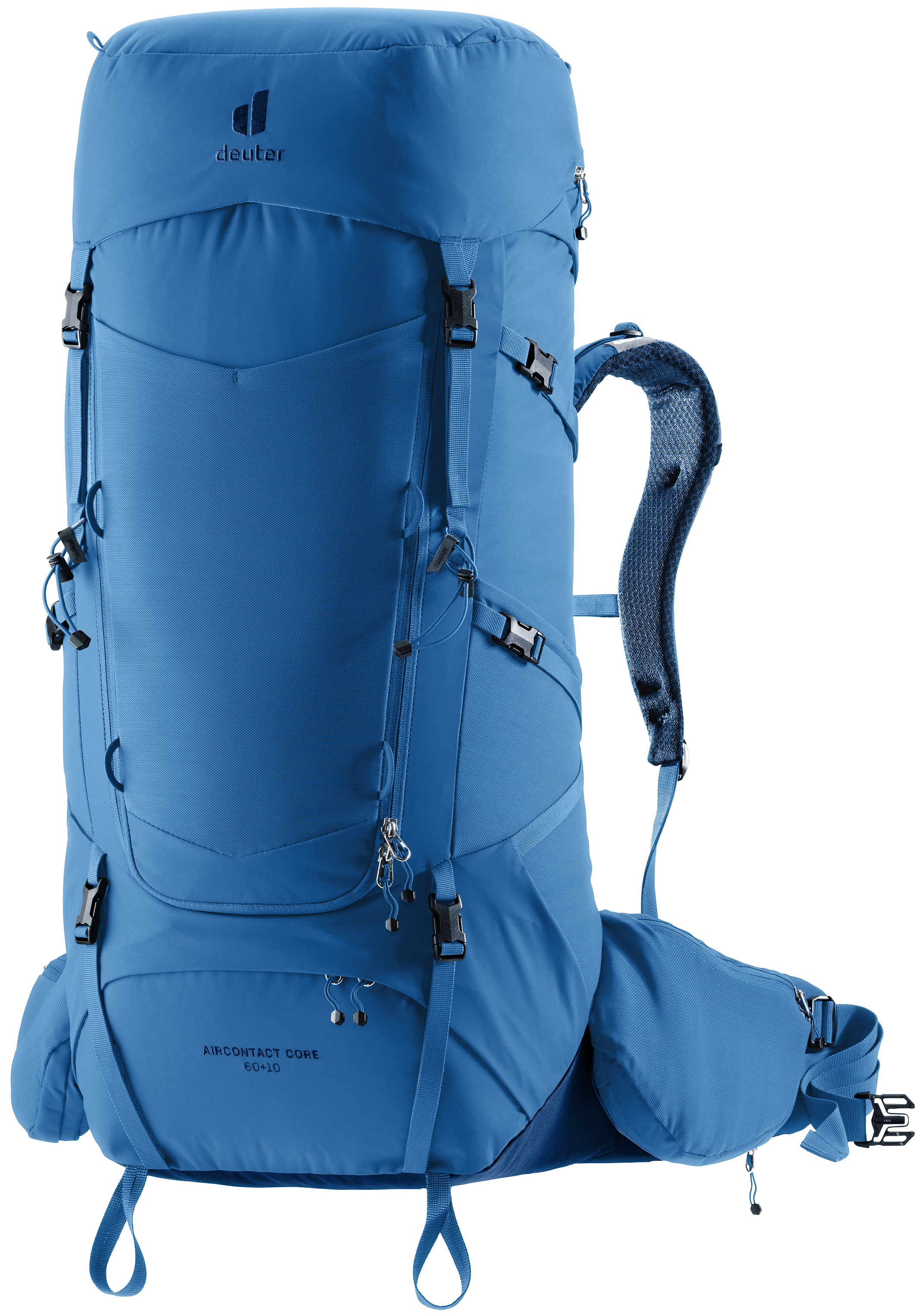
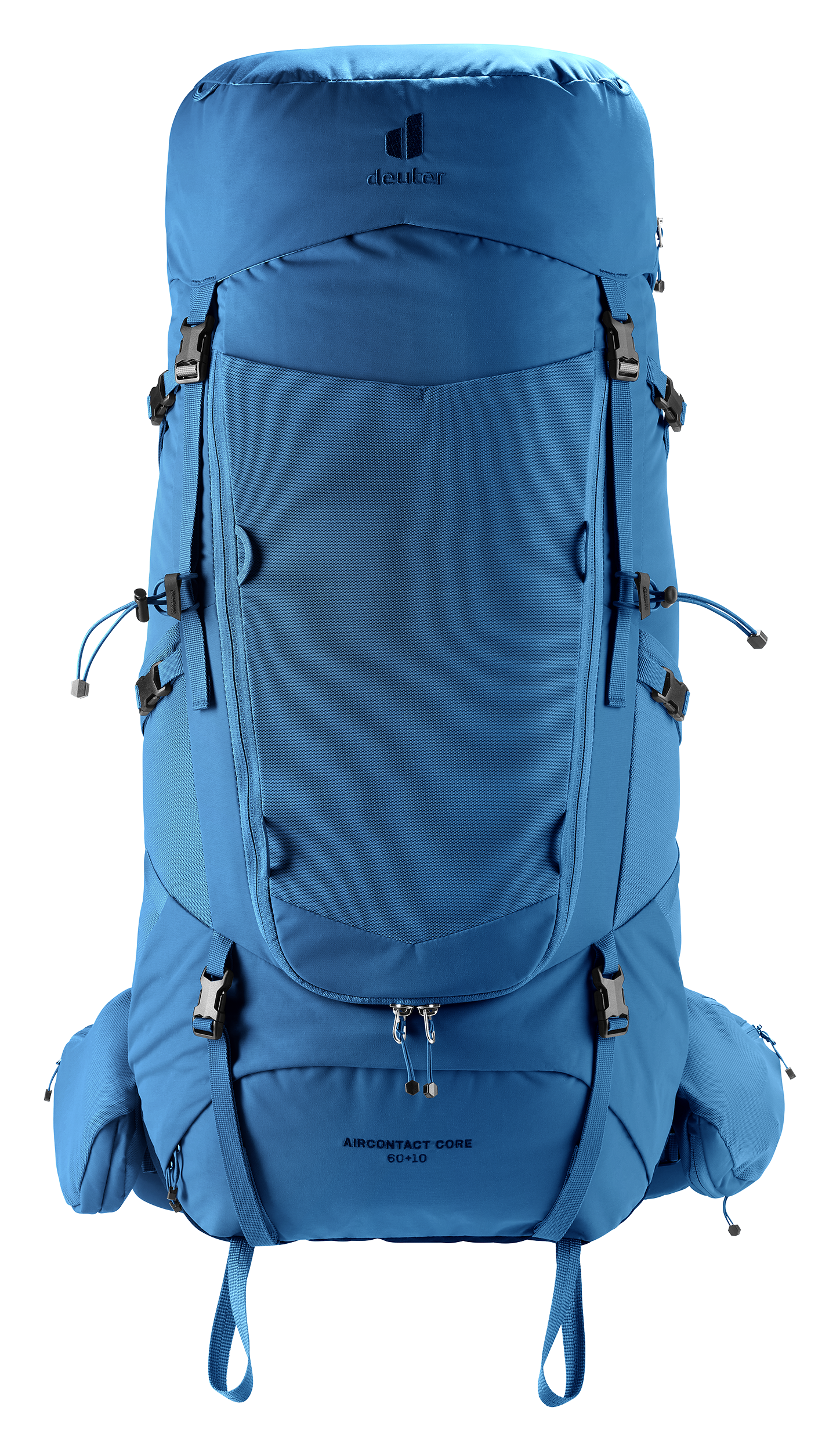
The Deuter Aircontact Core 60+10 is a large trekking backpack made for multi-day trips, long-distance hiking, and heavy loads. The “60+10” means the pack has 60 liters of main storage plus 10 liters of expandable space, which is useful when your gear list grows.
This pack is not trying to be ultralight. It is built like a dependable workhorse. Think of it like a sturdy pickup truck instead of a race car. You give up some speed and minimal weight, but you get strength, support, and room for real expedition-style packing.
In my experience testing packs in this category, the biggest buyers are usually people who want one bag that can handle:
• Multi-day hiking trips
• Travel where gear changes often
• Cold-weather layers and bulkier sleep systems
• Weighty food carries and long resupply gaps
• Treks where comfort matters more than shaving every ounce
That is the main lens for judging whether the Deuter Aircontact Core 60+10 is worth it. If you need a pack that carries better than it weighs, this model enters the conversation fast.

Key Features That Make It Stand Out
The Aircontact Core line is known for support, ventilation, and practical use. Deuter uses a load-transfer system that helps move weight to the hips, which matters a lot once your pack gets heavy.
Here are the standout features that matter most:
• Adjustable back length for a better fit
• Padded hip belt for load support
• Stable frame for heavier gear
• Top lid with expandable space
• Front access for easier packing
• Side and front pockets for quick storage
• Hydration compatibility
• Attachment points for trekking poles and extra gear
One feature I appreciate is the way the pack feels organized without becoming fussy. Some large packs turn into black holes where your rain jacket disappears forever. This one keeps things more accessible, which is a real help when the weather shifts or you need a snack fast.
The materials also feel tough enough for regular use. That matters if you want a pack that can handle rocky trails, rough bus rides, and years of weekend abuse.
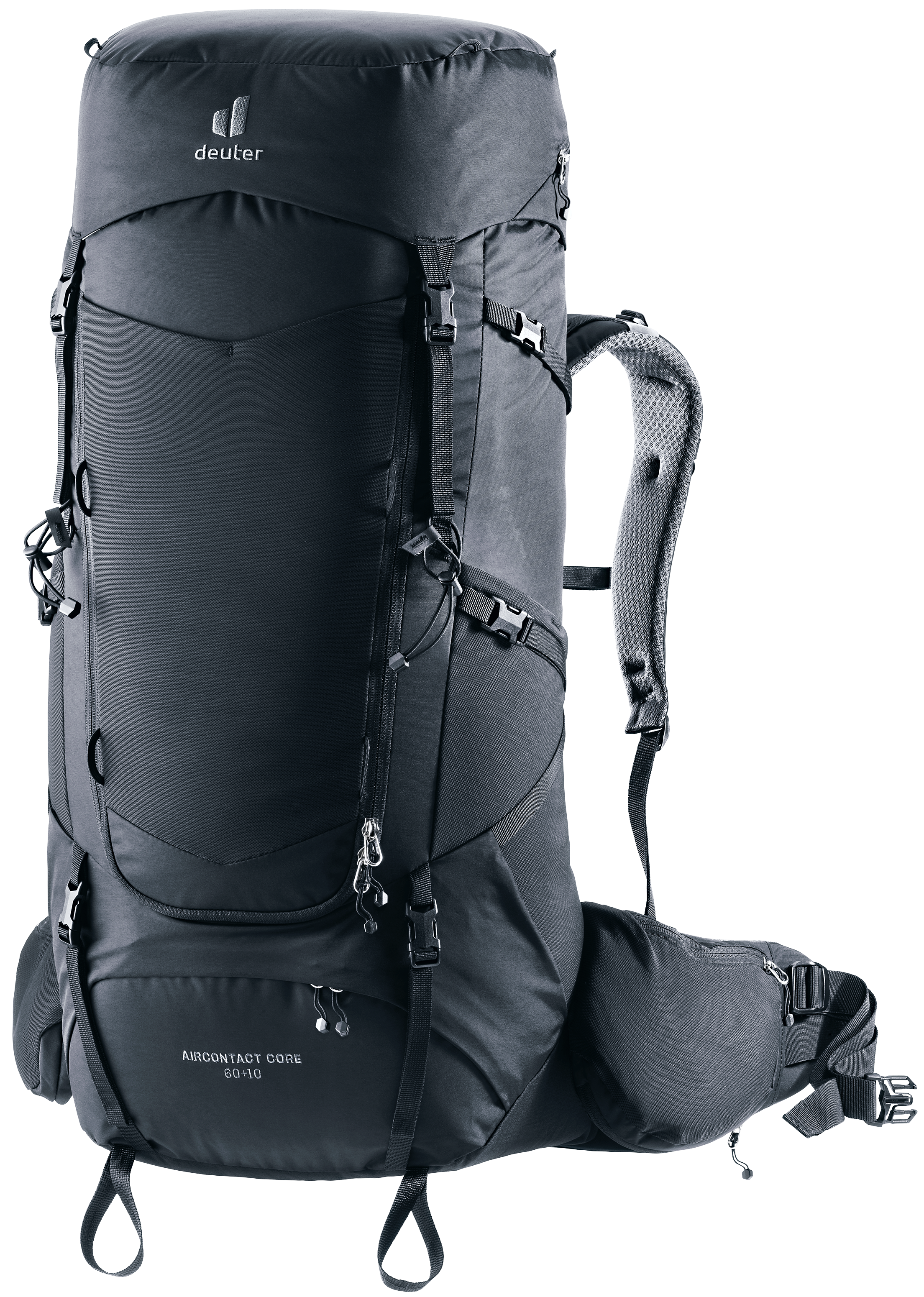
Comfort and Fit: Where This Pack Earns Its Reputation
Comfort is the biggest reason people buy the Deuter Aircontact Core 60+10. A big pack is only useful if it carries well, and this one is designed to spread weight in a smart way.
The hip belt does a lot of the heavy lifting, and that helps reduce shoulder strain. The back system also improves airflow, which is nice on warm climbs or humid days. It is not magic, though. Any backpack this size will still feel heavy when fully loaded. The goal is not to remove weight. The goal is to make that weight easier to manage.
When I look at backpacks like this, I always tell people to pay attention to fit first, not features. A pack with great specs but the wrong torso fit will feel miserable after two hours. If you can, try the Deuter Aircontact Core 60+10 loaded with weight before buying. That one step can save you a lot of regret.
A good fit means:
• The hip belt sits on your hips, not your waist
• Shoulder straps wrap smoothly without gaps
• The frame transfers weight evenly
• You can walk without the pack pulling backward
If those things work for your body, the pack feels much more worth it. If they do not, no feature list can fix that.

Who Should Buy the Deuter Aircontact Core 60+10?
This backpack makes the most sense for hikers and travelers who need a reliable, large-capacity pack. It is especially good for people who carry gear for several days at a time and want durability over minimal weight.
It is a strong choice if you are:
• A backpacker doing long weekend or weeklong trips
• A trekker carrying food, clothing, and sleeping gear
• A traveler who wants one rugged bag for rough conditions
• Someone who prefers support and comfort over ultralight design
• A user who values long-term durability
It may not be the best choice if you are:
• A fastpacker who wants the lightest setup possible
• A casual hiker who only needs a small daypack
• Someone who dislikes larger frames and structured packs
• A traveler who wants a sleek, carry-on-friendly bag
The easiest way to think about it is this: if your trips are long enough that you start caring more about how the pack feels on mile six than how it looks in the store, the Deuter Aircontact Core 60+10 starts to make a lot of sense.
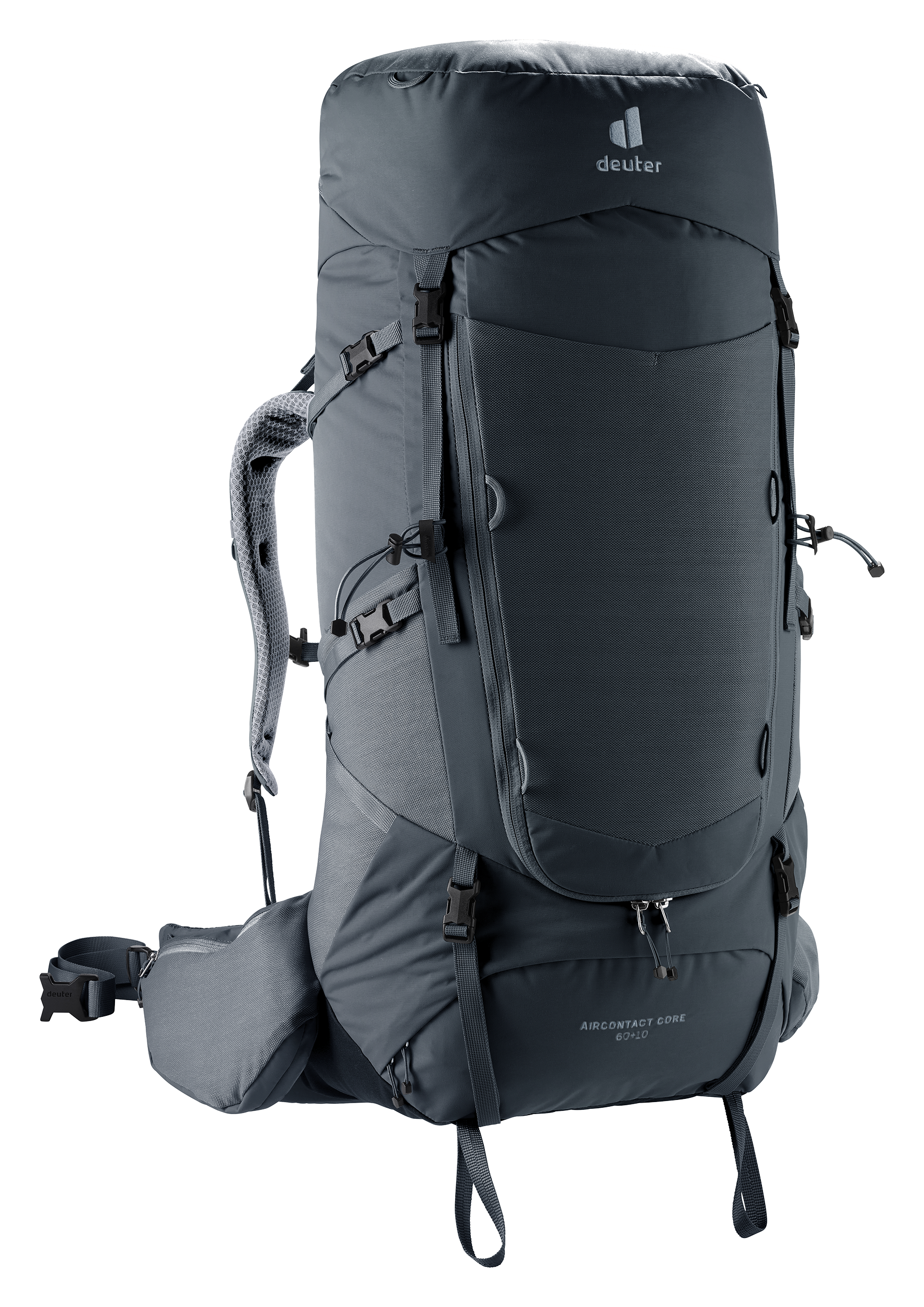
Is the Weight a Problem?
The pack is not light, and that is one of its main trade-offs. For some buyers, this is the biggest reason to hesitate.
A heavier pack can matter if you are trying to keep base weight low. Ultralight hikers may look at the Aircontact Core 60+10 and feel like it is too much pack for their style. That is fair. Weight matters, especially on steep climbs or long-distance trails.
Still, weight should be judged in context. A pack that weighs a bit more but carries better can feel easier on your body than a lighter pack with poor suspension. That is one reason experienced hikers often accept a small weight penalty for better load transfer.
So the real question is not “Is it heavy?” It is “Does the comfort and support justify the weight for your use?” For many users, the answer is yes. For others, especially minimalist hikers, it will not be.
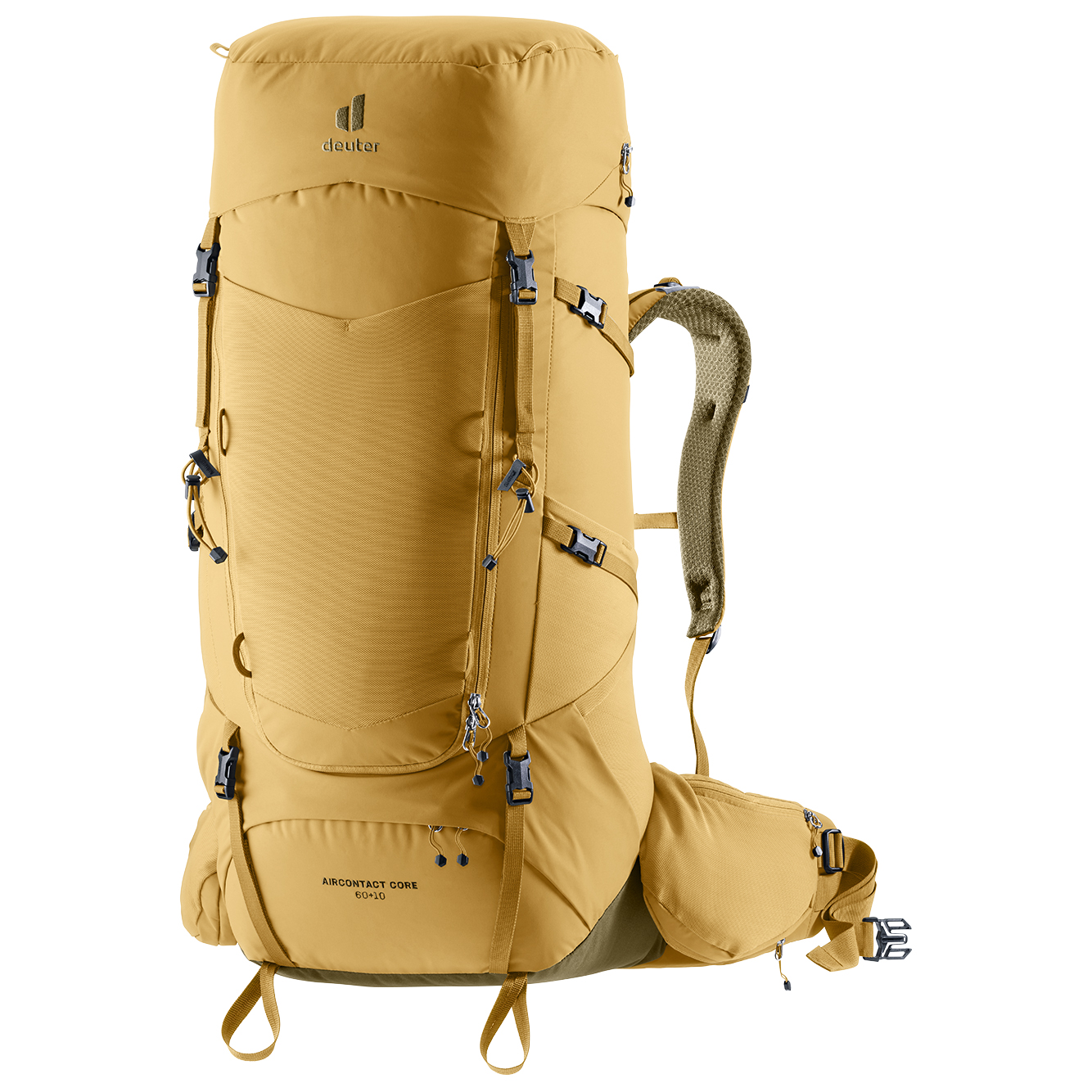
Durability and Build Quality
Deuter has a strong reputation for making packs that last, and the Aircontact Core 60+10 follows that pattern. The stitching, fabric feel, and frame structure all suggest a pack built for repeated use.
That durability matters because a trekking backpack should survive more than one season. Zippers, buckles, harness points, and compression straps all see stress. On long trips, weak construction becomes obvious fast.
From a practical point of view, durability brings three benefits:
• Less worry about gear failure on the trail
• Better long-term value
• Stronger performance under heavier loads
I have seen cheaper packs develop sag, loose straps, and zipper issues after limited use. That is where the Deuter Aircontact Core 60+10 separates itself. It feels like something designed by people who understand that gear should work even when conditions are messy, wet, and tiring.
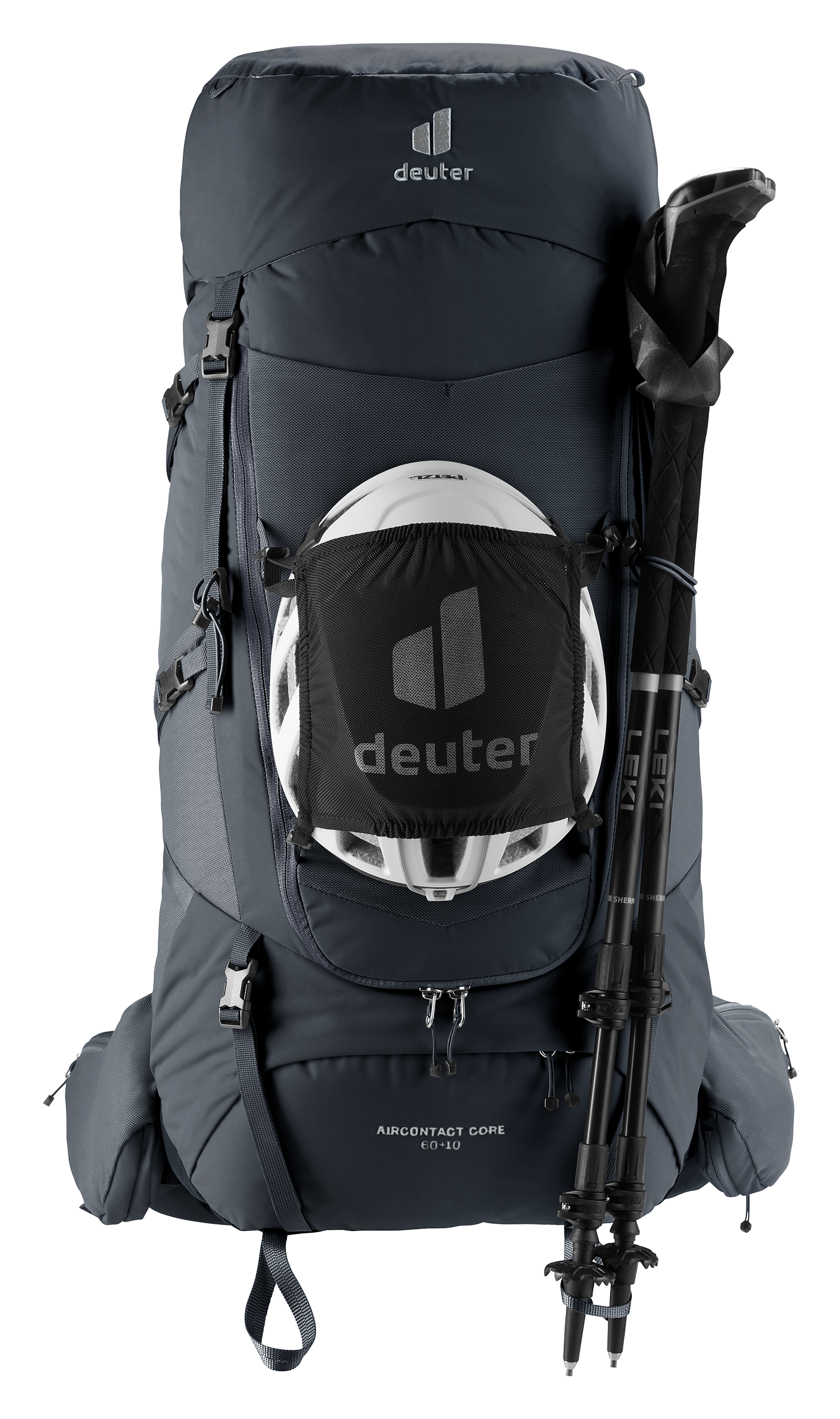
Storage, Access, and Organization
A big pack can either make life easier or turn into a frustrating mess. The Aircontact Core 60+10 does a solid job here.
You get a large main compartment, extra top space, and useful pockets for separating smaller items. The front access is especially helpful when you want to reach something buried inside without unpacking everything.
This matters more than people think. A good pocket layout can save time at camp, keep wet items away from dry ones, and reduce the stress of digging around for essentials.
Useful organization features include:
• Top lid storage for quick-grab items
• Side pockets for bottles or snacks
• Front access for deeper gear
• Compression straps to stabilize contents
• Expandable top section for overflow storage
The only real caution is not to overfill it. A larger pack can tempt you into bringing too much. That is not a pack problem. That is a packing habits problem. If you like to carry “just in case” gear, this backpack will happily let you do that. Whether that is smart is another question.

How It Performs on Real Trips
On the trail, the Deuter Aircontact Core 60+10 is best described as stable and confidence-inspiring. It is not the kind of pack you wear and forget is there, but it is the kind that makes a heavy load feel manageable.
On longer hikes, the support becomes more valuable as the day wears on. That is when a good hip belt and frame matter most. If you have ever had a cheap pack dig into your shoulders after a few hours, you will understand the appeal right away.
Here is where it performs well:
• Long climbs with loaded gear
• Mixed terrain with uneven footing
• Camp setups that require lots of equipment
• Trips where pack stability matters more than speed
It is less ideal for:
• Fast, short hikes where a small pack is enough
• Trips where every ounce is being counted
• Travelers who need a very compact bag
The pack feels like it was built for people who actually carry things, not just people who want the idea of carrying things. That is a good thing if your adventures are serious.
Value for Money: Is It Worth the Price?
This is where the question “Is Deuter Aircontact Core 60+10 Worth It?” really gets answered. The price is usually justified if you will use the pack often, carry medium to heavy loads, and care about comfort and longevity.
A lower-priced pack can save money up front. But if it causes sore shoulders, bad balance, or early wear, the savings fade fast. That is why value is not just about cost. It is about cost per trip, comfort per mile, and years of use.
It is worth the price if:
• You hike or trek often
• You need a reliable load carrier
• You want one pack that can do many jobs
• You prefer quality build over budget shortcuts
It may not be worth it if:
• You only hike a few times a year
• You rarely carry more than a light load
• You need the lightest option possible
• Your budget is tight and comfort is not a top priority
In plain terms, this is a smart buy for the right user. It is less compelling if your trips are casual or short.
Pros and Cons
A balanced view helps a lot here.
Pros:
• Excellent load support
• Comfortable hip belt and harness
• Durable build quality
• Good storage and access
• Strong option for multi-day trips
• Adjustable fit
Cons:
• Heavier than ultralight packs
• May be overkill for casual hikers
• Higher price than entry-level models
• Large size can tempt overpacking
If you want a big pack that feels purposeful, the pros are strong. If you want a simple lightweight bag, the cons will matter more.
How to Decide If It Is Right for You
The best way to judge the Deuter Aircontact Core 60+10 is to match it against your own use case.
Ask yourself:
• How often will I use it?
• How much weight do I usually carry?
• Do I value comfort more than low weight?
• Do I need a pack for trekking, travel, or both?
• Will I use the extra 10 liters often?
A helpful rule I use is this: if your pack will spend most of its life on longer trips with real gear inside, buy for comfort and support. If it will mostly hold a jacket, lunch, and a water bottle, you do not need this much pack.
That simple filter cuts through a lot of confusion. It keeps you from paying for features you will never use.
Frequently Asked Questions
Is Deuter Aircontact Core 60+10 Worth It for beginners?
Yes, if the beginner plans to do multi-day hiking or backpacking. The pack is easy enough to use, but it is best for people who know they will carry heavier loads and want support.
Is Deuter Aircontact Core 60+10 good for airline travel?
It can work for travel, but it is not ideal as a carry-on because of its size. It is better suited for checked travel or trips where you need a rugged gear bag.
How heavy can the Deuter Aircontact Core 60+10 comfortably carry?
It is designed for substantial loads and does best when weight needs to be transferred to the hips. Exact comfort depends on your body and fit, but it is clearly made for heavier trekking use.
Is the Deuter Aircontact Core 60+10 better than ultralight packs?
Not if your main goal is to reduce pack weight. It is better if you want comfort, structure, and durability with heavier gear.
Who should skip the Deuter Aircontact Core 60+10?
People who only do short day hikes, fastpacking, or light travel should probably look elsewhere. The pack is built for bigger loads and longer trips, so it can feel like too much for simple outings.
Does the Deuter Aircontact Core 60+10 last a long time?
Yes, it is generally known for strong build quality and dependable materials. With normal care, it should last through many trips and seasons.
Conclusion
The Deuter Aircontact Core 60+10 is worth it if you want a reliable trekking pack with real comfort, strong support, and room for serious gear. It is not the lightest or cheapest option, but it makes a strong case for hikers who value durability and load-carrying performance more than minimal weight.
If your trips are long, your loads are heavy, and your back matters to you, this pack deserves a close look. Take time to check the fit, compare it with your needs, and think about the kind of hiking you actually do. If you are still deciding, explore a few size and weight comparisons, and leave a comment with your trip style so you can choose with confidence.