
Is Goal Zero Yeti 1000X Power Station Worth It? Honest Review
Is Goal Zero Yeti 1000x Power Station Worth It?
If you love camping, live in a place with power outages, or just want a reliable backup for your gadgets, you may have heard of the Goal Zero Yeti 1000X Power Station. It’s a popular portable power solution, but it comes with a big price tag. Many people wonder if it really lives up to the hype or if you’re simply paying for the brand. In this guide, we’ll look at the Yeti 1000X from every angle—its features, real-world performance, where it shines, and where it falls short. By the end, you’ll know if this power station fits your needs or if you should consider something else.
What Is The Goal Zero Yeti 1000x Power Station?
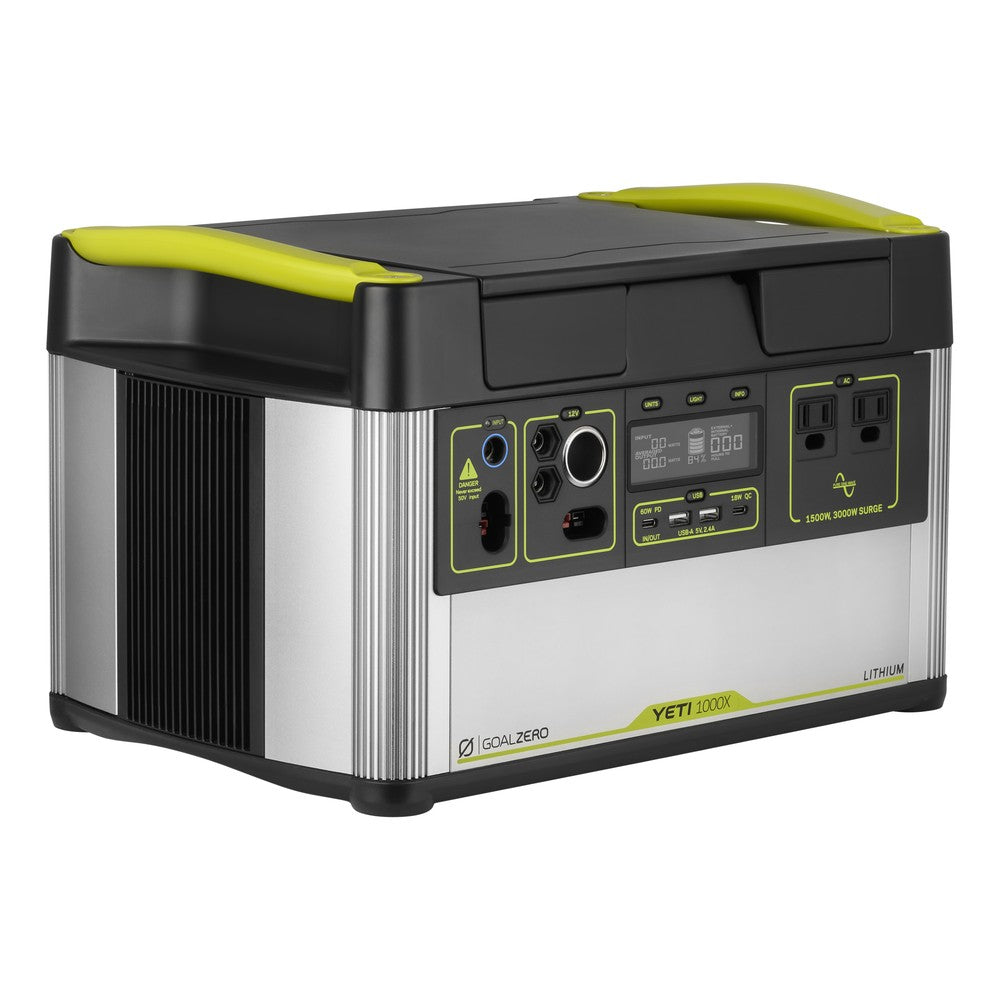
The Goal Zero Yeti 1000X is a portable power station designed for off-grid energy, emergencies, and mobile lifestyles. It stores electricity in a lithium battery and lets you charge or run devices through multiple output ports. You can power laptops, phones, small appliances, and even medical devices. It’s not just for camping—some people use it as a home backup for essential electronics.
Here’s a quick look at what the Yeti 1000X offers:
- 983Wh lithium battery (almost 1kWh of energy)
- Multiple output options: AC, USB-A, USB-C, 12V car port
- Can recharge with solar panels, wall outlets, or car charger
- Weighs about 31.68 lbs (14.37 kg)
- Pure sine wave inverter (safe for sensitive electronics)
- Built-in display for easy monitoring
This station sits in the middle of Goal Zero’s lineup—big enough for real power, but still portable.
Who Is The Goal Zero Yeti 1000x For?
Not everyone needs a large, expensive battery. The Yeti 1000X is best for:
- Campers and overlanders who want to run appliances off-grid
- Homeowners seeking backup for CPAP machines, routers, or laptops
- Photographers or filmmakers working in remote locations
- Mobile workers or van-lifers who need to charge devices daily
- People living in areas with frequent blackouts
If you only need to charge a phone or flashlight, this is more power (and cost) than you need. But if you want to run a fridge for a day or keep your family’s devices alive during a storm, it’s in the right range.

Key Features And Specifications
To see what makes the Yeti 1000X special, let’s break down its main features and how they compare to the competition.
| Feature | Yeti 1000X | What it Means for You |
|---|---|---|
| Battery Capacity | 983Wh (21.6V, 45.6Ah) | Can power a mini-fridge for 17-20 hours or charge a smartphone 80+ times |
| Inverter | 1500W continuous, 3000W surge | Run most household appliances safely |
| Outputs | 2x AC, 2x USB-A, 2x USB-C, 1x 12V car port, 6mm ports | Charge multiple devices at once |
| Charging Options | Solar, wall, car | Recharge flexibility anywhere |
| Weight | 31.68 lbs (14.37 kg) | Portable, but not ultra-light |
| Display | Yes, with battery % and input/output | Easy to monitor usage and charging |
| Warranty | 2 years | Peace of mind for long-term use |
Non-obvious insight: Many power stations advertise big watt numbers, but their battery capacity is what really matters for runtime. The Yeti 1000X’s nearly 1kWh battery is enough for most weekend uses, but not for long-term whole-home backup.
Real-world Performance: What Can You Actually Run?
It’s easy to look at specs, but what does the Yeti 1000X do in real life? Here’s what you can expect:
Small Appliances:
- Mini-fridge (40-60W): 17–20 hours
- CPAP machine (40W): 18–22 hours
- LED TV (50W): 18–20 hours
Electronics:
- Laptop (60Wh charge): 14+ recharges
- Smartphone (12Wh charge): 80+ recharges
- DSLR camera (15Wh charge): 65+ recharges
Kitchen Gadgets:
- Electric kettle (1200W): 40–45 minutes of use
- Blender (300W): 3 hours
Camping Gear:
- Portable fan (20W): 45+ hours
- String lights (5W): 170+ hours
Remember, using high-watt devices (like kettles or microwaves) will drain the battery much faster. The Yeti 1000X shines when running multiple small devices or a single medium appliance for a long time.
Pro tip: If you use devices with motors or compressors (fridges, fans), check both their running and surge (startup) wattage. The Yeti 1000X handles up to 3000W surges, so most home gadgets are safe.
Charging The Yeti 1000x: Speed And Options
Charging time is a major concern for any power station. The Yeti 1000X offers several ways to recharge, but the speed varies a lot.
| Charging Method | Input Power | Full Recharge Time | Notes |
|---|---|---|---|
| Wall Outlet (AC) | 120W (standard), up to 600W (with X power supply) | 9 hours (standard), 2 hours (600W) | Fast with optional charger |
| Car 12V | 60W | 18+ hours | For emergencies, slowest option |
| Solar (400W panel) | 300-400W (max) | 3–4 hours (ideal sun) | Panels sold separately |
The fastest way is using the optional 600W power supply or a high-output solar panel. Most people will need 6–9 hours with the included charger. Solar is great for off-grid use, but only in good weather.
Non-obvious insight: The Yeti 1000X does not include solar panels or the fastest charger by default—these are extra costs. If you want quick solar charging, budget for Goal Zero’s high-watt panels.
Build Quality And Design
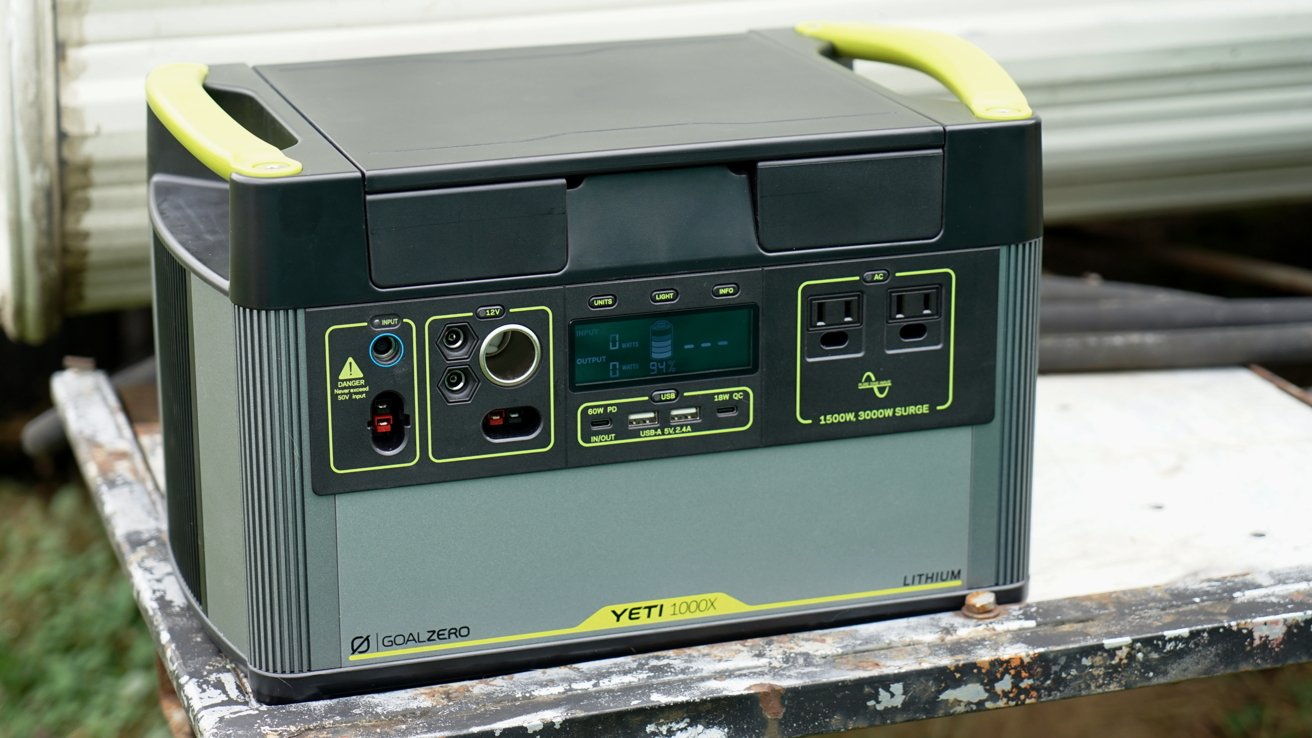
Goal Zero is known for strong, reliable products. The Yeti 1000X continues that trend with a tough, well-made shell. The handles are built into the frame, so you don’t worry about them breaking under the unit’s weight. The screen is bright and easy to read, showing battery percentage, input/output wattage, and estimated hours remaining.
All the ports are labeled and spaced well, which makes plugging in multiple items simple. The fan is quiet most of the time but ramps up during heavy loads. The unit is not waterproof, so keep it dry during camping trips.
Experience-based tip: While the case is strong, it’s still a lithium battery—avoid dropping or leaving it in a hot car. Extreme heat or cold can shorten battery life.
Battery Life And Longevity
Lithium batteries have a limited number of charge cycles (full recharges). The Yeti 1000X uses high-quality NMC (Nickel Manganese Cobalt) cells, rated for 500 cycles to 80% capacity.
What Does This Mean In Practice?
- Daily use: 500 cycles is about 1.5 years if you drain and recharge it every day.
- Occasional use: If you use it for camping or emergencies (20–30 times a year), it can last well over a decade.
- After 500 cycles, it still works, but the total capacity drops (from 983Wh to about 786Wh).
Common mistake: Some users store the battery at 0% or 100% for long periods. For best life, keep it around 40–80% when not in use, and recharge every 3–6 months.
Cost And Value: Is It Worth The Price?
At the time of writing, the Goal Zero Yeti 1000X sells for around $1299–$1399 in the US. This is a major investment for a portable power station. Is it worth it? It depends on your needs and what you compare it to.
Here’s a price/capacity comparison with two major competitors:
| Model | Battery Capacity | Inverter Power | Price (USD) | Weight |
|---|---|---|---|---|
| Goal Zero Yeti 1000X | 983Wh | 1500W | $1299–$1399 | 31.68 lbs |
| Jackery Explorer 1000 Pro | 1002Wh | 1000W | $999–$1099 | 25.4 lbs |
| EcoFlow Delta 2 | 1024Wh | 1800W | $999–$1099 | 27 lbs |
You can see the Yeti 1000X is more expensive than similar-capacity units. However, it has a better inverter than Jackery, a longer brand reputation, and a solid warranty. If you value reliability, customer support, and build quality, the price is easier to justify.
Pro tip: If you just want the most watt-hours for your dollar, some competitors give you more capacity per dollar. But Goal Zero’s support, modular add-ons, and real-world durability make it a safe choice for critical uses.
Pros And Cons
Let’s sum up what’s good (and not so good) about the Yeti 1000X.
What you’ll like:
- High build quality—solid design, feels premium
- Flexible charging—works with solar, wall, and car
- Good inverter—safe for sensitive devices
- Multiple output options—AC, USB-C PD, 12V
- Brand reputation—Goal Zero has top customer support
What you might not like:
- Expensive—costs more than similar-sized competitors
- Heavy—not for hiking, best for car camping or home use
- Accessories add cost—solar panels and fast chargers sold separately
- No app control—some rivals offer Bluetooth/Wi-Fi apps
- Not waterproof—needs protection outdoors
Non-obvious insight: Some cheaper brands cut corners on battery cells and safety features. With Goal Zero, you’re paying for quality and support, which is important if you rely on your power station for health or safety.
How Does It Compare To Other Power Stations?
The portable power market is growing fast. Here’s how the Yeti 1000X stacks up against the most common alternatives:
Jackery Explorer 1000 Pro
- Slightly bigger battery (1002Wh vs 983Wh)
- Lighter (25.4 lbs vs 31.68 lbs)
- Lower inverter power (1000W vs 1500W)
- Cheaper by $200–$300
- No USB-C PD output on some models
Verdict: Jackery offers better value if you just need simple power, but the Yeti handles bigger loads and has more rugged build.
Ecoflow Delta 2
- Similar capacity (1024Wh)
- Higher inverter (1800W)
- Cheaper ($999–$1099)
- Faster charging (1.5 hours with AC)
- Offers app control
Verdict: EcoFlow leads in charging speed and features, but Goal Zero wins on brand trust and outdoor durability.
Bluetti Eb70s
- Smaller (716Wh), but much cheaper ($599)
- Lighter (21.4 lbs)
- Suitable for lighter needs
Verdict: Good for basic camping, but not enough capacity for heavy users.
Practical advice: If you need a device for medical backup or frequent off-grid use, reliability matters more than saving $200.
Who Should Not Buy The Yeti 1000x?
It’s easy to fall for marketing, but this station isn’t for everyone. You probably don’t need the Yeti 1000X if:
- You only need to charge phones or lights—smaller stations are cheaper and lighter
- You want to power a whole home—look for 2000Wh+ units or gas generators
- You’re on a tight budget—competitors like Jackery or EcoFlow offer more watt-hours per dollar
- You need ultra-lightweight gear for backpacking—this is too heavy for carrying far
If you’re unsure, make a list of what you need to power and for how long. Add up the watt-hours. If your total is under 500Wh, a smaller Goal Zero or other brand may be a better fit.
Tips For Getting The Most From Your Yeti 1000x
- Test before you need it. Don’t wait for an emergency—try running your devices at home first.
- Label your cables. With many ports, it’s easy to mix up cords.
- Keep the firmware updated. Goal Zero sometimes releases updates for battery management.
- Use compatible solar panels. Goal Zero panels are easiest but not the cheapest; third-party panels can work, but check voltage and connectors.
- Store properly. Don’t let the battery sit empty for months—charge it to 80% every few months.
Common mistake: Buying a big battery and never using it until a blackout, only to find it’s dead. Regular use keeps the cells healthy.
Real-world User Experiences
Looking at reviews and real-world stories helps you see how the Yeti 1000X performs outside the lab.
- Emergency backup: Users report running CPAP machines, routers, and even small fridges overnight during power outages, with battery left to spare.
- Van life: Many van owners choose the Yeti for its easy solar integration, even though it’s heavier than some rivals. It’s often used to run laptops, lights, and mini-fridges.
- Outdoor events: Photographers and event organizers like the pure sine wave inverter for running sensitive gear, such as drones and cameras, without glitches.
- Customer support: Reviews praise Goal Zero’s quick response to issues. Replacement parts and answers are usually fast.
Caution: Some users mention the fan can be loud during heavy loads and that the display’s “hours remaining” estimate isn’t always accurate under changing loads.
Environmental Impact
If you care about the planet, the Yeti 1000X offers some green benefits:
- Quiet, zero emissions: Unlike gas generators, it’s silent and safe indoors.
- Solar charging: You can pair it with panels for true off-grid power.
- Long battery life: Durable cells mean less e-waste over time.
However, lithium batteries have an environmental cost to produce. Goal Zero offers a recycling program for old batteries—don’t just throw them in the trash.
For a deeper look at portable battery tech, see Wikipedia’s overview.
Frequently Asked Questions
How Long Does The Goal Zero Yeti 1000x Last On One Charge?
The Yeti 1000X can run a mini-fridge for about 17–20 hours, a CPAP machine for 18–22 hours, or recharge a smartphone over 80 times. Actual runtime depends on how much power your devices use.
Can You Fly With The Yeti 1000x?
No, the Yeti 1000X contains a large lithium battery (over 100Wh), which is not allowed on passenger airplanes, even as checked baggage. For air travel, choose smaller power banks (under 100Wh).
Does It Support Pass-through Charging?
Yes, the Yeti 1000X can charge devices while it’s being recharged itself. However, charging and discharging at the same time can make the fan run more and may slow down the recharge speed.
What Solar Panels Work With The Yeti 1000x?
The Yeti 1000X works best with Goal Zero’s Boulder or Nomad panels but supports third-party panels that output 14–50V (max 50A). Use the right connector and check voltage before connecting.
Is There A Mobile App For The Yeti 1000x?
No, the Yeti 1000X does not have app or Bluetooth control. Some larger Goal Zero models do, but not this one. If app control is important, consider EcoFlow or Bluetti models.
Final Thoughts
The Goal Zero Yeti 1000X Power Station is a strong, reliable option for those who need real portable power—whether for camping, emergencies, or mobile work. It’s not the cheapest on the market, but its quality, safety, and customer support make it a favorite among serious users. If you value peace of mind and want a power station you can trust in critical moments, the Yeti 1000X is worth the investment. For those on a budget or with lighter needs, other brands offer more power per dollar, but may not match Goal Zero’s reputation. The decision comes down to what you need, how you’ll use it, and what you value most in a portable power solution.