Is Zpacks Duplex Tent Worth It? Honest Review and Buyer Guide
If you spend time researching ultralight tents for backpacking, the Zpacks Duplex will appear often. It’s famous in the lightweight hiking community. But is it really worth its high price? Or are there better choices for your money? Let’s explore what makes the Zpacks Duplex stand out, where it falls short, and who should consider buying it.
Why The Zpacks Duplex Gets So Much Attention
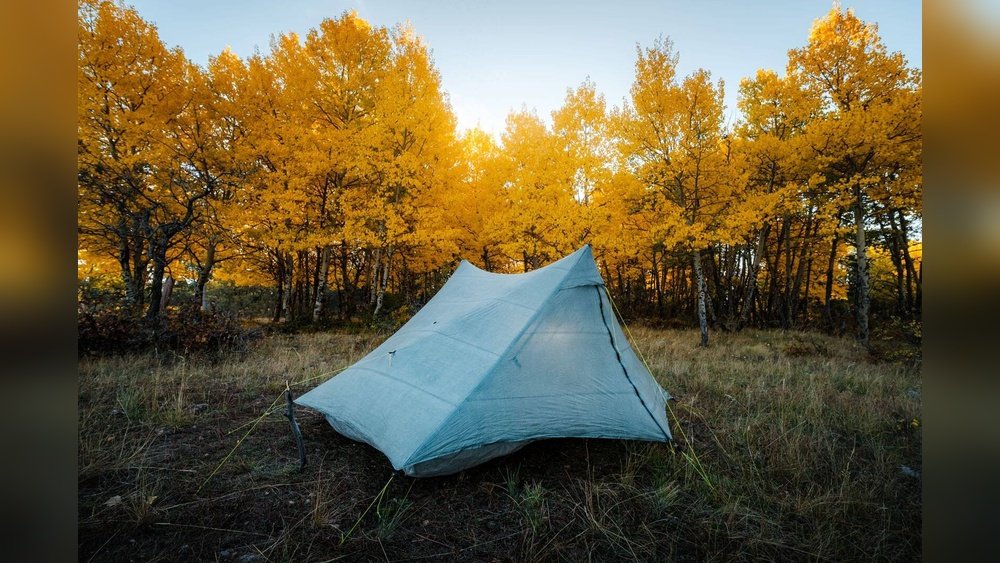
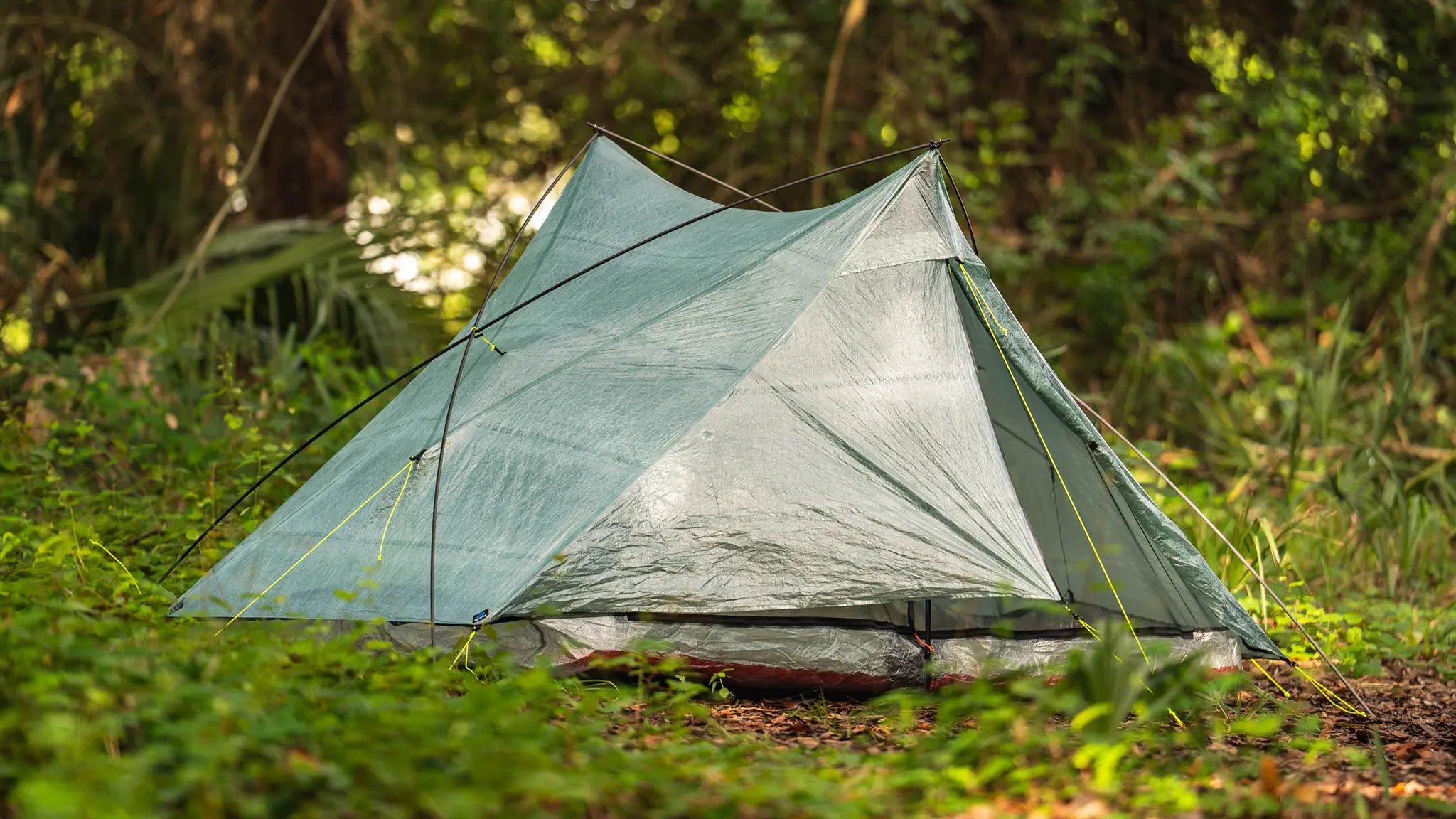
Backpackers and hikers always look for gear that’s lighter, stronger, and easier to carry. The Zpacks Duplex tent fits that dream. It weighs less than many single-person tents, but it’s made for two people. The Duplex is built using Dyneema Composite Fabric (DCF), which is stronger than many traditional materials and highly waterproof.
For anyone who counts every ounce in their pack, the Duplex can seem like a “holy grail” shelter. But it’s not the only factor to consider. Price, comfort, durability, setup, and real-world use are equally important.
Key Features Of The Zpacks Duplex
Understanding what you get with the Duplex is the first step before deciding if it’s worth your investment.
- Weight: The Duplex weighs about 19.4 ounces (550 grams), including guy lines but not stakes or poles. Most ultralight tents are heavier, especially for two people.
- Material: Made from DCF, which is lighter and stronger than silnylon or polyester.
- Setup: Uses two trekking poles for support (not included), so you don’t have to carry tent poles if you already use trekking poles.
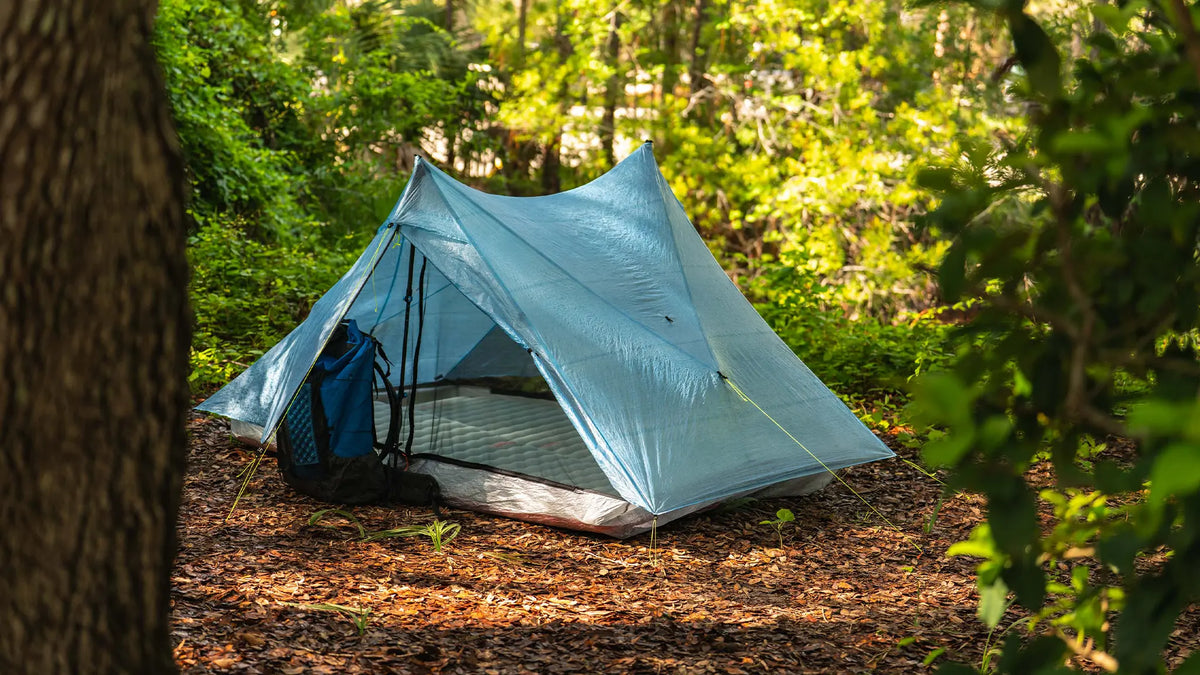
- Size: Floor area is about 28 square feet (2.6 square meters), with a peak height of 48 inches (122 cm). It fits two regular sleeping pads side by side.
- Doors: Four doors (two per side) allow easy entry/exit and ventilation.
- Packed Size: Compresses to about 8 x 5 inches (20 x 13 cm), fitting easily in most packs.
How The Duplex Compares: Data Table
To see how the Duplex stands up to other popular lightweight tents, compare these numbers:
| Tent | Weight (oz) | Floor Area (sq ft) | Material | Price (USD) |
|---|---|---|---|---|
| Zpacks Duplex | 19.4 | 28 | DCF | ~$699 |
| Big Agnes Tiger Wall UL2 | 39 | 28 | Silnylon | ~$450 |
| Tarptent Double Rainbow | 41 | 30.5 | Silnylon | ~$299 |
| Six Moon Designs Lunar Duo | 43 | 34 | Silnylon | ~$375 |
You can see the Duplex is much lighter than its main competitors. But it’s also the most expensive.
The Pros: Why Many Hikers Love The Duplex
Ultralight Weight
The most attractive feature is the weight. At just over a pound, you save a lot of energy, especially on long-distance trails. For solo hikers who want more space, it feels like luxury. For two people, it’s one of the lightest true two-person shelters you can buy.
Strong, Waterproof Fabric
DCF is not only light—it’s very tough and completely waterproof. It doesn’t stretch or sag in the rain like silnylon. This means your shelter stays tight, and you don’t get wet.
Fast Setup
If you use trekking poles, the setup is simple and fast—often under 2 minutes once you know how. There are no complicated pole systems, which saves time and effort at camp.
Great Ventilation
With four doors and mesh panels, air moves easily through the tent. This reduces condensation, a common problem for backpackers in humid or cold conditions.
Spacious Design
Unlike many lightweight tents, the Duplex offers true space for two people. You can sit up, move around, and keep your gear inside. For solo hikers, it’s palatial.
Good Resale Value
Used Duplex tents often sell for close to their original price. This means you can recover much of your investment if you later switch tents.
The Downsides: Where The Duplex May Disappoint
High Price
The biggest drawback is the cost. At around $699 (not including stakes or trekking poles), it’s a major investment. Other tents with similar space cost much less, though they’re heavier.
Not Freestanding
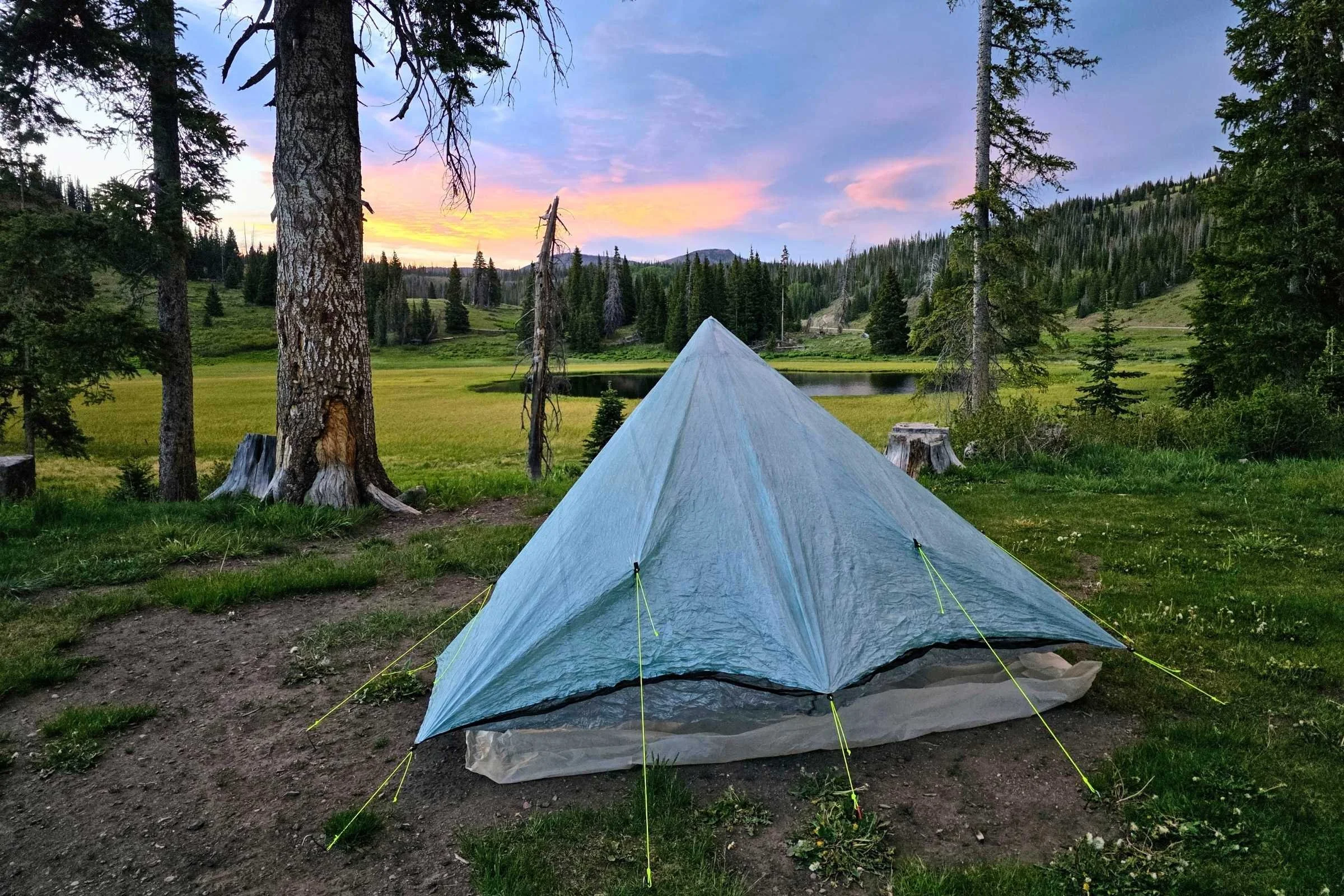
The Duplex is a non-freestanding tent. This means it requires stakes and tension to stand. In rocky or sandy ground, setup can be harder. If you camp in places with hard ground, this is a real concern.
Delicate Handling Needed
DCF is strong for its weight, but it’s not as abrasion-resistant as heavier fabrics. It can puncture if dragged over rocks or sticks. Careful site selection is important.
Moderate Wind Performance
The Duplex handles rain very well, but in strong winds, it can flap noisily. If not staked carefully, it may not be as stable as some double-wall tents.
Limited Privacy
The thin DCF material is somewhat see-through in bright light. If you camp near others, privacy may be less than with thicker fabrics.
No Included Poles Or Stakes
You must use your own trekking poles or buy separate tent poles. Stakes are also not included, adding to the cost.
Real-world Performance: What Do Hikers Say?
Experienced hikers on long trails like the Appalachian Trail and Pacific Crest Trail use the Duplex often. Many praise its low weight and comfort, but there are also common complaints.
- In heavy rain, the DCF floor stays dry, but water can pool under the tent if you set up in a bad spot. There is no bathtub-style floor.
- Some users find the tent noisy in wind. The crinkly DCF sound takes getting used to.
- On hot, buggy nights, the full mesh inner keeps bugs out but allows good airflow.
- In snowy conditions, the tent can sag under wet snow because it lacks rigid poles.
Who Should Buy The Zpacks Duplex?
The Duplex is ideal for ultralight backpackers who hike long distances and want to minimize weight. It’s also a top choice for hikers who already use trekking poles, and for those who camp mostly in forests or soft ground.
It’s less ideal for:
- Casual campers who don’t hike far or care about saving every ounce.
- People who camp in deserts, rocky areas, or high winds.
- Those on a tight budget.
Two Real-world Examples
Example 1: Thru-Hiker on the PCT
Maria, a solo hiker, used the Duplex for her 2,650-mile Pacific Crest Trail journey. She loved that the tent set up in 2 minutes and kept her dry in heavy storms. She used it as a solo shelter, giving her space for all her gear and a comfortable sleep. Her main complaint was the high price, but she sold it later for nearly what she paid.
Example 2: Weekend Backpacker
James and his partner used the Duplex for short weekend trips. They appreciated the light weight but sometimes struggled to pitch it on rocky campsites. On windy nights, they found it noisier than their old tent. They decided it was overkill for local outings, but perfect for longer hikes.
Comparing The Duplex To Other Popular Tents
It’s helpful to look at key differences between the Duplex and two top alternatives: the Big Agnes Tiger Wall UL2 and the Tarptent Double Rainbow.
| Feature | Zpacks Duplex | Tiger Wall UL2 | Double Rainbow |
|---|---|---|---|
| Freestanding | No | Semi | No |
| Pole Type | Trekking | Aluminum | Aluminum |
| Double Wall | No | Yes | Yes |
| Ventilation | Excellent | Good | Good |
| Condensation | Minimal | Some | Some |
| Privacy | Low | High | Medium |
| Price | High | Medium | Low |
This table shows where the Duplex shines (weight, ventilation), and where it falls behind (price, privacy).
Is The Price Justified? Breaking Down The Value
Many hikers ask if the Duplex is truly worth $699. Here’s how to think about value:
- If you measure by weight saved per dollar, the Duplex is expensive. But for some, carrying less is the top priority.
- The tent lasts for thousands of miles if treated well. For a thru-hiker, the price is often worth it.
- If you only backpack a few times a year, you may not see the value. A slightly heavier, much cheaper tent could be better for you.
Non-obvious insight: Many first-time buyers forget to budget for stakes, repair tape, and extra guy lines. These can add $50–$100 to your total cost.
Other Costs And Accessories
When you buy a Duplex, you may need to get extra items:
- Tent stakes: Zpacks sells ultralight stakes, but any sturdy stakes work. Plan for at least 8.
- Groundsheet: The DCF floor is waterproof, but a groundsheet can protect it from sharp rocks.
- Repair tape: DCF repair tape is handy for field fixes.
- Optional poles: If you don’t use trekking poles, you must buy separate poles.
Durability And Maintenance
The Duplex will last for thousands of miles with good care, but its ultralight nature means you must be gentle:
- Avoid setting up on sharp rocks or roots.
- Clean and dry the tent after each trip.
- Store loosely (not tightly rolled) to prevent creases.
Non-obvious insight: DCF can shrink slightly in extreme cold, making setup a bit trickier in winter.
Weather Performance: Rain, Wind, And Cold
In Rain
The Duplex’s DCF fabric is 100% waterproof. Seams are taped, so leaks are rare. The bathtub floor design keeps puddles out if pitched well. But if you camp on a slope or in a depression, water can still flow under the tent.
In Wind
With careful staking, the Duplex stands up to moderate wind. In exposed sites, it can flap and feel less stable than double-wall tents with rigid poles. Some users add extra guy lines for more security.
In Cold
The single-wall design keeps you warmer than a full mesh tent. But in freezing temperatures, condensation can form inside. Good ventilation is key.
Comfort And Livability
Even though the Duplex is ultralight, it’s not cramped. Two people can sit up and move around. The four doors mean each person has their own entrance and vestibule space for gear.
One common mistake: Many users forget to tension the tent properly. A loose pitch reduces interior space and increases noise in wind.
Setup And Packing
The Duplex is simple to set up if you practice a few times. Here’s a basic step-by-step:
- Lay out the tent flat and stake the four corners.
- Insert trekking poles at the two peaks.
- Stake out the doors and adjust guy lines for a tight pitch.
- Adjust tension until the tent is taut.
Packing is also easy—just fold, roll, and store it in the stuff sack. DCF doesn’t absorb water, so the tent dries quickly.
Alternatives To The Zpacks Duplex
If the price or setup style of the Duplex doesn’t fit your needs, consider these options:
- Tarptent Double Rainbow: Heavier (41 oz), but much cheaper and easier to pitch in rocky ground.
- Six Moon Designs Lunar Duo: Slightly heavier, but very spacious and costs almost half as much.
- Big Agnes Tiger Wall UL2: Double-wall, semi-freestanding, and easier to pitch, but twice the weight.
Each alternative has trade-offs. If you value ultralight weight above all, the Duplex leads. If price or durability is more important, look at other models.
Common Mistakes When Buying An Ultralight Tent
- Ignoring local conditions: If you always camp in windy, rocky areas, a freestanding tent may serve you better.
- Not budgeting for accessories: The Duplex price is just for the shelter—stakes and poles are extra.
- Assuming lighter is always better: For some, comfort, privacy, or cost matter more than a few saved ounces.
Who Should Avoid The Duplex?
- Beginners: If you’re new to camping, the Duplex may be overkill. Practice with a less expensive tent first.
- Heavy gear users: If you carry lots of heavy gear, the weight savings may not be noticeable.
- Families: For more than two people, the Duplex is too small.
Final Thoughts: Is The Zpacks Duplex Worth It?
The Zpacks Duplex is a top choice for serious hikers who want to carry as little as possible without giving up comfort. If you hike long distances, care about every ounce, and have the budget, it’s hard to beat. The Duplex’s combination of ultralight weight, waterproofness, and space is unmatched.
However, the high price, non-freestanding design, and need for gentle handling mean it’s not for everyone. If you camp mostly on weekends, or don’t mind a few extra pounds, other tents may be a better value.
For those who want the best ultralight tent and are ready for its quirks, the Duplex is worth it. For others, the search continues. For more details about lightweight hiking gear, the Wikipedia page on ultralight backpacking is a good place to start.
Frequently Asked Questions
Is The Zpacks Duplex Suitable For Winter Camping?
The Duplex can handle light snow and cold temperatures, but it’s not designed for heavy snow loads or harsh winter storms. The single-wall design means condensation can be an issue in cold weather. For true winter camping, a four-season tent is better.
Can The Duplex Tent Really Fit Two People Comfortably?
Yes, the Duplex is spacious enough for two regular sleeping pads. Both people have their own doors and vestibules. However, if you’re both large or carry lots of gear inside, it can feel tight.
How Durable Is Dyneema Composite Fabric Compared To Other Tent Materials?
Dyneema Composite Fabric is very strong for its weight and completely waterproof. However, it’s less resistant to abrasion than thicker fabrics like silnylon. With care and a groundsheet, it will last for many years.
Do You Need To Buy Special Stakes Or Poles For The Duplex?
You must supply your own stakes and either use trekking poles or buy separate carbon fiber poles from Zpacks. Most standard tent stakes work, but ultralight stakes are preferred for saving weight.
Is The Zpacks Duplex Worth It For Beginner Backpackers?
Usually, no. The Duplex is expensive and requires careful setup and handling. Most beginners are better off with a less costly, more forgiving tent until they know their camping style.