Is Humminbird Mega Live Imaging Worth It? Expert Guide
The world of fishing has changed fast in recent years. Once, anglers relied on basic sonar and their own eyes to find fish. Today, new tools like Humminbird Mega Live Imaging promise almost real-time, video-like views under the water. But is this high-tech system really worth your money? Or is it just another expensive gadget?
Let’s dive deep into the features, performance, cost, and real-world value of Humminbird Mega Live Imaging. Whether you’re a weekend fisherman or a tournament competitor, this detailed guide will help you decide if Mega Live is the right investment for your fishing style and budget.
What Is Humminbird Mega Live Imaging?
Humminbird Mega Live Imaging is a forward-looking sonar system. It sends sonar waves in a wide beam and translates the echoes into detailed images. Unlike traditional sonar, which shows basic arches and blobs, Mega Live Imaging delivers almost video-like pictures of fish, structure, and even your lure in real time.
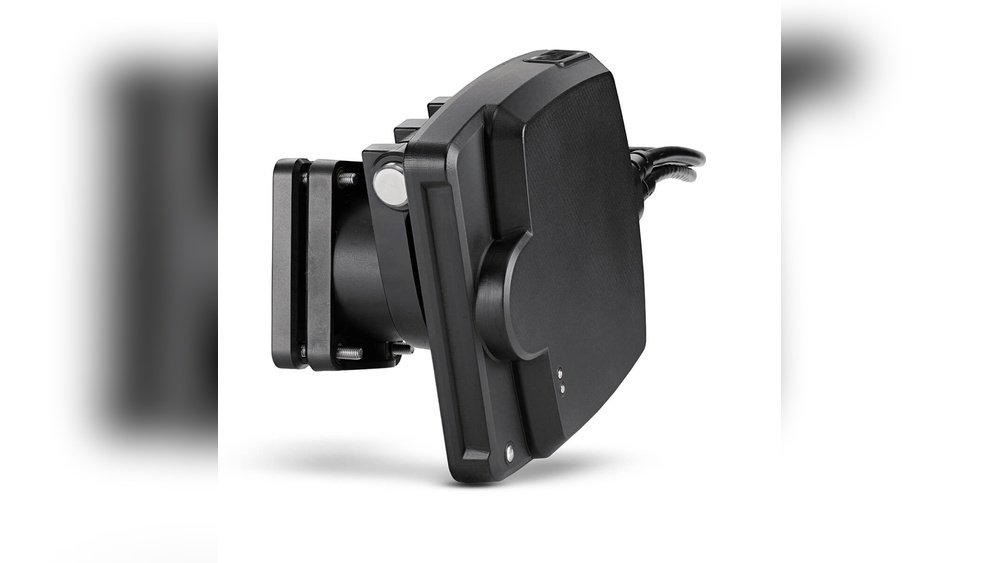
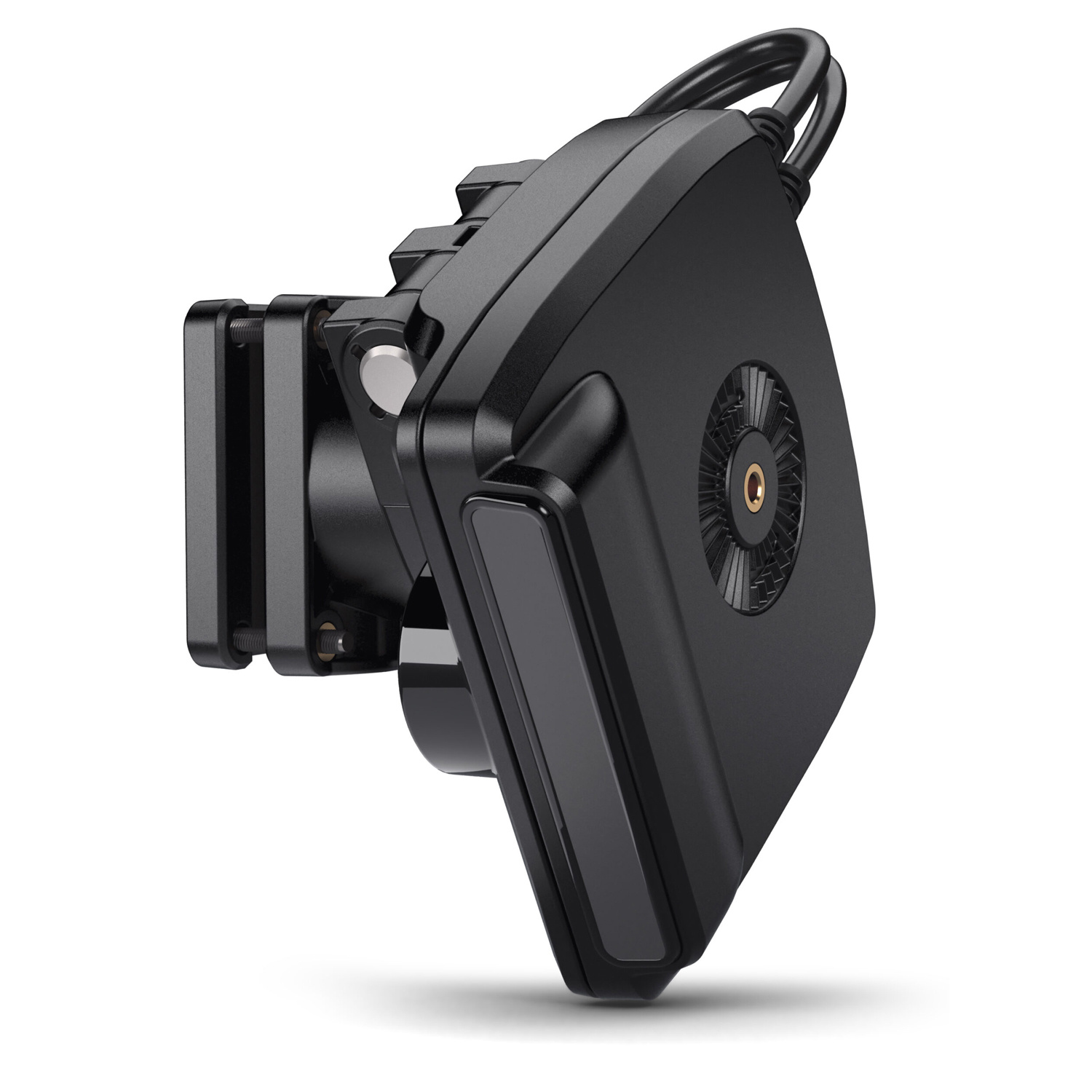
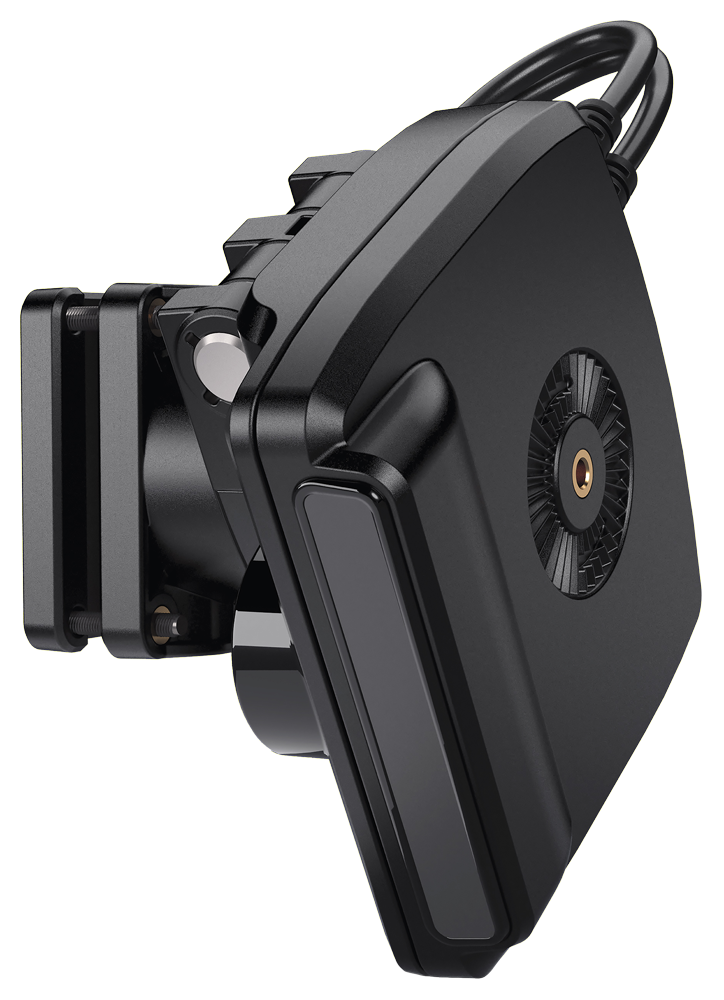
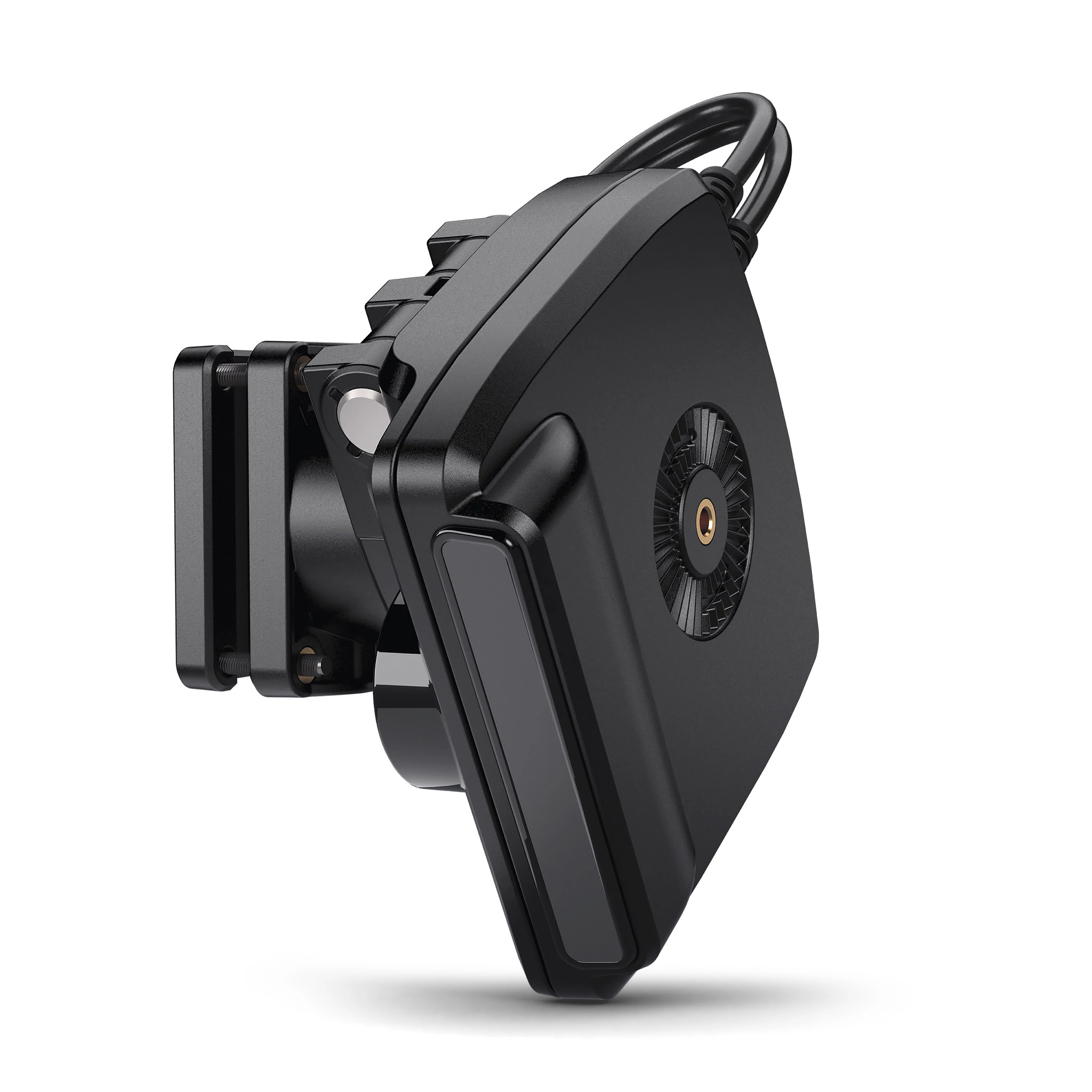
The system uses ultra-high frequency sonar (up to 1.2 MHz) and advanced software to create these images. It connects to compatible Humminbird head units, like the Helix, Solix, or Apex series. The Mega Live transducer can be mounted on a trolling motor shaft or a separate pole, and it can scan in forward, down, or perspective modes.
How It Differs From Other Sonar
- Traditional 2D sonar: Shows fish as arches, basic bottom contours
- Down Imaging/Side Imaging: Offers more detail, but still snapshots, not real-time
- Live Imaging (like Mega Live): Gives live video-like views; see fish move, watch your lure, and spot structure instantly
This real-time feedback is a big step up from what most anglers are used to.
Key Features Of Humminbird Mega Live Imaging
When considering if Mega Live Imaging is worth it, you need to understand what you’re actually getting. Here are the main features:
- Real-Time Sonar: See what’s happening underwater as it happens. Fish swim, bait moves, and your lure can be seen clearly.
- MEGA Clarity: Uses high frequencies to show more detail than lower-frequency live sonar systems. You can tell fish from brush piles, see bottom hardness, and spot baitfish clouds.
- Multiple Viewing Modes:
- Forward mode: Look ahead of the boat to spot fish and cover.
- Down mode: Look straight beneath for vertical fishing.
- Perspective mode: Wide, shallow view for scanning flats and shorelines.
- Range and Depth: Effective range is up to 150 feet, though clarity is best inside 80-100 feet.
- Touchscreen Integration: Works with Humminbird’s top chartplotters; easy to control and adjust.
- Recording and Playback: Save sonar sessions for later review and learning.
Mega Live Imaging Vs. Competing Systems
Humminbird’s Mega Live Imaging competes with other live sonar brands, mainly Garmin LiveScope and Lowrance ActiveTarget. Here’s a direct comparison to help you see how Mega Live stacks up:
| Feature | Humminbird Mega Live | Garmin LiveScope | Lowrance ActiveTarget |
|---|---|---|---|
| Max Frequency | 1.2 MHz | 1.1 MHz | 1.05 MHz |
| Max Range | ~150 ft | ~200 ft | ~150 ft |
| Image Clarity | Very high | High | High |
| System Lag | Low | Very low | Low |
| Compatible Units | Helix, Solix, Apex | EchoMap, GPSMAP | HDS Live, Elite FS |
| Perspective/Scout Mode | Yes | Yes | Yes |
| Price (Transducer only) | $1,299 | $1,199 | $1,499 |
Non-obvious insight: Many anglers assume all live sonar is the same. However, Mega Live’s ultra-high frequency can show small details (like fish size and lure movement) better at close range, but may lose clarity faster at long range compared to Garmin.
Real-world Performance: What Anglers Say
No feature list can replace real experience. Here’s what actual users and professional guides have reported after months on the water with Humminbird Mega Live Imaging.
Strengths
- Live Fish Tracking: You can see how fish react to your lure, change your retrieve, and watch them bite or ignore it. This feedback can help you adjust techniques in seconds.
- Spotting Structure: Brush piles, rocks, weed beds, and stumps stand out clearly. You can pinpoint the best places to cast without guessing.
- Educational Tool: Beginners and experienced anglers alike learn faster. Watching how fish relate to cover, or how they school up, is a real eye-opener.
- Fast Updates: The system updates quickly, with little lag. This is crucial for tracking moving fish or lures.
Weaknesses
- Learning Curve: Interpreting live sonar images takes practice. Fish can look like white dots or lines, and it’s not always obvious what’s happening at first.
- Clarity at Distance: Detail drops off at long range or in dirty water. You may need to adjust sensitivity and contrast for best results.
- Heavy Power Draw: The system requires a lot of battery power, especially when running a large chartplotter at high brightness.
- Not for Deep Water: Best performance is in less than 80 feet. In deeper water, traditional sonar and Down Imaging may work better.
Practical tip: Set aside time to learn the system on a quiet day. Many anglers get frustrated if they try to use Mega Live for the first time during a tournament or a busy day.
The Cost: What You Really Pay
Humminbird Mega Live Imaging isn’t cheap. Understanding the true cost—and what you get for your money—is key to deciding if it’s worth it.
Initial Purchase
- Mega Live Transducer: About $1,299 (MSRP)
- Compatible Head Unit: $1,000–$3,000+ depending on size and features
- Mount or Pole: $100–$400 (if not already owned)
- Cables/Accessories: $50–$150
Most anglers will spend between $2,500 and $5,000 for a complete Mega Live setup, if they’re starting from scratch.
Ongoing Costs
- Battery Upgrades: Many users add a larger lithium battery ($300–$700) for longer run time.
- Software Updates: Free, but you’ll need a computer and SD card.
- Potential Repairs: Water damage or cable issues, though rare, can cost $100–$300 to fix.
Resale Value
High-end fishing electronics hold value well. If you upgrade later, you’ll recover a good portion of your investment—especially if you keep boxes and manuals.
Price Vs. Value
Is it too expensive? For some, yes. But if catching more fish, learning faster, and having fun matter to you, the value goes beyond just dollars.
Non-obvious insight: Factor in the cost of missed opportunities. For example, losing a tournament because you couldn’t find fish, or spending hours fishing “dead water,” can cost more in the long run than the upfront price of Mega Live.
Who Should (and Should Not) Buy Mega Live Imaging?
Humminbird Mega Live Imaging isn’t for everyone. Here’s a breakdown of who will benefit most—and who may want to hold off.
Best Suited For
- Tournament Anglers: If you fish competitively, Mega Live is nearly a must-have. You’ll keep up with others using live sonar and find fish others miss.
- Serious Weekend Anglers: If you fish often and want to learn more, catch more, and enjoy the latest tech, Mega Live is a smart investment.
- Guides and Teachers: Explaining fish behavior is much easier when clients can watch it on-screen.
- Tech Enthusiasts: If you enjoy new gadgets and like learning complex systems, you’ll love Mega Live.
May Not Be Worth It For
- Occasional Anglers: If you only fish a few times a year, the cost may not be justified.
- Budget-Conscious Users: If you’re happy with basic sonar and don’t need every fish-finding edge, traditional 2D or Down Imaging may be enough.
- Small Boats/Kayaks: While possible, the power draw and hardware size may not suit small craft.
- Deep Water Fishermen: If you spend most of your time in 100+ feet of water, Mega Live may not add much value.
Practical Benefits: How Mega Live Changes Your Fishing
Investing in Humminbird Mega Live Imaging isn’t just about getting new tech. It’s about changing the way you fish—and what you get out of your time on the water.
Find Fish Faster
One of the biggest benefits is efficiency. Instead of casting blindly, you can scan ahead and see if fish are present. This means less wasted time, more productive fishing, and a better shot at finding active fish.
Watch Fish Behavior
Mega Live lets you see how fish react to different lures, speeds, and presentations. You can experiment and adjust in real time. Many anglers report learning more in a few days with Mega Live than in years without it.
Improve Casting Accuracy
With perspective mode, you can see the exact position of brush piles, rocks, or fish schools. This makes it easier to put your lure right where it needs to be.
Catch More (and Bigger) Fish
It’s not magic, but it does give you an edge. On tough days, being able to see and target individual fish can mean the difference between going home skunked and catching a limit.
Enhanced Safety
Seeing underwater hazards, like stumps and rocks, helps protect your boat and gear—especially in unfamiliar waters.
Pro tip: Use Mega Live to “scout” new lakes. Spend the first hour scanning for likely spots instead of guessing.
Potential Drawbacks And Downsides
No technology is perfect. It’s important to understand where Humminbird Mega Live Imaging may fall short, so you can make an informed decision.
Complexity
Mega Live is not a “plug and play” tool. It requires:
- Learning new menus and controls
- Interpreting images (which takes practice)
- Regular software updates
If you prefer simple, “set and forget” electronics, Mega Live may feel overwhelming.
Battery And Space Needs
Running a big chartplotter and live sonar draws a lot of power. If your boat has a small battery or limited space, you may need upgrades.
Distraction
It’s easy to spend all your time watching the screen instead of fishing or enjoying the outdoors. Some anglers say they become “screen watchers” and lose the feel of traditional fishing.
Price Barrier
The high cost means Mega Live isn’t for everyone. If you’re on a tight budget, consider whether other upgrades (like a better trolling motor or quality rods) might give you more value for your style of fishing.
Mega Live In Different Types Of Fishing
Let’s look at how Mega Live Imaging performs in popular fishing scenarios:
Bass Fishing
Mega Live excels in bass fishing. You can spot fish around docks, brush, and weed edges. Watching how bass react to jigs or crankbaits is a huge advantage.
Crappie And Panfish
Crappie anglers love live imaging. You can see schools suspended in open water, pinpoint single fish in brush, and drop baits right to them.
Walleye
For walleye, tracking fish on structure or following small groups in rivers becomes much easier. It’s also helpful for ice fishing, letting you see both your lure and fish in real time.
Saltwater Inshore
While not designed for deep ocean fishing, Mega Live works well in shallow saltwater bays. You can spot redfish, snook, or trout around oyster beds and grass flats.
Ice Fishing
With a portable mount and battery, Mega Live can be used on the ice. It offers a big advantage in seeing how fish approach your bait under the ice.
Insider tip: In heavy cover or thick weeds, adjust the sensitivity down to reduce screen clutter. Many beginners forget this and struggle to see fish clearly.
Mega Live Setup And Installation Overview
Getting the most from Humminbird Mega Live Imaging requires proper setup. Here’s a brief guide to what’s involved:
- Mount the Transducer: Most users mount it on a trolling motor shaft. Some use a separate pole for more control. Make sure it’s secure and can rotate easily.
- Connect to a Compatible Head Unit: Only newer Helix, Solix, or Apex models work with Mega Live. Update software before first use.
- Power Supply: Use a dedicated battery if possible. This prevents voltage drop and screen flicker.
- Calibrate the System: Follow the on-screen prompts to align the transducer and set viewing angles.
- Tweak Settings: Adjust sensitivity, contrast, and range for your local water conditions.
| Setup Step | Time Needed | Difficulty (1-5) | Common Issues |
|---|---|---|---|
| Mounting Transducer | 30-60 min | 3 | Loose brackets, cable routing |
| Connecting Head Unit | 15-30 min | 2 | Wrong ports, outdated software |
| Power Setup | 15-45 min | 2 | Insufficient battery, wire size |
| Calibration | 10 min | 1 | Skipped steps |
Common Mistakes To Avoid
Many new Mega Live users fall into the same traps. Here’s how to avoid them:
- Ignoring Updates: Always update your unit’s software. New updates fix bugs and improve image quality.
- Over-Tuning Settings: Too much sensitivity creates clutter. Start low and increase as needed.
- Wrong Mounting Angle: If the transducer isn’t level, you’ll get distorted images.
- Over-Reliance: Don’t forget to use other tools (maps, side imaging) to find fish before using Mega Live to target them.
Is It Worth It? Final Thoughts
So, is Humminbird Mega Live Imaging worth it? The answer depends on your fishing style, budget, and goals. For serious anglers—especially those fishing tournaments or guiding clients—it offers a clear advantage. The ability to see fish, structure, and lures in real time changes the game, helping you catch more fish and learn faster.
For casual or budget-minded anglers, the high cost and learning curve may outweigh the benefits. There are still plenty of fish to be caught with traditional sonar and good old-fashioned skill.
If you decide to invest, spend time learning the system and adjusting it to your waters. The more you use Mega Live, the more valuable it becomes.
For more technical details and updates, the official Humminbird site is a reliable resource: Humminbird Mega Live Imaging.
Frequently Asked Questions
What Boats Are Compatible With Humminbird Mega Live Imaging?
Mega Live can be installed on most fishing boats with a flat bow and trolling motor. It’s also possible to mount it on some kayaks or ice fishing setups, but you’ll need enough space for the head unit and battery. The most important factor is having a compatible chartplotter (Helix, Solix, or Apex series).
How Deep Can Mega Live Imaging See?
The effective depth range is up to 150 feet, but the best clarity is usually found in less than 80 feet of water. Beyond that, detail drops off, and traditional sonar may be better for deep water fishing.
Is Mega Live Imaging Better Than Garmin Livescope?
Both systems are excellent, but Mega Live offers slightly better detail at close range due to higher frequency. Garmin LiveScope has a bit more range and slightly less lag. The best choice depends on your existing electronics and the type of fishing you do.
Can Mega Live Imaging Help Beginners?
Absolutely. Beginners can learn faster by seeing how fish react to lures, how they relate to cover, and where they hold. However, there is a learning curve to interpreting the images, so some practice is needed.
Does Mega Live Imaging Work In Muddy Or Stained Water?
Performance drops in very muddy or stained water, as high-frequency sonar has trouble seeing through debris. Adjusting sensitivity and contrast can help, but expect reduced detail compared to clear water.
Humminbird Mega Live Imaging is one of the most advanced fish-finding tools available. If you’re ready to invest the time and money, it can transform your fishing experience—making you not just luckier, but truly better on the water.