Is Sol Emergency Bivvy Worth It? Honest Review and Buyer’s Guide
When you pack for the outdoors, some items are non-negotiable. Water, snacks, a map, and something for warmth. For many hikers, campers, and emergency preppers, a SOL Emergency Bivvy often joins the essentials. It’s small, light, and promises a layer of protection against the cold if things go wrong. But is this little orange sack really worth the space in your backpack? Can a few ounces of material make the difference between comfort and a dangerous night? Let’s look at what the SOL Emergency Bivvy does, its real-world performance, and whether you should carry one on your next adventure.
What Is The Sol Emergency Bivvy?
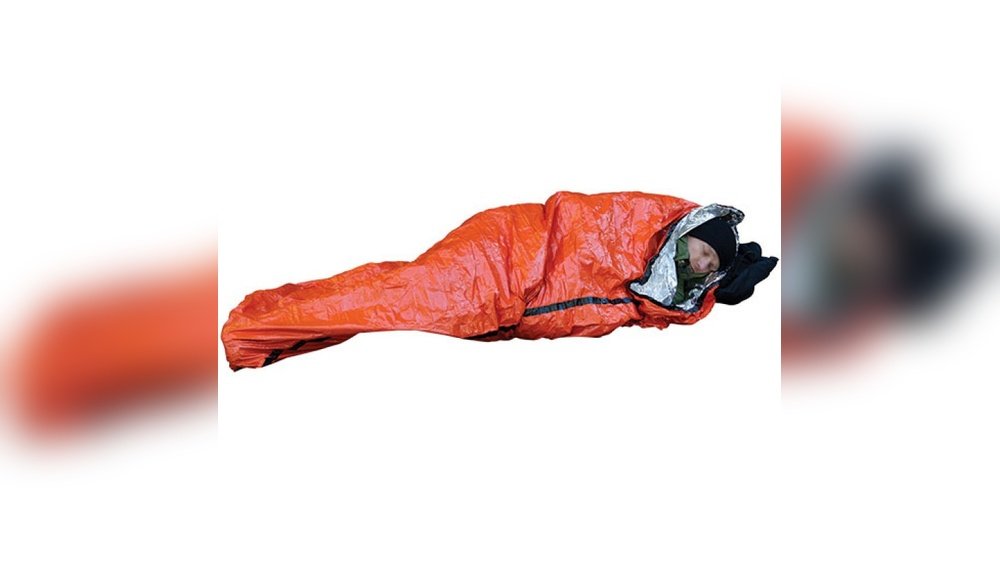
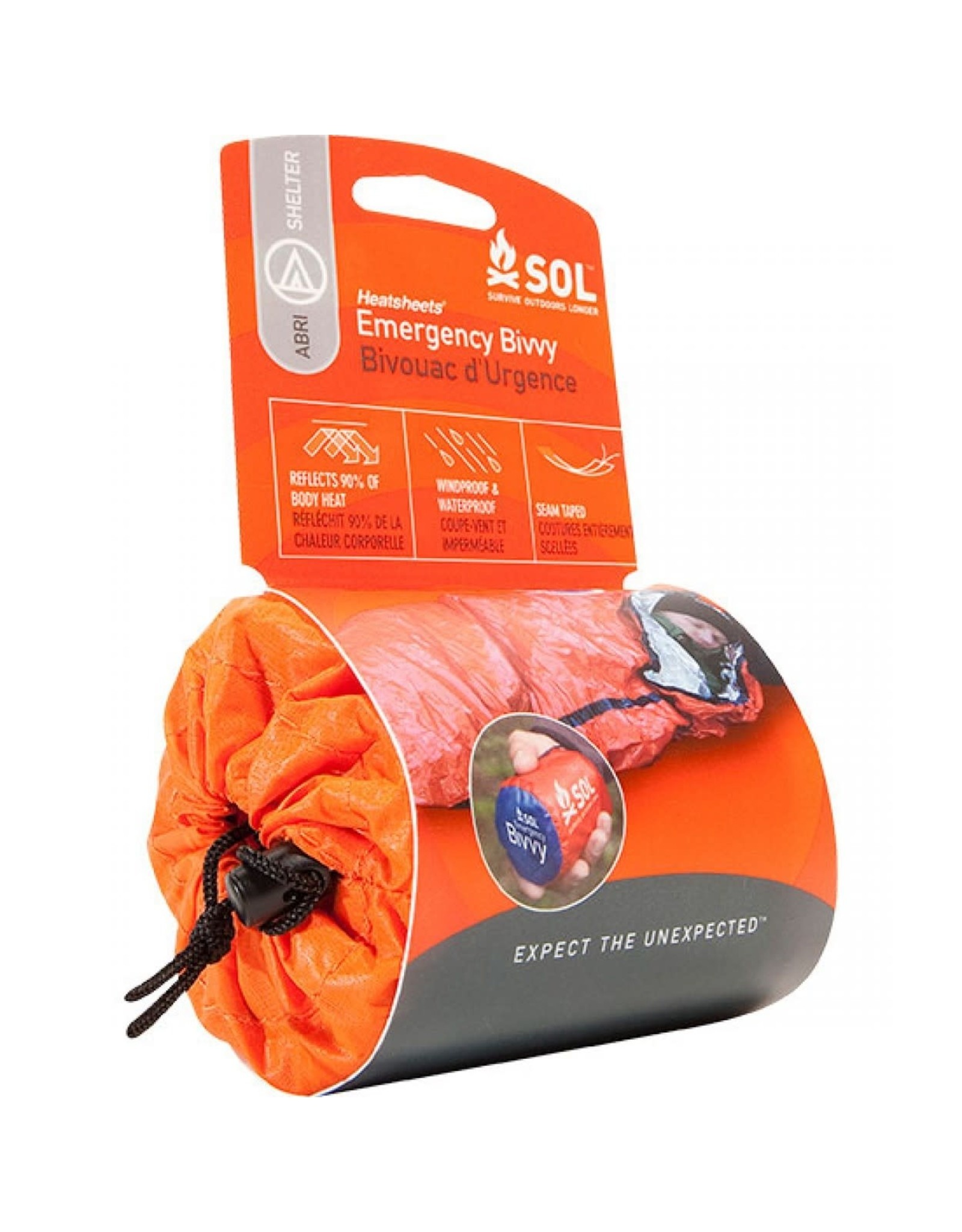
The SOL Emergency Bivvy is a compact survival shelter made by Survive Outdoors Longer (SOL). It’s designed as a last-resort sleeping bag to keep you warm if you’re caught outside overnight without proper gear. The bivvy is made from metalized polyethylene, a material that reflects body heat back to you. It’s bright orange for visibility and comes packed in a small stuff sack.
The main selling points are:
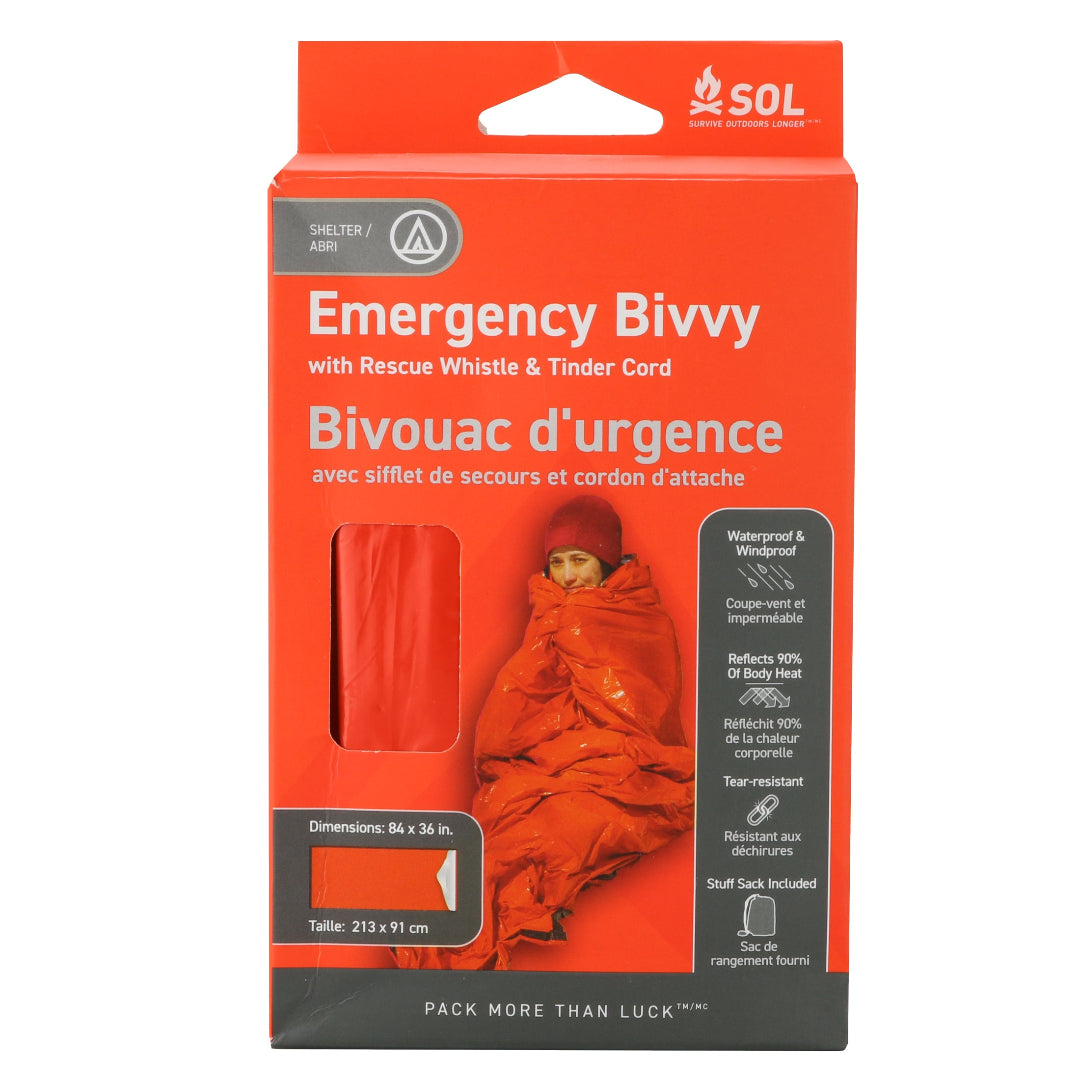
- Lightweight: Weighs about 3.8 ounces (108 grams)
- Packable: Folds to fit in your hand (around 4 x 3 inches packed)
- Weather-resistant: Water and windproof
- Reusable: Can be folded and stored after use (with care)
Many people compare it to traditional space blankets or emergency blankets, but the bivvy is shaped like a sleeping bag, which helps trap heat more effectively.
How Does It Work?
The SOL Emergency Bivvy works on a simple principle: reflect body heat. The shiny inner surface reflects up to 90% of your body’s heat back toward you, helping to prevent hypothermia in emergencies. Because it’s shaped like a bag, you can crawl inside and pull it up over your head, making it more efficient than a flat blanket that might slip off during the night.
Key Features
- Material: Metalized polyethylene, which is more durable than many cheaper mylar blankets
- Size: Unpacked, it measures about 84 x 36 inches (213 x 91 cm)
- Color: High-visibility orange on the outside, silver inside
- Waterproof: Keeps rain and wind out, though not fully sealed like a tent

Who Needs An Emergency Bivvy?
Not everyone needs to carry an emergency bivvy on every trip. But for some, it’s a smart addition:
- Day hikers: Even a short hike can turn into an emergency if you get lost or injured.
- Backpackers and campers: Weather can change suddenly, and gear can get wet or lost.
- Ultralight adventurers: Some use a bivvy as their only shelter during summer trips.
- Car safety kits: Useful if your car breaks down in cold or remote areas.
- Emergency preppers: A key piece in a bug-out bag or home emergency kit.
It’s especially useful for those who travel in cold, wet, or unpredictable climates.
Comparing The Sol Emergency Bivvy To Other Options
Is the SOL Emergency Bivvy better than an emergency blanket, a traditional sleeping bag, or other alternatives? Here’s a quick look at how it stacks up:
| Feature | SOL Emergency Bivvy | Mylar Space Blanket | Sleeping Bag | Tarp |
|---|---|---|---|---|
| Weight | 3.8 oz | 2 oz | 32-48 oz | 16-24 oz |
| Packed Size | Very small | Tiny | Large | Medium |
| Heat Retention | High | Medium | Very high | Low |
| Weatherproof | Yes | Limited | Yes (if synthetic) | Depends |
| Reusable | Yes (with care) | Often single-use | Yes | Yes |
| Cost | Low ($15-20) | Very low ($2-5) | High ($50+) | Low ($10-20) |
Insights For Beginners
- A bivvy is not a replacement for a true sleeping bag if you plan to camp overnight, but it’s much better than nothing in an emergency.
- Mylar blankets are lighter and cheaper but can tear easily and don’t trap heat as well because they’re not shaped to wrap around you completely.
Real-world Performance: How Well Does It Work?
Many outdoor users have tested the SOL Emergency Bivvy in different conditions. Most agree on a few key points:
- Surprising warmth: For its weight and size, the bivvy traps body heat well. Users report feeling much warmer inside than with just a blanket.
- Condensation: Because the material doesn’t breathe, moisture can build up inside. Your clothes and the inside of the bivvy may get damp after a few hours.
- Noise: The bivvy material is a bit crinkly, which can be annoying when you move.
- Durability: More robust than a space blanket but can still tear if you poke it with sharp objects or drag it over rocks.
Case Example
A hiker in the Pacific Northwest got lost late in the day and spent a cold, rainy night in the woods. With only a SOL Emergency Bivvy for shelter, he avoided hypothermia and was able to walk out the next morning.
His clothes were damp from condensation, but he was safe. The bivvy tore slightly at the zipper area, but he taped it up for future use.
Pros And Cons
Like any gear, the SOL Emergency Bivvy has strengths and weaknesses.
Pros
- Tiny and lightweight: Easy to carry, even for day trips.
- Good heat retention: Can save your life in a cold emergency.
- High visibility: Bright orange color makes it easier for rescuers to spot you.
- Weatherproof: Keeps out rain and wind better than a flat blanket.
- Reusable: With gentle handling, can be used multiple times.
Cons
- Condensation: Moisture can build up inside, making you damp and uncomfortable.
- Not breathable: Not comfortable for regular camping use.
- Limited durability: Can tear if handled roughly or used on sharp terrain.
- No insulation: Only reflects heat; won’t help much if you’re already very cold or if your clothes are wet.
- Can feel claustrophobic: Some users dislike the enclosed, bag-like design.
When Is The Sol Emergency Bivvy Worth It?
You don’t need to use the SOL Emergency Bivvy on every outdoor trip. But there are situations where it’s a smart choice:
- Emergency backup: If you’re hiking or traveling in cold weather, the bivvy can be a lifesaver if you get lost, injured, or delayed.
- Ultralight backup: For those counting every ounce, the bivvy provides a safety net without adding much weight.
- Minimalist shelter: Some ultralight hikers use the bivvy with a small tarp as their main shelter for fast trips in mild weather.
- Car kit: If you drive in rural or snowy areas, keeping a bivvy in the glove box can be smart.
When It Might Not Be Enough
- For planned overnight camping in cold or wet conditions, a real sleeping bag and tent are much better.
- If you’re sensitive to enclosed spaces or need comfort, the bivvy may feel too cramped.
Cost Vs Value
The SOL Emergency Bivvy usually costs between $15 and $20 in the US. For that price, you get a lightweight, weatherproof, heat-reflective bag that could save your life in an emergency.
Is It A Good Deal?
- For most hikers and travelers, the peace of mind is worth the small cost and weight.
- If you never go off the beaten path or always have cell service, you may not need one.
- Compared to the cost of a sleeping bag or tent, the bivvy is cheap insurance.
Here’s a quick comparison of cost vs benefit for common emergency shelter options:
| Item | Average Cost | Weight | Survival Value |
|---|---|---|---|
| SOL Emergency Bivvy | $15-20 | 3.8 oz | High (for emergencies) |
| Mylar Blanket | $2-5 | 2 oz | Medium |
| Basic Sleeping Bag | $50-150 | 32-48 oz | Very high (planned camping) |
| Lightweight Tent | $100-300 | 24-48 oz | Very high (planned camping) |
How To Use The Sol Emergency Bivvy For Maximum Benefit
Just stuffing the bivvy in your pack isn’t enough. Here’s how to get the most from it:
- Keep it accessible: Don’t bury it deep in your pack. Emergencies happen fast.
- Use insulation if possible: If you have dry leaves, pine needles, or even your backpack, put them under you before getting in the bivvy. This helps prevent heat loss to the cold ground.
- Stay dry: If you’re wet, try to dry your clothes before using the bivvy. It traps body heat, but also moisture.
- Ventilate when possible: If you’re in the bivvy for hours, open it a bit to let moisture escape.
- Inspect after use: Check for tears and repair with tape before storing for next time.
Pro Tips
- A bivvy can double as a signal device because of its bright color.
- In a pinch, you can cut open the bivvy to use as a tarp or wrap around two people.
What Beginners Often Miss
Many new hikers or preppers think carrying an emergency bivvy means they’re completely safe. Here’s what they don’t realize:
- The bivvy is not magic. If you’re already very cold or wet, it can’t create warmth—only help keep what heat you have.
- Ground insulation matters. Most body heat is lost to the ground. Always try to put something between you and the earth, even if it’s just your backpack or extra clothes.
- Practice helps. Try getting into and out of the bivvy at home, especially in the dark. It’s harder than you think when you’re tired or scared.
Alternatives To The Sol Emergency Bivvy
There are several competitors and alternatives to the SOL Emergency Bivvy. Some offer more durability, comfort, or features. Here are a few:
- SOL Escape Bivvy: More expensive, more breathable, slightly heavier, and designed for repeated use.
- Adventure Medical Kits Heatsheets Blanket: Flat blanket style, lighter but less heat-trapping.
- REDCAMP Emergency Bivvy: Similar design, sometimes cheaper, but with varying quality.
- DIY solutions: Some hikers use a plastic trash bag or a painter’s drop cloth in emergencies. These are very cheap but not as warm or durable.
Always weigh the pros and cons for your specific needs.
Maintenance And Care
To maximize the life of your SOL Emergency Bivvy:
- Fold gently after use: Don’t stuff it; sharp creases can cause tears.
- Dry completely: If it gets wet or damp, hang it to dry before storage.
- Store in a cool, dry place: Avoid leaving it in direct sun for long periods, as UV light can damage the material.
- Repair small tears: Use duct tape or gear repair tape.
Remember, even with good care, these are emergency tools. They’re not meant for nightly use over many seasons.
Environmental Impact
Because the SOL Emergency Bivvy is made from synthetic materials, it’s not biodegradable. However, it’s small and can be used multiple times if you’re careful. Always pack out the bivvy and any other trash.
Some users worry about the “disposable” nature of emergency gear. The best way to limit your impact is to use the bivvy only when needed and repair it when possible.
Expert Opinions And Field Tests
Outdoor experts and survival instructors generally recommend the SOL Emergency Bivvy as a solid backup shelter. For example, Backpacker Magazine’s editors have included it in their “Ten Essentials” for years. Search and rescue teams often find lost hikers with a bivvy in their pack—and those hikers are usually in better shape than those without.
One non-obvious insight: Many experts say the psychological benefit of having a bivvy is almost as important as the physical warmth. When you know you have a way to stay warm, you’re less likely to panic and make mistakes.
For more in-depth tests and reviews, see the official OutdoorGearLab review.
Frequently Asked Questions
How Many Times Can You Reuse The Sol Emergency Bivvy?
With gentle use, the bivvy can be reused several times. Avoid sharp objects, and fold rather than stuff it for storage. Over time, the material may wear out, especially at seams and corners.
Does The Bivvy Work In Freezing Temperatures?
The bivvy can help retain body heat even in freezing conditions, but it’s not a substitute for insulated sleeping gear. For best results, add insulation underneath and try to keep your clothes dry.
Can Two People Fit In One Bivvy?
The standard SOL Emergency Bivvy is designed for one person. In an emergency, two small people might squeeze in, but it will be tight and may risk tearing the bag.
How Does It Compare To A Tent?
A tent provides more space, comfort, and protection from the elements. The bivvy is for emergencies only—it’s not meant to replace a tent for planned camping trips.
Is The Bivvy Worth It For Short Hikes?
Yes, because emergencies can happen even on short hikes. The small weight and size make it an easy addition to your daypack, just in case.
Packing smart can turn a dangerous situation into a survivable one. The SOL Emergency Bivvy isn’t a miracle product, but for the weight, price, and peace of mind, it’s hard to beat as a backup. If you spend time outdoors, consider making space for one—you may never need it, but if you do, you’ll be glad it’s there.