Is Garmin Inreach Messenger Plus Worth It? Honest Review
If you spend time outdoors—hiking, camping, boating, or traveling off the grid—you’ve probably heard of satellite messengers. One of the newest and most talked-about options is the Garmin InReach Messenger Plus. With the world more connected, but with cell signals still unreliable in wild places, many adventure lovers ask: is this device worth the money? Let’s look closely at the features, real-world performance, costs, and see if it fits your needs.
What Is The Garmin Inreach Messenger Plus?
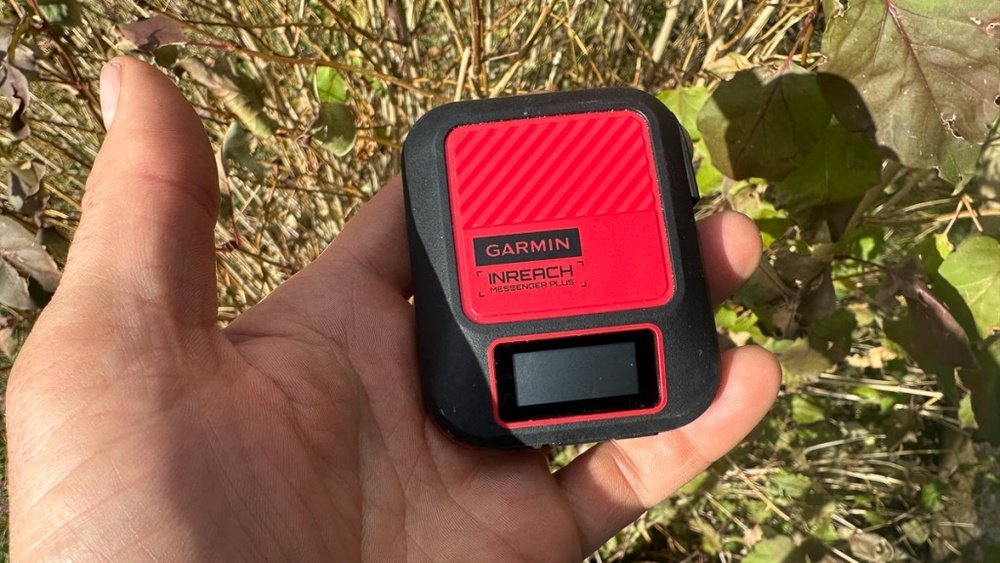
The Garmin InReach Messenger Plus is a small, rugged satellite communication device. Its main job is to keep you in touch when you have no cell signal. Using the Iridium satellite network, it lets you send and receive text messages almost anywhere in the world. It can also send an SOS alert if you’re in trouble, alerting rescue services to your location.
Think of it as your lifeline when you’re far from help—whether you’re climbing a mountain, driving through deserts, or sailing across oceans. Unlike basic GPS trackers, it’s designed for two-way messaging, location sharing, weather reports, and more.
Who Is The Inreach Messenger Plus For?
This device isn’t just for hardcore explorers. Anyone who spends time in remote areas can benefit:
- Hikers and backpackers who travel far from cell towers
- Hunters and anglers going deep into forests or mountains
- Sailors, kayakers, and boaters on open water
- Travelers in countries with poor cell coverage
- Emergency planners or field workers in disaster zones
- Even families who want peace of mind when loved ones are out adventuring
The key is: if you ever worry about being unable to call for help, or want to stay connected with loved ones while off the grid, this tool is designed for you.

Key Features: What Sets It Apart?
Let’s break down what the InReach Messenger Plus actually does. Some features are standard for satellite messengers, but a few are unique.
Reliable Two-way Messaging
Using the global Iridium satellite network, you can send and receive SMS messages from anywhere with a clear view of the sky. Unlike some one-way devices, you’ll know if your message was delivered—and you can get replies. This is crucial in emergencies or just for regular check-ins.
Sos Emergency Service
If you’re in danger, pressing the dedicated SOS button connects you with GEOS International Emergency Response Coordination Center. They coordinate rescue, keep you updated, and relay your location—24/7. This is not just a basic alert; real people respond and guide you through the situation.
Location Sharing & Tracking
You can share your live location with friends and family through a web-based map link. They can watch your progress and see your last known position—useful for safety and peace of mind.
Weather Forecasts
Get on-demand weather reports, including basic or premium forecasts for your exact GPS location. This can help you avoid storms or make smart travel choices when conditions change.
Battery Life & Power Bank Function
The device boasts up to 28 days of battery life in tracking mode, much longer than smartphones. Plus, it can act as a power bank—charging your phone in emergencies.
Easy Smartphone Integration
Pair it with the Garmin Messenger app on your phone for easier texting, group messaging, and a familiar interface. The app switches between satellite, Wi-Fi, and cellular automatically, always using the cheapest available option.
Rugged Build
It’s IPX7 rated—meaning waterproof up to 1 meter for 30 minutes—and works in extreme temperatures. Drop it, get it wet, or use it in the snow: it’s designed to keep working.
Compact And Lightweight
At just 4 oz (113 grams) and about the size of a deck of cards, it fits in any pocket or pack.
How Does It Compare To Other Devices?
With several satellite messengers on the market, how does the InReach Messenger Plus stack up? Here’s a quick comparison with two leading rivals: the Garmin inReach Mini 2 and the Zoleo Satellite Communicator.
| Device | Size & Weight | Battery Life (Tracking) | Two-way Messaging | SOS | Weather Forecasts | Price (USD) |
|---|---|---|---|---|---|---|
| InReach Messenger Plus | 3.1″ x 2.5″ x 0.9″, 4 oz | Up to 28 days | Yes | Yes | Basic & Premium | $299.99 |
| inReach Mini 2 | 4.0″ x 2.0″ x 1.0″, 3.5 oz | Up to 14 days | Yes | Yes | Basic & Premium | $399.99 |
| Zoleo Communicator | 3.6″ x 2.6″ x 1.0″, 5.3 oz | Up to 8 days | Yes | Yes | Basic Only | $199.99 |
Key insights:
- The Messenger Plus is lighter and has longer battery life than most.
- It’s not the cheapest (Zoleo is), but offers more features for the price.
- The Mini 2 has a screen and GPS navigation, but the Messenger Plus focuses on messaging and power bank features.
- All three require a subscription—see the next section for details.
Subscription Plans & Ongoing Costs
The initial price is just part of the story. You must pay a monthly subscription to use satellite messaging and SOS features. Garmin offers flexible plans, but they can add up.
Here’s a summary of Garmin’s current subscription options for the Messenger Plus:
| Plan Name | Monthly Price | Text Messages (Satellite) | Location Pings | SOS | Weather |
|---|---|---|---|---|---|
| Safety | $14.95 | 10 (then $0.50 each) | Unlimited | Included | $1.00 per request |
| Recreation | $34.95 | 40 (then $0.50 each) | Unlimited | Included | $1.00 per request |
| Expedition | $64.95 | Unlimited | Unlimited | Included | $1.00 per request |
Important details:
- You can activate or suspend plans as needed (seasonal use).
- SOS response is always included.
- Weather costs are extra per request, except for basic forecasts.
- There’s a one-time activation fee (about $30).
Non-obvious insight: If you only adventure a few times a year, you can activate a plan just for those months, keeping yearly costs lower.
Real-world Performance And Reliability
You might wonder: how well does the InReach Messenger Plus actually work in the wild? Here’s what users and testers report:
- Message delivery is very reliable when you have a clear view of the sky. Heavily forested areas or canyons can slow sending times, but rarely block them entirely.
- Battery life often exceeds 2 weeks for average use—much longer than smartphones or many rivals.
- The device is easy to use even for beginners, especially when paired with the smartphone app.
- The SOS function has a strong track record—real rescues have been made thanks to the service.
- Some users note that setup and plan activation can be confusing the first time, but Garmin’s online support helps.
- The power bank feature is a lifesaver for keeping your phone alive during longer trips.
Practical tip: Always test the device before your trip, including sending a message and checking battery life. This avoids surprises when you need it most.
Pros And Cons: What You Should Know
Understanding the strengths and weaknesses helps decide if this device matches your needs.
Pros
- Global coverage with the Iridium network—works anywhere with sky view.
- Two-way messaging gives peace of mind and more flexibility than one-way beacons.
- Long battery life—less charging means more safety.
- Rugged and waterproof—handles tough environments.
- Power bank function—unique among many competitors.
- Clear, easy-to-use app on both iOS and Android.
- Flexible plans—pay only when you need it.
Cons
- No built-in screen or GPS navigation—can’t replace a GPS unit for maps.
- Ongoing subscription costs—can add up over years.
- Setup and plan management can be confusing for first-timers.
- Messaging can be slow (sometimes several minutes) in dense cover or bad weather.
- Initial price higher than some entry-level competitors.
Non-obvious insight: The lack of a screen may seem like a weakness, but it also reduces distractions and power use. If you only want messaging and tracking, this keeps things simple and reliable.
When Is The Inreach Messenger Plus Worth Buying?
You should consider the InReach Messenger Plus if:
- Safety is your top concern when going off-grid. The SOS and two-way messaging are powerful safety nets.
- You want to keep loved ones updated with your location and check in regularly.
- You value long battery life and a device that can charge your phone.
- You’re fine using your smartphone for detailed map navigation (the Messenger Plus is best as a companion, not a GPS map).
You might skip it if:
- You never leave cell coverage or only take short, low-risk trips.
- You want a device with full map navigation built-in—look at the inReach Mini 2 or larger models.
- You don’t want to pay a subscription fee.
For most people who spend real time in the backcountry, the peace of mind and reliable communication justify the cost. It’s especially smart for solo travelers or small groups.
Common Mistakes And How To Avoid Them
Many first-time users make avoidable errors. Here are key tips:
- Forgetting to activate the plan: Don’t wait until the last minute. Activate your subscription before you leave.
- Not practicing with the device: Always send a test message and check battery before your trip.
- Misunderstanding message limits: Know how many texts your plan allows to avoid extra charges.
- Using only the device, not the app: The app makes messaging much easier—download and set it up before your trip.
- Ignoring firmware updates: Check for device updates before you go for the best reliability.
Practical tip: Set up emergency contacts in your Garmin account. This ensures the right people are notified if you press SOS.
Real User Experiences
Let’s look at a few real-world scenarios where the InReach Messenger Plus made a difference:
- Solo hiker in the Sierra Nevada: After a minor fall, the hiker messaged family to confirm safety and later received updated weather info to avoid a storm.
- Backcountry skier in Canada: Group split up; live tracking let friends see everyone’s progress and meet up safely.
- Boater off the Florida coast: Engine failed; the boater used SOS, and rescue arrived within hours, guided by GPS coordinates sent from the device.
Many users mention peace of mind as the biggest benefit—knowing they can always reach help if needed.

Is There A Better Alternative?
For pure messaging and SOS, the InReach Messenger Plus is hard to beat. If you want:
- Full GPS navigation: Consider the inReach Mini 2 or Explorer models.
- Lower price: Zoleo is cheaper but lacks premium weather and power bank features.
- Phone-like texting experience: Both the Messenger Plus and Zoleo shine with their smartphone apps.
The choice comes down to your priorities: messaging, navigation, price, or battery life.
Tips For Getting The Most Value
To maximize your investment:
- Choose the right plan: Don’t overpay—pick a plan that matches your trip frequency and message needs.
- Suspend service in the off-season: Garmin allows you to pause your subscription, saving money.
- Use the app smartly: Messaging is faster and easier through your phone, and you can manage group chats.
- Conserve battery: Turn off tracking when not needed, keep it charged, and avoid constant weather updates.
- Share your tracking link: Friends and family can follow you live—great for safety and fun.
Frequently Asked Questions
What Is The Difference Between Inreach Messenger Plus And Inreach Mini 2?
The InReach Messenger Plus focuses on messaging, with a longer battery life and a power bank feature, but it has no screen or map navigation. The inReach Mini 2 includes a small screen and can be used as a basic GPS for navigation, but has shorter battery life and is more expensive.
Can I Use The Inreach Messenger Plus Without A Phone?
Yes, you can send preset messages and trigger SOS directly from the device. However, for custom messages and easier typing, pairing with a smartphone is recommended. The device works on its own in emergencies.
How Much Does It Cost To Use The Inreach Messenger Plus Per Year?
Costs depend on your plan and usage. For example, using the Safety plan for 3 months each year would be about $45 plus the one-time activation fee. If you need year-round service, expect to pay $180–$780 per year, depending on your chosen plan.

Will It Work Worldwide, Including In The Mountains Or At Sea?
Yes, the Messenger Plus uses the Iridium satellite network with truly global coverage. It works almost everywhere outdoors with a clear view of the sky, including mountains, oceans, and polar regions.
Where Can I Get More Official Information About Garmin Inreach Devices?
Visit the Garmin official website for detailed specs, support, and purchasing options.
Final Thoughts
The Garmin InReach Messenger Plus is a smart investment for anyone who travels off the grid and values safety, reliable communication, and long battery life. While it’s not the cheapest option, its combination of features, power bank function, and flexible plans make it a top pick for many outdoor enthusiasts. For those who don’t need full GPS navigation but want peace of mind on every adventure, this device is easy to recommend. If safety and staying in touch matter to you, the InReach Messenger Plus is definitely worth considering.