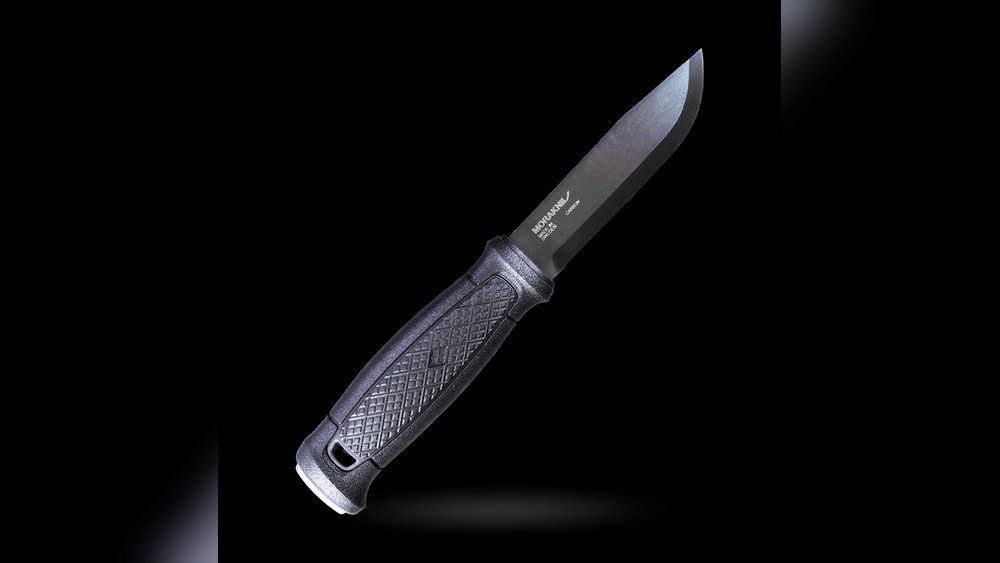
Is Morakniv Garberg Worth It? Honest Review and Buyer’s Guide
The Morakniv Garberg is a fixed-blade knife that has earned a strong reputation among outdoor enthusiasts, bushcrafters, and survivalists. But with so many knives on the market—many at lower prices—you might ask: Is the Morakniv Garberg really worth it? In this article, we’ll dive deep into what makes the Garberg unique, examine its strengths and weaknesses, and help you decide if it’s the right knife for your needs. Whether you’re new to knives or you’ve used many, you’ll find detailed insights that go beyond simple reviews.
What Is The Morakniv Garberg?
The Morakniv Garberg is a robust, full-tang knife made in Sweden by Morakniv, a company famous for making reliable cutting tools since 1891. The Garberg stands out as Morakniv’s answer to heavy-duty outdoor use. It’s designed for tasks like wood carving, fire making, food prep, and even batoning (splitting wood by striking the knife spine).
Key specs:
- Blade length: 4.3 inches (109 mm)
- Overall length: 9 inches (229 mm)
- Blade thickness: 0.13 inches (3.2 mm)
- Weight: About 6 ounces (170 g) without sheath
- Steel options: Sandvik 14C28N stainless or carbon steel
- Sheath options: Leather, polymer, or MOLLE-compatible
Morakniv markets the Garberg as their toughest knife. It is often compared to classics like the Companion or Kansbol, but it is priced higher and targeted at serious users.
First Impressions And Build Quality
When you pick up the Garberg, you notice it feels solid and balanced. The full-tang construction (the steel runs through the entire handle) makes it much stronger than partial-tang knives. This is a key reason for its popularity among bushcrafters, who often rely on one tool for demanding jobs.
The Garberg’s handle is made of polyamide (a tough plastic), with a textured surface for grip even when wet. It’s not flashy, but it’s functional and durable. The fit and finish are excellent for its price range. There are no sharp edges where the handle meets the blade, which means less chance of blisters during heavy use.
The blade itself has a Scandinavian grind (Scandi grind), a flat bevel that makes sharpening easy and is favored for woodwork. The spine is ground to a sharp 90 degrees, so you can strike a ferro rod to make sparks for fire-starting—an important feature for survival situations.
Performance In The Field
To judge if the Garberg is worth it, performance is key. Here’s how the knife holds up in real outdoor tasks:
Wood Processing
The Garberg’s full tang and thick blade allow it to baton small logs and split kindling with surprising ease. While it’s not as heavy as some larger survival knives, it’s tough enough for most camp chores. The Scandi grind bites into wood well, making feather sticks for fire a breeze.
Food Preparation
The blade is short enough for detailed work, like slicing vegetables or cleaning fish. It’s not as thin as a kitchen knife, but it’s more versatile in the wild. The stainless steel version resists rust if you’re cutting acidic foods.
Fire-making
Thanks to the sharp spine, the Garberg easily scrapes ferro rods to shower sparks. This feature is often overlooked by beginners who may not realize that many knives have rounded spines that can’t perform this task.
Carving And Whittling
For bushcraft, the Garberg’s grind and pointy tip are well-suited to tasks like making tent pegs, notches, or traps. The balance between blade thickness and grind provides enough control for finer work.
Durability In Harsh Conditions
Owners have reported using the Garberg in below-freezing temperatures, wet environments, and even salty coastal areas. The stainless version, in particular, is very resistant to corrosion. The carbon steel needs more care (oiling, drying after use), but it is easier to sharpen in the field and can take a slightly sharper edge.
Comparison: Garberg Vs. Other Morakniv Knives
To understand if the Garberg is worth its higher price, it helps to compare it to other Morakniv knives. Here’s a side-by-side look at the Garberg, Companion, and Kansbol:
| Feature | Garberg | Companion | Kansbol |
|---|---|---|---|
| Blade Length | 4.3 in | 4.1 in | 4.3 in |
| Blade Thickness | 0.13 in | 0.08 in | 0.10 in |
| Full Tang | Yes | No | No |
| Steel | Stainless/Carbon | Stainless/Carbon | Stainless |
| Price (approx.) | $80–$110 | $15–$25 | $35–$50 |
| Intended Use | Heavy-duty/Bushcraft | General/Light | Versatile/Medium |
While the Companion is much cheaper, it lacks full-tang strength and a sharp spine for fire-making. The Kansbol is more versatile than the Companion but still less rugged than the Garberg. If you need one knife that can handle abuse, the Garberg is Morakniv’s best choice.

The Cost Factor: Is The Garberg Overpriced?
At first glance, the Garberg’s price may seem high, especially compared to other Morakniv knives. It’s common to find it between $80 and $110, depending on sheath choice and steel type. Many people wonder if you’re just paying for the Morakniv name or if there’s real value.
What Are You Paying For?
- Full-tang construction: This makes the knife much stronger, which is important if you plan to baton wood or use the knife for prying.
- Premium materials: The Sandvik 14C28N stainless steel holds a sharp edge longer and resists rust. The carbon steel is easy to sharpen and excellent for fine work.
- Multiple sheath options: Unlike cheaper models, you can choose the sheath that fits your carrying style—leather for tradition, polymer for toughness, or MOLLE for tactical use.
- Made in Sweden: Quality control is high, and you get a real outdoor tool, not a cheap imitation.
Comparing To Other Brands
How does the Garberg compare to other popular bushcraft knives? Here’s a quick comparison:
| Knife | Blade Steel | Full Tang | Price (approx.) | Weight |
|---|---|---|---|---|
| Morakniv Garberg | 14C28N/Carbon | Yes | $80–$110 | 6 oz |
| Ka-Bar Becker BK2 | 1095 Carbon | Yes | $85–$100 | 16 oz |
| ESEE 4 | 1095 Carbon | Yes | $110–$130 | 8 oz |
| Benchmade Bushcrafter 162 | S30V Stainless | Yes | $180–$200 | 7.7 oz |
The Garberg holds its own against respected brands, often at a lower weight and with a competitive price. Its balance of strength, sharpness, and ease of carry make it unique in its class.
Unique Features That Set The Garberg Apart
It’s easy to overlook details that actually matter in the field. Here are two things beginners might miss:
- Sharp 90-degree spine: Not all outdoor knives have this. A sharp spine lets you scrape bark or use a ferro rod for starting fires—something rounded-spine knives can’t do.
- Sheath modularity: The Garberg’s sheath system allows you to switch between belt carry, MOLLE attachment, or even neck carry. This flexibility is rare in knives at this price point.
Another non-obvious benefit: the Garberg’s handle is designed to work well with gloves, making it safer in cold or wet environments.

Common Criticisms And Weak Points
No knife is perfect, and the Garberg has its critics. Here are the most common complaints:
- Handle comfort: Some users with very large hands find the handle a bit narrow. If you plan to use the knife for hours, check if the grip suits you.
- Weight: While light compared to some survival knives, it is heavier than the Morakniv Companion or Kansbol. If every ounce matters, this could be a drawback.
- Edge retention in hard use: While the 14C28N steel is good, it’s not as tough as some premium steels like S30V or CPM-3V. For most people, this won’t matter, but heavy batoning or chopping can dull the edge faster.
These issues are rarely deal-breakers, but they are worth considering before you buy.
Practical Use Cases: Who Should Buy The Garberg?
The Garberg is not for everyone. Its value depends on how you plan to use it.
Best Suited For:
- Bushcrafters: If you practice bushcraft skills, the Garberg’s strength and edge geometry are ideal.
- Campers and hikers: It’s a great all-around knife if you want one tool for everything, from preparing food to making kindling.
- Emergency and survival kits: Full tang, tough steel, and a reliable sheath make it a good choice for bug-out bags.
- Hunters and anglers: The blade shape works for field dressing and cleaning fish, though dedicated fillet knives are better for fine work.
Not The Best For:
- Ultralight backpackers: If you count every gram, the Garberg may be too heavy compared to tiny folding knives.
- Urban carry: The Garberg is overkill for opening boxes or cutting string in the city.
- Budget buyers: If you rarely camp or just need a knife for light jobs, the Morakniv Companion will save you money.
Care And Maintenance: Keeping Your Garberg Sharp
Even the best knife needs care. Here’s what you need to know:
- Stainless steel Garberg: Wash with soap and water after use. Dry before sheathing. Sharpen with a fine stone or ceramic rod when dull.
- Carbon steel Garberg: Follow the same cleaning steps, but also apply a thin layer of oil (mineral or gun oil) to prevent rust.
- Sheath care: Polymer sheaths need little maintenance. Leather sheaths benefit from occasional conditioning with leather oil or balm.
A small tip: If you use your Garberg in saltwater environments, rinse with fresh water and dry immediately. Salt can cause even stainless steels to rust over time.
Real-world Feedback: What Users Say
To get a complete picture, it’s important to look at feedback from actual owners. Most reviews are positive, with users praising the Garberg’s:
- Toughness: Many say it’s the most durable knife they’ve owned under $120.
- Versatility: Owners report using it for everything from camping to prepping firewood in emergencies.
- Easy sharpening: The Scandi grind is easy to touch up, even for beginners.
Negative feedback is usually about the sheath (some prefer leather over polymer, or vice versa) and handle size. Rarely, people mention the knife is “too nice” to abuse, but most find it stands up to hard use.
One non-obvious insight: Some users sharpen the spine further for even more sparks when using a ferro rod—a trick not found in manuals.

The Value Of Investing In A Quality Knife
It can be tempting to buy a cheaper knife, especially if you’re new to outdoor activities. However, an unreliable knife can cause real problems in the field. A quality tool like the Garberg can mean the difference between a fun camping trip and a frustrating, even dangerous experience.
A knife is one of the oldest and most important tools. Choosing a solid, field-proven model gives you confidence and safety. The Garberg’s reputation is built on more than just marketing—it has been tested by thousands of users in real conditions.
If you want a knife that will last for years, handle tough jobs, and offer peace of mind, the Garberg is a strong investment.
Frequently Asked Questions
What Is The Difference Between The Garberg Stainless And Carbon Steel Versions?
The Garberg stainless uses Sandvik 14C28N steel, which resists rust and is easier to care for, especially in wet conditions. The carbon steel version can take a sharper edge and is easier to sharpen, but it will rust if not oiled and dried after use. Choose stainless for general outdoor use and less maintenance; choose carbon for bushcraft and easier field sharpening.
Can The Garberg Be Used For Batoning Wood?
Yes, the full-tang design and thick blade make the Garberg ideal for batoning small to medium logs. It’s not as heavy as some survival knives, so it’s not suited for splitting large logs, but it handles most camp firewood tasks easily.
Is The Garberg Good For Food Preparation?
The Garberg works well for camp cooking, slicing vegetables, or cleaning fish. The blade is thicker than a kitchen knife, so it’s not as precise for thin slices, but it’s a good all-around tool for the outdoors.
How Does The Garberg Compare To The Esee 4 Or Ka-bar Becker Bk2?
All three are full-tang survival knives. The ESEE 4 and BK2 are heavier and thicker, making them better for chopping but harder to carry. The Garberg is lighter, with a Scandi grind for easy sharpening and finer work. For pure toughness, the BK2 is hard to beat; for versatility and carry comfort, the Garberg is excellent.
Where Can I Find More Information About Morakniv Knives?
A good resource for detailed knife specifications and company history is the Morakniv Wikipedia page. You’ll find more about their full range of products and manufacturing process.
Final Thoughts: Is The Morakniv Garberg Worth It?
The Morakniv Garberg stands out as a premium, full-tang outdoor knife that balances toughness, versatility, and value. It’s more expensive than basic Morakniv models, but the extra cost brings real benefits: stronger construction, better materials, and field-proven reliability.
If you need a knife that can handle anything from bushcraft to emergency use, the Garberg is a wise choice. It’s not for everyone—those who only need a light-duty knife can save money with other models—but for serious outdoorsmen and women, it delivers on its promise.
When your safety and comfort depend on your tools, the Garberg is worth the investment.