Is Garmin Montana 710I Worth It? Honest Review and Buyer Guide
The Garmin Montana 710i is one of those devices you see on the dashboard of serious adventurers, off-road travelers, and hikers who want more than just directions—they want confidence, communication, and control. But with a price tag that makes you stop and think, is the Montana 710i truly worth your money?
Today, let’s break down what this device offers, what makes it different from cheaper GPS units or your smartphone, and who should consider making this investment.
What Sets The Garmin Montana 710i Apart?
When you first look at the Montana 710i, you might notice its rugged design and large screen. But it’s what’s inside that makes it special. This device combines advanced navigation with inReach satellite communication. That means you get maps, GPS, and the ability to send SOS messages or texts even when you are far from cell service.
There are many outdoor GPS units out there, but the Montana 710i stands out because it’s built for both navigation and emergency use. It’s not just for hiking; it’s for anyone who travels off the grid and needs to stay connected or safe.
Key Features And Specifications
Let’s look at what you get with the Montana 710i. This overview will help you understand whether its features match your needs.
| Feature | Details |
|---|---|
| Display | 5-inch color touchscreen (glove-friendly, sunlight readable) |
| Maps | TopoActive, City Navigator, Birdseye Satellite Imagery (downloadable) |
| inReach Technology | Two-way satellite messaging, SOS function, location sharing |
| Battery Life | Up to 18 hours (lithium-ion), up to 330 hours (Expedition mode) |
| Waterproof Rating | IPX7 (submersible up to 1 meter for 30 minutes) |
| Weight | 14.5 oz (410 g) with battery |
| Connectivity | Wi-Fi, Bluetooth, ANT+ |
| Camera | No built-in camera (unlike Montana 750i) |
This device is not just for navigation. With inReach built in, you can communicate almost anywhere, even when there’s no mobile signal.
Navigation Capabilities: Going Beyond The Basics
The navigation in the Montana 710i is more than just following a line on a map. Here’s what makes it strong:
- Multi-GNSS Support: Uses GPS, GLONASS, and Galileo for better accuracy, especially in deep woods or canyons.
- TopoActive Maps: Preloaded with detailed topographic maps for North America, and you can add others.
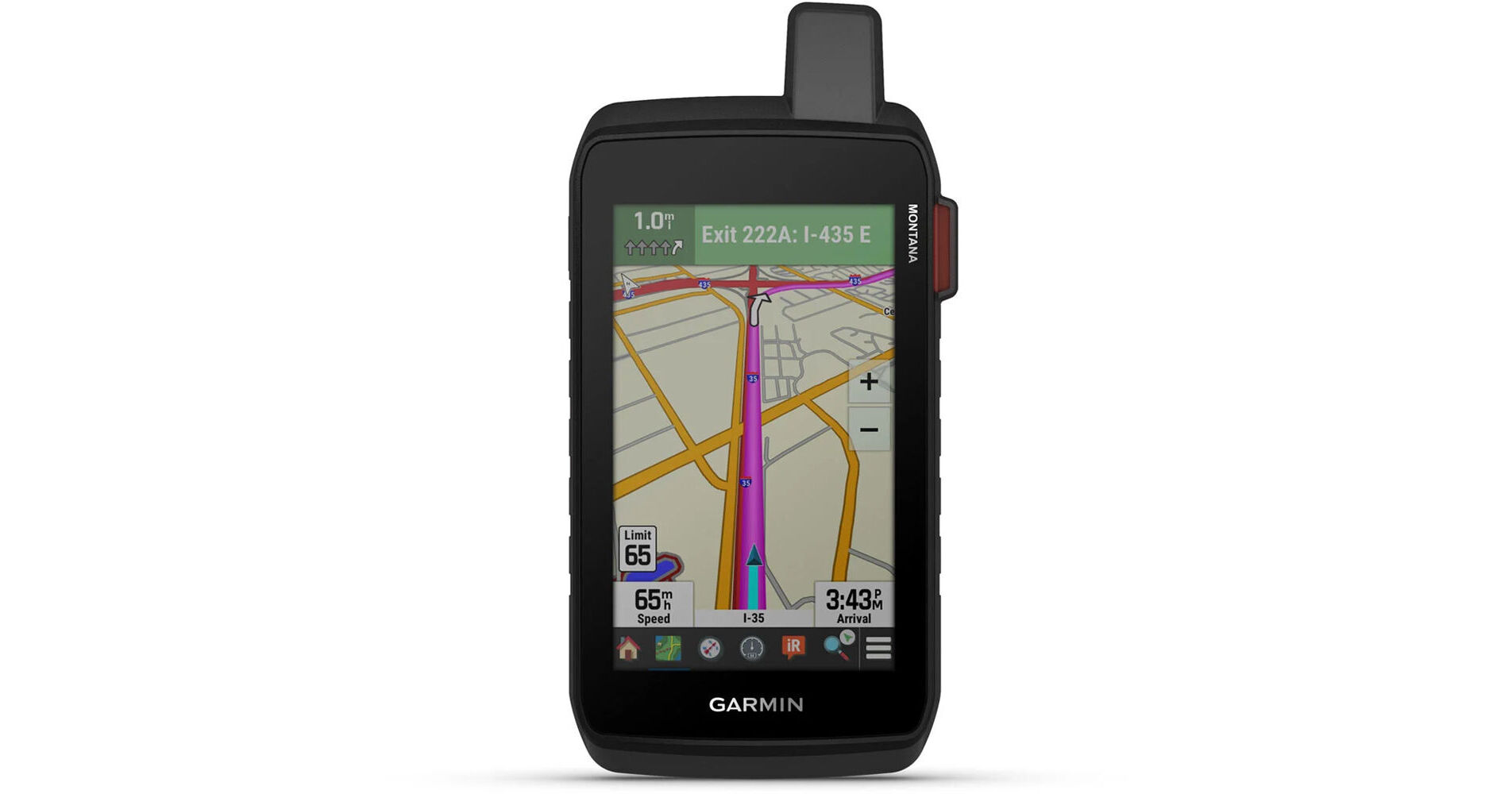
- City Navigator: Lets you use it for turn-by-turn driving directions.
- Birdseye Satellite Imagery: Download high-res satellite images for free. Useful for seeing terrain and planning routes.
Many GPS units offer maps, but the Montana 710i’s screen size and clarity make reading these maps much easier, especially in bright sunlight or when wearing gloves.
Satellite Communication: The Inreach Difference
The inReach technology is a huge reason people choose the Montana 710i. Here’s what it offers:
- Two-way Messaging: Send and receive texts via satellite. No phone signal needed.
- SOS Function: Send an emergency SOS to GEOS, a 24/7 search and rescue monitoring center.
- Location Sharing: Friends and family can track your location in real-time.
- Weather Updates: Get weather reports via satellite for your exact location.
This is not just for emergencies. You can check in with family, coordinate with a team, or get weather alerts in places where most devices are useless.
Durability And Build Quality
The Montana 710i is built for rough use. Here’s how it holds up:
- Waterproof (IPX7): Can handle rain, splashes, and even short submersion.
- Drop-resistant: Rugged casing protects it from falls.
- Temperature Tolerance: Works in extreme heat and cold.
One thing beginners often miss: this device is heavier and bulkier than many handheld GPS units. It’s designed for vehicle mounting, ATVs, or a large backpack—not for slipping in a pocket.
Battery Life And Power Options
Battery life is often the weak point of advanced GPS devices, but the Montana 710i is better than most:
- Standard Use: Around 18 hours with the lithium-ion battery.
- Expedition Mode: Up to 330 hours by reducing screen and GPS usage.
- AA Battery Option: You can use three AA batteries if you’re away from charging for a long time.
A common mistake: forgetting that inReach functions (messaging, SOS) drain the battery faster, especially in cold weather. Always carry spare batteries or a power bank for longer trips.
Ease Of Use: Interface And Controls
Some GPS devices are hard to use, especially if you wear gloves or have cold fingers. The Montana 710i makes this easier:
- Large, Responsive Touchscreen: Works with gloves and in rain.
- Customizable Menus: You can set up shortcuts for your favorite features.
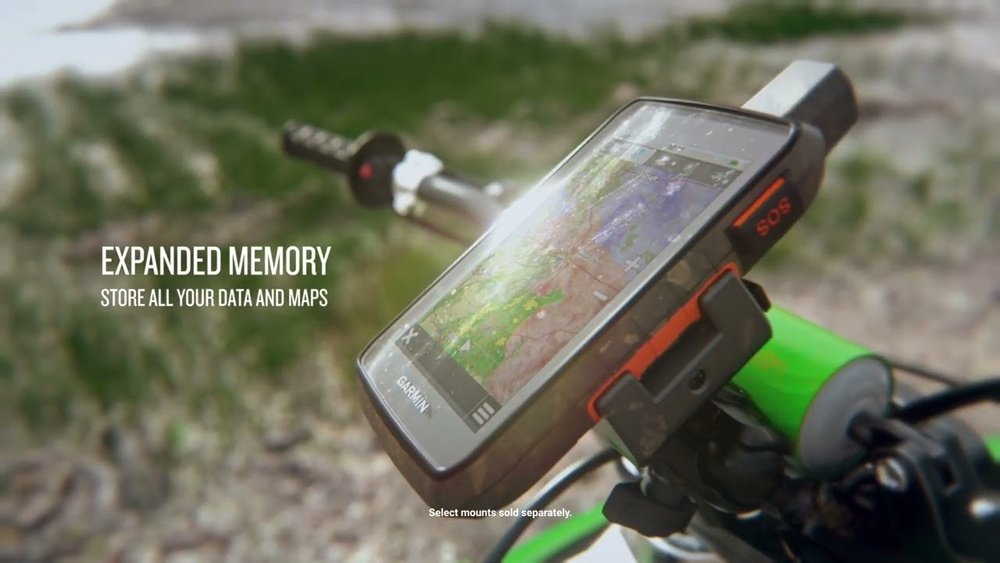
- Quick Mount System: Snaps into vehicle, bike, or backpack mounts.
But keep in mind, there is a learning curve. The menus are deep, and the device offers many options, so plan to spend time getting familiar with it before your trip.
Montana 710i Vs. Other Gps Devices
Is the Montana 710i the best value? To answer this, let’s compare it with a few alternatives.
| Device | Screen Size | Satellite Messaging | Battery Life | Approx. Price (USD) |
|---|---|---|---|---|
| Garmin Montana 710i | 5″ | Yes (inReach) | Up to 18h (330h in Expedition) | ~$700 |
| Garmin GPSMAP 66i | 3″ | Yes (inReach) | Up to 35h | ~$600 |
| Garmin inReach Mini 2 | 1.27″ | Yes (inReach) | Up to 14 days | ~$400 |
| Garmin Montana 700 | 5″ | No | Up to 18h | ~$600 |
| Smartphone + App | Varies | No (unless paired with satellite device) | Varies, often less than 8h GPS use | $0–$1000 (device + app) |
The Montana 710i is the only device here with a large screen and built-in inReach. The GPSMAP 66i is lighter and more compact but has a smaller screen. The inReach Mini 2 is much smaller, focused only on messaging, and not great for map viewing. The Montana 700 is cheaper but lacks inReach. A smartphone can do much, but only if you have cell service or pair it with another satellite communicator.
Pros And Cons Of The Garmin Montana 710i
Let’s look at the strengths and weaknesses, so you can see if they match your needs.
Pros
- Large, clear touchscreen for easy map viewing.
- InReach satellite messaging and SOS built-in.
- Rugged design for outdoor use.
- Versatile mounting options (vehicle, bike, backpack).
- Detailed mapping with free satellite imagery.
- Good battery life for such a powerful device.
Cons
- Expensive, both for the device and the required inReach subscription.
- Bulky and heavy compared to pocket-sized units.
- Learning curve for beginners.
- No built-in camera (unlike the Montana 750i).
- Touchscreen can be tricky in heavy rain or with thick gloves.
Who Should Buy The Garmin Montana 710i?
The Montana 710i is not for everyone. Here’s who will get the most value:
- Backcountry travelers: Hikers, hunters, and overlanders who go far from cell service and need reliable maps and emergency communication.
- Off-road drivers: People who use ATVs, motorcycles, or 4×4 vehicles in remote areas.
- Adventure guides: Professionals who are responsible for the safety of others and need to check in or send for help.
- Expedition teams: Groups exploring areas without infrastructure.
If you mostly travel where there’s cell service, or you want a device that slips in your pocket, it might be too much. But if you need both advanced mapping and satellite communication in one solid package, it’s hard to beat.
Real-world Performance And User Experience
You might wonder how well the Montana 710i performs when it matters most. Here are some insights from real users and test situations:
- Navigation: Users report that the screen is easy to read, even in bright sun. Route planning on the device is smooth, and switching between maps is fast.
- Messaging: Satellite messages sometimes take a few minutes to send or receive, especially under heavy tree cover, but they are reliable. This is typical for inReach devices.
- Mounting: The device feels solid on a handlebar or dashboard. Some users say the powered mount is worth the extra cost if you drive a lot.
- Weather resistance: Survives heavy rain, mud, and cold without issues.
- Battery: Expedition mode is a lifesaver for long trips, but remember to reduce screen use and GPS tracking intervals to maximize life.
One non-obvious tip: Always test your messaging and SOS functions before a big trip. Set up your contacts and understand how the emergency system works. This can save precious minutes in a real emergency.
Subscription Costs And Ongoing Expenses
A detail many buyers overlook: to use the inReach messaging and SOS, you need a monthly or annual satellite subscription. Here are the basic options (as of 2026):
- Safety Plan: ~$15/month. Basic SOS and limited messaging.
- Recreation Plan: ~$35/month. More messages, tracking, and weather.
- Expedition Plan: ~$65/month. Unlimited messaging and tracking.
You can pause your subscription in the off-season, but factor this cost into your total budget. Some users forget to budget for the subscription, which is essential for inReach features.

Montana 710i Vs. Smartphone Navigation
Many people wonder if a rugged GPS is still needed when smartphones are so powerful. Here’s how the Montana 710i stands out:
- Satellite Communication: Phones don’t have inReach unless paired with a separate device.
- Battery Life: GPS devices are more efficient for long trips; phones drain fast with GPS tracking.
- Durability: The Montana is designed to survive drops, water, and extreme conditions.
- Map Reliability: Preloaded maps and offline satellite imagery ensure you’re never lost if you lose signal.
But, if you only hike or travel in areas with good cell coverage, a smartphone with the right app might be enough for you. The Montana 710i is overkill for city navigation or short day hikes.
Noteworthy Extras And Accessories
Garmin offers a range of accessories for the Montana 710i:
- Vehicle mounts: For dashboards, handlebars, or ATVs.
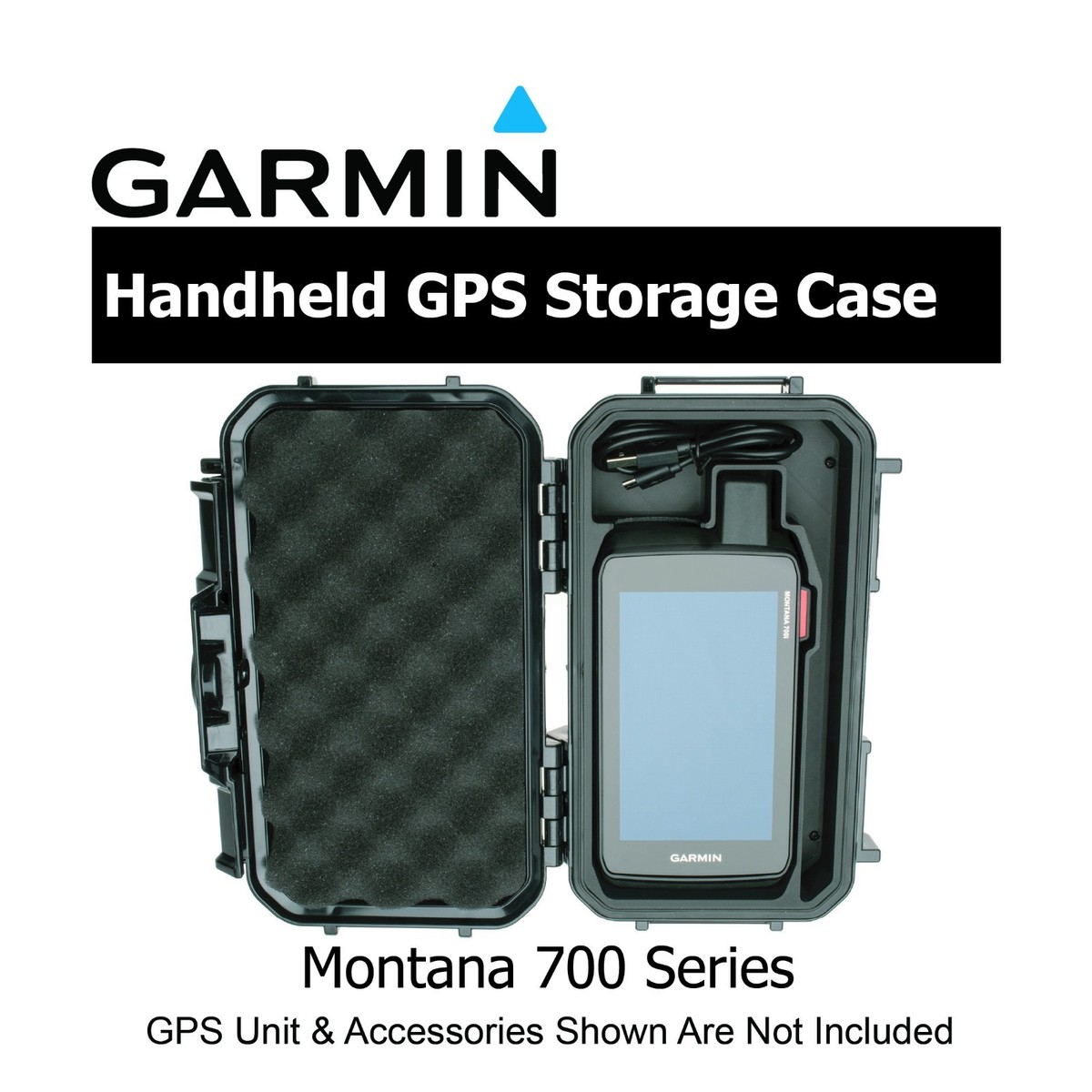
- Protective cases: Extra drop and water protection.
- External power cables: For longer trips in vehicles.
- AA battery pack: Useful for expeditions without charging options.
A practical tip: Get the powered mount if you use the device in a vehicle a lot. It charges as you drive and keeps the device secure.
Two Non-obvious Insights Most Beginners Miss
- The inReach Messaging Delay: Satellite messages don’t work like texts over cell networks. They can take several minutes, especially in deep valleys, forests, or bad weather. Always allow time for messages to send, and check for confirmation. This is important for safety planning.
- Learning the Device Takes Time: The Montana 710i is packed with features, but many users don’t realize they need to practice using it before a big trip. Spend a few evenings learning the menus, customizing shortcuts, and testing the SOS feature. This preparation can save you from frustration or mistakes when you’re far from help.
Final Thoughts: Is The Garmin Montana 710i Worth It?
If you need a device that combines advanced mapping, rugged durability, and satellite safety features, the Montana 710i is worth serious consideration. It’s expensive, and you need to factor in ongoing subscription costs. But for those who travel far off the grid, it brings peace of mind that’s hard to put a price on. It’s not for casual users, but if your adventures take you beyond cell service, there is real value in having both navigation and emergency communication in one reliable package.
For those who want a more detailed comparison or updated specs, Garmin’s official product page is a trustworthy resource: Garmin Official Site.
Frequently Asked Questions
Is The Garmin Montana 710i Waterproof?
Yes, the Montana 710i is waterproof to IPX7 standards. This means it can handle rain, splashes, and even being submerged in water up to 1 meter deep for 30 minutes. It is built for outdoor use in all weather conditions.
Do I Need A Subscription To Use The Montana 710i?
You do not need a subscription for basic GPS navigation or map features. However, you must have an inReach subscription to use satellite messaging, SOS, and weather features. Different plans are available depending on your needs.
How Does The Montana 710i Compare To The Montana 700?
The main difference is that the Montana 710i has inReach satellite communication, while the 700 does not. Both have the same large screen, mapping features, and rugged design. If you don’t need satellite messaging, the 700 can save you money.
Can I Use The Montana 710i For City Driving?
Yes, the device includes City Navigator maps for turn-by-turn driving directions. It is designed for both on-road and off-road navigation, making it useful for road trips, overlanding, and urban navigation.
What Are The Main Downsides Of The Montana 710i?
The main downsides are the high price, the need for a paid subscription for messaging, and the larger size compared to pocket GPS units. Some users also find the touchscreen harder to use with thick gloves or in heavy rain, and there is a learning curve for new users.