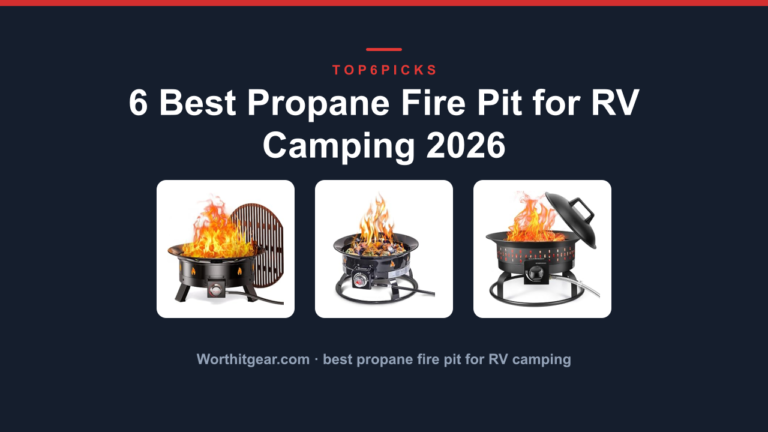
Can You Use a Fire Pit in the Rain
Can you use a fire pit in the rain? Yes, but only if you know what you're doing. The answer depends on your fuel type, your location, and how hard it's raining.
Manufacturer specs for most gas fire pits state that the burner should stay dry to function properly. Wood fires need a moisture content below 20 percent to burn cleanly. That's a big difference.
Let's break down what actually works.
Quick Answer
Yes, but only under the right conditions. Gas and propane fire pits handle light rain well. Wood fire pits need dry fuel and shelter.
Heavy rain is a hard no for any type. Check local regulations first.
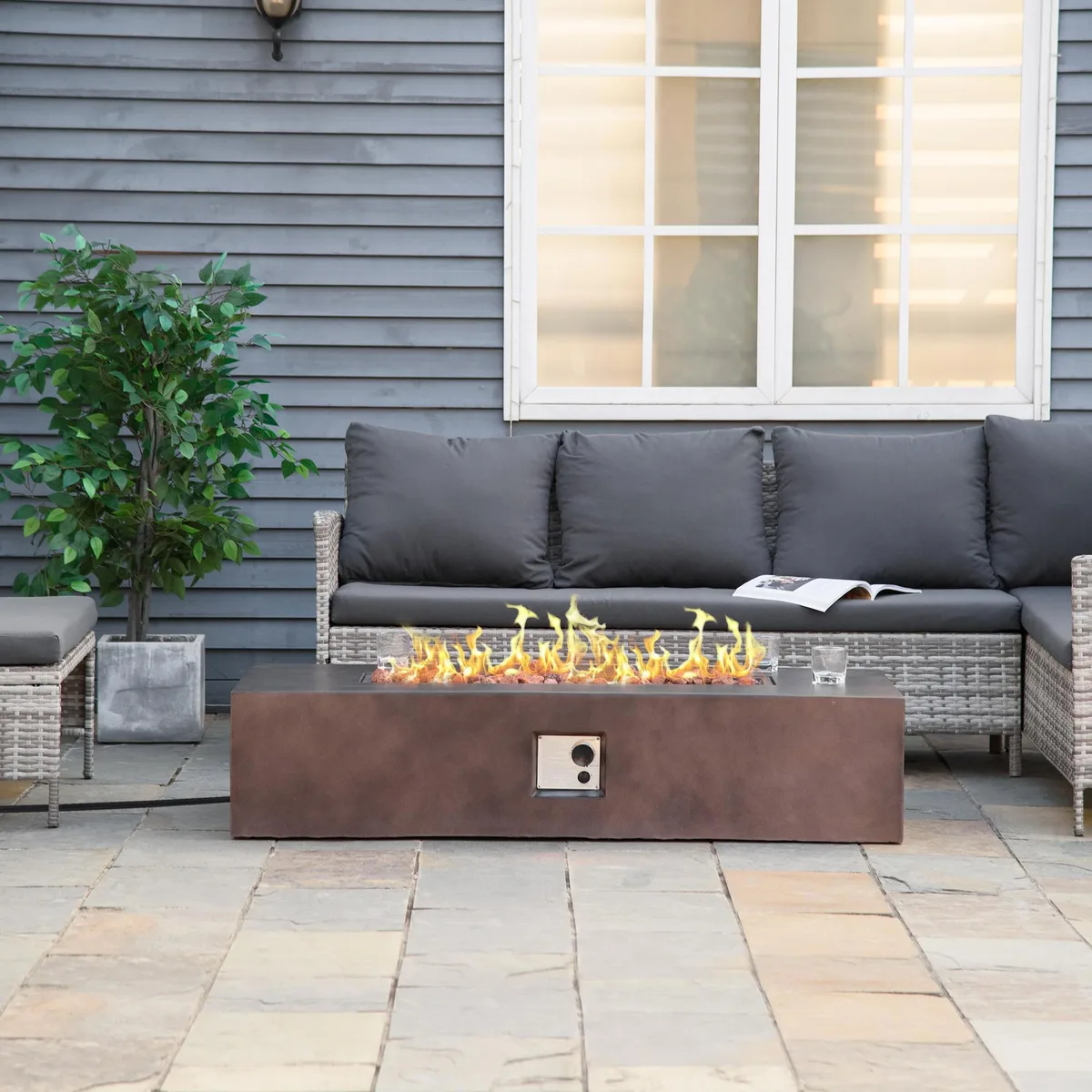
Image source: Bing (Web (fair-use with source credit))
The Three Big Variables That Decide If It's Safe
Three factors determine whether you can safely run a fire pit in wet weather. Get these right, and you're fine. Get one wrong, and you're asking for trouble.
| Variable | What Matters | Why It Matters |
|---|---|---|
| Fuel Type | Wood, propane, or natural gas | Each reacts differently to moisture |
| Location | Covered patio, open yard, or campground | Shelter changes the risk level |
| Rain Intensity | Light drizzle vs. heavy downpour | Water volume affects combustion and safety |
Fuel type is the biggest factor. Wood absorbs water fast. Wet wood smokes, hisses, and barely lights. Propane and natural gas burn cleanly even in light rain.
That's why many people prefer gas for wet climates. If you're shopping for models built for year-round use, look for units with sealed burners and rain caps.
Location matters just as much. A covered patio gives you shelter from direct rain. But you still need airflow. Using a fire pit under a roof without ventilation can trap carbon monoxide.
That's a serious risk. Open yards have no shelter, so your fire takes the full force of the rain. Campgrounds often have built-in fire rings that offer some protection, but not much.
Rain intensity is the final variable. Light drizzle is manageable for most gas pits. A heavy downpour will kill any fire, gas or wood. It can also damage your burner components.
If water gets into the gas line, you're looking at a repair job. Always check the forecast. Light drizzle is fine.
Steady rain is not.
Some fire pits have drainage holes in the bowl. These help water escape instead of pooling. But they also let ash wash out, which can be messy.
Check your owner's manual to see if your model is designed for wet conditions. The National Fire Protection Association recommends keeping outdoor fires at least 10 feet from structures.
Decision Branch: Wood vs. Gas vs. Propane in the Rain
Your fuel type decides most of what happens when rain enters the picture. Here's how each one stacks up.

Image source: Bing (Web (fair-use with source credit))
| Fuel Type | Rain Tolerance | Best For | Risk Level |
|---|---|---|---|
| Wood | Low | Dry, sheltered spots | High |
| Propane | High | Portable use, covered patios | Low |
| Natural Gas | High | Permanent installations | Very Low |
Wood fires are the most vulnerable. Rain hits the logs, and the fire dies. Damp wood produces more smoke and less heat. You need dry, seasoned wood with moisture below 20 percent.
If you use wood, you need a cover or roof. Wet wood also produces creosote, a fire hazard. Clean your chimney regularly.
Some cleaner-burning designs produce less smoke, but they still need dry fuel.
Propane pits are much more rain-tolerant. The gas comes from a tank, so moisture isn't an issue for the fuel itself. The burner and regulator need to stay dry, but most models have built-in protection. A propane tank can freeze in cold rain, though.
The gas flow slows down, and the fire weakens. Keep a spare tank on hand. Store it in a dry place.
Portable and affordable options are easy to find.
Natural gas pits are the best for rain. They're connected to a permanent gas line, so there's no tank to worry about. The burner is usually covered by a rain shield or cap. These are the most reliable in wet conditions.
But they're also the most expensive to install. Natural gas installations require a professional. The gas line needs to be buried and sealed.
If water gets into the line, it's a major problem. Once installed, it's the most dependable option.
Wood fires are the worst for rain. You'll spend more time tending than enjoying. Propane is the middle ground.
Natural gas is the premium option. For a budget, propane pits are portable and affordable. Just store the tank upright and dry.
Where You Put It: Covered Patio, Open Yard, or Campground
Your location changes everything. Here's what works where.

Image source: Bing (Web (fair-use with source credit))
A covered patio is best for rain. The roof keeps direct rain off. But you need ventilation. A fire pit under a solid roof can create a carbon monoxide hazard.
Never use a wood fire under a covered patio unless it's open on all sides. Gas pits are safer, but you still need airflow. Keep the fire pit at least 10 feet from the house.
The roof should be at least 15 feet above the fire. Point the fire pit away from the house. If you have a durable patio setup, you can use a gas fire pit in light rain without issue.
An open yard gives you no shelter. The fire takes the full force of the rain. Only gas pits can handle this, and only in light drizzle. Wood fires will die fast.
The ground can also get soft, which might cause your fire pit to sink or tip. Place it on a stable surface like gravel or concrete. Wind is your biggest problem in an open yard.
Rain blows sideways. Even a gas fire can struggle. Position the fire pit with your back to the wind.
This helps keep the flame steady.
Campgrounds often have fire rings. These are metal rings set into the ground. They offer some wind protection, but not much rain protection. If you're camping in the rain, bring a propane fire pit.
It's portable and easy to set up. Some models designed for camping can handle wet conditions better than traditional wood pits. Campgrounds have their own rules.
Some don't allow fire pits during fire bans. Others have specific hours. Check with the campground office before you light up.
Soft ground is a real danger. Rain soaks the soil, and your fire pit legs can sink. That can tip the pit over.
Always check the ground before you set up. If it's muddy, find a drier spot or use a fire pit pad. The Consumer Product Safety Commission has guidelines on outdoor fire safety.
Step-by-Step: How to Use a Fire Pit Safely in Light Rain
If you decide to use your fire pit in light rain, follow these steps. They'll keep you safe and your fire burning.
| Step | Action | Why It Matters |
|---|---|---|
| 1 | Check the forecast | Avoid thunderstorms and high winds |
| 2 | Inspect your fire pit | Remove water from bowl and burner |
| 3 | Dry the ignition system | Prevent failure to light |
| 4 | Use dry, seasoned wood | Ensure clean burning |
| 5 | Position safely | Keep at least 10 feet from structures |
| 6 | Light the fire | Let gas burn to dry the burner |
| 7 | Monitor the fire | Don't leave it unattended |
| 8 | Extinguish properly | Use water and stir ashes |
1. Check the forecast. Make sure it's only light rain. No thunderstorms.
No high winds. If lightning is in the forecast, skip the fire altogether.
2. Inspect your fire pit. Look for standing water in the bowl. Wipe it dry with a towel.
Check the burner ports for clogs. Use a small brush to clear them. For gas pits, check the igniter and battery compartment.
Make sure everything is dry.
3. Dry the ignition system. For gas pits, dry the ignition system with a cloth. If it's electronic ignition, make sure the battery compartment is dry.
For push-button ignition, click it a few times to clear moisture. Some user-friendly models have sealed igniters that resist water better.
4. Use dry, seasoned wood. If you're burning wood, store it under cover until you're ready. Wet wood won't catch easily.
It produces more smoke and less heat. Keep a small pile of kindling nearby to help get the fire going.
5. Position the fire pit safely. Keep it at least 10 feet from structures, overhangs, and trees. Make sure the ground is stable.
If the soil is soft, place a fire pit pad or gravel base underneath.
6. Light the fire. For gas pits, let the fire burn for about 5 minutes. This dries out the burner and the surrounding area.
Then adjust the flame to your desired height. For wood pits, use a fire starter or newspaper. Don't use accelerants like gasoline.
7. Monitor the fire. Rain can change conditions fast. Don't leave the fire unattended.
Watch for sudden gusts of wind that can blow rain into the fire. If the rain gets heavier, extinguish the fire and move inside.
8. Extinguish properly. Use water to put out the fire. Stir the ashes to make sure everything is cold.
Don't leave hot coals unattended. Rain can hide smoldering embers. Make sure the fire is completely out before you leave.
Easy to clean models make this step simpler.
If your gas fire pit won't light in the rain, don't keep trying. Water might have gotten into the gas line. Wait for dry weather and let it evaporate.
For wood fires, don't use accelerants. They're dangerous and can cause flare-ups.