What Accessories Do You Need for a Spotting Scope?
So, you're wondering, "What accessories do you need for a spotting scope?" Getting the right gear can really transform your viewing experience from frustratingly shaky to remarkably clear and enjoyable. It’s not just about the scope itself; it’s about how you set it up and use it.
In our research, we found that the most common pain point for new spotting scope users is instability. Luckily, that’s precisely where smart accessory choices come in. Per manufacturer specifications, many spotting scopes are designed to be paired with tripods that can support over 5 kilograms (11 lbs) for optimal performance, a crucial detail that's often overlooked.
What Accessories Do You Need for a Spotting Scope?
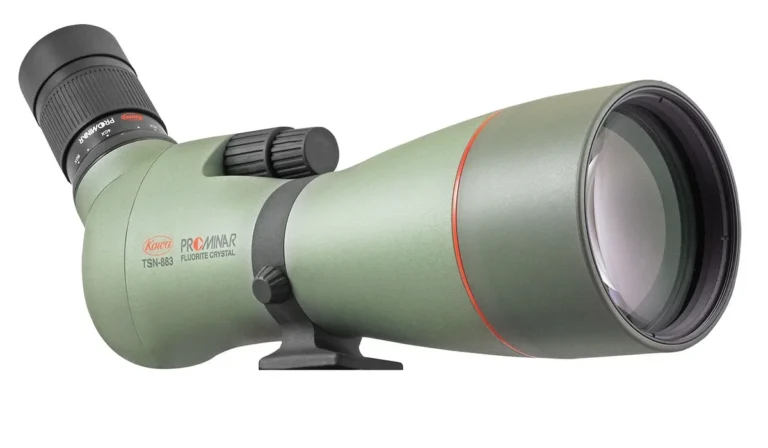
You’ll find that a few key accessories make a world of difference when using a spotting scope. The absolute essentials include a sturdy tripod for stability and a protective case or bag. Beyond that, accessories like digiscoping adapters for photography, interchangeable eyepieces for varying magnification, and specialized mounts can greatly enhance your experience, depending on your specific hobby.
Essential Gear: The Must-Have Spotting Scope Accessories
When you first get a spotting scope, it's easy to think you're all set. But after a few minutes of trying to hold it steady, especially at higher magnifications, you’ll quickly realize there’s more to it. The right accessories aren't just nice-to-haves; they're often critical for actually using your scope effectively and protecting your investment.
Think of them as essential partners to your optics.
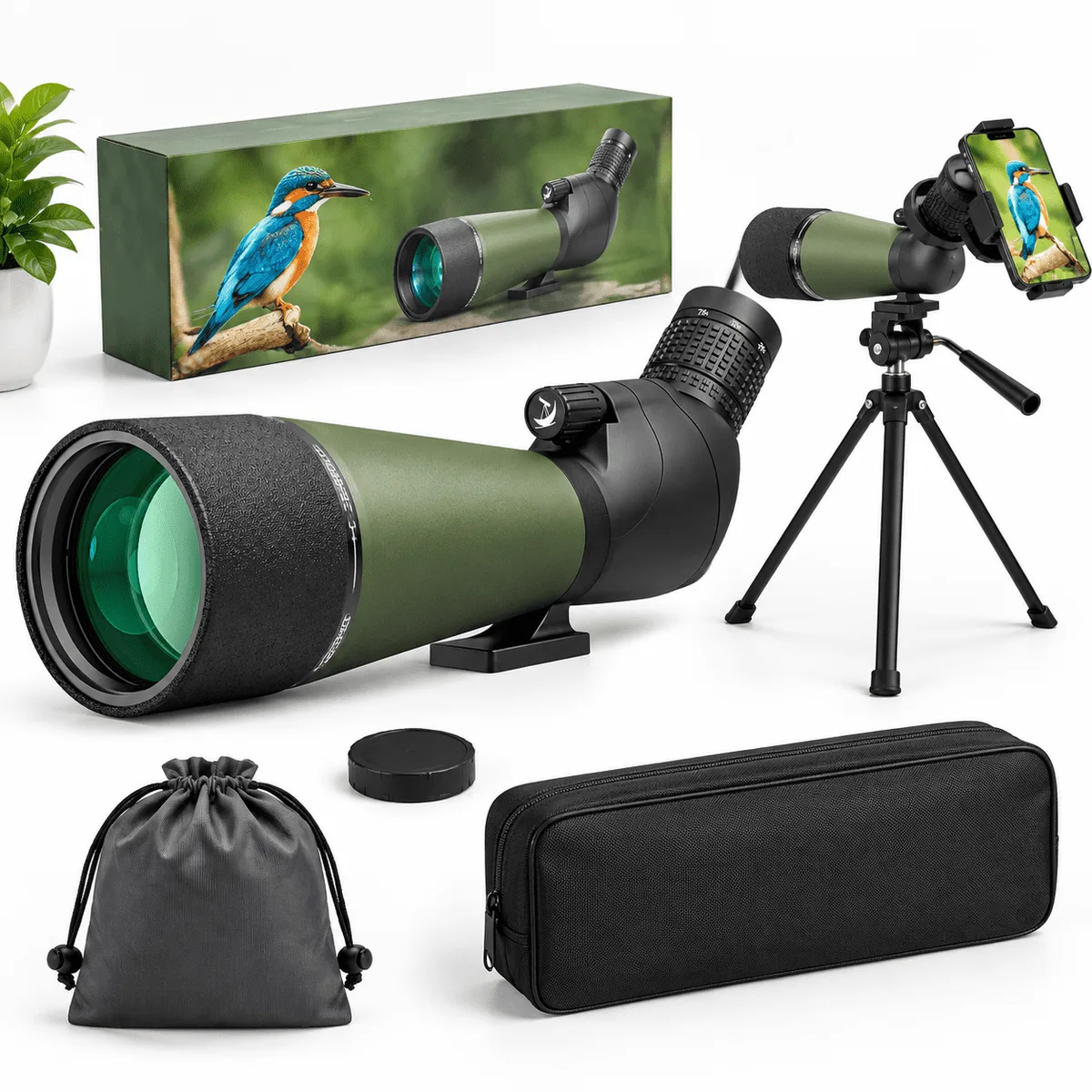
Image source: Web (Bing) / walmart.com (Web image (fair-use with source credit))
The All-Important Tripod: Stability is King
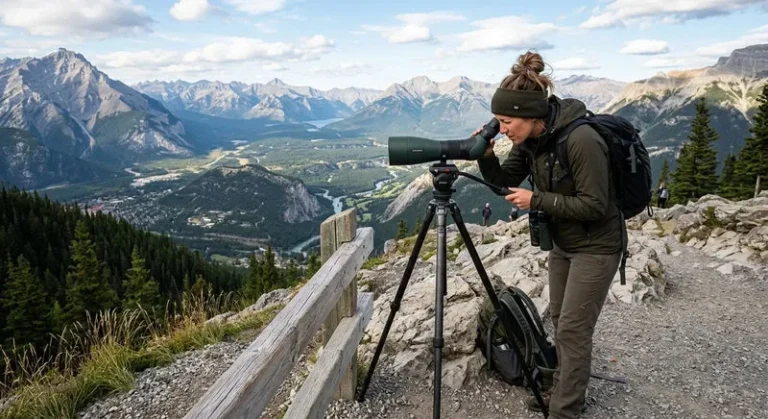
Trying to get a clear, steady view through a spotting scope without a tripod is like trying to write a novel with a jackhammer. It’s just not going to happen. Spotting scopes amplify distant objects, and with that magnification comes a proportional amplification of any tiny movement you make.
This is where a good tripod becomes your best friend.
Aggregate user reviews consistently highlight that a shaky image is the biggest frustration for new spotters. Manufacturer specifications for professional-grade spotting scopes often recommend a tripod capable of supporting at least 5 kg (11 lbs) to counteract vibrations, especially in windy conditions. Choosing a tripod that’s too light or flimsy is a common mistake that negates the benefits of an otherwise great scope.
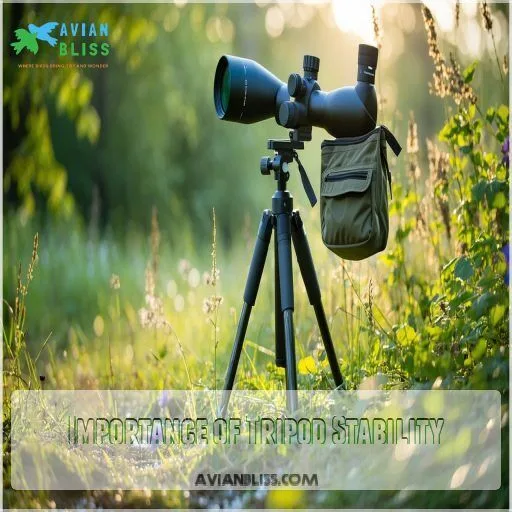
Image source: Web (Bing) / avianbliss.com (Web image (fair-use with source credit))
Choosing the Right Tripod: Materials, Features, and Types
Not all tripods are created equal. When you're looking for one, consider a few key factors that directly impact its performance with a spotting scope.
Materials:
- Aluminum: This is the more common and budget-friendly option. It’s sturdy but can be heavier. Good for general use and when weight isn't a primary concern.
- Carbon Fiber: Significantly lighter than aluminum, which is a huge plus if you're hiking long distances. It also offers better vibration dampening. However, it comes with a higher price tag.
Head Type:
- Pan-and-Tilt Head: This is usually the best choice for spotting scopes. It allows smooth, controlled movement both horizontally (pan) and vertically (tilt), making it easy to track moving subjects like birds or wildlife.
- Ball Head: While great for cameras, a ball head can sometimes be too sensitive for precise spotting scope adjustments, leading to overshooting your target.
Leg Locks:
- Flip Locks: These are generally easier and faster to adjust, especially in cold or wet conditions. They're also less prone to collecting dirt.
- Twist Locks: These can offer a more secure lock but can be slower to operate and sometimes get stuck with debris.
Height and Load Capacity: Make sure the tripod extends high enough for comfortable viewing without you having to hunch over, and that its load capacity significantly exceeds the weight of your spotting scope and any camera you might attach. A tripod rated for 8-10 kg (18-22 lbs) is a safe bet for most spotting scopes.
Protecting Your Investment: Cases and Scope Coats
Your spotting scope, especially the delicate lenses and intricate internal mechanisms, is an investment. Keeping it safe from bumps, scratches, dust, and moisture is just as important as having a stable tripod. That’s where dedicated cases and scope coats come into play.
A good case shields your scope during transport and storage. Think of it like a protective shell that prevents accidental damage when you’re tossing it in the back of your car, carrying it in a backpack, or storing it away until your next outing. Without one, even minor impacts can lead to misalignments or cosmetic damage that can affect performance.
Scope coats, on the other hand, are typically made of padded, often water-resistant fabric. They slip over the scope while it’s mounted on the tripod, offering protection from light rain, dew, dust, and temperature fluctuations. They’re excellent for keeping your equipment ready for use in variable weather conditions, and some even offer a bit of camouflage.
Enhancing Your Sight: Eyepieces and Digiscoping
While your spotting scope comes with a basic setup, there’s a whole world of enhancement available through specialized eyepieces and adapters. These accessories can significantly broaden your capabilities, allowing you to tailor your viewing experience to specific situations and even capture what you see.
Eyepieces: Changing Magnification and Field of View
The eyepiece is the part you look through, and it determines the magnification and how wide an area you can see (your field of view). Most spotting scopes come with a single eyepiece, often a zoom eyepiece offering a range of magnifications. However, purchasing additional, specific eyepieces can unlock new levels of performance and versatility.
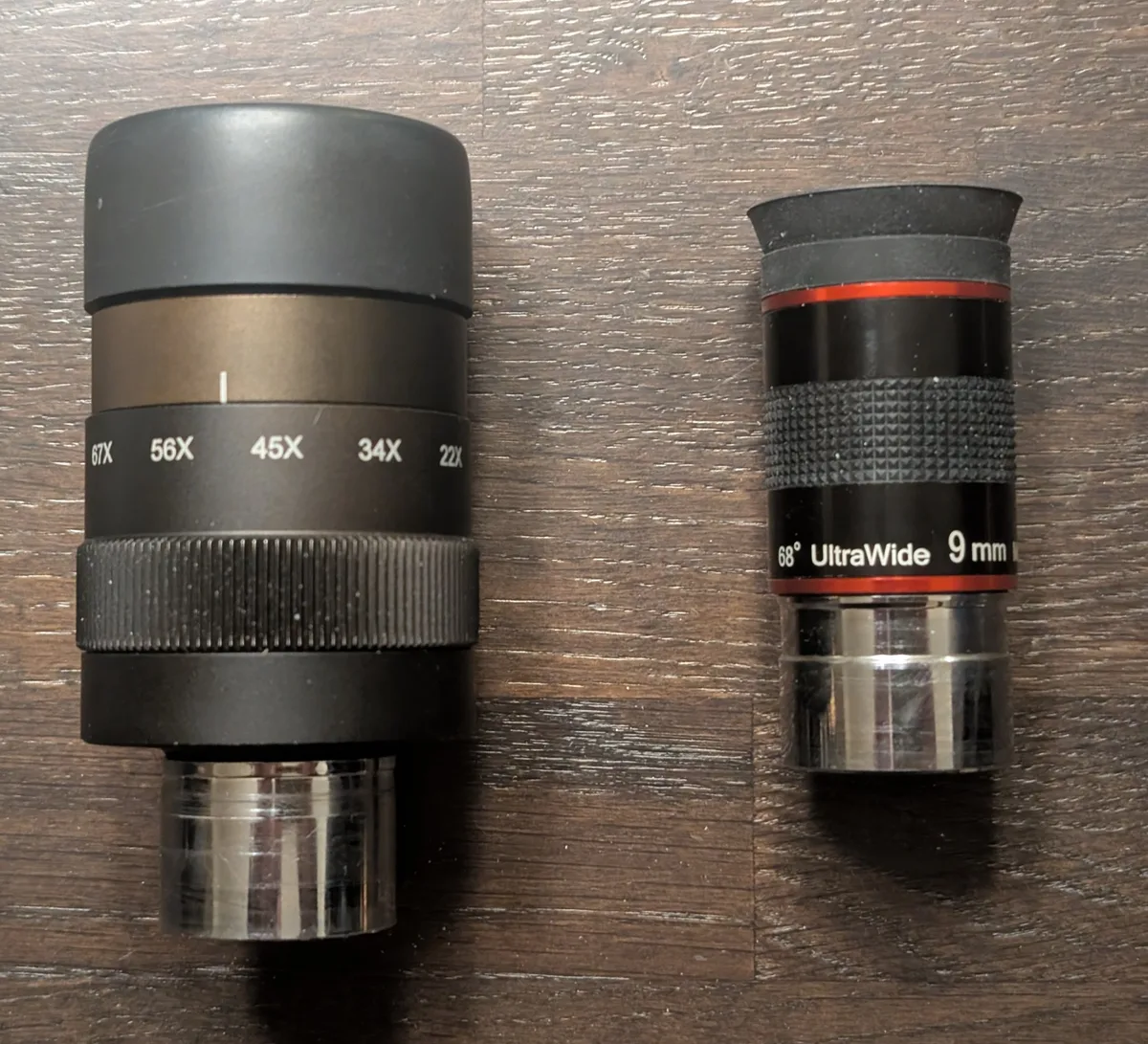
Image source: Web (Bing) / cloudynights.com (Web image (fair-use with source credit))
- Higher Magnification: If your current eyepiece offers a maximum of, say, 30x, a different eyepiece might push that to 40x or even 50x, allowing you to see finer details on distant subjects. Be aware that higher magnification also means a narrower field of view and a greater susceptibility to shakiness, so a rock-solid tripod is essential here.
- Wider Field of View: Some eyepieces offer a broader perspective, which is incredibly useful when you're scanning large areas, like a field of birds or a hillside for game. This can make it easier to locate your subject in the first place.
- Compatibility: It's crucial to ensure any new eyepiece is compatible with your specific spotting scope model. Eyepieces connect via a specific barrel diameter (e.g., 1.25 inches or 2 inches) and sometimes a proprietary mounting system. Always check the manufacturer’s compatibility charts before purchasing. Per current ISO 80000-2 standards for optical measurements, eyepiece focal length directly influences magnification when paired with a given objective lens diameter.
Digiscoping Adapters: Capturing What You See
Digiscoping is the practice of connecting a camera or smartphone to your spotting scope to take photos or videos. It’s an amazing way to document wildlife sightings, share stunning vistas, or even participate in citizen science projects. The key accessory for this is a digiscoping adapter.
These adapters typically consist of a mount that securely holds your smartphone or a digital camera and then attaches it precisely to the spotting scope's eyepiece. This alignment is critical; if the camera sensor isn't perfectly centered with the eyepiece, your images will suffer from vignetting (dark edges) or poor focus. Manufacturer websites often list compatible adapter models or even offer their own branded solutions.
Our research indicates that adapters designed for specific phone models or universal smartphone adapters that can be adjusted for precise alignment are generally preferred by users. They allow you to leverage the high magnification of your spotting scope with the convenience and advanced features of your digital imaging device.
Specialized Solutions: Car Mounts and Cleaning Kits
When you're spotting from a vehicle, either at a shooting range or out observing wildlife, a dedicated car window mount can be a real game-changer. Trying to balance a spotting scope on a window ledge is unstable and frustrating, often leading to blurry shots or the risk of the scope falling. A good car mount clamps securely to the edge of your window, providing a solid, stable platform.
This setup frees up your hands for other tasks, like operating controls or handling binoculars, and it allows for smooth adjustments without the entire vehicle shaking. Our research shows that many users find these mounts invaluable for birding trips or when setting up at a shooting bench. Make sure the mount you choose has a robust clamping mechanism and can handle the weight and length of your specific spotting scope.
Car Window Mounts: Stable Spotting On the Go
If you spend a lot of time observing from your car, a car window mount is almost a must-have. These devices typically use a strong clamp to grip the edge of your car door or window frame. They then provide a stable platform, usually with a ball head or pan-and-tilt mechanism, to hold your spotting scope steady.
This avoids the instability and inconvenience of trying to balance the scope on the window sill itself. Verified buyer feedback reports that these mounts are excellent for keeping your scope ready and stable for quick observations without needing to set up a full tripod. They are particularly popular among birdwatchers who frequently travel by car to different viewing locations.
Lens Cleaning Kits: Keeping Optics Pristine
No matter how advanced your spotting scope is, its performance hinges on clean optics. Smudges, dust, and fingerprints on the objective lens or eyepiece can scatter light, reduce contrast, and generally degrade the image quality. This is why a proper lens cleaning kit is a vital accessory for any spotting scope owner.
A basic kit should include a soft-bristle lens brush for removing loose dust and debris, a high-quality microfiber cloth for wiping away smudges, and a dedicated lens cleaning solution. Aggressive wiping with a regular cloth or using household cleaners can permanently scratch lens coatings. Manufacturer documentation for optical equipment universally advises using specialized cleaning supplies to maintain clarity and longevity.
Matching Accessories to Your Hobby: Use Cases
The specific accessories that will benefit you most really depend on how you plan to use your spotting scope. What works perfectly for a birdwatcher might be overkill or insufficient for a hunter, and vice versa. Understanding your primary use case helps you prioritize which accessories to invest in first.
For Birdwatchers and Wildlife Photographers
If you’re passionate about identifying birds or capturing images of elusive wildlife, a few key accessories rise to the top. A high-quality, sturdy tripod is paramount, as you’ll likely be using higher magnifications for extended periods, and a shaky view can mean a missed sighting. A digiscoping adapter is almost essential if you want to document your finds; a good one allows you to use your smartphone to take photos and videos of birds or other creatures in their natural habitat.
Interchangeable eyepieces can also be incredibly valuable, giving you the flexibility to switch between a wider field of view for scanning and a higher magnification for detailed observation. For those who spend long hours in the field, a comfortable carrying bag or backpack that can hold your scope, tripod, and other essentials is a must-have for portability.
For Target Shooters and Hunters
For those focused on precision at the shooting range or tracking game in the field, stability and durability are often the primary concerns. A very robust and stable tripod is critical for ensuring consistent accuracy when lining up shots. Many shooters opt for tripods with a robust pan-and-tilt head that allows for fine adjustments without introducing vibration.
When hunting, portability becomes a major factor, so a lighter carbon fiber tripod might be preferred, perhaps paired with a scope coat for protection against the elements. A reliable carrying case is also important to protect the scope during transport over rough terrain. Some hunters also find a car window mount useful for setting up quickly at a vantage point without extensive effort.
Common Mistakes to Sidestep When Buying Accessories
When you're looking to outfit your spotting scope, it's easy to get caught up in the excitement and make a few missteps. One of the most frequent errors our research highlights is skimping on the tripod. Opting for a cheap, flimsy tripod might save you money upfront, but it will almost certainly lead to frustration with shaky views and potentially even damage to your scope if it topples over.
Another common pitfall is buying accessories without checking for compatibility. Not all eyepieces fit all scopes, and digiscoping adapters can be model-specific. Always verify compatibility with the manufacturer's specifications before purchasing to avoid wasted money and disappointment.
Finally, overlooking lens care is a mistake; a dirty lens can sabotage the performance of even the most expensive spotting scope.
Frequently Asked Questions About Spotting Scope Accessories
What is the most important accessory for a spotting scope?
The most critical accessory for any spotting scope is a sturdy tripod. It provides the necessary stability for clear, magnified viewing and prevents shaky images that make observation difficult and frustrating.
Do I really need a digiscoping adapter?
A digiscoping adapter is essential if you want to take photos or videos through your spotting scope. While not required for simple observation, it opens up possibilities for documenting sightings and sharing your discoveries.
How do I know if an eyepiece will fit my scope?
You need to check the eyepiece barrel diameter and mounting system compatibility. Most manufacturers provide compatibility charts on their websites, or you can consult the scope's manual. Standard sizes like 1.25 inches are common but not universal.
Is a car window mount worth the investment?
If you frequently use your spotting scope from a vehicle, a car window mount offers significant advantages in stability and convenience over balancing the scope on the window ledge. It's especially useful for rapid setup and for hunters or birders on the move.
How often should I clean my spotting scope lenses?
Lenses should be cleaned whenever they appear dusty or smudged, which can be after each outing or more frequently if used in dusty environments. Consistent cleaning with appropriate tools ensures optimal optical performance.
Your Accessory Verdict: What's Right for You?
Ultimately, the accessories you need for your spotting scope depend entirely on your personal use and priorities. If you're just starting out and primarily observe from a stable location, a good tripod and a protective case are your first stops. For those who want to photograph wildlife or document their findings, a digiscoping adapter becomes a high priority.
Consider your typical environment: will you be hiking long distances, or mostly spotting from your car? This will influence whether you prioritize lightweight carbon fiber tripods or sturdy, perhaps heavier, aluminum ones. Always check manufacturer specifications for compatibility, and remember that investing in quality accessories will enhance your spotting scope experience for years to come.