Can You Use a Spotting Scope Without a Tripod?
So, you've got a spotting scope and you're wondering if you can skip the bulky tripod. It's a question many people ask when they're trying to pack light or just want to grab a quick look at something far away. The truth is, while you can technically hold a spotting scope without support, it rarely gives you the clear, stable view you're hoping for.
Spotting scopes are designed for high magnification, often ranging from 20x all the way up to 60x or more. Manufacturer specifications confirm that this level of magnification amplifies any movement. For instance, a scope with a 40x magnification will magnify even your slightest hand tremor by forty times, making detailed observation incredibly difficult.
Let's dive into why this is the case and what your options are.
Can You Use a Spotting Scope Without a Tripod?
You absolutely can attempt to use a spotting scope without a tripod, but it's usually not practical for effective viewing. High magnifications make even minor body movements appear as extreme shakes. This lack of stability severely limits your ability to focus and observe details.
When Hand-Holding a Spotting Scope Might Work (And When It Won't)
There are very specific, limited scenarios where you might get away with hand-holding a spotting scope for a brief moment. Think of these as exceptions that prove the rule, rather than standard practice.
Low Magnification & Quick Peeks
If your spotting scope offers a very low magnification setting, perhaps around 10x or 15x, and you have an exceptionally steady hand, you might manage a quick glance. This is best suited for just locating something generally, not for identifying specific features. For example, you might be able to spot a distant buoy, but not read any markings on it.
Bracing for Stability
A slight improvement can come from bracing yourself against a solid, stationary object. Leaning against a sturdy tree trunk, the side of a building, or even resting the scope on the roof of your car can offer a bit more stability than pure hand-holding. This isn't true stability, but it can reduce some of the wilder shakes.
What "Working" Actually Looks Like
When we say "work," we mean being able to achieve a visual that is barely usable. This typically involves significant hand and arm fatigue, a shaky image that requires constant readjustment, and a very limited viewing duration. You won't be enjoying a leisurely observation session; it's more of a desperate attempt to see something for a fleeting second.
If the goal is any kind of detailed identification or prolonged viewing, hand-holding will fall short.

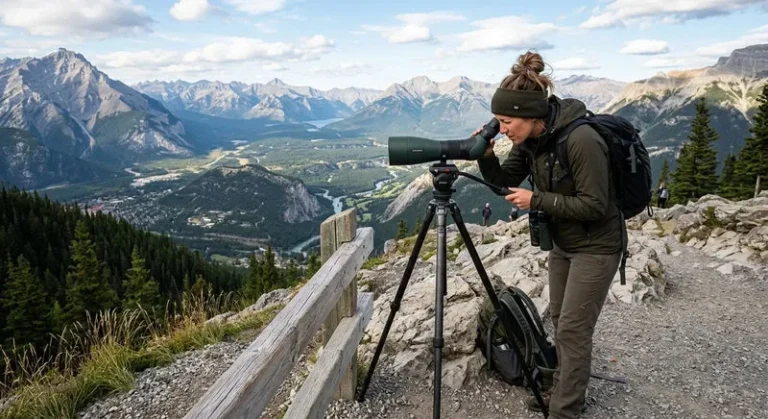
Image source: Web (Bing) / aceoptics.co.uk (Web image (fair-use with source credit))
The Real Problems with Hand-Holding a Spotting Scope
For any serious observation, attempting to hand-hold a spotting scope quickly becomes a source of frustration. The core issue lies in the fundamental design of these optical instruments.
Constant Shaking and Blurry Images
Spotting scopes are built for high magnification, meaning they amplify everything. Even the steadiest person's natural body tremors will be magnified significantly. Manufacturer specifications for optical stability emphasize that magnifications above 15x require a stable platform to prevent blur.
This constant wobbling makes it incredibly hard to focus on your subject, let alone identify fine details like plumage on a bird or the markings on distant wildlife. The image appears to jump and vibrate, making any meaningful observation impossible.
Arm Fatigue and Eye Strain
Holding a spotting scope steady, especially at high magnifications, is physically demanding. You're constantly fighting your own body's natural movements. This leads to rapid fatigue in your arms, shoulders, and neck.
Keeping your eye pressed to the eyepiece while in this strained position also causes significant eye strain. Our research indicates that users often report discomfort within minutes when attempting prolonged hand-held spotting scope use.
Missing Your Target Entirely
Tracking anything that moves, a bird in flight, an animal darting through brush, or even a distant boat, is a near-impossible feat without a stable base. As you try to follow your subject, the scope's movement is exaggerated, causing you to lose sight of it quickly. You'll likely spend more time searching for your subject again after losing it than actually observing it.
This makes it unsuitable for dynamic viewing situations.
Why a Tripod is Essential for Spotting Scope Performance
A tripod isn't just an accessory; it's a critical component that unlocks the true potential of your spotting scope. It transforms the viewing experience from a shaky ordeal into a clear, enjoyable observation.
Achieving True Clarity and Detail
The primary benefit of a tripod is its ability to provide a stable viewing platform. According to optical engineering principles, stable platforms are fundamental for high-magnification viewing. This stability eliminates the image shake caused by body movements, allowing you to see the fine details your spotting scope is capable of resolving.
For instance, birdwatchers can distinguish subtle feather patterns, and nature enthusiasts can identify species with confidence.
Sustained Observation Without Discomfort
With a tripod, you can mount your scope and adjust it to a comfortable viewing height, allowing for relaxed observation. Your arms and eyes aren't fighting against your body's natural tremors. This means you can watch wildlife or distant scenes for extended periods without the fatigue and discomfort associated with hand-holding.
This prolonged viewing capability is what makes spotting scopes so valuable for serious enthusiasts.
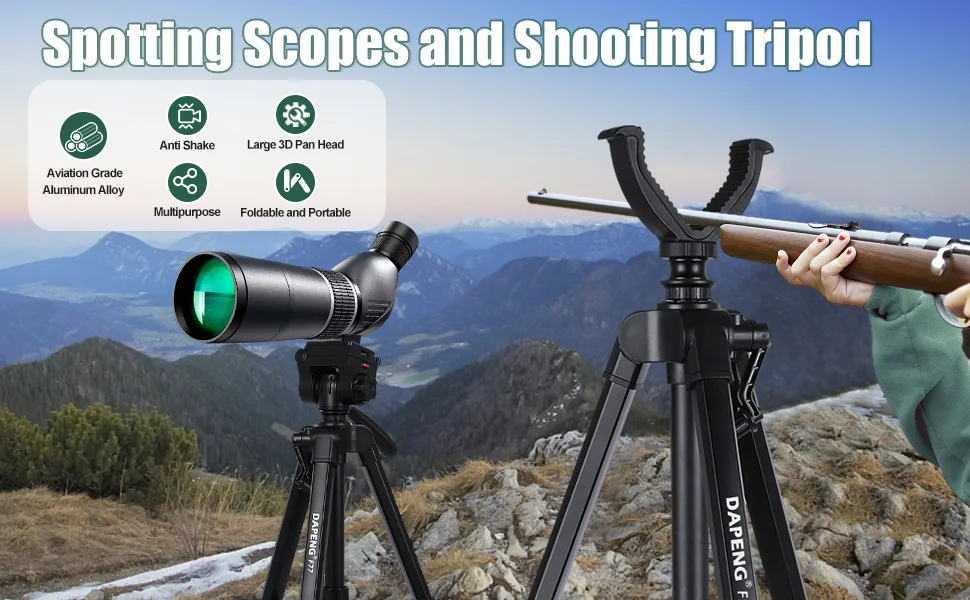
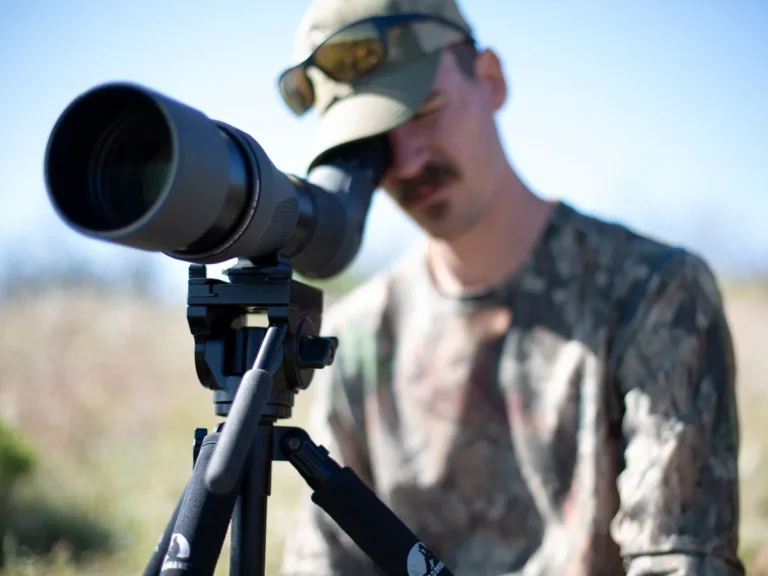
Image source: Bing (Web (fair-use with source credit))
Tracking Moving Subjects Reliably
A sturdy tripod, especially one with a fluid head, allows for smooth panning and tracking of moving subjects. You can follow a bird in flight or an animal moving across a landscape with precision and ease. This smooth motion is virtually impossible to achieve by hand, where any attempt to follow often results in jerky, unpredictable movements that cause you to lose your target.
Spotting Scope Alternatives to Consider
If portability is a major concern and you're questioning the need for a tripod, it’s worth considering instruments designed for hand-held use. These alternatives offer a different balance of magnification, portability, and stability.
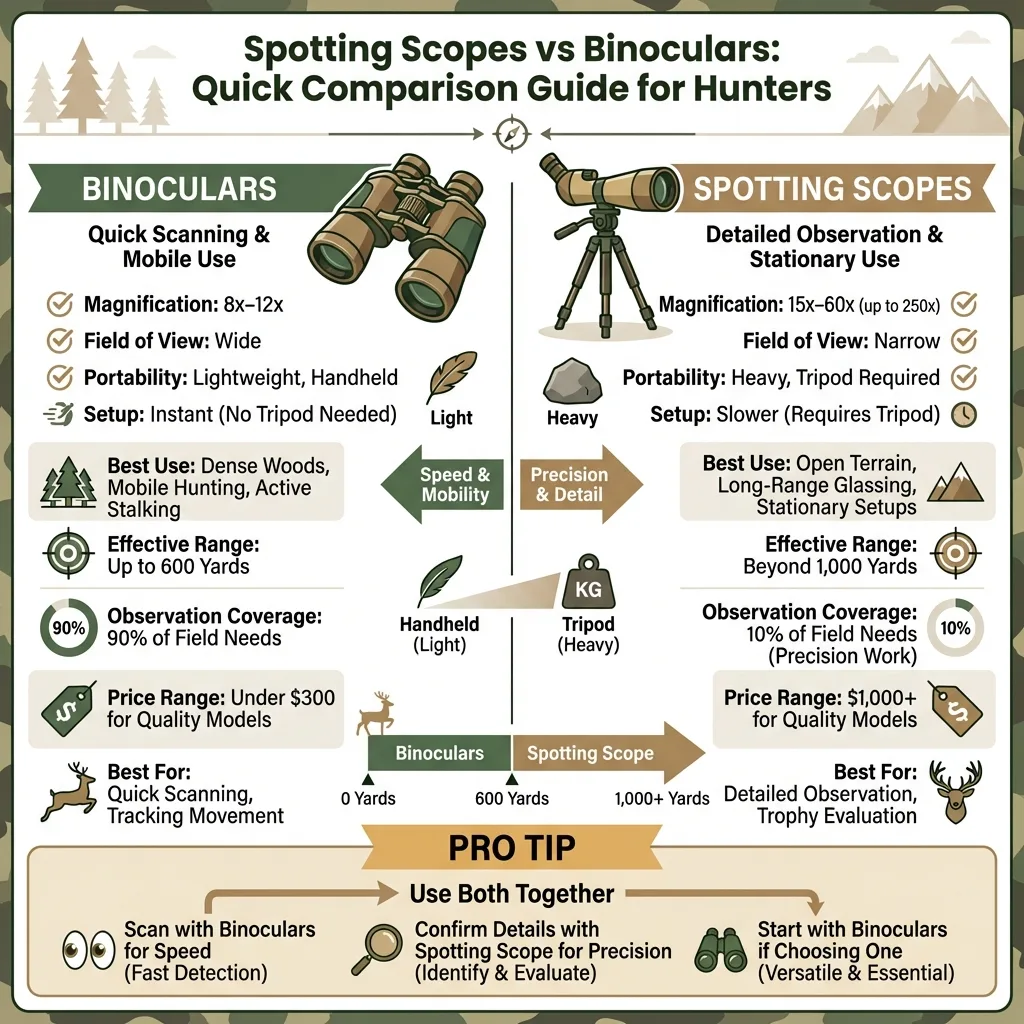
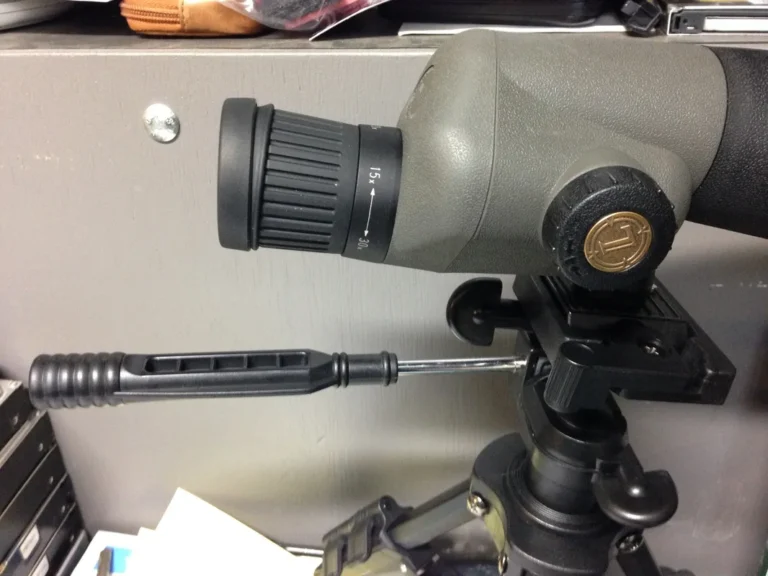
Image source: Web (Bing) / scopeitoutdoors.com (Web image (fair-use with source credit))
Binoculars: The Portable Go-To
Binoculars are the most common alternative and are inherently designed for hand-held use. They typically offer lower magnifications (from 7x to 10x, occasionally up to 12x) which are easily managed without a tripod. For general wildlife viewing, sporting events, or casual scenic observation, binoculars are often sufficient.
Their compact size and ease of use make them ideal for quick observations and travel.
Monoculars: Compact Convenience
A monocular is essentially half of a pair of binoculars, offering a single eyepiece. Like binoculars, they are designed for hand-held use and come in a range of magnifications, usually lower than spotting scopes (e.g., 8x to 10x). They provide a more compact and lighter option than binoculars, making them easy to carry in a pocket.
While they offer less field of view and depth perception than binoculars, they are excellent for quick, close-up views where a spotting scope would be overkill.
Common Mistakes When Trying to Use a Spotting Scope Without Support
Many users attempting to hand-hold a spotting scope make predictable errors that further degrade the viewing experience. Recognizing these pitfalls is the first step toward understanding why a tripod is so important.
One common mistake is expecting too much from the scope at high magnifications. Users might push the zoom to 60x or beyond, then become frustrated when the image is unwatchable. It’s like trying to read fine print from across a football field without glasses, the magnification is there, but the necessary precision isn't.
Another error is not accounting for ambient vibrations. Even a slight breeze or distant traffic can transmit enough movement through your hands to make viewing impossible.
A third frequent error involves grip and posture. People often try to "lock" their elbows or tense up their whole body, which actually introduces more micro-tremors. They also forget to brace against something solid, relying solely on their arm strength.
This approach is unsustainable and ineffective for obtaining any level of detail.
Who Needs a Tripod? Spotting Scope Users Defined
The necessity of a tripod for a spotting scope really depends on your intended use and what you hope to achieve. If you're a casual observer just glancing at something across a park, you might get by. But for dedicated enthusiasts, a tripod is almost non-negotiable.
Birdwatchers, for example, rely heavily on tripods. Identifying subtle plumage differences, distinguishing between similar species, or tracking a bird's flight path demands the stability a tripod provides. Wildlife photographers and nature documentarians absolutely require tripods to capture sharp, detailed images.
Even competitive shooters at the range depend on a stable spotting scope for accurate observation of targets.
If you plan to use your spotting scope for anything beyond a quick, general glance, like identifying specific species, studying distant details, or engaging in any activity where precision matters, then a tripod is an essential tool. It’s what allows the spotting scope to perform as designed.
When to Just Bring the Tripod: Decision Guide
Deciding whether to pack your tripod can be simplified by asking yourself a few key questions about your outing. This workflow helps you avoid frustration in the field.
- What is your primary goal? If you need to identify specific details, species, or read distant text, you need a tripod. If you just need to know "is that a person or a tree?" then maybe you can skip it.
- What magnification will you use? For magnifications above 20x, a tripod is almost always necessary for effective viewing. Below 20x, hand-holding might be possible but still challenging.
- How long do you anticipate observing? Extended viewing sessions are physically impossible to do comfortably or effectively without a tripod. Short, fleeting glances are the only viable hand-held option.
- Are there stable surfaces available? If you know you'll have solid objects like walls or car roofs to brace against, it can help, but it's not a replacement for a tripod.
If your answer to needing detail, using higher magnification, or observing for more than a moment is "yes," then the decision is clear: bring the tripod.
FAQs About Spotting Scopes and Stability
How much magnification can you hand-hold?
While there's no strict rule, most experts agree that holding a spotting scope steady for effective viewing is extremely difficult above 15x magnification. Some very steady individuals might manage brief looks at 20x, but the image quality will suffer significantly.
Will a lightweight tripod be good enough?
A lightweight tripod might be better than nothing, but its stability is often compromised. For most spotting scopes, especially those with higher magnification ranges, a more robust tripod that can securely hold the weight without wobbling is crucial for optimal performance.
Can I just use my camera tripod?
Some camera tripods might work if they are very sturdy and have a stable head capable of supporting the weight and balance of your spotting scope. However, many camera tripods are designed for lighter loads and may not offer the necessary stability for high-magnification spotting scopes, leading to shaky views.
What happens if I drop my spotting scope trying to hand-hold it?
Attempting to hand-hold a spotting scope increases the risk of dropping it, which can lead to damage to the scope itself, its lenses, or internal optics. This is a significant risk to consider when weighing the convenience of not bringing a tripod.
What are the main components of a spotting scope that affect stability?
The main components impacting stability are the scope's magnification level and its weight distribution. Higher magnification inherently amplifies vibrations, while a heavier, longer scope can be more prone to tipping or wobbling if not properly balanced on a stable support. The objective lens diameter also plays a role, as larger lenses often mean longer, heavier scopes.
What is the typical thread size for a spotting scope tripod mount?
Most spotting scopes use a standard 1/4-inch-20 thread mount, which is also common for many camera tripods. This standardization makes it easy to attach most spotting scopes to a wide variety of tripods, ensuring broad compatibility. Always check your scope's specifications to confirm the thread size before purchasing a tripod.
Are there any specific types of tripods better suited for spotting scopes?
Yes, tripods with a fluid head are generally preferred for spotting scopes, especially for tracking moving targets. A fluid head allows for very smooth, controlled panning and tilting movements, essential for following birds or wildlife. Tripods with sturdy, locking legs and a stable center column also provide better vibration dampening than flimsy camera tripods.
How does atmospheric distortion affect viewing through a spotting scope?
Atmospheric conditions, often called "heat shimmer" or "seeing," significantly impact clarity, especially at high magnifications. When the air is turbulent due to temperature differences (like over warm ground), it refracts light unevenly, causing the image to waver and blur. This effect is independent of whether you're using a tripod but is more noticeable because a tripod allows for sharper focus, revealing the distortion more clearly.
Using a spotting scope during cooler, calmer parts of the day often yields better results.