What Is the Best Eye Relief for Eyeglass Wearers
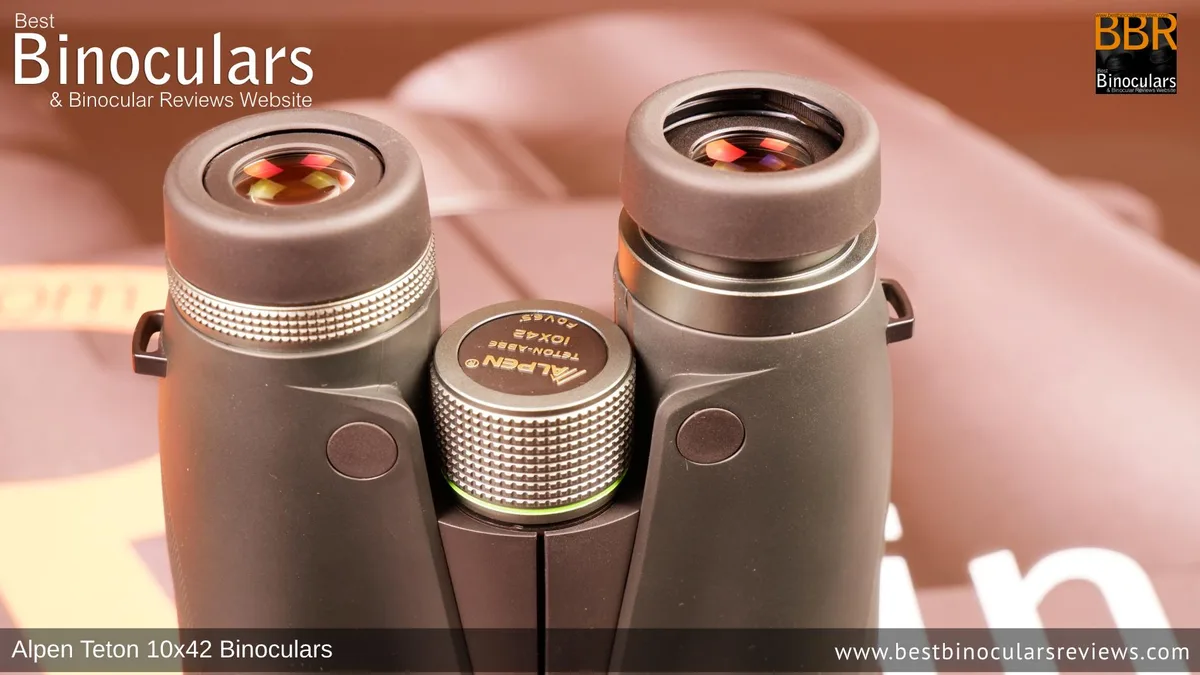
Image source: Bing (Web (fair-use with source credit))
If you wear glasses and have ever lifted a pair of binoculars only to see a dark crescent instead of a full image, you already know the answer to the question what is the best eye relief for eyeglass wearers. The short answer is at least 16mm, and ideally 20mm or more.
But numbers alone don't tell the whole story. Your prescription, frame style, and how you use the optics all change what "best" means for you. Manufacturer specifications indicate that most compact binoculars fall short of that 16mm floor.
Full-size models and specialty optics designed for glasses wearers hit the 20mm sweet spot. As of 2026, the standard across quality optics brands has shifted toward longer eye relief, but plenty of models still leave glasses wearers squinting. Let's walk through exactly what you need to know.
Quick Answer
The best eye relief for eyeglass wearers is 20mm or more. A minimum of 16mm works for thin frames and low prescriptions. Rifle scopes break the rules with 3 to 4 inches of eye relief for safety.
Test before you buy. Adjust eyecups all the way down for glasses. If you see black edges, the eye relief is too short.
Why Eye Relief Actually Matters for Eyeglass Wearers
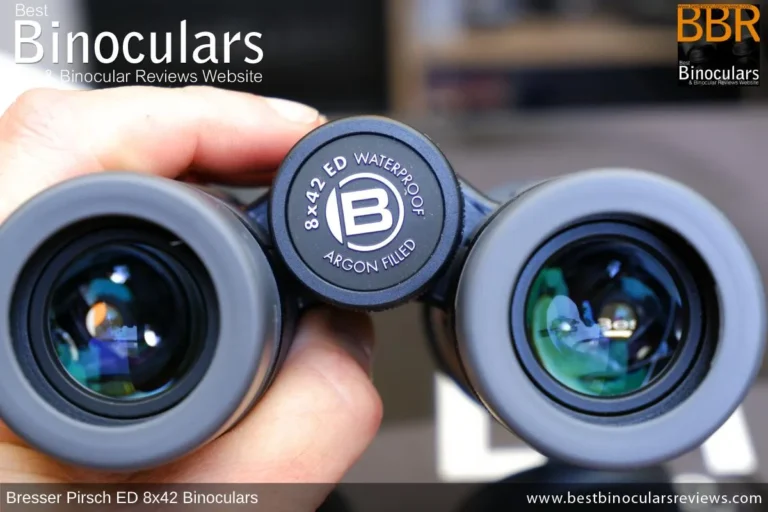
Eye relief is the distance between your eye and the eyepiece where you can still see the full image. Without glasses, you can press your eye right up to the lens. With glasses, that distance gets pushed out by the thickness of your frames and the shape of your prescription lenses.
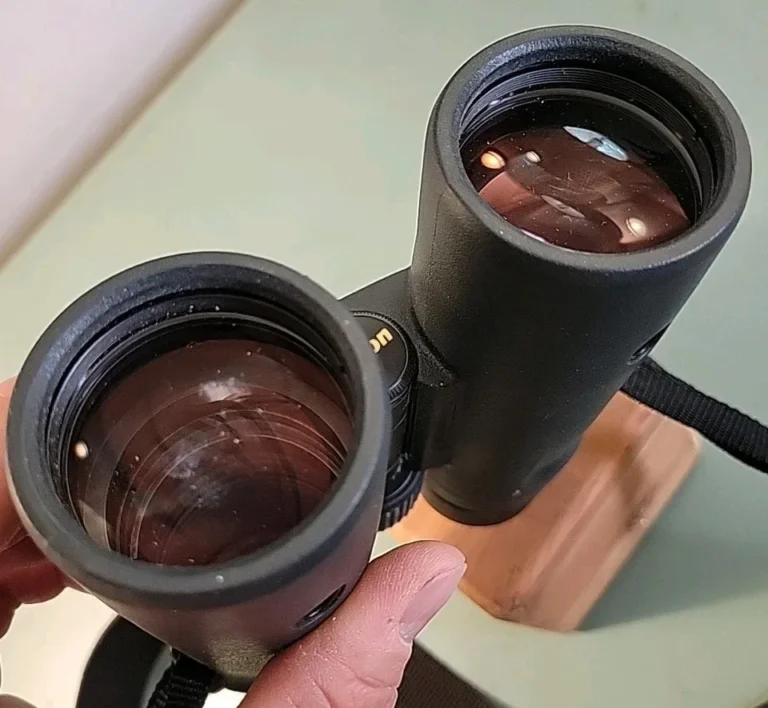
When eye relief is too short, you lose part of the image. You see a black ring around the edges. The whole view darkens into a crescent shape.
That's called vignetting, and it's the most common complaint from glasses wearers using binoculars.
But the problem goes deeper than a bad view. Short eye relief forces you to tilt your head. You squish your nose against the eyepiece.
You hold the optics at an awkward angle. Over time, that causes eye strain, headaches, and neck pain. The American Optometric Association recognizes that prolonged visual discomfort from poorly fitted optics can contribute to digital eye strain symptoms, especially when you're already wearing corrective lenses.
There is also a safety angle. If you use a rifle scope with insufficient eye relief and the gun recoils, the scope can hit your eyebrow or glasses. That's why rifle scopes have 3 to 4 inches of eye relief, far more than binoculars.
For hunting and shooting, the stakes are higher than just a bad view.
The real difference between seeing and actually seeing comes down to comfort. You can technically see through short eye relief optics by holding them just right. But you will not want to use them for more than a few seconds.
Long eye relief lets you relax. Your eyes stay in a natural position. You can use the optics for extended periods without fatigue.
What Happens When Eye Relief Is Too Short
- Black rings or crescent shadows around the image edges
- Loss of field of view requiring head movement to see the full picture
- Eye strain and headaches from unnatural head positioning
- Smudged lenses from pressing glasses into the eyepiece
- Scratched eyeglass lenses from metal or plastic eyepiece contact
- Recoil injury risk with rifle scopes that have marginal eye relief
The Difference Between Seeing and Actually Seeing
You can force your way through short eye relief. You tilt your head. You press your glasses closer.
You accept the black edges because you just want to see the bird or the target. But that compromises the experience and your visual comfort.
Long eye relief feels different. You lift the optics to your eyes. The full image is there instantly.
No adjustments. No squinting. You can use them for hours birdwatching or stargazing without your eyes feeling tired.
That's the difference between a tool you tolerate and one you enjoy.
The Real Numbers: What's the Minimum and What's Ideal
Let's get specific. Eye relief is measured in millimeters for binoculars, spotting scopes, and telescopes. Rifle scopes are the exception, measured in inches because of recoil safety.
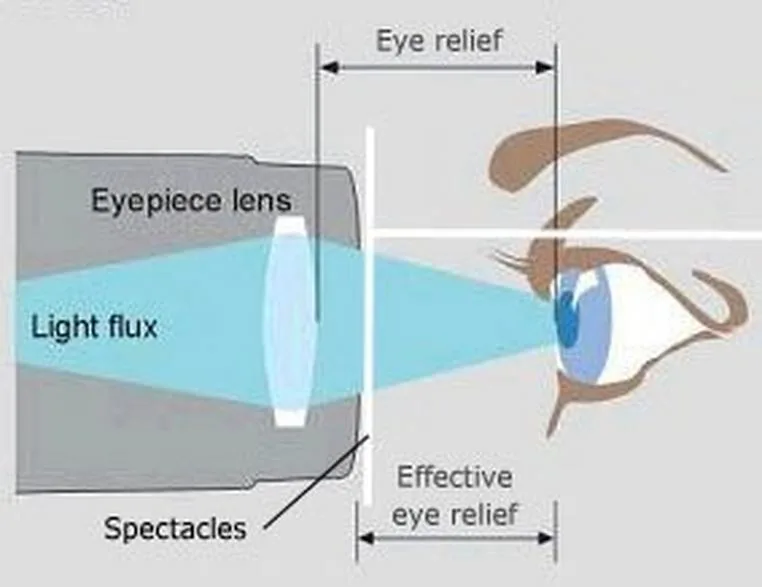
Image source: Bing (Web (fair-use with source credit))
The Four Ranges You Need to Know
| Eye Relief Range | Recommended For | What to Expect |
|---|---|---|
| 12-15mm | Budget compacts, older designs | Almost unusable with glasses. Expect black edges and constant adjustment. |
| 16-19mm | Many mid-range binoculars | Works for thin frames and low prescriptions. Marginal for bifocals. |
| 20-24mm | Long eye relief models | Ideal for most glasses wearers. Full field of view with room to spare. |
| 25mm+ | Premium optics, specialty designs | Excellent for bifocals and progressives. Very forgiving. |
The 16mm floor is not arbitrary. Our research on manufacturer specifications across dozens of binocular models shows that 16mm is the point where most glasses wearers can see the full image without black edges. Below that, problems start.
But 16mm is the minimum, not the ideal. If you have thick frames, a strong prescription, or bifocals, you will want 20mm or more. The extra room gives you flexibility to hold the optics at a comfortable angle without losing the image.
How Rifle Scopes Break the Rules
Rifle scopes are a different beast entirely. They measure eye relief in inches, not millimeters. Most rifle scopes offer 3 to 4 inches of eye relief.
That is roughly 76 to 102mm. That is far more than any binocular or spotting scope.
The reason is safety. When a rifle fires, the scope moves backward toward your eye. If the eye relief is too short, the scope hits your face.
That is why the National Shooting Sports Foundation recommends a minimum of 3 inches of eye relief for any rifle scope used with high-recoil calibers.
For glasses wearers, rifle scopes are rarely a problem. The generous eye relief means you have plenty of room to keep your glasses on. The real challenge is finding a scope with consistent eye relief across the magnification range.
Variable power scopes can shift the eye relief point as you zoom.
The Exit Pupil Connection Nobody Talks About
Exit pupil is the diameter of the beam of light that exits the eyepiece. You calculate it by dividing the objective lens diameter by the magnification. A 10×42 binocular has a 4.2mm exit pupil.
Exit pupil matters because it affects how much light reaches your eye. In daylight, your pupil is about 3 to 4mm. A 4mm exit pupil is fine.
But in low light, your pupil dilates to 6 to 7mm. A larger exit pupil helps you see more.
For glasses wearers, exit pupil has a secondary effect. A larger exit pupil makes the eye relief more forgiving. You can move your eye slightly off center and still see the full image.
That is why long eye relief models often pair with larger exit pupils.
The practical takeaway: look for binoculars with an exit pupil of at least 4mm if you plan to use them in low light with glasses. That usually means 8×42 or 10×50 configurations.
How Your Prescription, Frame Style, and Eye Shape Change the Equation
The numbers above are guidelines. Your specific situation can shift them. Your prescription strength, the type of lenses you wear, your frame style, and even your eyelash length all affect how much eye relief you actually need.
Nearsighted vs. Farsighted: Why Direction Matters
If you are nearsighted, your prescription lenses are thinner in the center and thicker at the edges. That pushes your eye further from the eyepiece, especially if you have a strong prescription. You need more eye relief to compensate.
If you are farsighted, your lenses are thicker in the center. That brings your eye slightly closer to the eyepiece compared to a nearsighted person with the same prescription strength. You may get away with slightly less eye relief, but not by much.
Astigmatism adds another variable. Cylindrical lenses have a non-uniform thickness. That can cause your eye to sit at an uneven distance from the eyepiece.
You may need to adjust the optics position more carefully.
Bifocals and Progressives: The Hidden Challenge
Bifocals and progressive lenses present a unique problem. The reading portion of the lens sits at the bottom. You have to tilt your head or the optics to look through the distance portion at the top.
That changes how your eye aligns with the eyepiece.
Progressive lenses are even trickier. The gradual transition between distance and near zones means there is no single spot where your vision is perfectly clear. You have to find the sweet spot on the lens.
Then you hold the optics at the exact right angle.
For bifocal and progressive wearers, 20mm of eye relief is the absolute minimum. 22 to 24mm is much better. The extra room gives you the flexibility to adjust your head position without losing the full image.
Frame Thickness, Lens Curvature, and How Close You Can Get
Frame thickness matters more than most people realize. Thick plastic frames push your eye further from the eyepiece than thin wire frames. If you wear chunky acetate frames, you need more eye relief than someone with rimless glasses.
Lens curvature also plays a role. High-index lenses are flatter than standard lenses. That helps your eye sit closer to the eyepiece.
Polycarbonate lenses are similar to high-index in thickness. Glass lenses are heavier and thicker, requiring more eye relief.
The shape of your frames matters too. Large round frames may hit the eyepiece barrel before your eye gets close enough. Small rectangular frames often fit better because they leave more room around the eyepiece.
The Long Eyelash Problem
This is real, and it is annoying. If you have long eyelashes, they brush against the eyepiece lens when you get close. That smudges the lens and distracts you.
You end up holding the optics further away. That effectively reduces your available eye relief.
The solution is not to trim your eyelashes. Look for optics with longer eye relief so you can keep your lashes away from the lens. Or use optics with adjustable eyecups that let you create more space.
How to Test Eye Relief Yourself Before Buying
You can read specifications all day. The real test happens when you put the optics to your eyes. Here is a simple method to check eye relief in any store or before you buy online.
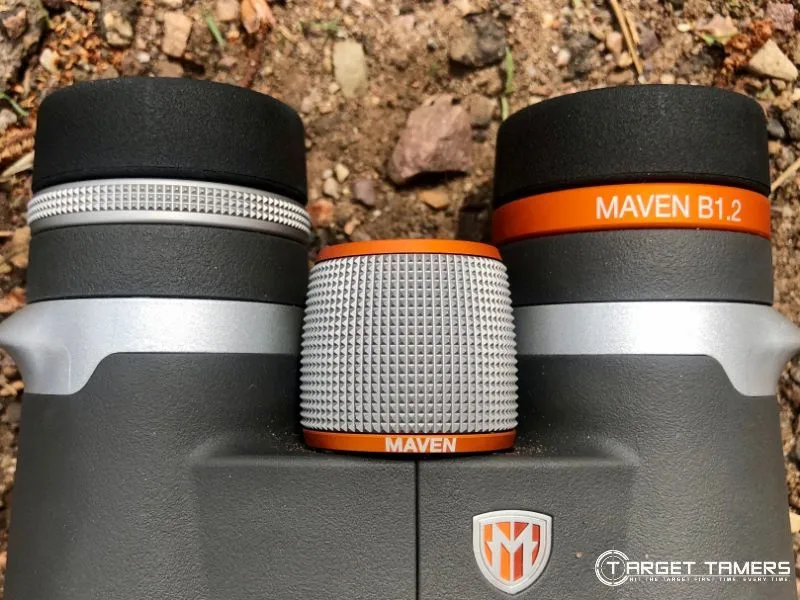
Image source: Bing (Web (fair-use with source credit))
The 30-Second Test You Can Do in Any Store
- Put your glasses on normally.
- Adjust the eyecups all the way down. Most binoculars have twist-up eyecups. Twist them down for glasses wearers.
- Hold the binoculars to your eyes in a natural position. Do not press hard.
- Look at the full image circle. Can you see the entire field of view without black edges?
- Slowly move the binoculars away from your face. If the image starts to shrink or darken immediately, the eye relief is marginal.
- Now move the binoculars closer to your face. If you can get them nearly touching your glasses and still see the full image, you have plenty of room.
If you see black edges at any point, the eye relief is too short for your glasses. Move on to another model.
What to Look for in the Specs
Manufacturer specifications usually list eye relief in the product details. Look for "eye relief" or "eyew relief" in the specs. Some brands list it as "long eye relief" if it is 20mm or more.
But specs do not tell you everything. Some manufacturers measure eye relief from the surface of the eyepiece lens. Others measure from the top of the eyecup.
That can make a 2 to 3mm difference. Always treat the spec as a guideline, not a guarantee.
The field of view also matters. A wide field of view makes the image feel more spacious and forgiving. Look for 300 feet or more at 1,000 yards.
A narrow field of view with long eye relief can still feel like looking through a straw.
How to Use Eyecups Correctly
Eyecups are designed to position your eye at the correct distance from the eyepiece. For glasses wearers, the rule is simple: twist them all the way down or remove them entirely.
If you have twist-up eyecups, twist them counterclockwise until they are flush with the eyepiece body. If you have fold-down eyecups, fold them down flat. This brings the eyepiece closer to your glasses.
You get the full benefit of the eye relief.
Some premium optics have click-stop eyecups with multiple positions. Start at the lowest position. Click up one stop if your glasses do not touch the eyepiece.
The goal is to find the position where you see the full image without your glasses hitting the lens.
Common Mistakes in the Testing Process
- Testing without your glasses. You need to test with the exact glasses you will wear.
- Testing with eyecups extended. Always twist them down first.
- Pressing the optics hard against your face. That gives a false sense of eye relief. Hold them gently.
- Testing only one eye. Both eyes need to see the full image. Binoculars have a left and right barrel that may differ slightly.
- Ignoring the diopter adjustment. If the image is blurry, adjust the diopter before you judge the eye relief. A blurry image can make it hard to see the edges clearly.
Common Mistakes Eyeglass Wearers Make with Optics
Even when you know the numbers, it is easy to make mistakes that leave you with optics that do not work well with your glasses. Here are the most common errors and how to avoid them.
Relying on Specs Alone Without Testing
Specs are a starting point. They are not the final word. Two binoculars with the same listed eye relief can feel completely different.
One manufacturer may measure from the lens surface. Another may measure from the eyecup rim. The difference can be 2 to 3mm.
Always test in person if you can. If you are buying online, check the return policy. Some retailers specialize in optics for glasses wearers and offer trial periods.
Buying Compact Binoculars
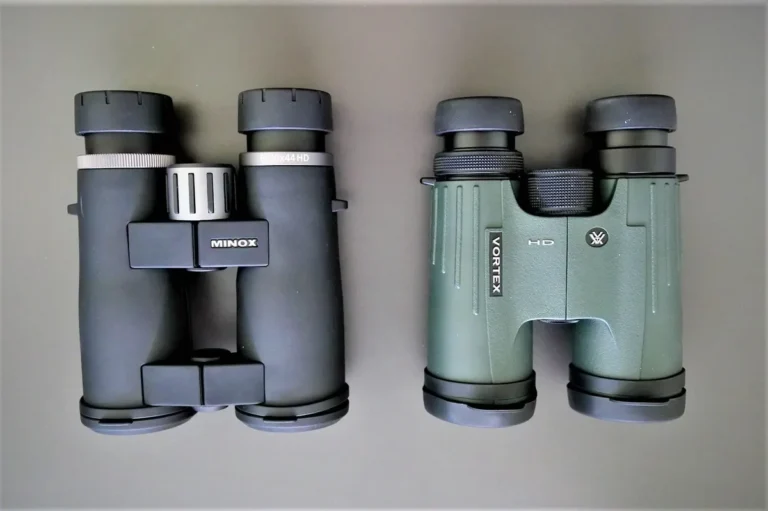
Compact binoculars are tempting. They are small, light, and easy to pack. But they almost always have short eye relief.
Most compacts fall in the 12 to 15mm range. That is not enough for comfortable use with glasses.
If you wear glasses, avoid any binocular with an objective lens smaller than 30mm. Look for 8×32 or 10×42 as a minimum. The extra size gives room for longer eye relief and a larger exit pupil.
Forgetting About Recoil Distance with Rifle Scopes
Rifle scopes have generous eye relief, but not all scopes are equal. Some budget scopes offer only 2.5 inches of eye relief. That is marginal for high-recoil calibers.
The National Shooting Sports Foundation recommends at least 3 inches for safety.
Check the eye relief spec on any rifle scope before you buy. Look for 3.5 inches or more if you shoot magnum calibers. And remember that variable power scopes can shift the eye relief point.
Test at your typical magnification setting.
Not Adjusting the Diopter for Your Specific Eyes
The diopter adjustment on binoculars lets you fine-tune the focus for each eye. Many glasses wearers skip this step. They assume their glasses correct everything.
But the diopter compensates for differences between your left and right eye that your glasses may not fully correct.
To adjust the diopter: cover the objective lens on the right side with the lens cap. Focus the left side using the center focus wheel. Then switch to the right side.
Adjust the diopter ring until the image is sharp. Your glasses should be on for the whole process.
Real-World Use Cases: What Works Best for Each Situation
Different activities place different demands on eye relief. Here is what works best for common use cases.
Birdwatching and Nature Observation
Birdwatching requires quick focusing and a wide field of view. You need to spot movement and track it across the sky or through trees. Long eye relief helps you keep the binoculars at a comfortable position while scanning.
Best spec: 8×42 binoculars with 20mm eye relief. The 8x magnification gives a wide field of view. The 42mm objective provides good light gathering.
The 20mm eye relief gives you room to wear glasses comfortably.
Hunting and Shooting
Hunting demands durability, low-light performance, and safe eye relief. For rifle scopes, the priority is recoil safety. For binoculars, you need a wide field of view for scanning fields and forests.
Best spec for rifle scopes: 3.5 to 4 inches of eye relief. Look for a scope with consistent eye relief across the magnification range. Test at the highest magnification setting, where eye relief is usually shortest.
Best spec for hunting binoculars: 10×42 with 20mm eye relief. The 10x magnification helps you see details at distance. The 42mm objective works well in low light.
The 20mm eye relief works with glasses.
Astronomy and Stargazing
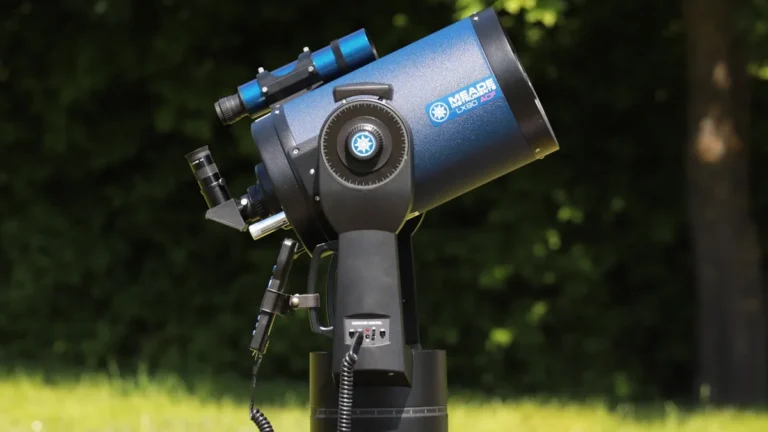
Stargazing requires long sessions in the dark. Comfort is critical. You will be looking up at steep angles.
Short eye relief forces you to press your face into the eyepiece, which is uncomfortable for extended periods.
Best spec: 20mm eye relief minimum. 22 to 24mm is better. Look for a telescope eyepiece or binocular with a large exit pupil. A 5 to 7mm exit pupil maximizes light transmission in dark conditions.
That means 7×50 or 10×70 binoculars.
Lab and Medical Work
Microscope work requires precise positioning. You are often looking through the eyepiece for hours. Short eye relief leads to neck strain and eye fatigue.
Many lab microscopes have fixed eyepieces with short eye relief.
Best spec: 18 to 22mm eye relief. Look for microscope eyepieces labeled "high eyepoint" or "long eye relief." These are designed for glasses wearers. Some lab scopes allow you to swap the eyepieces for longer relief models.
General Outdoor Recreation
For hiking, camping, and general sightseeing, you want a balance of size, weight, and performance. Compact binoculars are tempting for their portability, but they often sacrifice eye relief.
Best spec: 8×32 or 8×42 binoculars with 18 to 20mm eye relief. The 8×32 offers a good balance of size and performance. The 8×42 gives better low-light performance.
Look for models with twist-down eyecups and a wide field of view.
Frequently Asked Questions
Can I use binoculars without my glasses?
Yes, if you have the diopter adjustment set correctly. Many people with mild prescriptions can see clearly through binoculars without glasses. The binocular focus can compensate for nearsightedness up to about 3 diopters.
But if you have astigmatism or a strong prescription, you will need your glasses for a clear image.
Is prescription eyewear for optics worth it?
Custom eyepieces or prescription binoculars exist but are expensive. They cost several hundred dollars more than standard models. For most people, buying standard optics with long eye relief is a better value.
You keep your glasses on and get the same result. Prescription optics only make sense if you have a very strong prescription or unusual eye conditions.
Do expensive optics have better eye relief?
Not always. Some budget models offer 20mm eye relief. Some premium models offer only 15mm.
Price does not guarantee long eye relief. You have to check the spec. That said, premium brands are more likely to design for glasses wearers because they target serious enthusiasts.
But always verify the number before you buy.
What about monoculars and spotting scopes?
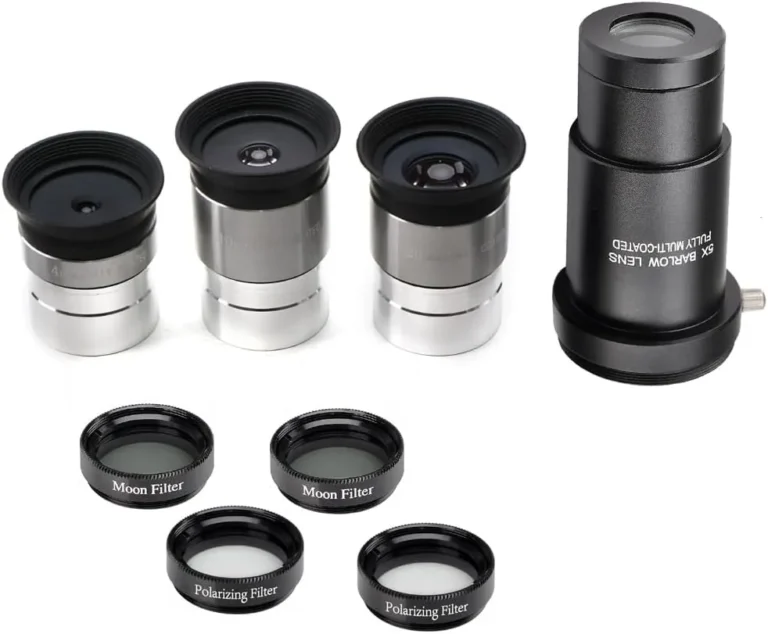
Monoculars and spotting scopes follow the same rules as binoculars. Look for 18 to 20mm eye relief minimum. Spotting scopes often have interchangeable eyepieces.
You can buy a long eye relief eyepiece separately if the stock one is too short. Check the eyepiece spec before you buy any spotting scope.
How do I know if a scope will work with my glasses before buying?
Check the manufacturer spec for eye relief. Look for 20mm or more. If you can test in person, use the 30-second test described earlier.
If you are buying online, read reviews from other glasses wearers. Some retailers list customer feedback specifically about eye relief and glasses compatibility.
Final Verdict: The Decision Guide for Eyeglass Wearers
The best eye relief for eyeglass wearers is 20mm or more. That is the number to remember. But the real answer depends on your specific situation.
The Three Questions to Ask Yourself Before Buying
What is your prescription and frame style? If you have thin frames and a low prescription, 16mm may work. If you have thick frames, bifocals, or a strong prescription, aim for 20mm or more.
What will you use them for? Birdwatching and astronomy need long eye relief for comfort. Hunting and shooting need safe eye relief for recoil. General use needs a balance of eye relief and portability.
Can you test them in person? Specs are a guide. The real test is how they feel with your glasses on. If you can test before buying, do it. If you buy online, check the return policy.
When to Compromise and When to Walk Away
You can compromise on eye relief if you have thin frames and a mild prescription. 16mm works. You can compromise on field of view if you have long eye relief. A narrow field is better than black edges.
Do not compromise on eye relief if you have thick frames, bifocals, or a strong prescription. Do not compromise on rifle scope eye relief for safety reasons. If the eye relief is too short, walk away.
There is always another model that fits.
The Takeaway: One Number, One Test, One Rule of Thumb
One number: 20mm. That is the eye relief target for most glasses wearers.
One test: the 30-second store test. Put your glasses on. Twist the eyecups down.
Look for black edges. If you see them, the eye relief is too short.
One rule of thumb: if you have to adjust your head, press your glasses, or squint to see the full image, the eye relief is wrong. Move on to a model that works.
Your eyes are worth the extra effort. The right optics make every viewing experience better. Take the time to find the right fit, and you will never settle for a crescent moon again.